22 Tips on How to Pick a Ripe Watermelon Every Time
Introduction
Everyone has cut into a watermelon that looked perfect and found pale, bland flesh inside. Learning how to pick a ripe watermelon ends that disappointment, and the good news is that the reliable signs are simple, fast and backed by university extension guidance you can trust.
This guide orders 22 tips from the most reliable checks to the useful backups, covering the field spot, rind finish, weight, sound, tendril and stem, plus buying precut fruit, washing and storage. Most take seconds at the bin, and together they stack the odds strongly in your favor.
You will also learn what to skip: cracked rinds, shiny skin, light melons and any fruit with an off smell. Keep three core checks in mind on every trip and you will bring home sweet, juicy melons all summer long, for cookouts, salads and straight from the fridge slices.
1. Start With the Field Spot

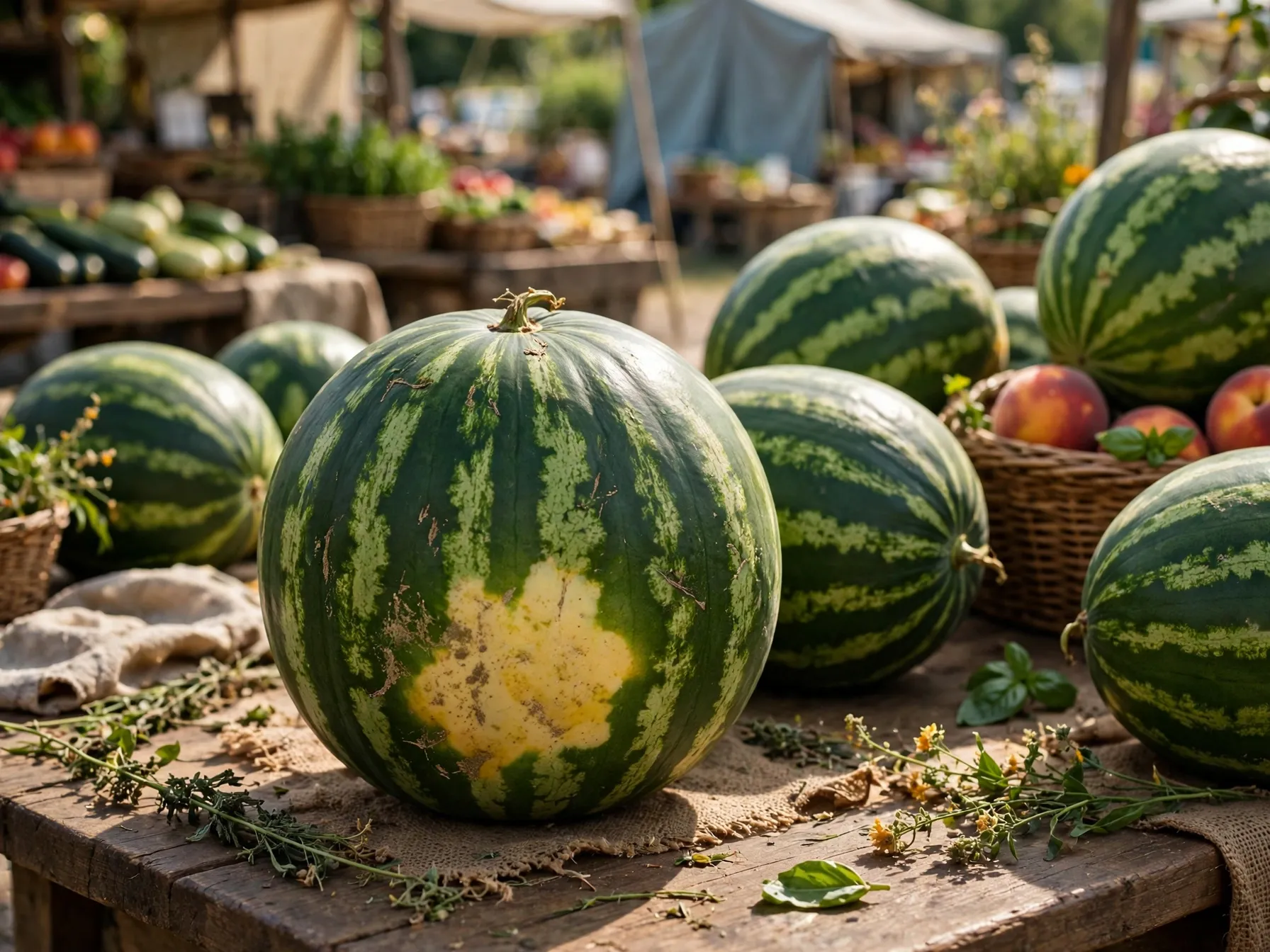
Turn the melon over and find the field spot, the patch where it rested on the ground as it grew. University of Georgia Extension calls a creamy yellow spot a key sign of ripeness, while a white or pale green spot suggests the melon was picked too soon.
The bigger and richer yellow that spot is, the longer the melon ripened on the vine. This single check is the most reliable place to begin, at the store, the farmers market or in your own garden patch.
2. Choose Dull Skin Over Shiny Skin
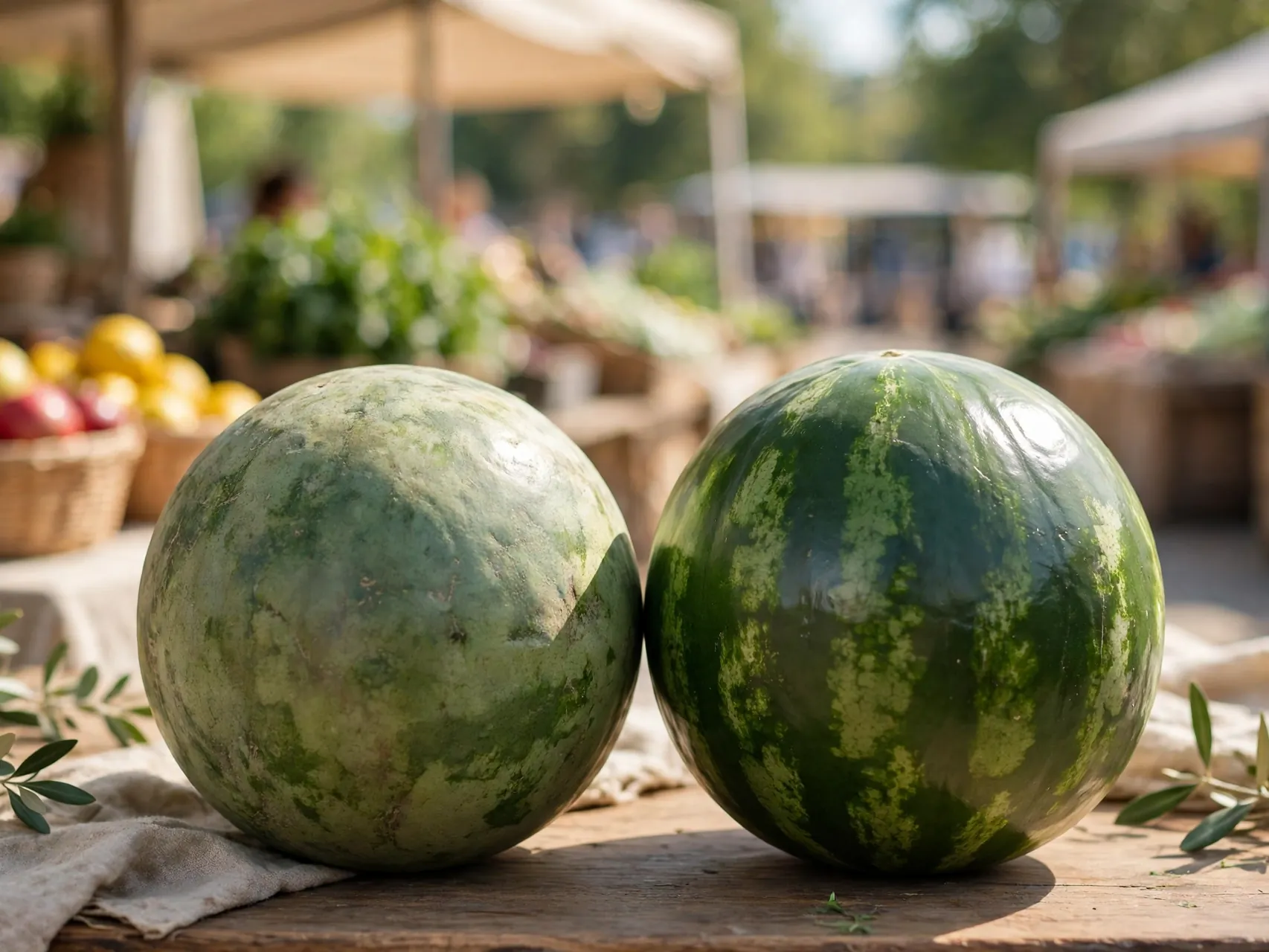
A ripe watermelon has a dull finish, not a glossy shine. Missouri Extension gives the same advice shoppers have used for years: look for a firm, dull green rind and walk past the shiny ones, which tend to be underripe inside.
Dull skin works for both striped and solid varieties. Compare two melons side by side and the difference is easy to see. Pair the dull finish with the other checks in this list and your success rate climbs fast.
3. Pick It Up and Judge the Weight
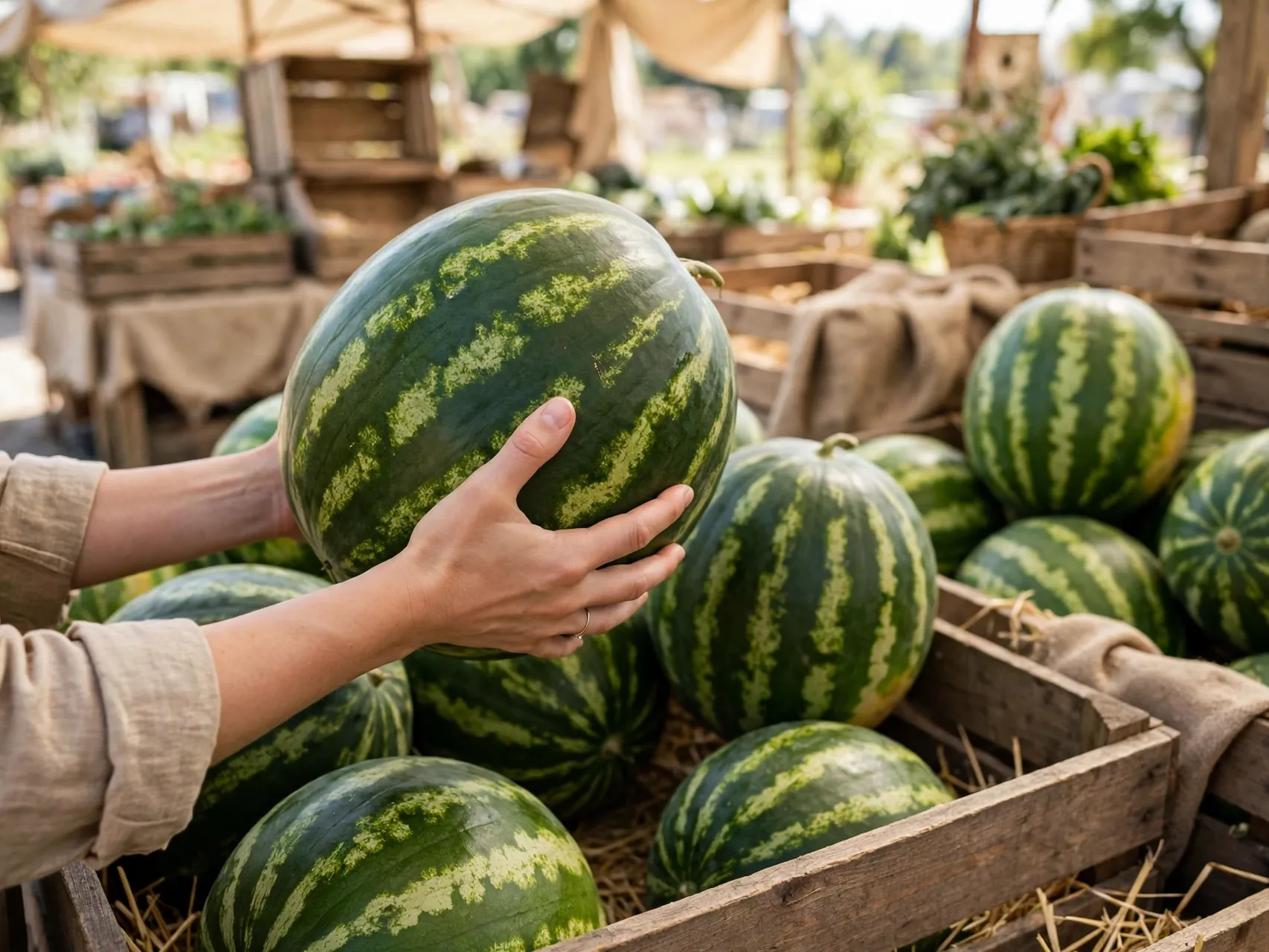
A good melon feels heavy for its size because it is full of juice. Watermelon is about 92 percent water, according to extension guidance, so a light melon for its size often means dry, underripe or hollow flesh.
Lift two melons of similar size and choose the heavier one. This ripe watermelon signs test takes two seconds and works anywhere, with no tools and no guesswork about color or sound.
4. Use the Thump Test With Care
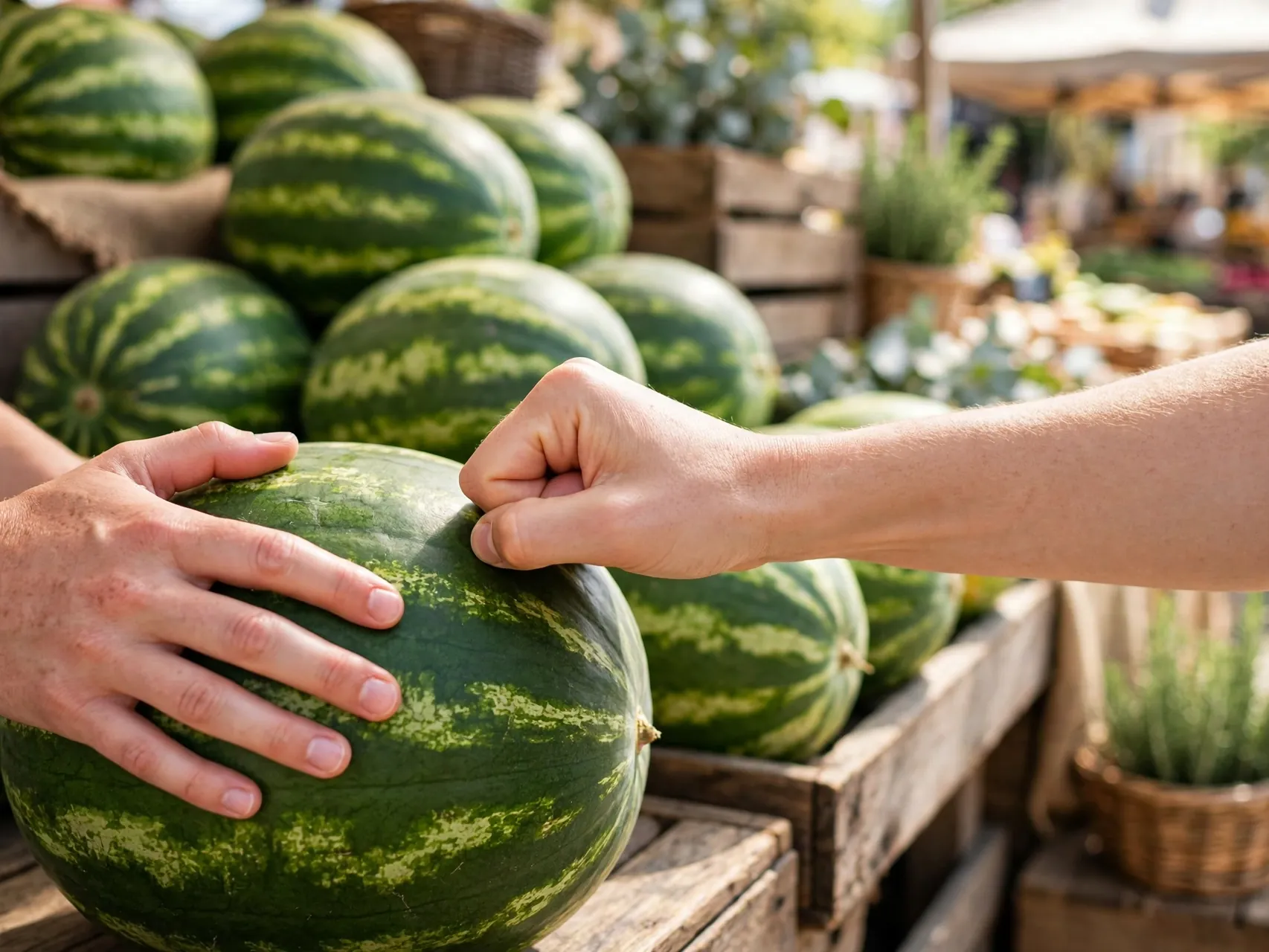
Tap the underside with your knuckles and listen. Georgia Extension describes a ripe melon as giving a dull, hollow sound, while an unripe one sounds higher pitched or metallic. A flat, dead sound can mean the flesh has gone soft.
Treat sound as a backup check, not the main event. Missouri Extension notes it is the least trustworthy indicator on its own. Use it to break a tie between two melons that both pass the field spot and weight tests.
5. Check the Tendril Near the Stem
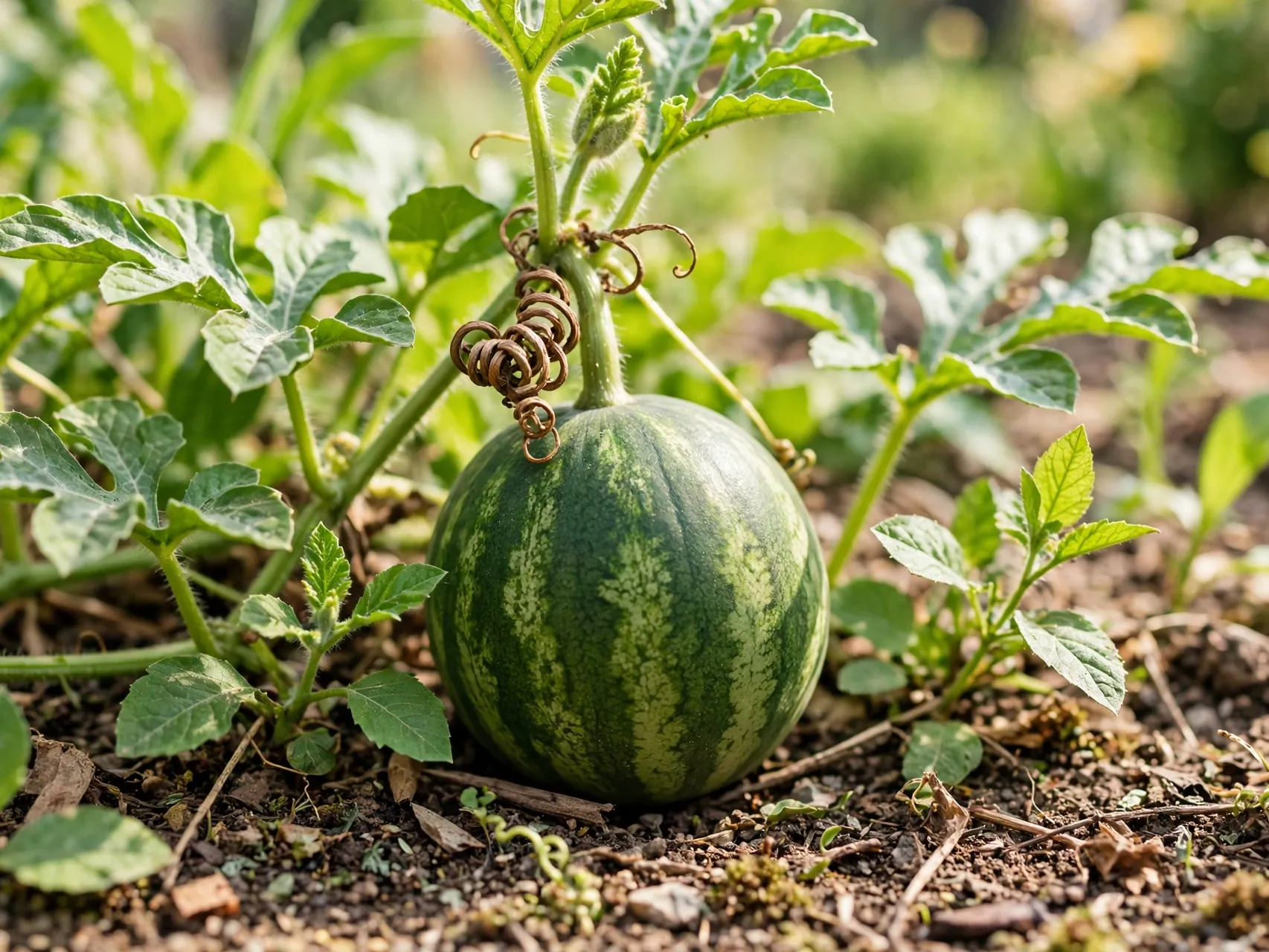
In the garden or at a farm stand where the vine is still attached, look at the small curly tendril nearest the fruit. When that tendril has dried and turned brown, extension guides say the melon is mature and ready.
A green, flexible tendril means the melon needs more time on the vine. This check does not help much in a supermarket, where tendrils are long gone, but for home growers it is one of the clearest harvest signals you can learn.
6. Look at the Stem Color
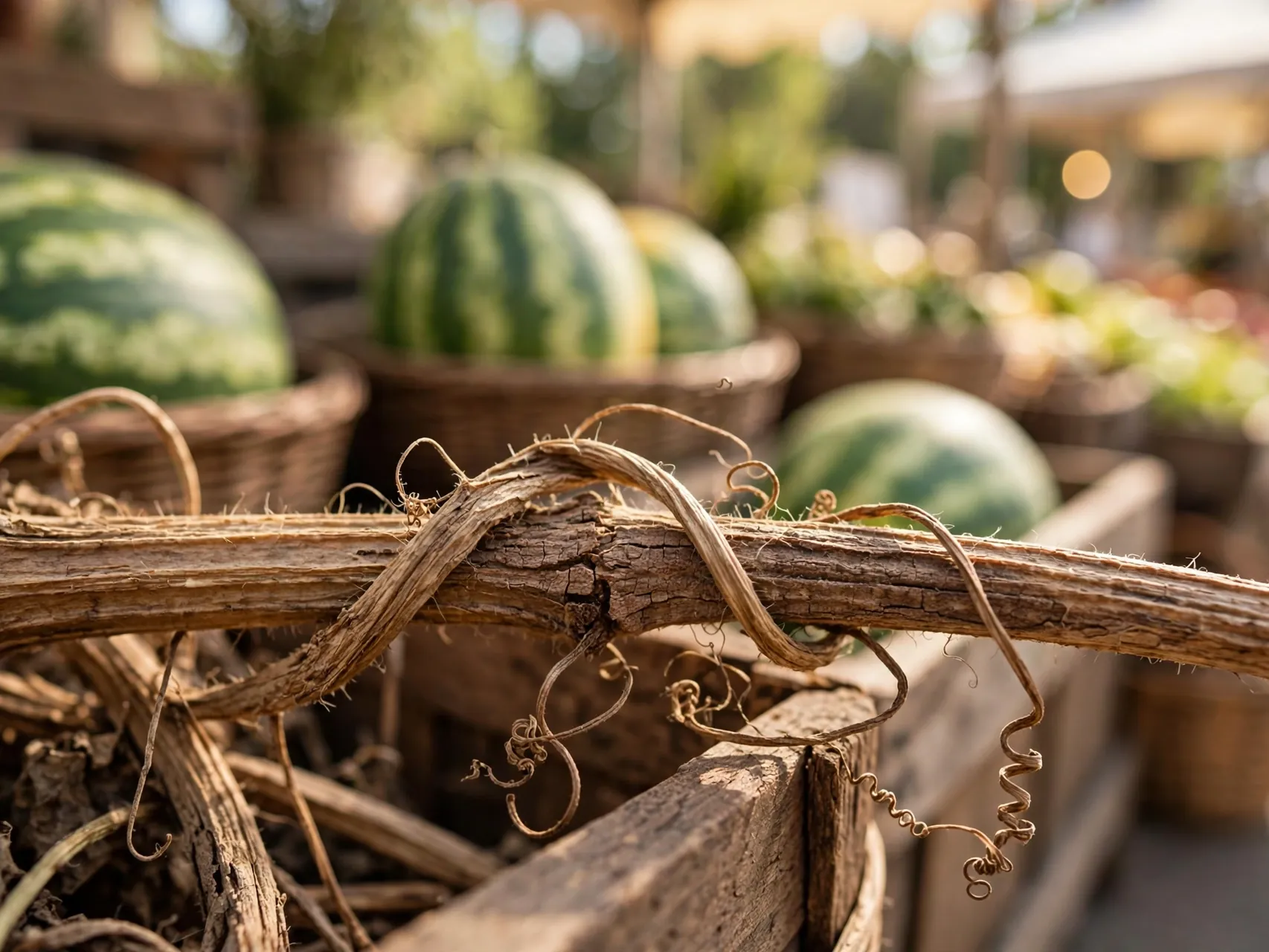
Where a stem stub remains, a dry, brown stem supports ripeness, while a fresh green stem suggests an early pick. The stem dries as the plant stops feeding the fruit, which is why growers watch it alongside the tendril.
Do not choose a melon by stem alone, since handling can break stems off ripe fruit. Use it as supporting evidence with the field spot. If the stem area looks moldy, soft or damaged, pick a different melon altogether.
7. Read the Stripes on Striped Types
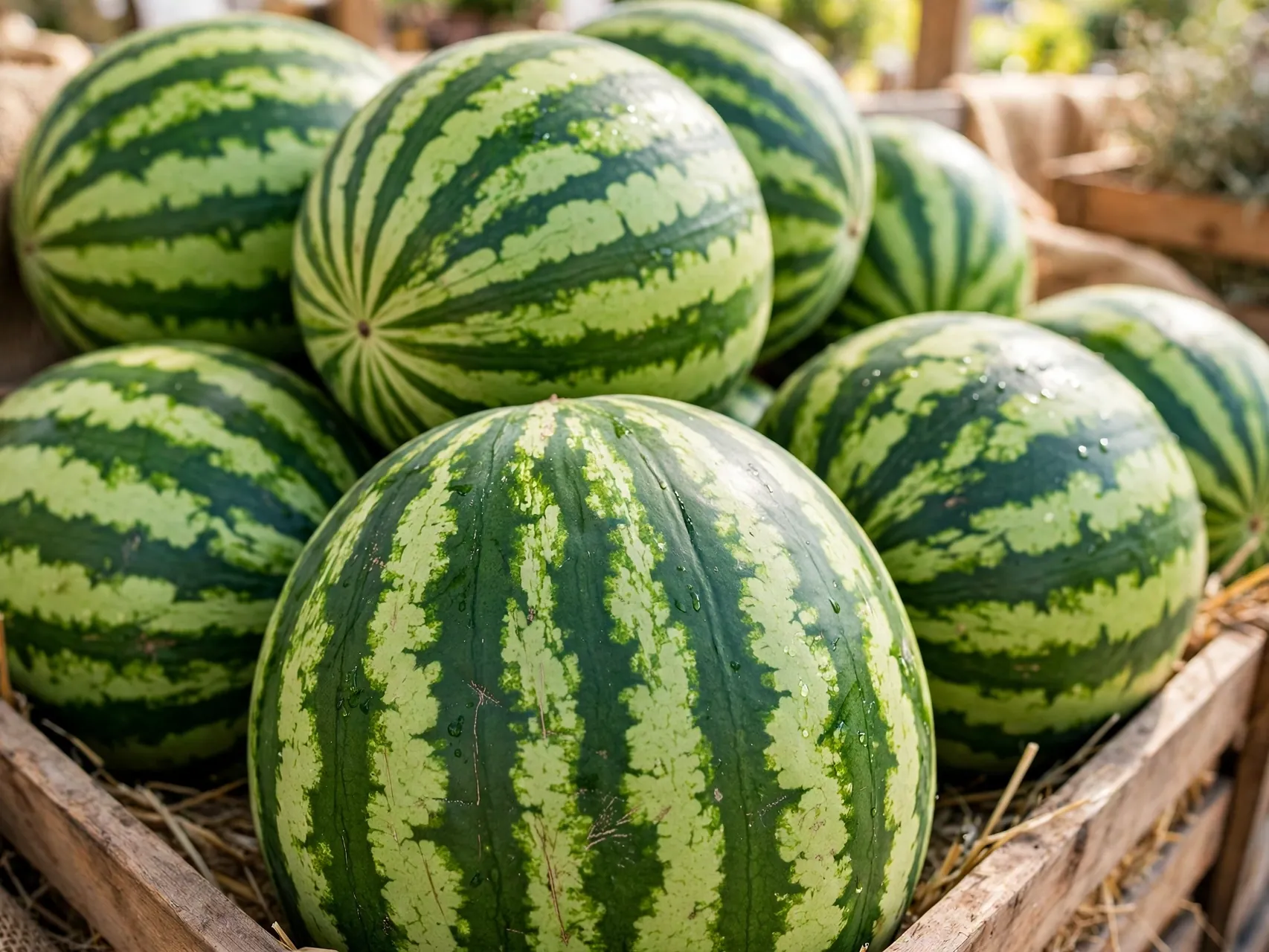
On striped varieties such as Crimson Sweet, Georgia Extension notes that the dark green bands often begin to break up near the blossom end as the melon ripens. The contrast softens and the pattern looks less crisp than on an unripe melon.
Solid dark varieties will not show this cue, so lean on the field spot and dull finish instead. Stripe reading is a useful extra for the striped melons most US stores carry through summer, once you have seen a few ripe examples.
8. Feel for a Firm, Even Rind
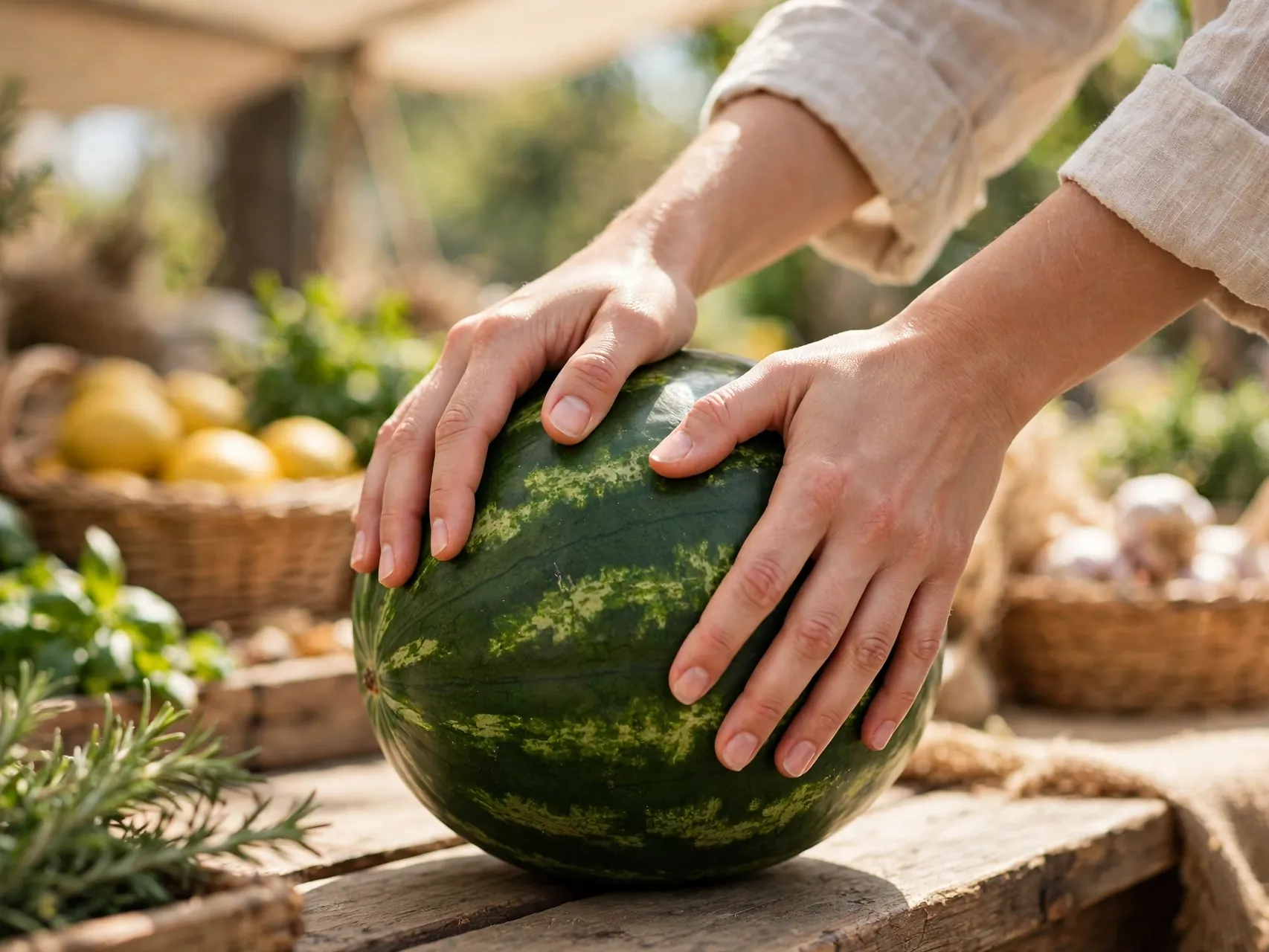
Run your hands over the melon. The rind should feel firm and smooth, with well rounded ends and no soft spots, bruises, cuts or dents. Damage can let bacteria in and often means the flesh inside has started to break down.
Ohio State Extension guidance also advises choosing smooth, dull melons without bruises or dents. A small scar or two from field contact is normal, but skip any melon with cracks, leaking juice or a fermented smell at the stem end.
9. Try the Thumbnail Scratch in the Garden
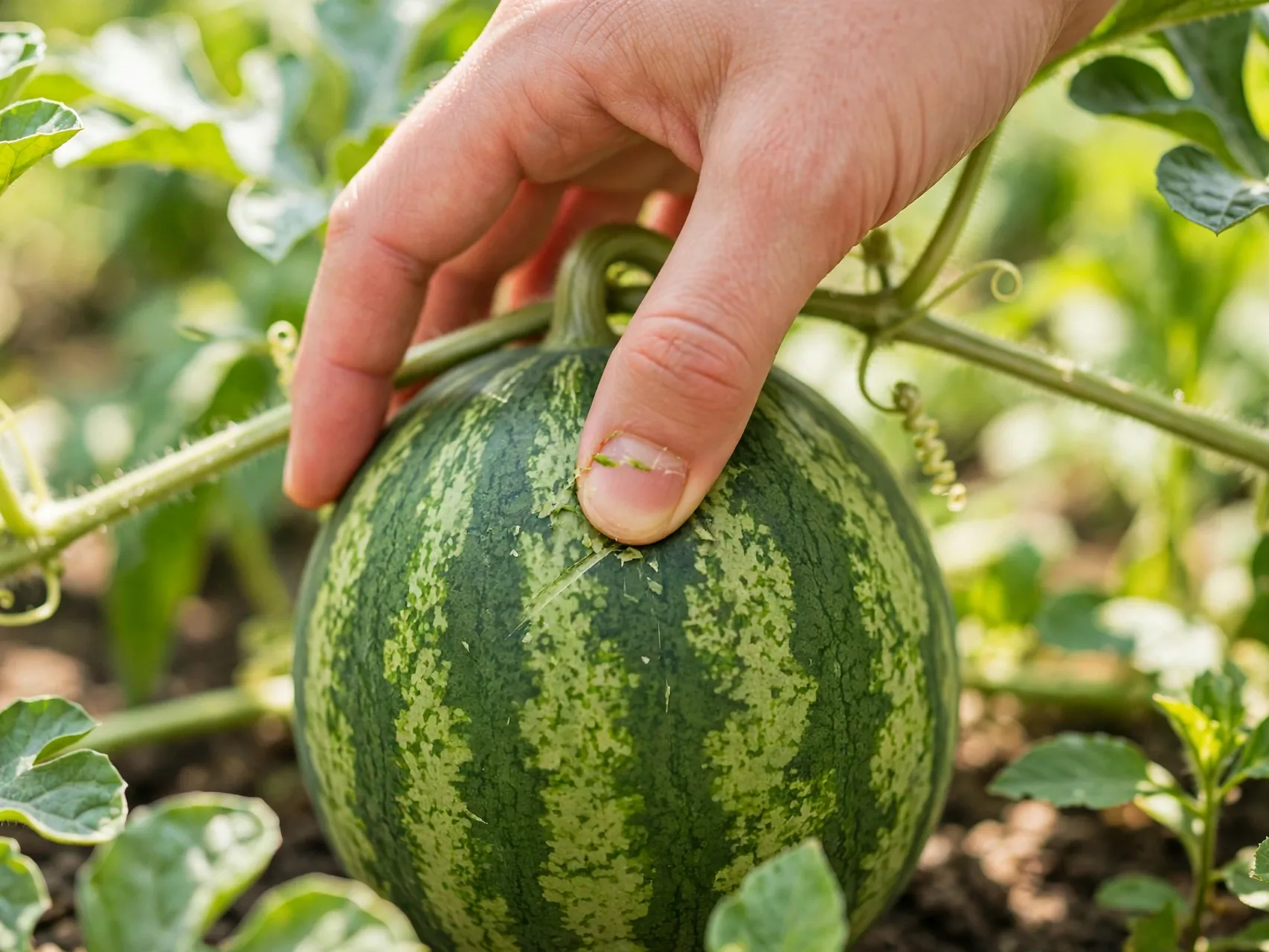
Growers have long used a thumbnail test in the field. Ohio State Extension describes scratching the rind surface: on a ripe melon the outer layer slips back with little resistance, showing a green white layer beneath, while unripe rind resists.
Use this only on melons you grow or are about to buy at a farm stand where testing is welcome, not on store displays. It is a small, satisfying confirmation when the tendril, spot and sound already point the same way.
10. Remember It Will Not Sweeten Later

Watermelon does not get sweeter after harvest. Georgia Extension stresses field maturity for exactly this reason: the sugar in the melon at picking is the sugar you get, so choosing well at the start is the whole game.
That fact makes the thump test watermelon habits and field spot checks worth learning properly. It also means a bland melon will not improve on your counter, so save your money and pick carefully the first time, every time.
11. Know the Sugar Standard Growers Use

Commercial growers check ripeness with a refractometer that measures sugar in the flesh. Georgia Extension notes that samples near 10 percent sugar or more in the center of several melons signal a field that is ready to harvest.
You cannot run that test in a store aisle, but it explains why the visual cues matter: they are the outside signs of that inside sugar. When several cues agree, they are pointing at the same sweet, mature fruit the grower tools would confirm.
12. Compare Melons of the Same Variety
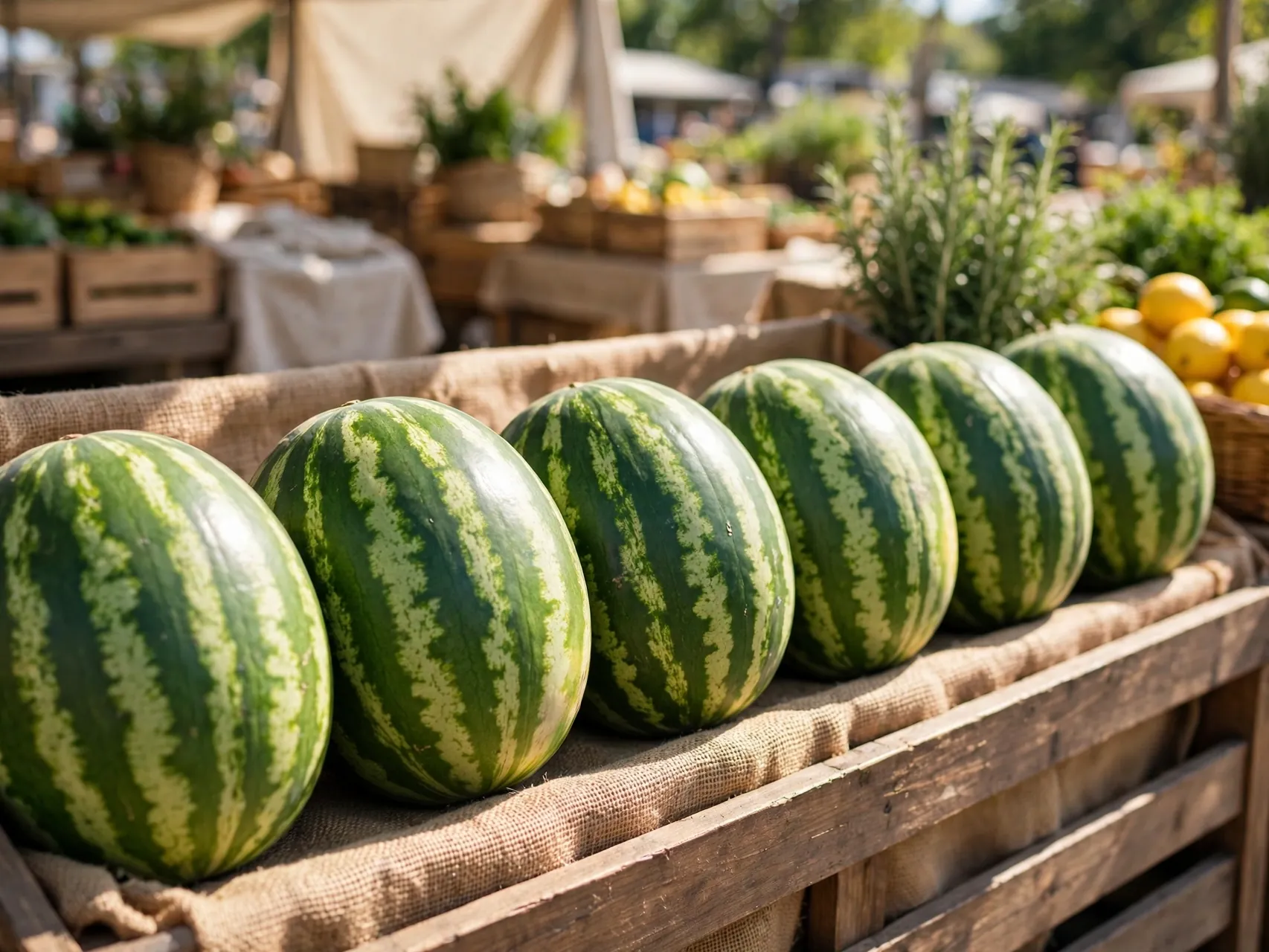
Stripes, shape and base color vary by variety, so judge a melon against its own kind. A seedless melon, a mini personal melon and a big seeded picnic melon each have their own normal size, rind tone and stripe pattern.
Comparing like with like stops false alarms, such as rejecting a pale variety for not being dark enough. Farmers market sellers can tell you the variety name, which helps you learn its ripe look for the next visit and the next season.
13. Check Seedless Melons the Same Core Way

Seedless watermelons follow the same main rules: creamy yellow field spot, dull rind, heavy for size and a firm feel. Their stripes and shape differ, but the ground spot and weight cues work just as well as they do on seeded types.
Seedless fruit can hide hollow heart, a gap inside, which no outside test fully rules out. Buying from a seller with good turnover and cool storage lowers that risk. If you cut a hollow one, the flesh around the gap is still fine to eat.
14. Avoid Oversized Promises and Pick Your Size
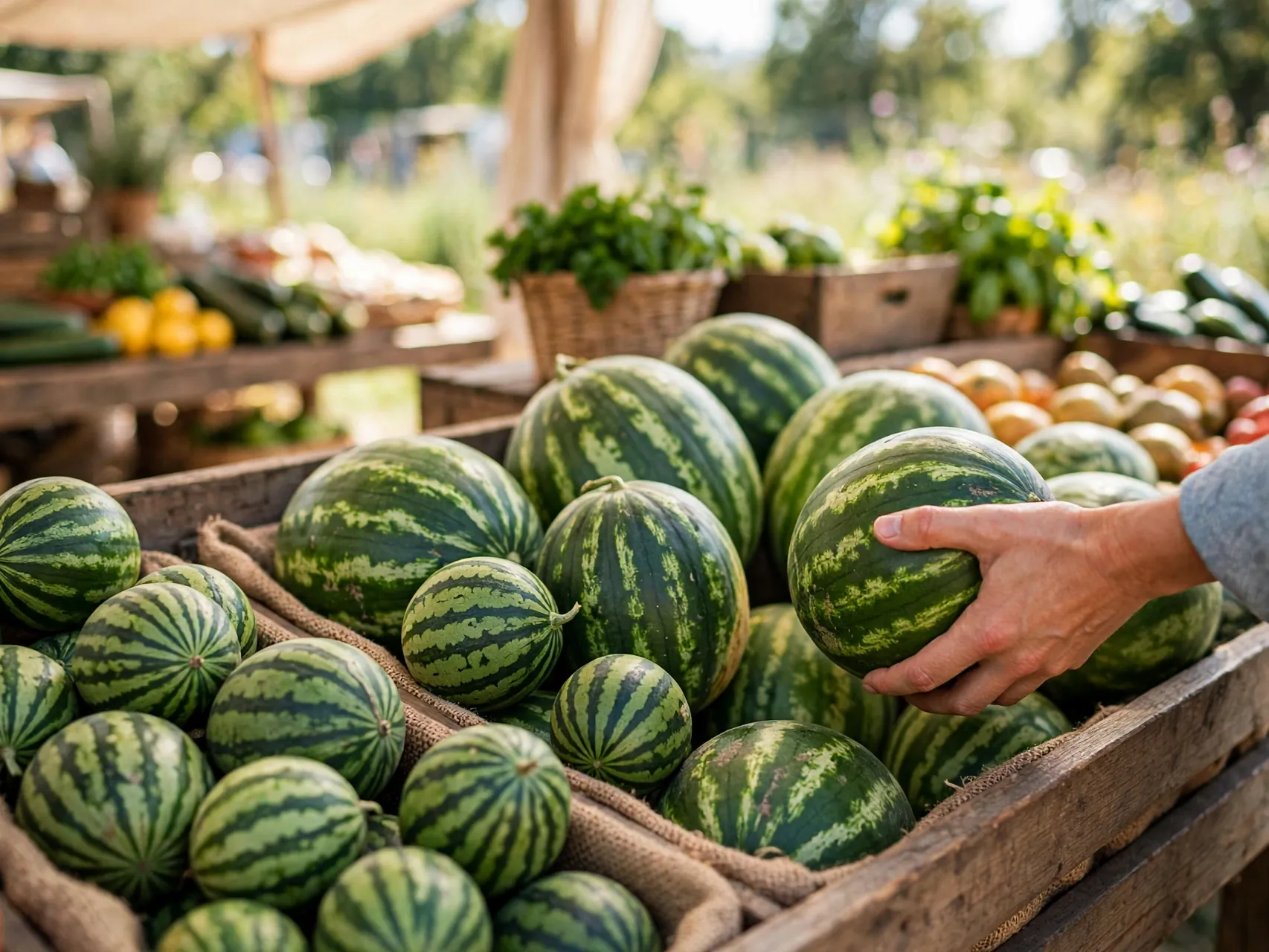
The biggest melon in the bin is not automatically the sweetest. Very large fruit can be watery if it grew fast, and a melon you cannot store or finish will waste more than a smaller, perfectly ripe one you eat at its best.
Match size to your household and fridge space. A medium melon that passes every check beats a giant that fails two of them. This is the quiet secret behind learning how to pick a ripe watermelon well: consistency beats hunches.
15. Shop Where Turnover Is Fast
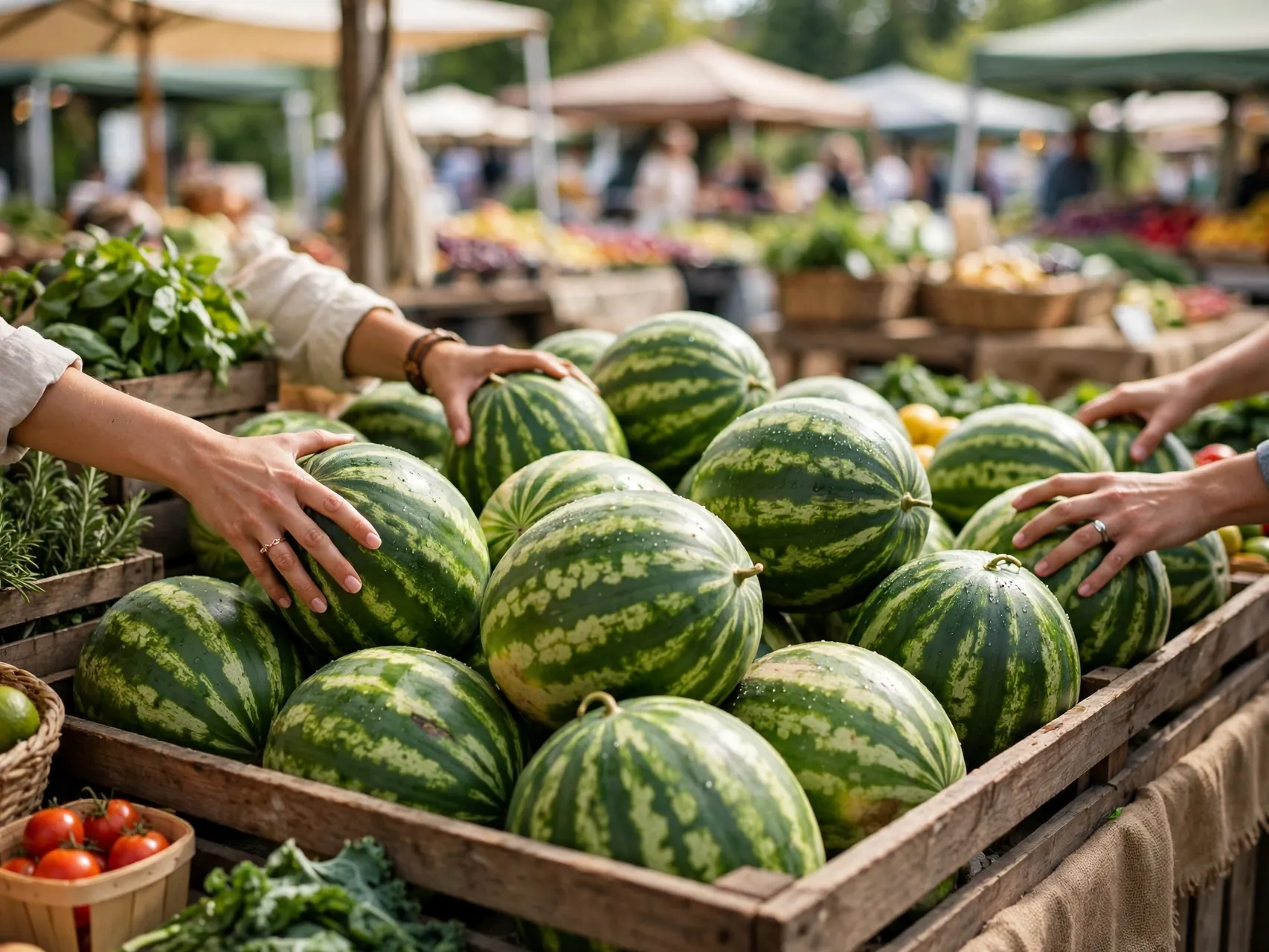
Busy stores and stands sell melons quickly, so fruit spends less time in warm storage losing quality. Look for full bins, staff restocking and melons kept out of harsh sun where possible, especially at outdoor markets in peak summer heat.
Ask sellers which variety is sweetest that week and when the bin was filled. Good vendors answer happily and often cut a sample. Local melons in season usually beat shipped fruit that was picked early to survive the trip.
16. Use the Smell Check as a Warning Only

A ripe melon may smell faintly sweet at the blossom end, and Missouri Extension lists a sweet smell as a general ripeness sign. The stronger use of smell is as a warning: sour, fermented or off odors mean the melon is past its best.
Do not buy a melon with any unpleasant smell, sticky patches or mold, however good it looks otherwise. Trust your nose for rejection, and trust the field spot, weight and rind for selection. That split keeps the smell test honest and useful.
17. Judge Precut Melon by Flesh and Rind
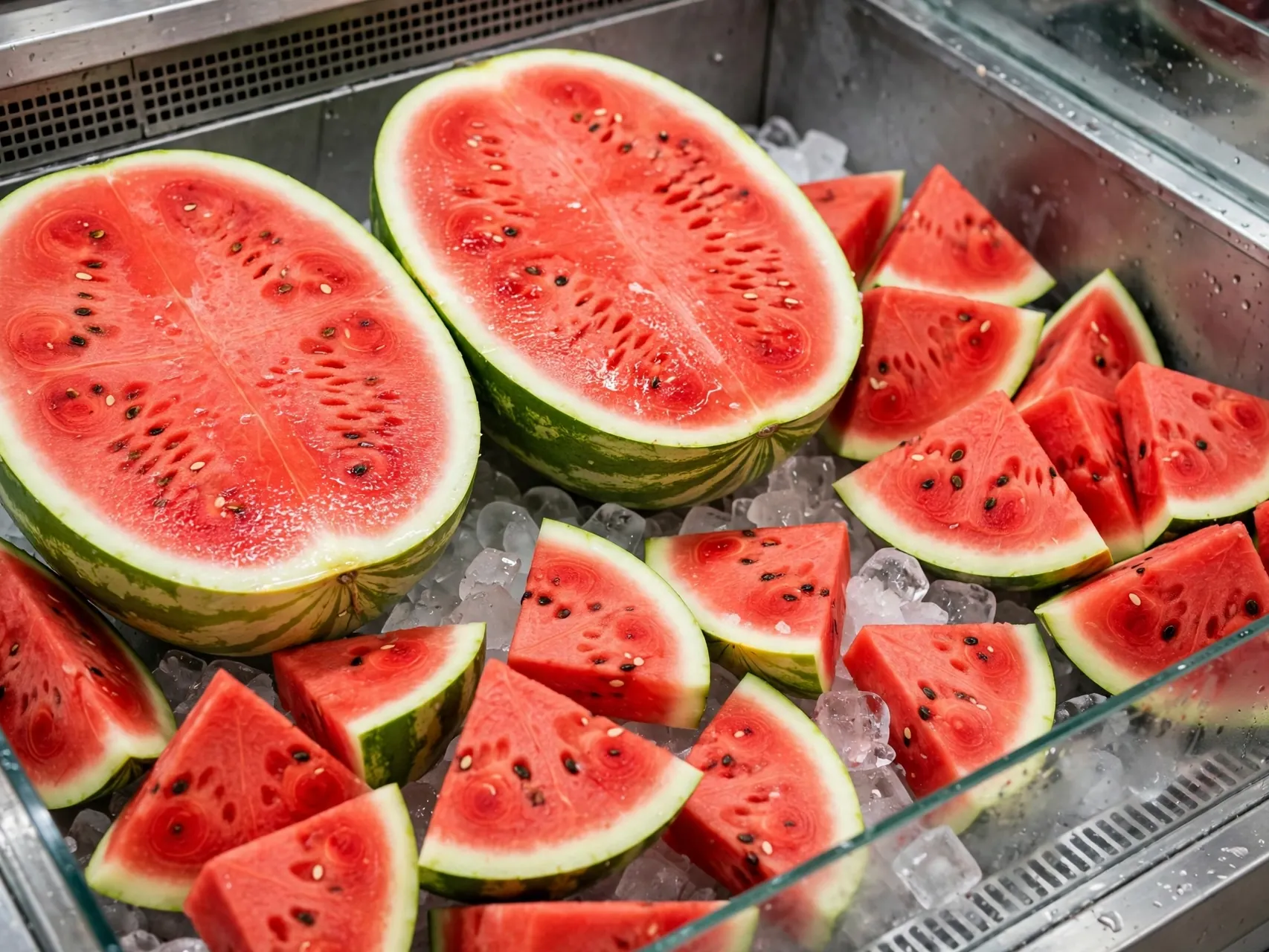
For precut halves and wedges, look for deep colored flesh with little white streaking, and a thin band of white rind. Ohio State guidance notes that more red flesh and less white rind points to a riper melon in precut pieces.
Check that precut melon is kept cold, looks moist but not slimy and has no sour smell. Kansas State food safety guidance stresses buying precut melon cold and refrigerating it promptly, since cut melon can support bacterial growth if it sits warm.
18. Skip Melons With Cracks or Soft Ends

Cracks, soft blossom ends and weeping spots are deal breakers. They signal damage, overripeness or decay that you cannot fix by trimming, and the flavor in the rest of the melon is rarely worth the risk or the price.
A firm melon with a clean rind stores better too, whether it waits a day on the counter or a week in the fridge. Save the bargain bin gambles for produce you cook. For a fruit you eat raw and share with kids, choose sound fruit.
19. Wash and Scrub Before You Cut
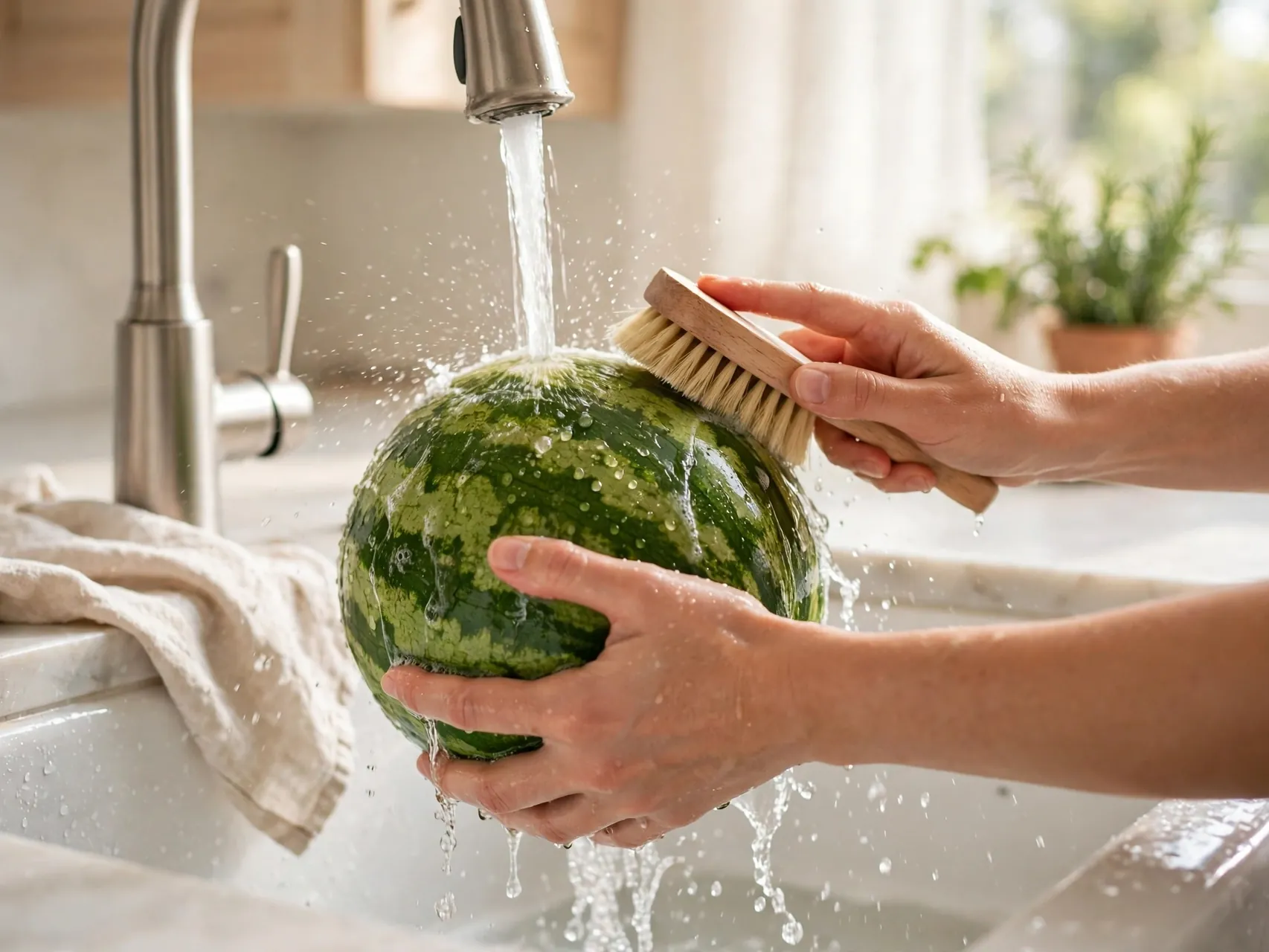
However well you picked, wash the outside before the knife goes in. FDA style guidance repeated by extension sources says to scrub firm produce like melons with a clean produce brush under running water, then dry with a clean towel or paper towel.
Washing matters because the knife carries surface dirt and bacteria from the rind into the flesh as you cut. Wash your hands, knife and board too. This simple step is part of picking well: the sweetest melon still needs safe handling to enjoy.
20. Store the Whole Melon Cool, Not Cold Too Soon
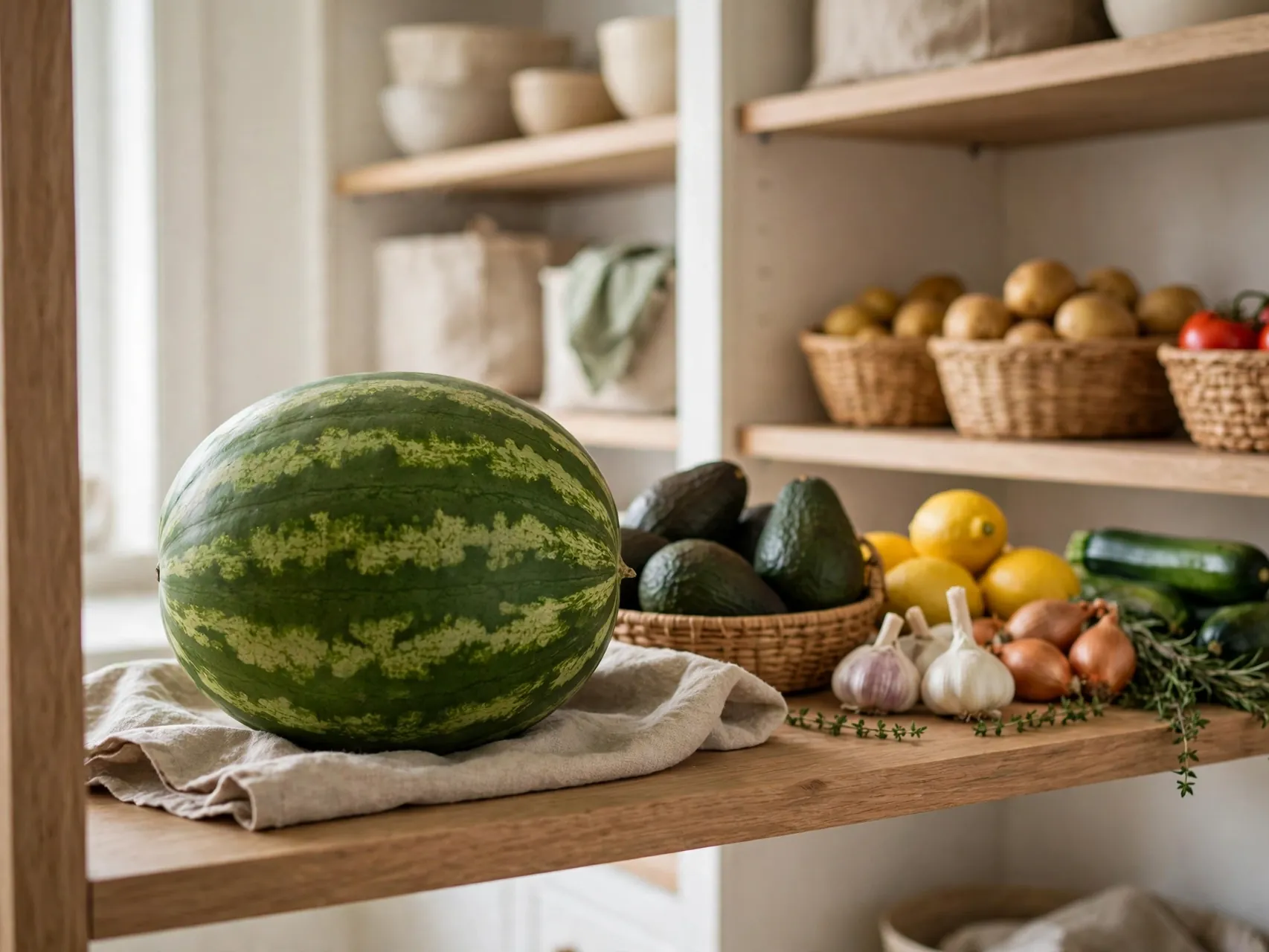
Whole melons keep best around 50 to 60 degrees Fahrenheit, where University of Minnesota Extension lists a shelf life of about 2 to 3 weeks. At room temperature most melons hold quality for about a week, less in a hot kitchen.
Very cold storage below about 45 degrees can cause chilling injury over time, with pitting and flavor loss. A cool pantry or basement corner suits whole melons, then chill the melon before serving for that crisp, cold bite everyone wants at a cookout.
21. Refrigerate Cut Melon Promptly and Use It Fast
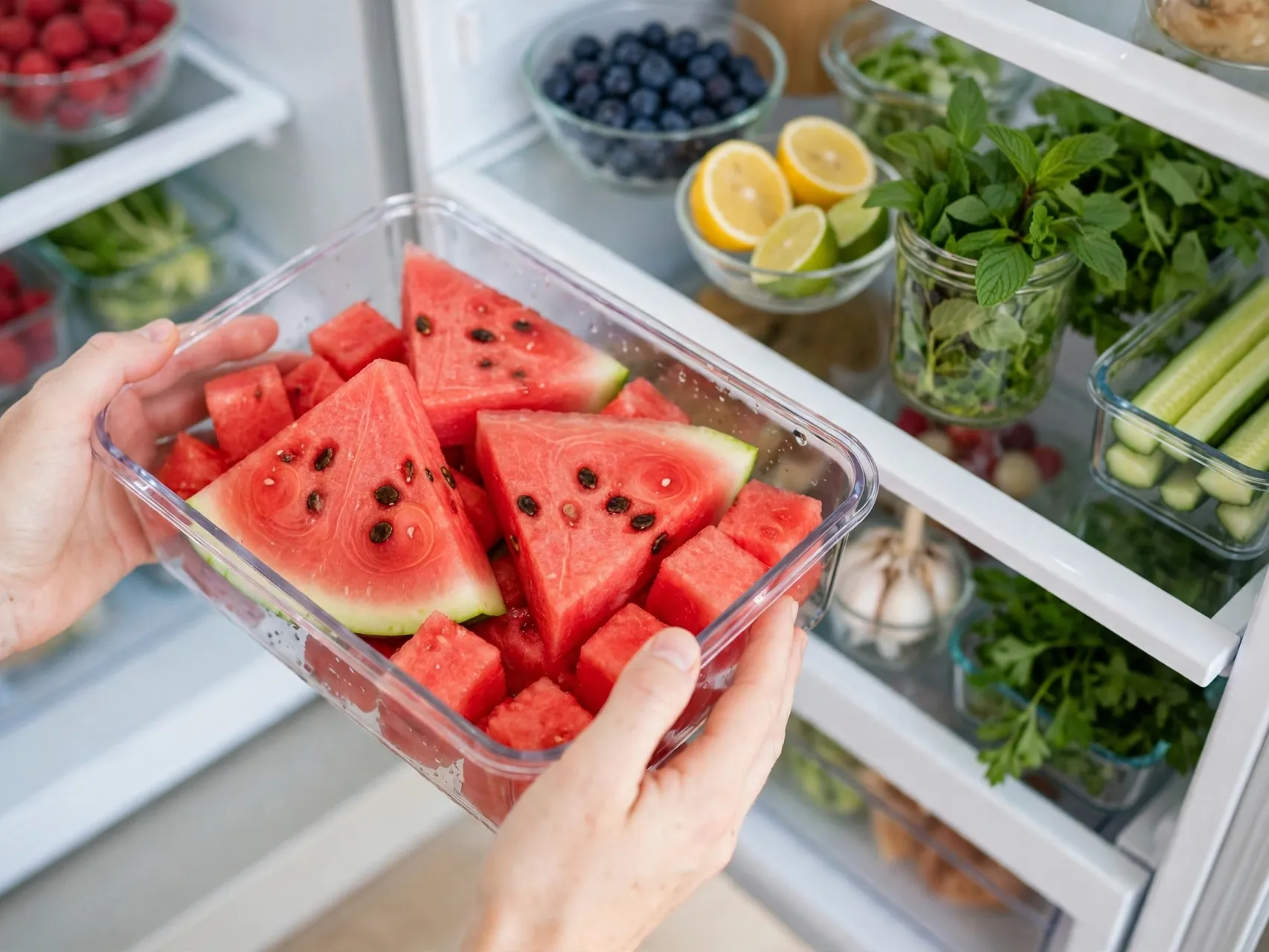
Once cut, cover melon tightly and refrigerate it at 40 degrees or below. Iowa State Extension guidance advises storing cut watermelon cold because bacteria grow faster at warmer temperatures, and most guidance suggests eating cut melon within 3 to 4 days for best quality and safety.
Do not leave cut melon out for more than 2 hours at a picnic, or 1 hour on a very hot day. Serve it on ice, return leftovers to the cooler quickly and throw out pieces that have sat out too long. Sweet and safe beats sorry.
22. Trust Agreement Between Three Checks

No single cue is perfect, so let the checks vote. Field spot creamy yellow, rind dull, weight heavy for size: when three signs agree, that melon is very likely ripe, sweet and juicy, whichever store or stand you are shopping at.
If the signs disagree, keep looking. There is almost always another melon in the bin that passes cleanly. Learning how to pick a ripe watermelon is really learning patience: thirty extra seconds of checking saves a whole fruit from the compost bin.
FAQ
What is the single best sign of a ripe watermelon?
The field spot is widely treated as the most reliable single sign. Look for a large, creamy to golden yellow patch where the melon rested on the ground. A white or pale green spot means it was likely picked too early.
Does watermelon ripen after picking?
No. Watermelon does not get sweeter after harvest, which is why extension guides stress picking at full field maturity. It may soften over time in storage, but the sugar level stays essentially what it was on the vine.
Is the thump test accurate?
It helps, but extension specialists treat it as a secondary check. A ripe melon tends to give a dull, hollow sound, while unripe fruit sounds higher pitched. Always confirm with the field spot, dull rind and weight before you decide.
How long does a whole watermelon last?
At about 50 to 60 degrees Fahrenheit a whole melon can keep for 2 to 3 weeks, per University of Minnesota Extension postharvest guidance. At warm room temperature, plan on about a week. Once cut, refrigerate and eat within 3 to 4 days.
Should I wash a watermelon before cutting it?
Yes. Scrub the rind with a clean produce brush under running water and dry it before cutting, so the knife does not carry surface bacteria into the flesh. Wash your hands, knife and cutting board as well.
Key Takeaways
- Field spot first: Creamy yellow and fairly large beats white or pale green every time.
- Dull and heavy wins: A dull rind and heavy feel for size signal juicy, mature flesh.
- Sound is a tie breaker: Use the thump test last, after spot, skin and weight agree.
- It will not sweeten later: Pick ripe at the store or in the garden, because sugar is set at harvest.
- Wash before cutting: Scrub the rind, dry it, then cut with clean tools for safe serving.
- Chill after cutting: Refrigerate cut melon promptly and enjoy it within a few days.
Save this guide to Pinterest for later, and pin it before your next market trip so a sweet melon is always the one you bring home.