22 Feng Shui Bedroom Tips for Better Sleep and Good Energy
Introduction
A feng shui bedroom is arranged following feng shui, a long standing Chinese design tradition that works with layout, balance and the flow of a room to create a calm, supportive space for rest. People who enjoy this practice use it as a framework for thoughtful, uncluttered and balanced bedroom design.
It helps to be clear about what this article is and is not. Feng shui is presented here as a design tradition and personal practice, not as proven science, and none of these tips guarantee better sleep or health outcomes. Many of them overlap with plain good design, clear floors, soft light, a solid bed and low clutter, which feel restful for simple practical reasons too.
Start with bed placement, then work through balance, color, light and clutter in that order. Small changes made in the traditional sequence are easier than a full room overhaul, and you can stop at the point where the room feels right to you.
Take what serves your space and your comfort, and adapt the rest. The tradition itself values harmony with the room you actually have, awkward corners and all, over rigid perfection.
1. Place the Bed in the Commanding Position

In feng shui tradition, the commanding position is the foundation of bed placement feng shui. The bed sits diagonally across from the door, or at least angled so you can see the door from your pillow without being directly in line with it.
Practitioners say this position helps the sleeper feel settled and aware of the room. Practically, it also avoids the draft and traffic line of the doorway. If your room shape fights this layout, get as close as you can rather than forcing a bad fit.
2. Avoid Feet Pointing Straight at the Door

Tradition advises against sleeping with your feet pointing directly out the bedroom door, a layout sometimes called the coffin position within the practice. The guidance is to angle the bed or shift it to one side so the doorway is visible but not aligned with the bed.
If moving the bed is impossible, practitioners often suggest a bench, a low dresser or a screen at the foot of the bed as a buffer. Treat this as a tradition based preference and choose what feels comfortable in your room.
3. Use a Solid Headboard Against a Solid Wall

A firm, solid headboard attached to the bed and placed against a solid wall is a core feng shui bedroom layout recommendation. Within the tradition, it symbolizes support and stability for the sleeper, and wood or upholstered headboards with soft edges are usually preferred.
Avoid placing the bed under a window when you can, since the tradition views a window behind the head as less supportive. If a window is unavoidable, a tall, solid headboard and good curtains are the usual practical compromise.
4. Leave Space on Both Sides of the Bed

Balanced access matters in this tradition. Leave walking space on both sides of the bed rather than pushing one side against a wall, so the layout feels equal and the energy of the room, in feng shui terms, can circulate around the bed.
Even a modest gap is treated as better than none in a small room. Practically, equal access also makes bed making, cleaning and night time movement easier for both sleepers, which supports a calmer room in everyday terms.
5. Pair Nightstands and Lamps for Balance
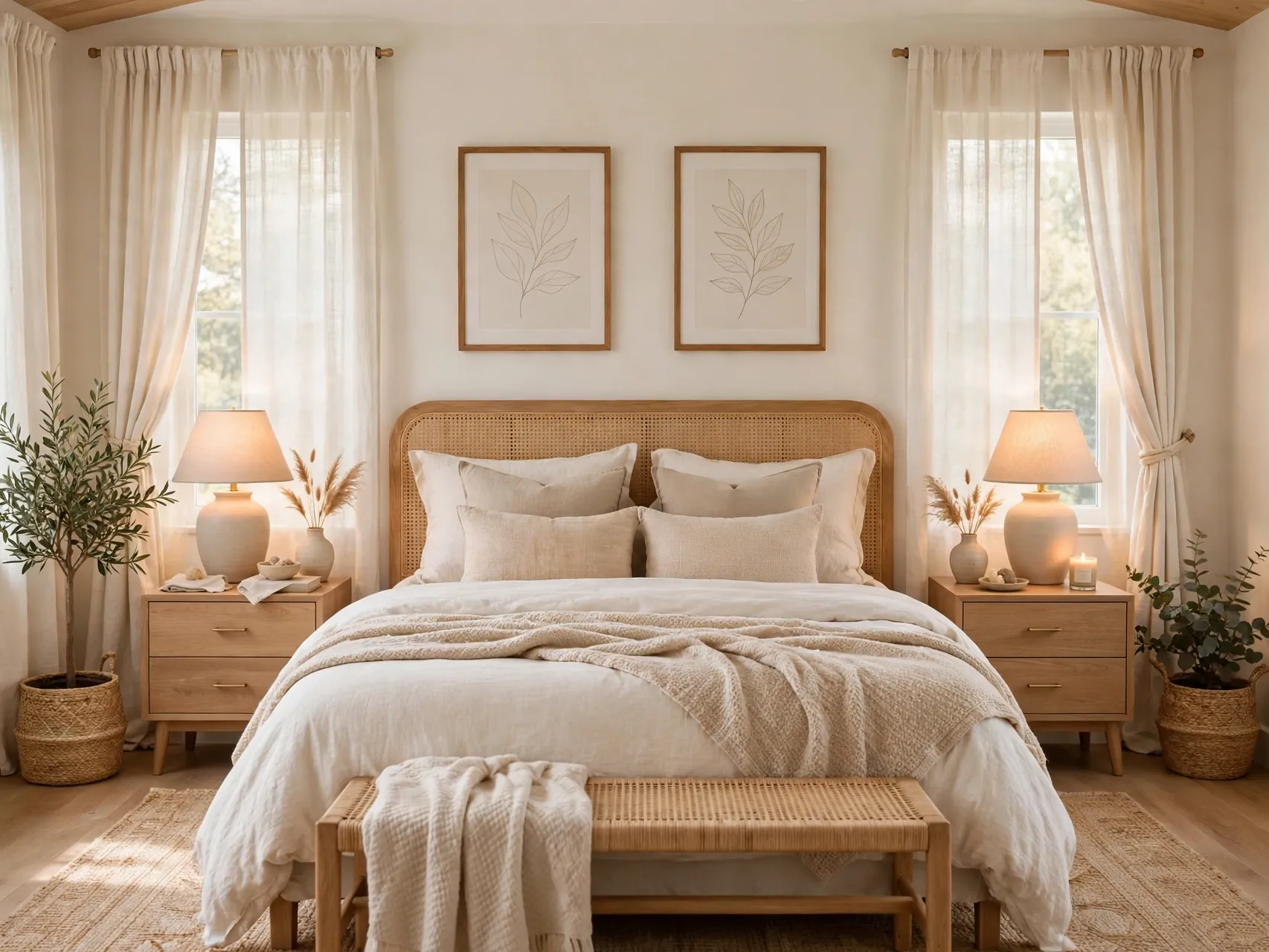
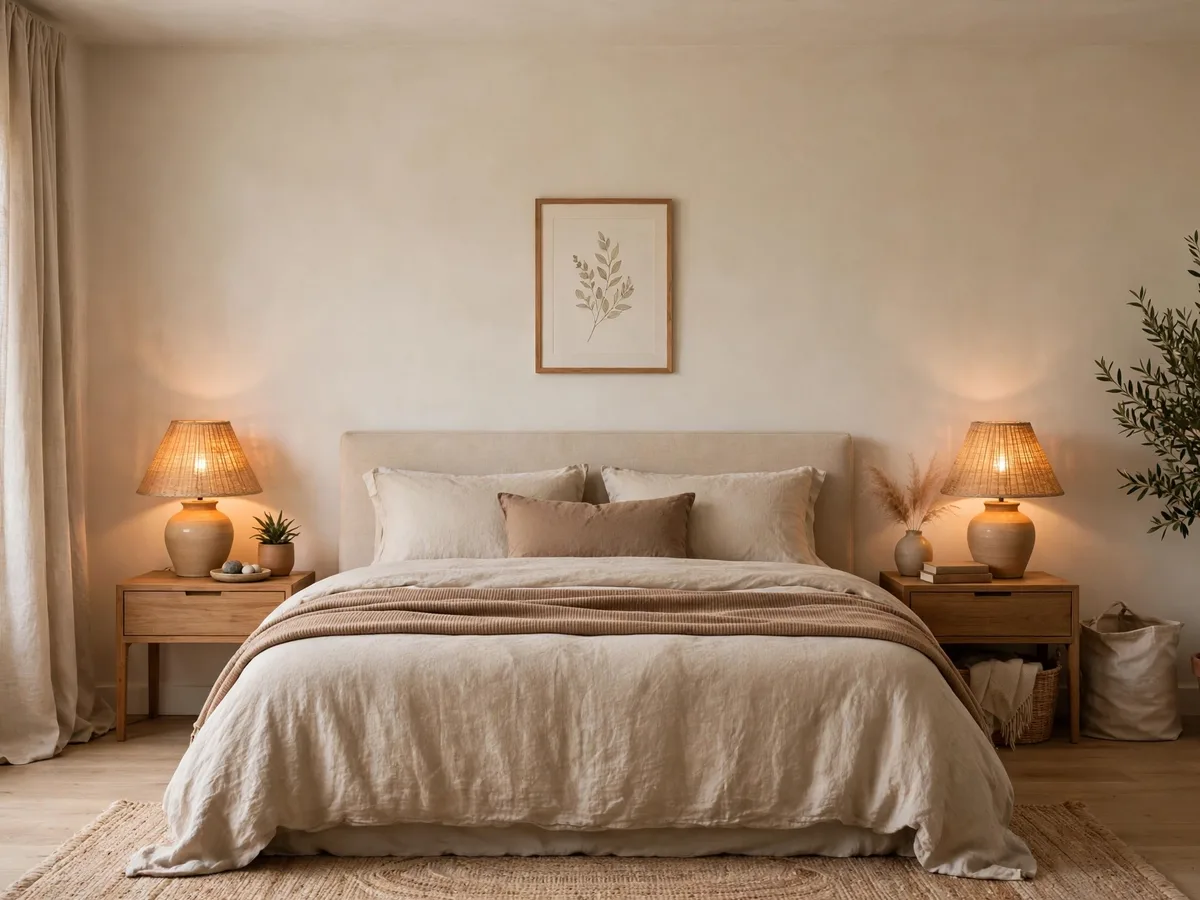
Pairs are a recurring theme in a feng shui bedroom, especially in a shared room. Matching, or at least visually balanced, nightstands and lamps on both sides of the bed are used to express equality and harmony within the tradition.
The pair does not need to be identical in a strict sense. Similar height, weight and light level achieve the visual balance the practice aims for, and they keep the bed wall looking calm and intentional in photos and in person.
6. Clear Clutter From the Whole Room

Clutter clearing is the step almost every practitioner puts first. In feng shui terms, clutter is described as stagnant energy, and the bedroom is kept as clear as possible, surfaces, floors and corners included, to keep the room feeling open.
Whatever you think of the energy framing, a clear room is simply easier to rest in and to clean. Start with the floor and the tops of dressers, give everything a home, and let the bedroom store rest related items only.
7. Keep Under Bed Storage Soft or Empty

Traditional guidance prefers the space under the bed to be empty, or to hold only soft, rest related items like spare bedding in a clean container. Sharp, heavy or emotionally loaded storage, like paperwork and exercise gear, is usually kept elsewhere.
If you need under bed storage in a small home, keep it organized, clean and limited to calm categories. A tidy, closed container respects both the tradition and the practical need for storage in real apartments and houses.
8. Choose Soft, Skin Tone Inspired Colors

Feng shui bedroom colors for rest usually start with a calm base of warm neutrals, soft whites, beige and gentle earth tones, sometimes described within the practice as skin tone inspired shades that feel grounding and quiet.
Small accents of soft green, pale blue or muted rose can be added through bedding and art. Bright, highly stimulating colors are generally used sparingly in this tradition for bedrooms. As always, test paint in your own light before committing.
9. Layer Soft, Warm Lighting

Harsh overhead light is considered too active, or yang, for a restful bedroom in feng shui terms. The tradition favors layered, warm and dimmable light, bedside lamps, a soft floor lamp and low light in the evening to signal wind down time.
Practically, warm lamps also flatter every color in this article and make the room feel kinder at night. If you keep one overhead fixture, a dimmer or a warm bulb softens its effect in line with the practice.
10. Move Work Out of the Bedroom

Desks, laptops, paperwork and exercise equipment are usually removed from a feng shui bedroom, because within the tradition they carry the active energy of work and effort into a room meant for rest and recovery.
If your bedroom must hold a work corner in a small home, practitioners suggest screening it at night, closing the laptop fully, and clearing papers into a closed box. The visual separation is the point, even when a separate room is not possible.
11. Limit Electronics Near the Bed
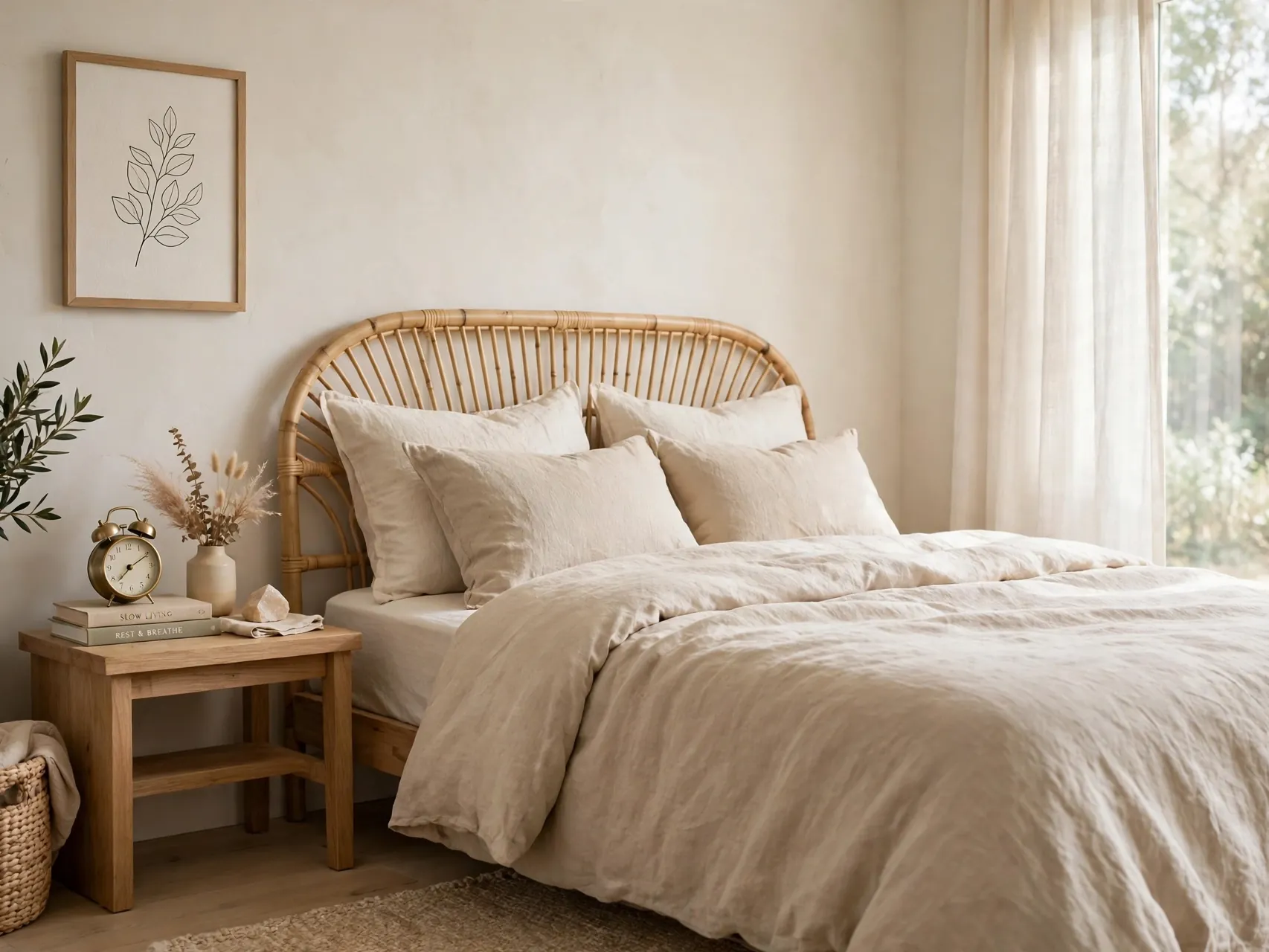
Many practitioners advise keeping televisions out of the bedroom and charging phones away from the pillow, at a dresser or just outside the door. In the tradition, this protects the quiet, yin quality the bedroom is meant to hold.
It also matches common sleep comfort advice to reduce light and notifications at night, though that is a separate, practical point. Start with the phone distance change, which most people find the easiest and most noticeable shift.
12. Place Mirrors With Care

Mirrors facing the bed are traditionally discouraged in a feng shui bedroom, because the practice holds that they bounce energy around the room and can feel unsettling during the night. Mirrors are usually placed where they do not reflect the bed.
If a mirrored closet door already faces your bed, a curtain panel, a screen or simply keeping it closed and covered at night are common compromises. Follow your own comfort here, some sleepers are unbothered, others strongly prefer the cover.
13. Keep Doors and Pathways Clear

In this tradition, doors should open fully without hitting furniture or storage, and the path from door to bed should stay clear so movement through the room feels easy and unblocked. Closet and bathroom doors are often closed at night by practitioners.
Practically, clear pathways are also safer for night time trips in the dark. Check the route you actually walk at 2 a.m. and move anything your feet could find the hard way.
14. Choose Calm, Paired Artwork

Artwork in a feng shui bedroom is chosen for feeling first: calm landscapes, gentle abstracts and images you are glad to see on waking. For shared rooms, the tradition often favors paired images or objects to echo balance and partnership.
Avoid lonely, chaotic or sad imagery over the bed if you follow this practice, and hang art securely at a comfortable height. What matters most is that the first and last images of your day feel peaceful to you personally.
15. Use Natural Materials in Bedding

Natural fibers like cotton, linen and wool are preferred in this tradition for bedding and textiles, because they are seen as grounding and comfortable against the skin. Layers are kept neat and inviting rather than piled and messy.
Choose the best quality you can maintain, wash bedding regularly, and keep the bed made in a simple, smooth way. A calm looking bed is central to the whole feng shui bedroom layout, both visually and as a nightly routine.
16. Add One Healthy Plant, Placed Thoughtfully

Guidance on plants varies between practitioners. Some keep plants out of the bedroom, others welcome one healthy plant placed away from the bed, like on a windowsill or dresser, for a touch of living green. There is no single rule every school follows.
If you include a plant, keep it healthy and well tended, since a struggling plant helps neither the look nor the spirit of the tradition. A small, calm corner placement is the most common middle path people choose.
17. Soften Sharp Corners Pointing at the Bed

Furniture corners aimed directly at the bed are sometimes called poison arrows within feng shui writing. The usual responses are gentle: angle the piece, soften the corner with a cloth or a plant, or choose rounded furniture for pieces close to the bed.
You do not need to replace good furniture for this tip. Small shifts in angle and placement solve most cases, and rounded nightstands and lamps near the bed are an easy win when you next buy pieces.
18. Keep the Bed Away From Beams and Sloped Ceilings

Traditional advice avoids sleeping directly under heavy exposed beams or very low sloped ceilings over the bed, which are described in the practice as creating a sense of pressure above the sleeper. The bed is moved to a clearer section of ceiling where possible.
If the beam cannot be avoided, practitioners sometimes paint it the ceiling color to soften it visually or hang light fabric as a canopy. Prioritize real head clearance and safety first, and treat decoration ideas as secondary.
19. Balance the Five Elements Lightly

Feng shui works with five elements, wood, fire, earth, metal and water, and a balanced bedroom touches them lightly rather than featuring one heavily. In practice this can mean wood furniture, earth tone textiles, a metal lamp, and soft color accents, without a water feature in the bedroom.
Keep this subtle. The goal within the tradition is a room that feels complete and calm, not a themed display. Most well balanced bedrooms already contain several elements without any deliberate shopping trip.
20. Make Fresh Air and Scent Part of the Routine

Fresh air is valued in this practice, and many practitioners open windows regularly to refresh the room. Gentle, natural scents from clean bedding, an open window or a simple room spray are preferred over heavy synthetic fragrance.
Keep scents light in a sleep space and skip anything that irritates you. A clean, aired room supports the calm feeling the whole tradition aims for, and it costs nothing to maintain as a weekly habit.
21. Create a Small Nightly Closing Routine

A short nightly routine puts the tradition into daily habit: clear the floor, close closet and bathroom doors, dim or switch lamps to low, set phones to charge away from the bed, and smooth the bedding for the morning.
Routines like this take five minutes and give the day a clear end point. Many people find the repetition itself relaxing, apart from any feng shui framing, simply because the room resets to the same calm state every night.
22. Fix Small Room Challenges With the Closest Good Option
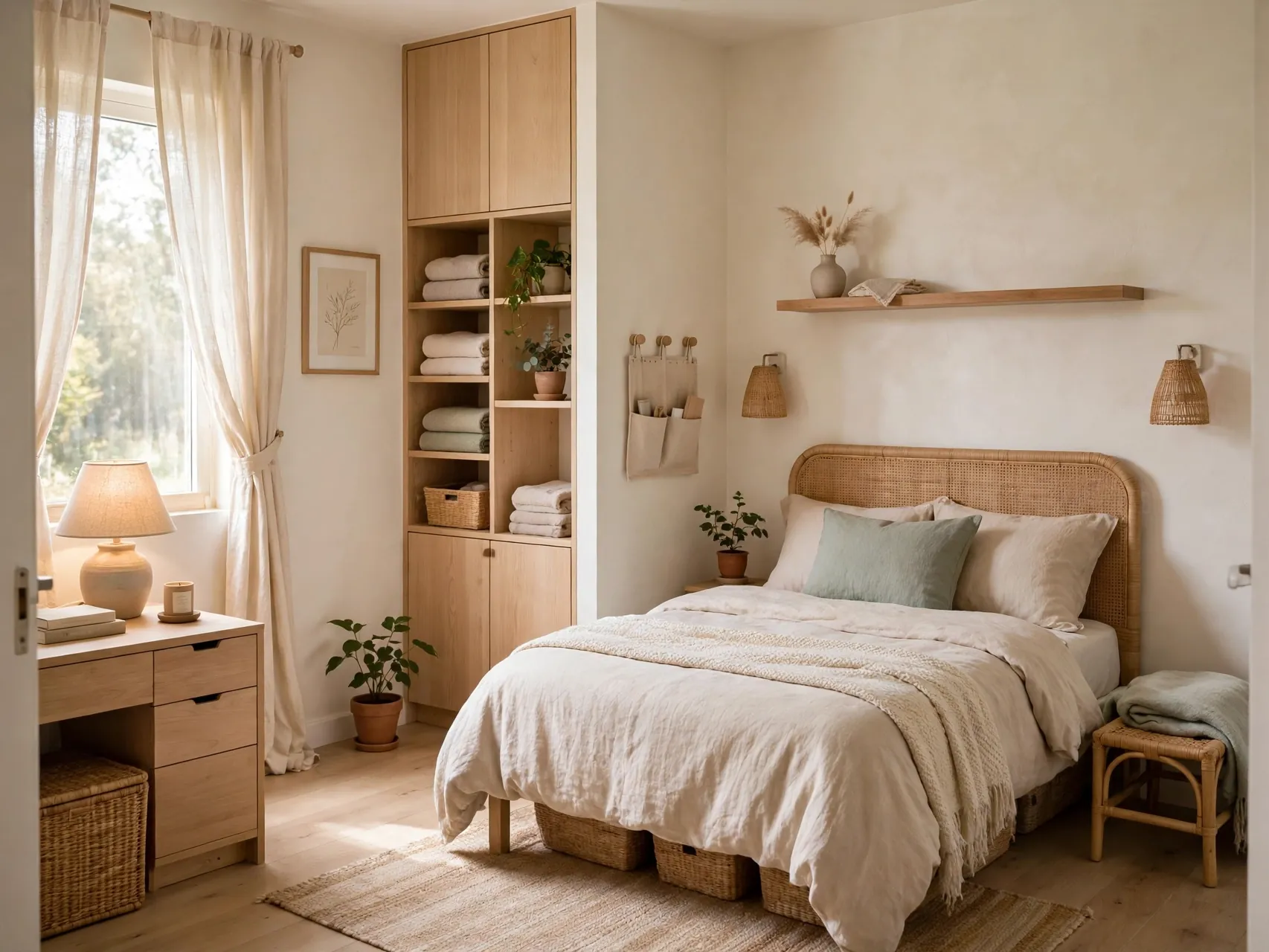
Small and awkward bedrooms rarely allow every rule at once, and practitioners generally prioritize in order: commanding bed position as close as possible, solid headboard support, balanced sides, then clutter and light. Perfection is not the traditional goal, harmony with the real room is.
Use mirrors to see the door if the bed cannot turn, keep gaps small but present, and choose the calmest layout your floor plan allows. A thoughtful best effort honors the practice far more than a forced, uncomfortable layout.
FAQ
What is the commanding position in a feng shui bedroom?
In feng shui tradition, the commanding position places the bed so you can see the bedroom door from your pillow without lying directly in line with it, often diagonally across the room with a solid wall behind the headboard. Practitioners value it as the layout that helps a sleeper feel most settled and aware of the space.
What colors are used in feng shui bedroom colors guidance?
Most guidance starts with calm, warm neutrals, soft whites, beige and gentle earth tones as the base, with small accents of soft green, pale blue or muted rose in bedding and art. Bright and highly stimulating colors are usually limited in bedrooms within this tradition. Always test colors in your own morning and evening light first.
Are mirrors really a problem in a feng shui bedroom?
Within the tradition, a mirror that directly reflects the bed is usually avoided or covered at night, because it is believed to keep energy active when the room should be quiet. Many people simply follow their own comfort. If you sleep fine with a mirror, keep it, if you feel unsettled, a curtain or screen is an easy compromise.
Can I use feng shui in a very small bedroom?
Yes, practitioners adapt the principles to small rooms by prioritizing a near commanding bed position, a solid headboard, small gaps on both bed sides, strict clutter control and soft lighting. A mirror placed to reflect the door view is a traditional workaround when the bed cannot face the right way. Balance and calm are the goals, not perfection.
Does feng shui guarantee better sleep?
No. Feng shui is a design tradition and personal practice, not a proven medical or scientific treatment, and this article makes no guaranteed sleep or health claims. Many of its habits, low clutter, soft light, a clear layout and a calm color palette, are simply pleasant design choices. For ongoing sleep problems, a qualified health professional is the right source of help.
Key Takeaways
- Tradition, honestly framed: Feng shui is a design tradition used here for layout and balance ideas, with no guaranteed sleep or health outcomes promised.
- Bed placement leads: Aim for the commanding position, a solid headboard on a solid wall, no feet straight to the door, and space on both sides of the bed.
- Balance in pairs and calm colors: Paired nightstands and lamps plus warm neutral, earth led colors create the quiet symmetry this practice values.
- Clear, soft and work free: Clutter cleared, under bed space kept soft or empty, electronics and work moved out, and warm layered light in the evening.
- Adapt to your real room: Use the closest good option for mirrors, beams and small layouts, because harmony with your actual space is the point of the practice.
- Trying a calmer bedroom layout this weekend? Save this guide to Pinterest and pin the first tip you will test tonight.