23 Ways to Increase Home Value Without Breaking the Bank
Introduction
You do not need a full renovation to make a home feel more valuable. The projects buyers and guests notice most are often the simplest ones: clean surfaces, fresh paint, working fixtures, and rooms that feel cared for. Learning how to increase home value on a budget is mostly about removing the small doubts that make a home feel tired.
Work in a smart order. Start outside, where first impressions form, then fix anything broken, then refresh kitchens and bathrooms, and finish with light, storage, and staging touches. Each project on this list is chosen because it is affordable, widely appealing, and realistic in a weekend or two.
Be honest about what value means here. No paint color or plant guarantees a higher appraisal, and this guide makes no such promise. What these steps reliably do is make a home look maintained, photograph better, and feel easier to say yes to, whether you plan to sell soon or simply want to enjoy living there more.
1. Deep Clean Every Room Like a Showing Is Tomorrow
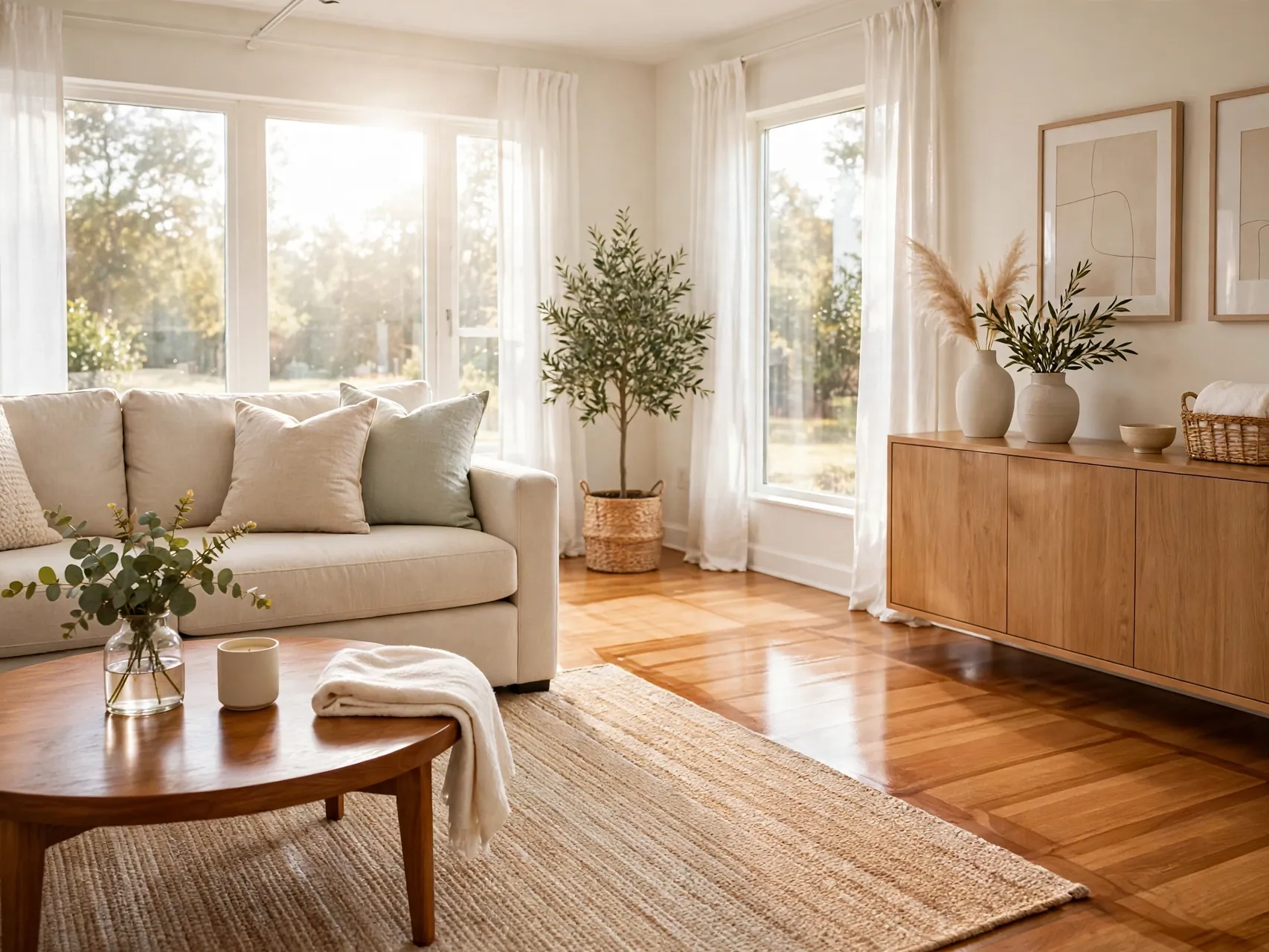
Start with the cheapest value move of all: a true deep clean. Wash windows inside and out, scrub grout, degrease the kitchen, polish appliances, and clean light fixtures so rooms look brighter. Dust ceiling fans, baseboards, and vents, because buyers read dust as neglect. A spotless home signals careful ownership, and that feeling quietly supports every other improvement you make afterward.
Keep a simple before photo of this step. Comparing it later shows progress on slow weekends and reminds you why the small jobs were worth finishing properly.
2. Declutter Surfaces, Closets, and Storage Areas

Clutter shrinks rooms on camera and in person. Clear counters down to a few useful items, halve the contents of crowded closets, and remove extra furniture that blocks walking paths. Use baskets and matching bins so what remains looks intentional. Donate, recycle, or store the rest off site if you are preparing to sell. Spacious, calm rooms consistently feel more valuable than larger rooms filled to the edges.
Work with what you already own first. Shopping your home for baskets, trays, and spare furniture often fills the gap without spending anything at all.
3. Paint Walls in a Warm, Neutral Color
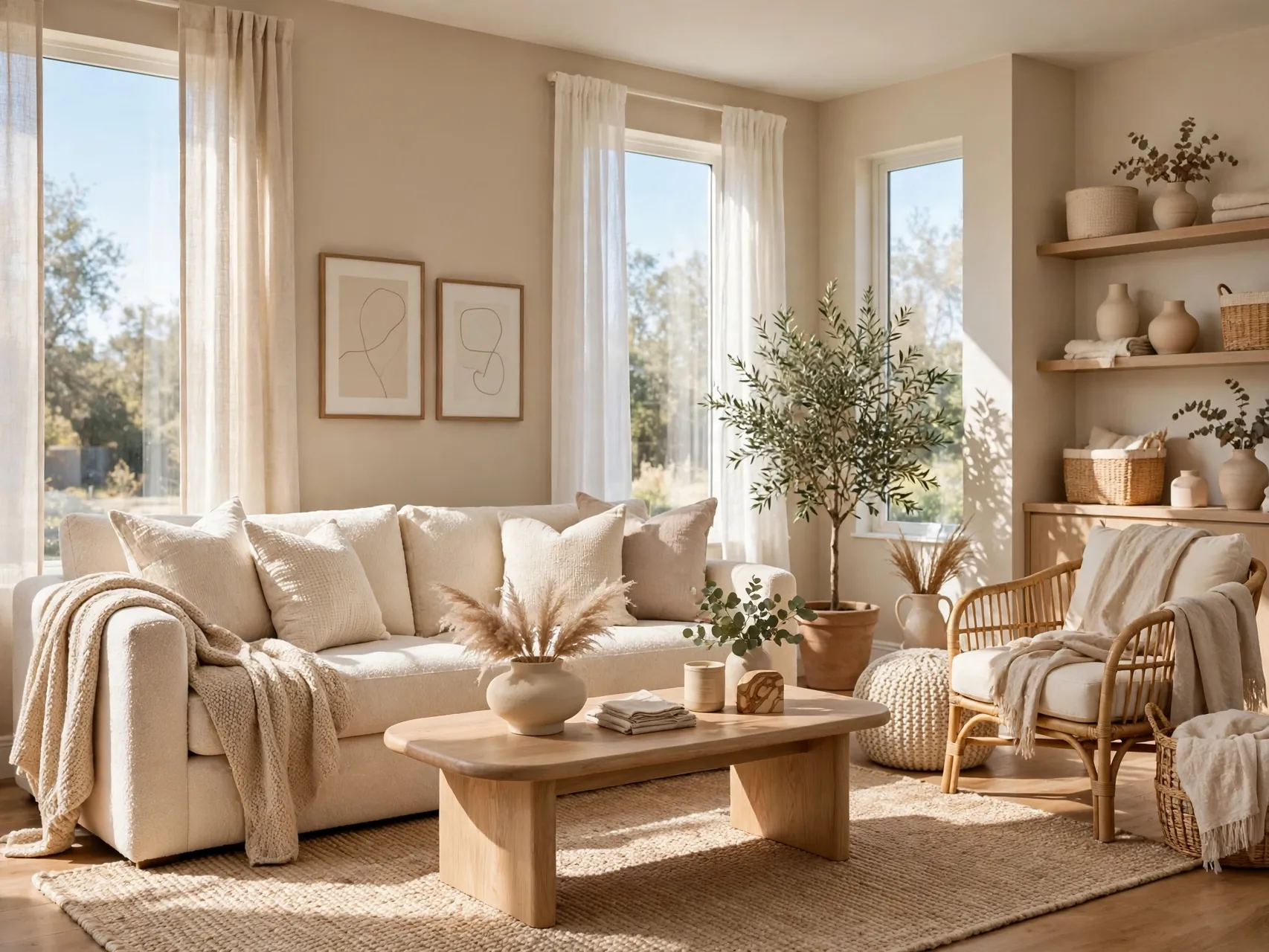
Fresh neutral paint is the classic budget refresh for a reason. It covers scuffs, unifies rooms painted in different eras, and helps buyers picture their own furniture in the space. Choose a warm white, soft greige, or pale gray that suits your light, and test samples on the wall first. Paint one room at a time, including the ceiling line and trim touch ups, for a clean and finished result.
Choose the sample size or smallest pack first when testing a color or finish. A small test now is far cheaper than redoing a whole room later.
4. Refresh the Front Door With Paint and Polish
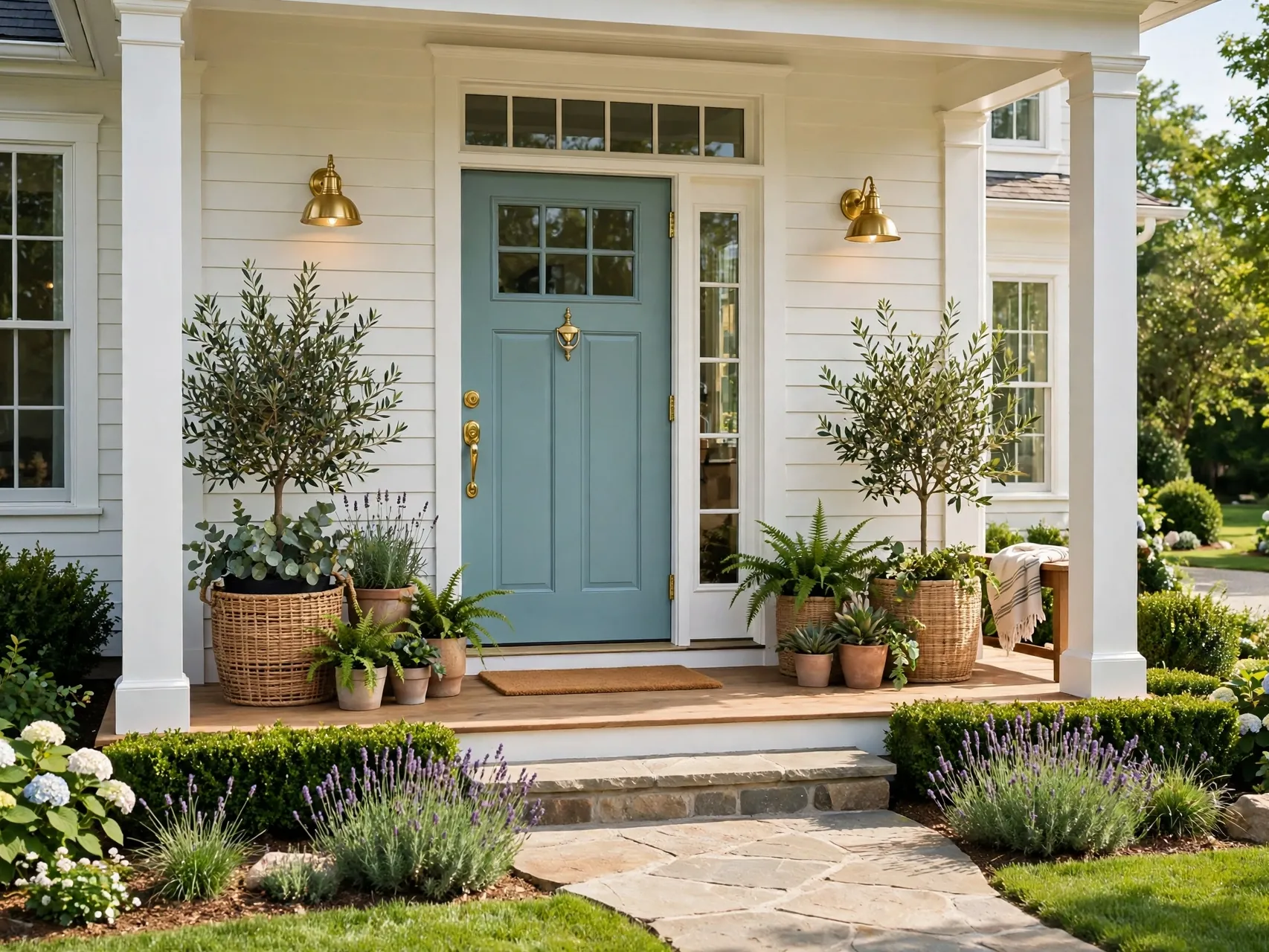
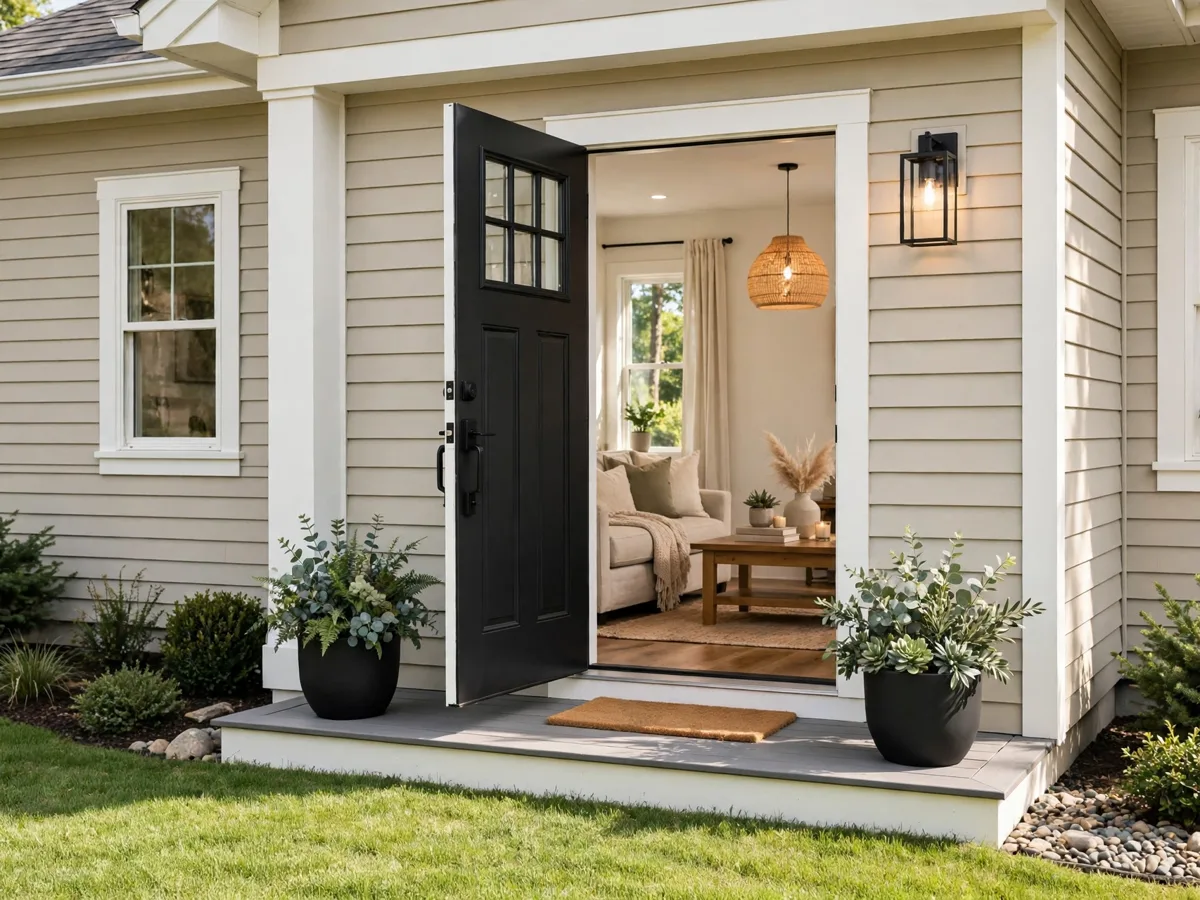
Your front door is a handshake in photo form. Clean it, sand rough spots lightly, and paint it in a classic color that suits the house, such as deep navy, black, sage, or a warm red. Polish or replace the handle and knocker, and add a fresh doormat. If your home was built before 1978, use lead-safe care before disturbing old paint and consider professional help for peeling surfaces.
Stand back at the doorway when you finish and judge the result from there. That first glance is exactly what family, guests, and buyers will remember most.
5. Tidy the Yard, Edges, and Walkways
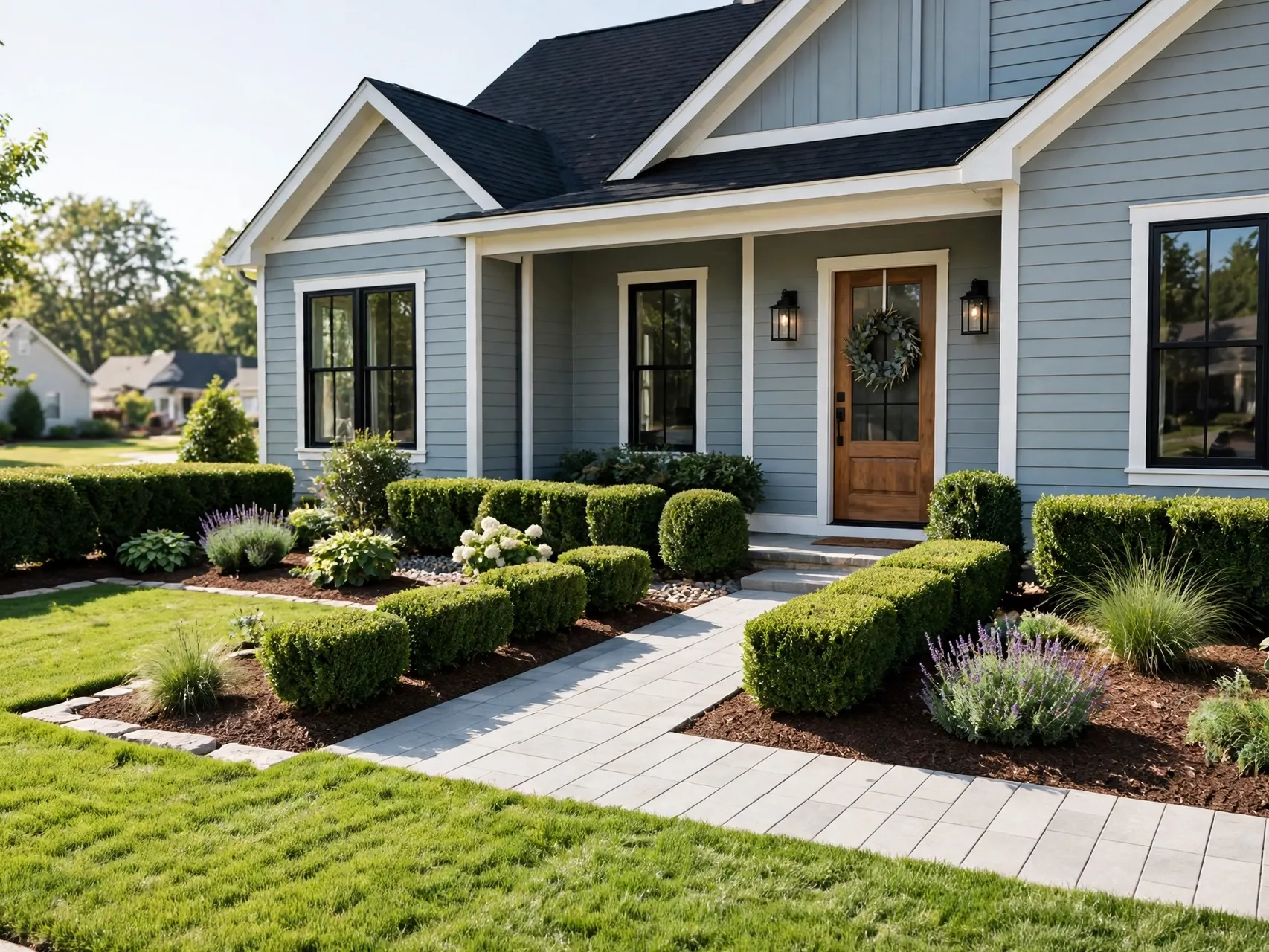
Curb appeal starts with neatness, not landscaping projects. Mow, edge the lawn, trim shrubs away from windows, pull weeds, and sweep the porch and walkway. Pressure wash siding, steps, and the driveway if you can do so safely and without damaging surfaces. Add fresh mulch to beds for an instant groomed look. A tidy exterior tells visitors the whole home is looked after, before they ever step inside.
Photograph the finished spot in daylight before you move on. Good photos help you repeat what worked and spot the one detail still worth fixing.
6. Add Simple, Healthy Plants at the Entry

A pair of planters by the door, a hanging basket, or a row of easy shrubs adds life without a big spend. Choose plants suited to your sun and climate, and keep them watered and trimmed so they look cared for rather than hopeful. In dry or shady spots, quality faux greenery outdoors can still photograph well. Living, tidy planting softens hard edges and makes an entry feel welcoming and established.
Invite a fresh pair of eyes if you can. A friend often notices the scuff, cord, or crowded corner that you have completely stopped seeing at home.
7. Update House Numbers, Mailbox, and Porch Light

Small exterior hardware dates a home faster than almost anything else. Replace faded house numbers with a clean, readable style, refresh or replace a rusty mailbox, and update a tired porch light fixture. Keep finishes consistent, for example all matte black or all brushed nickel, so the entry reads as one designed moment. These pieces appear in every listing photo, which is why such a small spend punches so far above its size.
8. Swap Dated Cabinet Knobs and Pulls
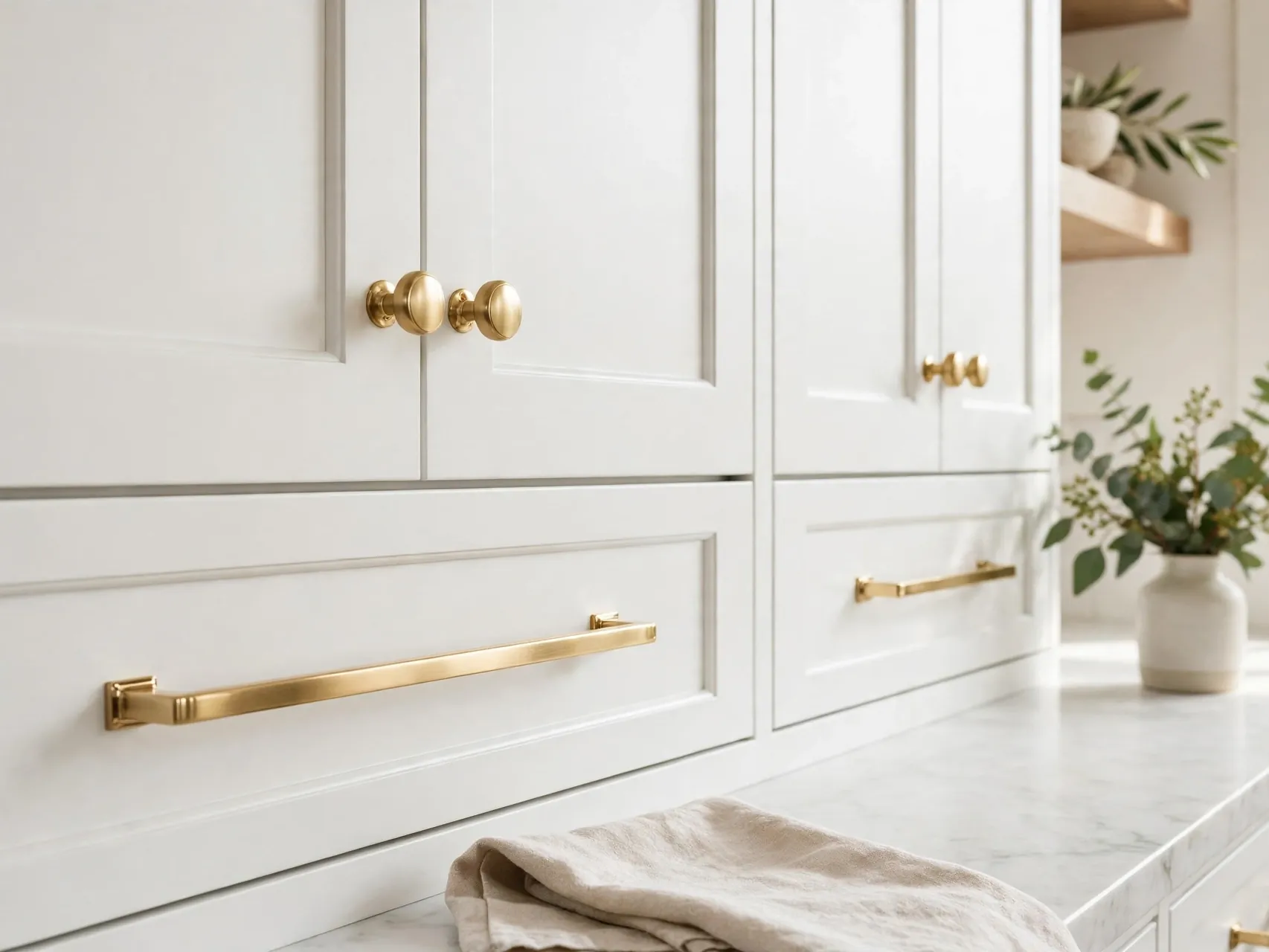
Kitchen hardware is jewelry for cabinets, and changing it takes only a screwdriver. Measure the hole spacing on pulls before you buy, keep every screw, and fit the new set in one sitting for a whole kitchen change. Simple bar pulls or classic knobs in a finish that matches your faucet feel current without chasing trends. If cabinets themselves look tired, hardware plus a deep degrease often buys them a whole new lease of life.
9. Paint or Refinish Kitchen Cabinets Instead of Replacing Them
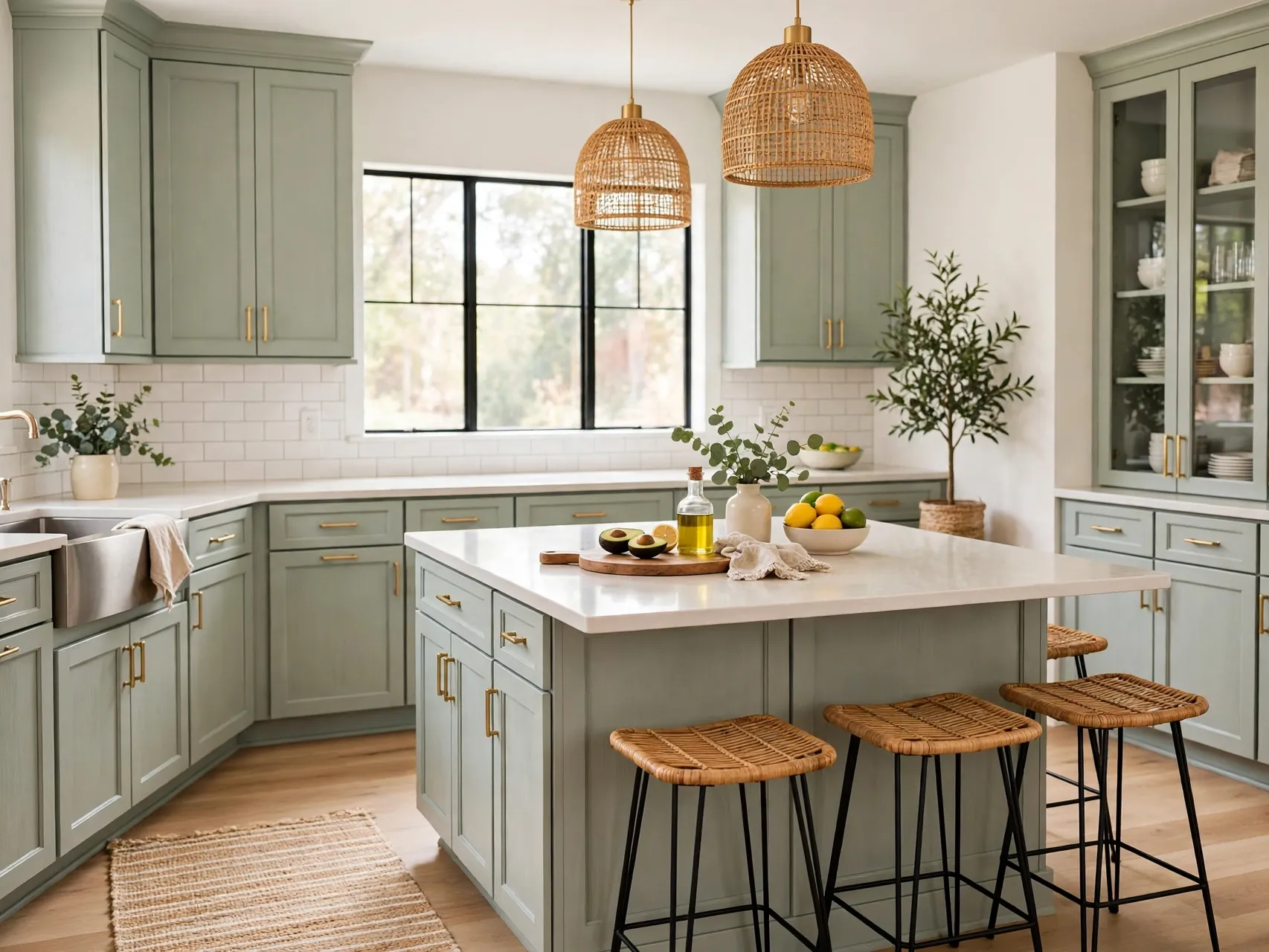
When cabinet boxes are solid, paint is the budget alternative to replacement. Remove doors and hardware, label everything, degrease thoroughly, sand, prime, and use a durable cabinet paint with full curing time between coats. Uppers in white and lowers in a soft color is a forgiving, popular scheme. Done patiently, painted cabinets change listing photos dramatically. Rushed, they chip, so honor the dry times written on the can.
10. Add a Simple Backsplash or Refresh the Existing One
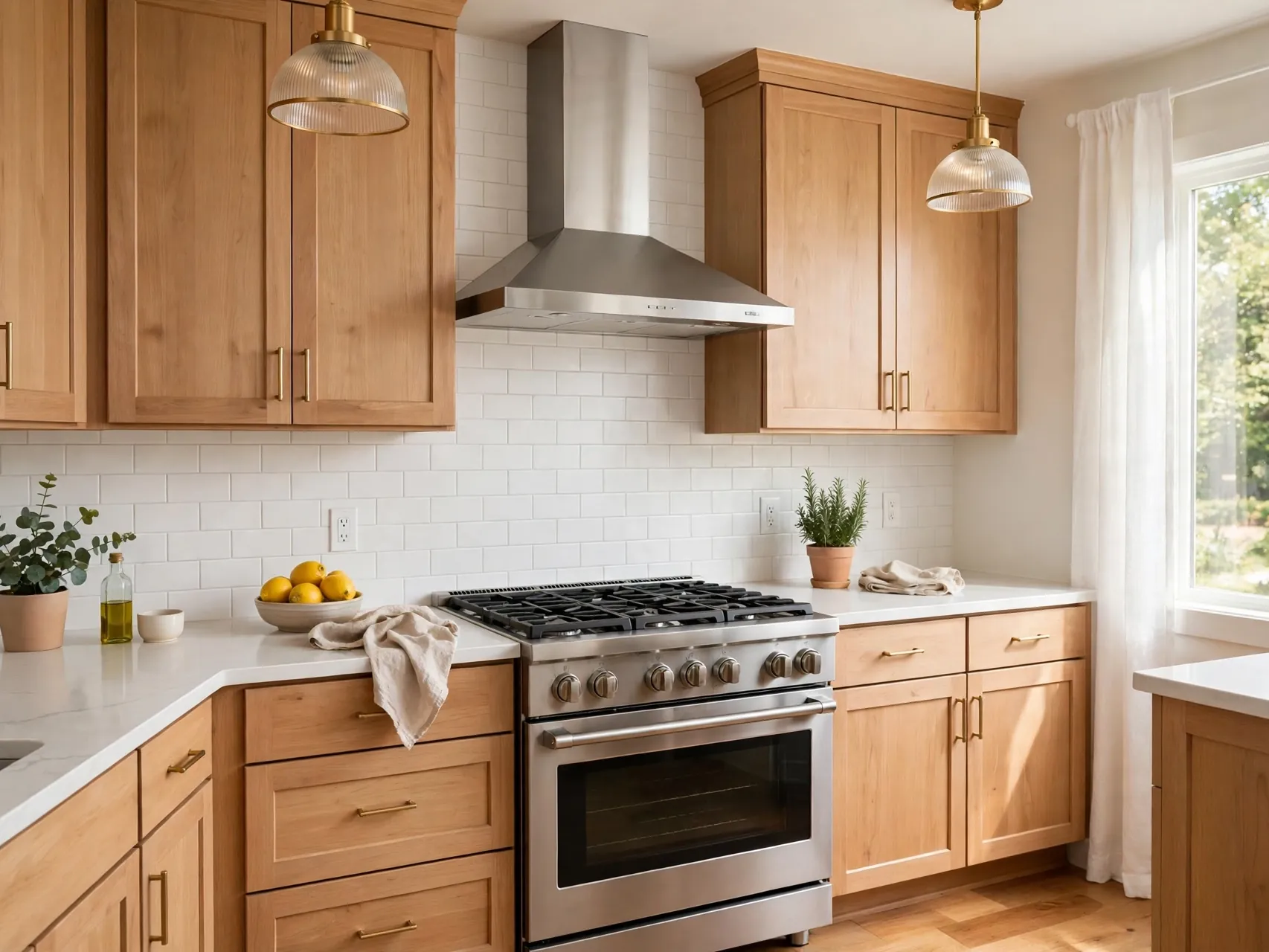
A backsplash fills the visual gap between counters and cabinets, and simple options keep it affordable. Classic subway tile, peel and stick products rated for kitchen use, or a thorough grout clean and re-caulk can all lift the space. Keep the pattern quiet if counters are busy, and busy only if everything else is plain. Clean grout lines and sealed edges matter more than fancy shapes for a cared-for look.
11. Replace a Worn Kitchen Faucet
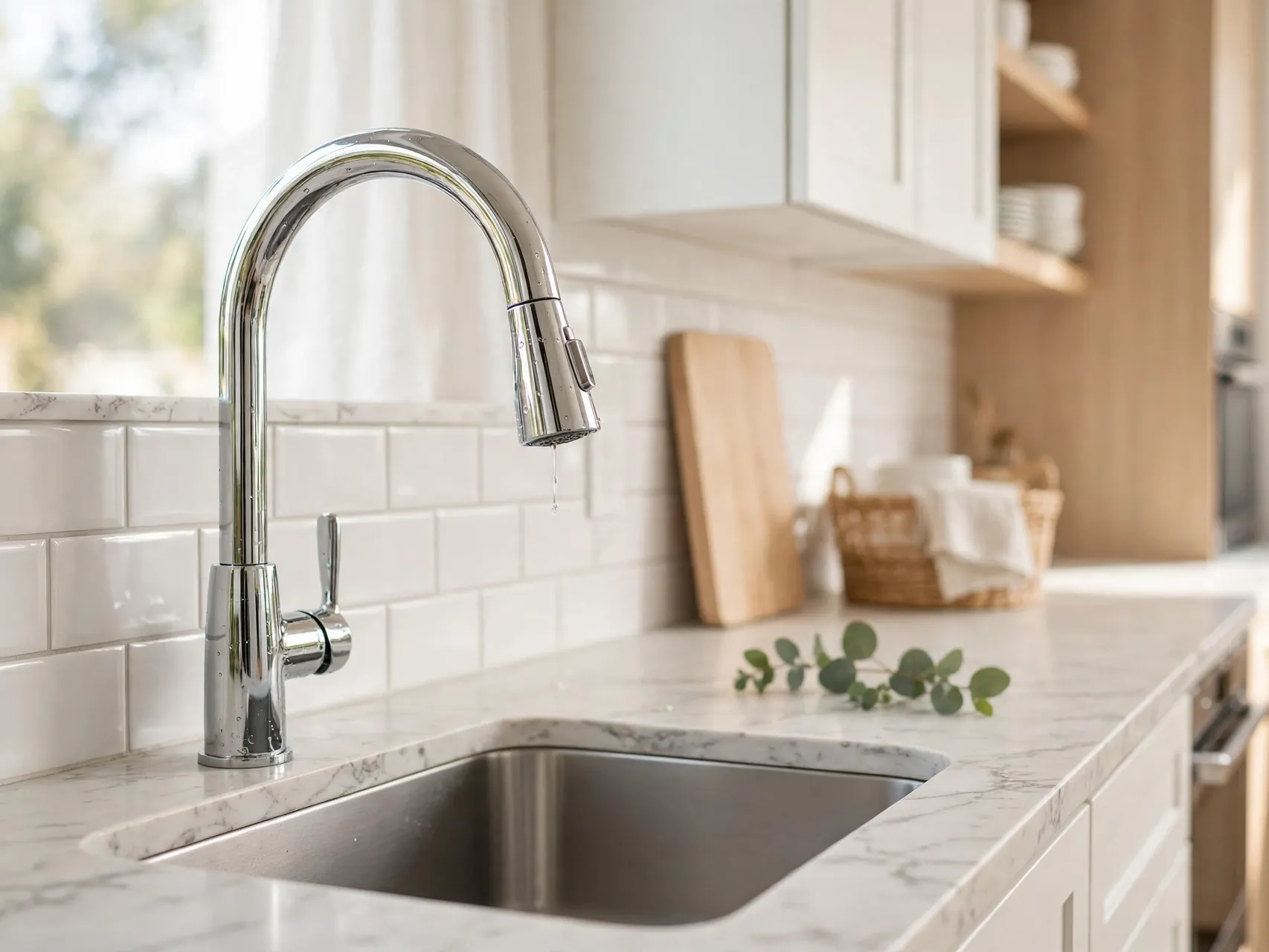
A dripping, corroded, or builder-basic faucet makes the whole kitchen feel older. A single-handle faucet in a finish that matches your new hardware is a contained project for a confident DIYer, and a plumber can fit one quickly if shutoff valves are stiff or corroded. Turn off the water supply before any work and test for leaks afterward. A smooth, shiny, drip-free faucet is a small daily luxury buyers always test.
12. Update Light Fixtures in Key Rooms

Dated fixtures, especially in the entry, dining room, kitchen, and primary bathroom, quietly age a home. Replace the worst offenders with simple, correctly sized fixtures and warm, consistent bulbs throughout. Match metal finishes to nearby hardware for a pulled-together feel. Any wiring work inside boxes belongs to a licensed electrician if you are not fully confident, and power must be off and verified before anyone touches a wire.
13. Add Dimmer-Free Basics: Brighter, Matching Bulbs Everywhere
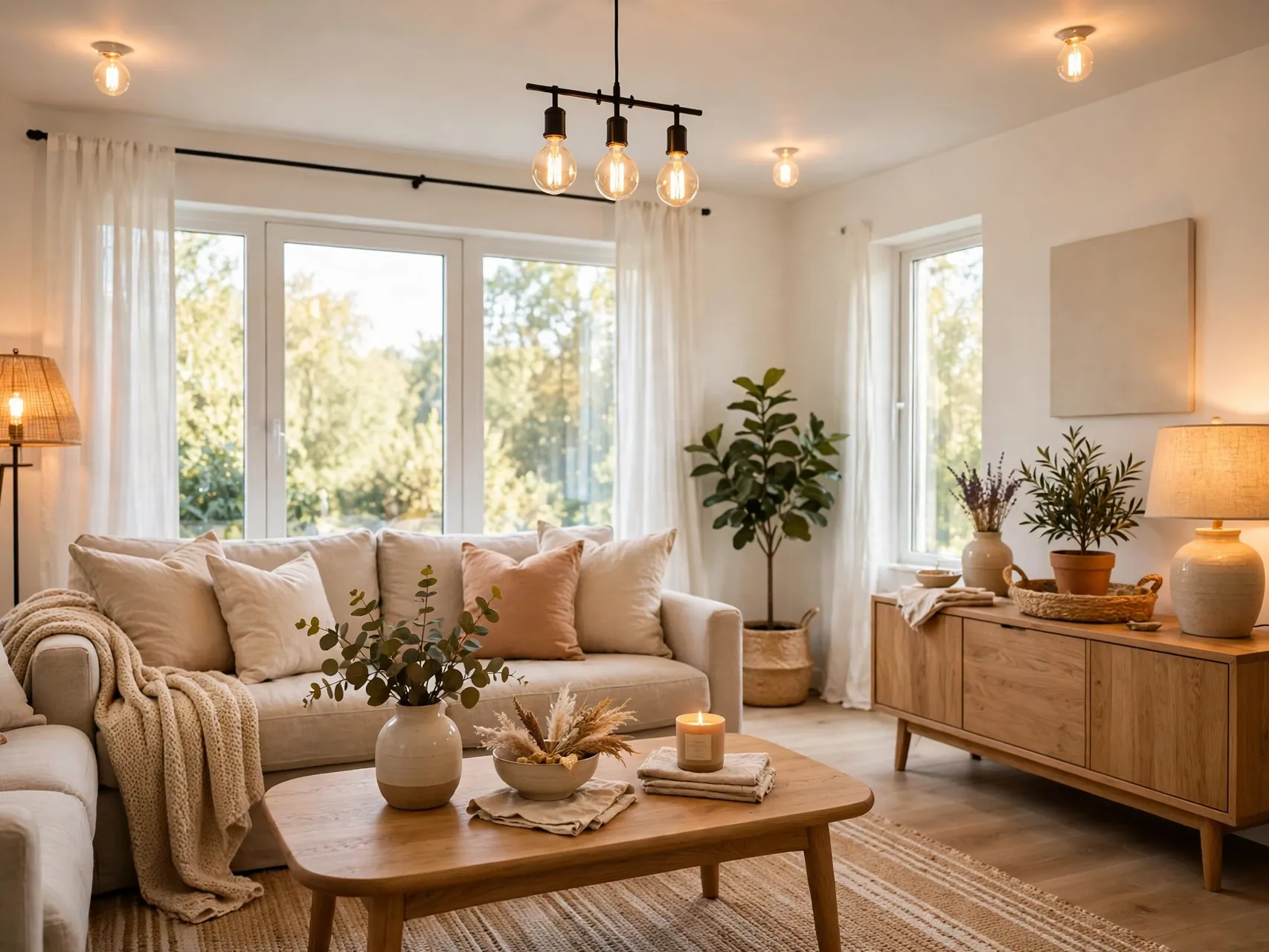
Before buying fixtures, fix the bulbs. Mismatched color temperatures make rooms feel chaotic in photos and in person. Choose one warm tone for living spaces, replace burned-out bulbs, and clean glass shades so light actually reaches the room. Brighter kitchens and bathrooms feel cleaner and larger. This is one of the lowest cost changes on the list, and its effect on evening viewings and photos is immediate.
14. Regrout, Recaulk, and Deep Clean Bathrooms
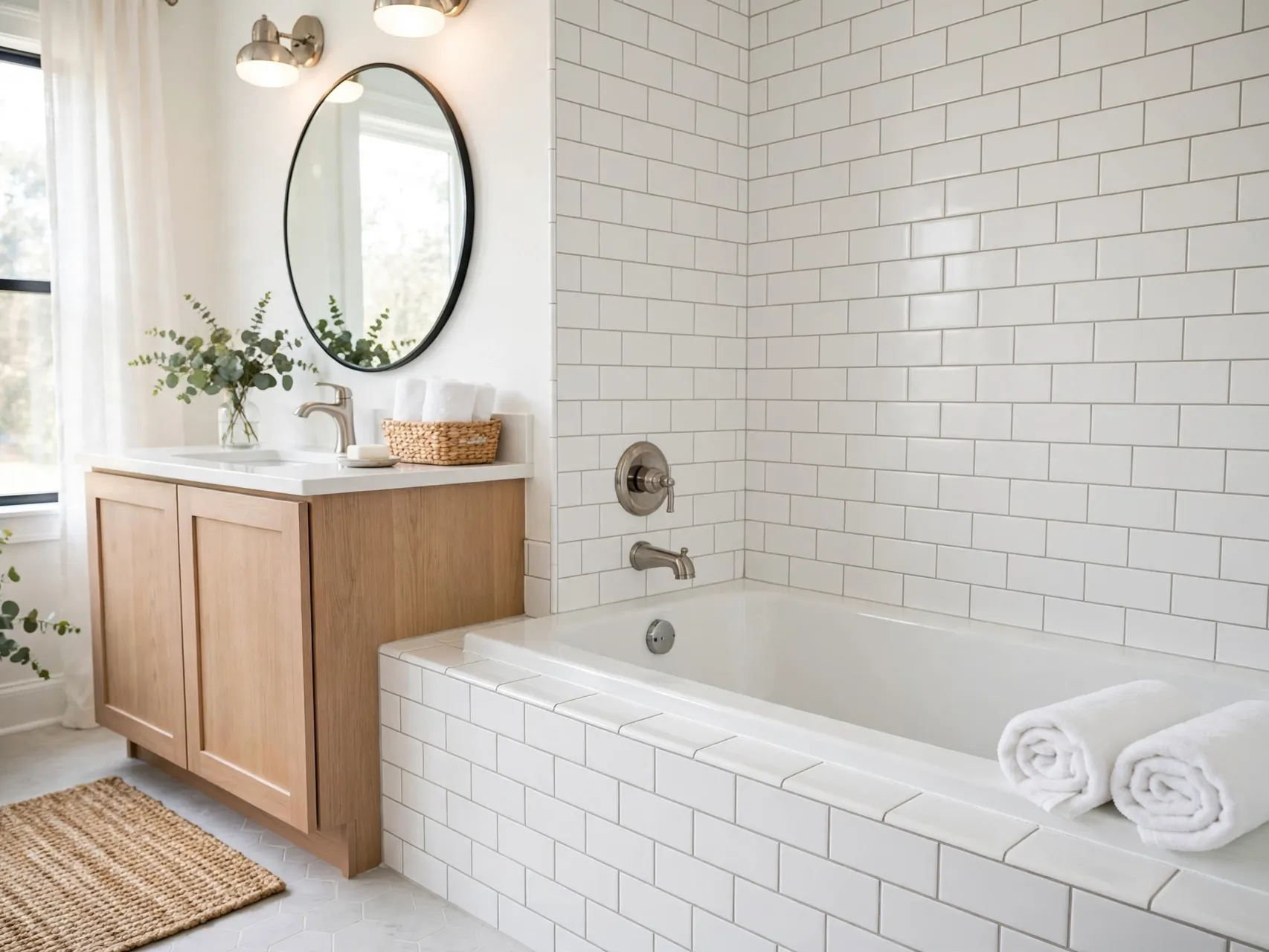
Bathrooms sell care. Scrub or replace stained grout, remove old cracked caulk around tubs and sinks, and apply a neat new bead. Clean exhaust fans, polish mirrors and chrome, and fix a running toilet or dripping tap, calling a plumber for anything beyond a simple flapper or washer. A bright, fresh smelling bathroom reassures buyers that hidden plumbing is likely maintained too, fairly or not.
15. Swap a Dated Bathroom Mirror and Vanity Light
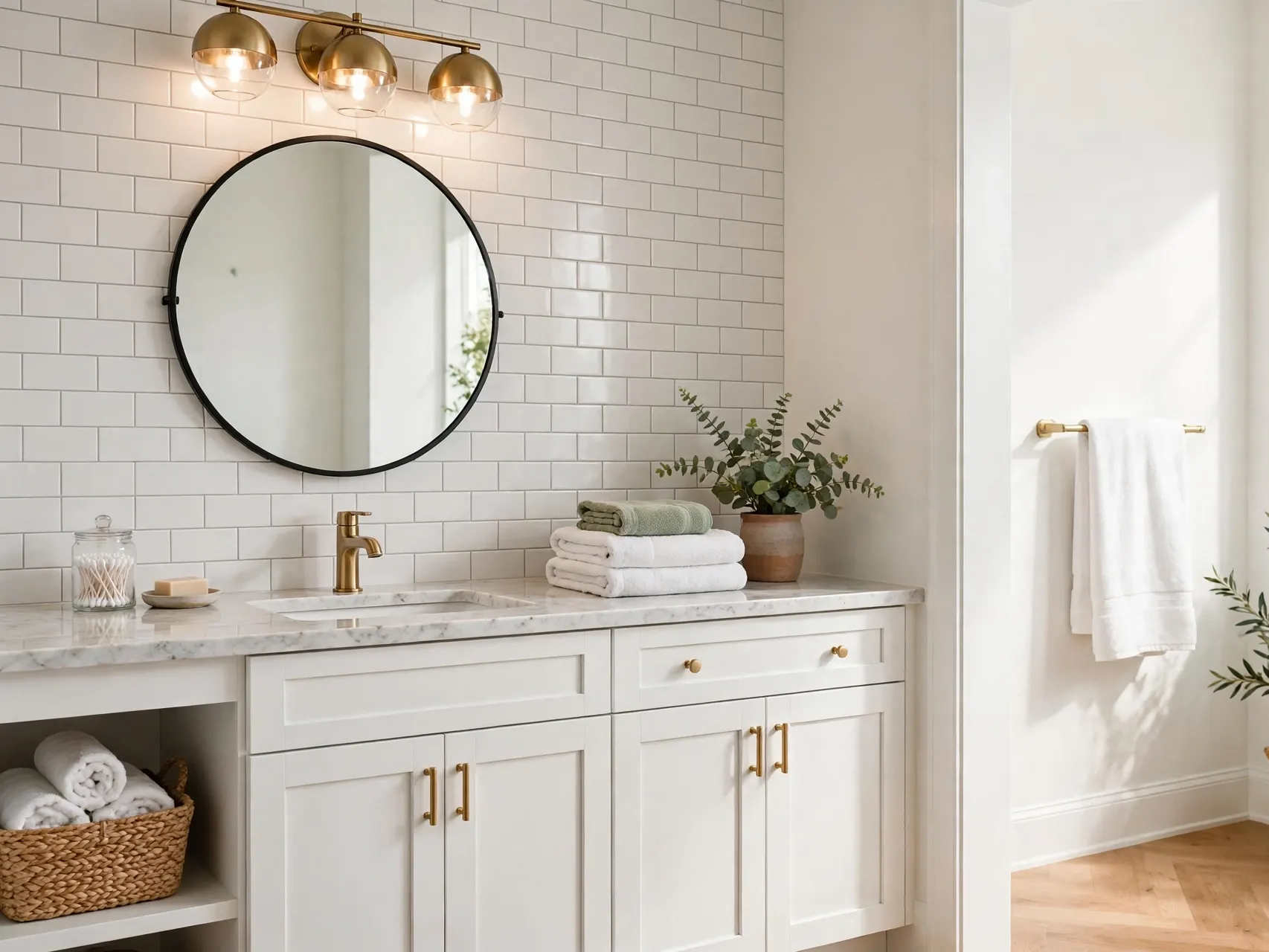
A plain builder mirror glued to the wall and a strip of bare bulbs date many bathrooms. A framed mirror, fitted safely with rated fixings, plus a simple vanity light instantly looks designed. Measure so the mirror centers over the sink, and keep finishes consistent with the faucet. Renters and sellers alike love this change because it needs no plumbing, no tile work, and only basic tools and care.
16. Fix Every Small Broken Thing on Your List
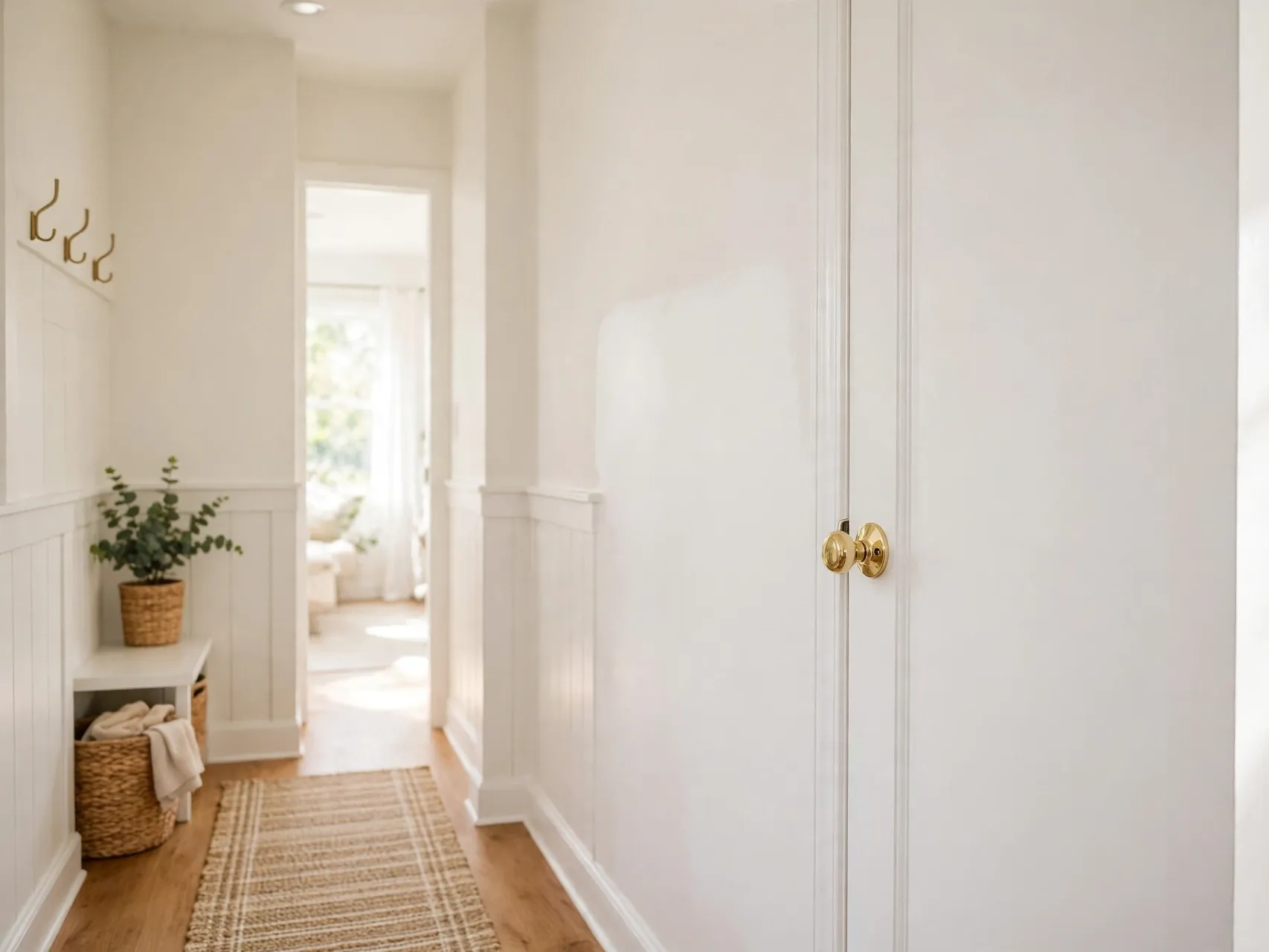
Walk the home with a notebook and list every wobble, stick, drip, crack, and squeak: loose handles, sticking doors, cracked switch plates, torn screens, and running toilets. Then fix them in batches over two weekends. Individually these flaws are tiny. Together they create a feeling of deferred maintenance that lowers offers and confidence. A home where everything simply works feels valuable in a way no decor can fake.
17. Service What Buyers Will Ask About Anyway
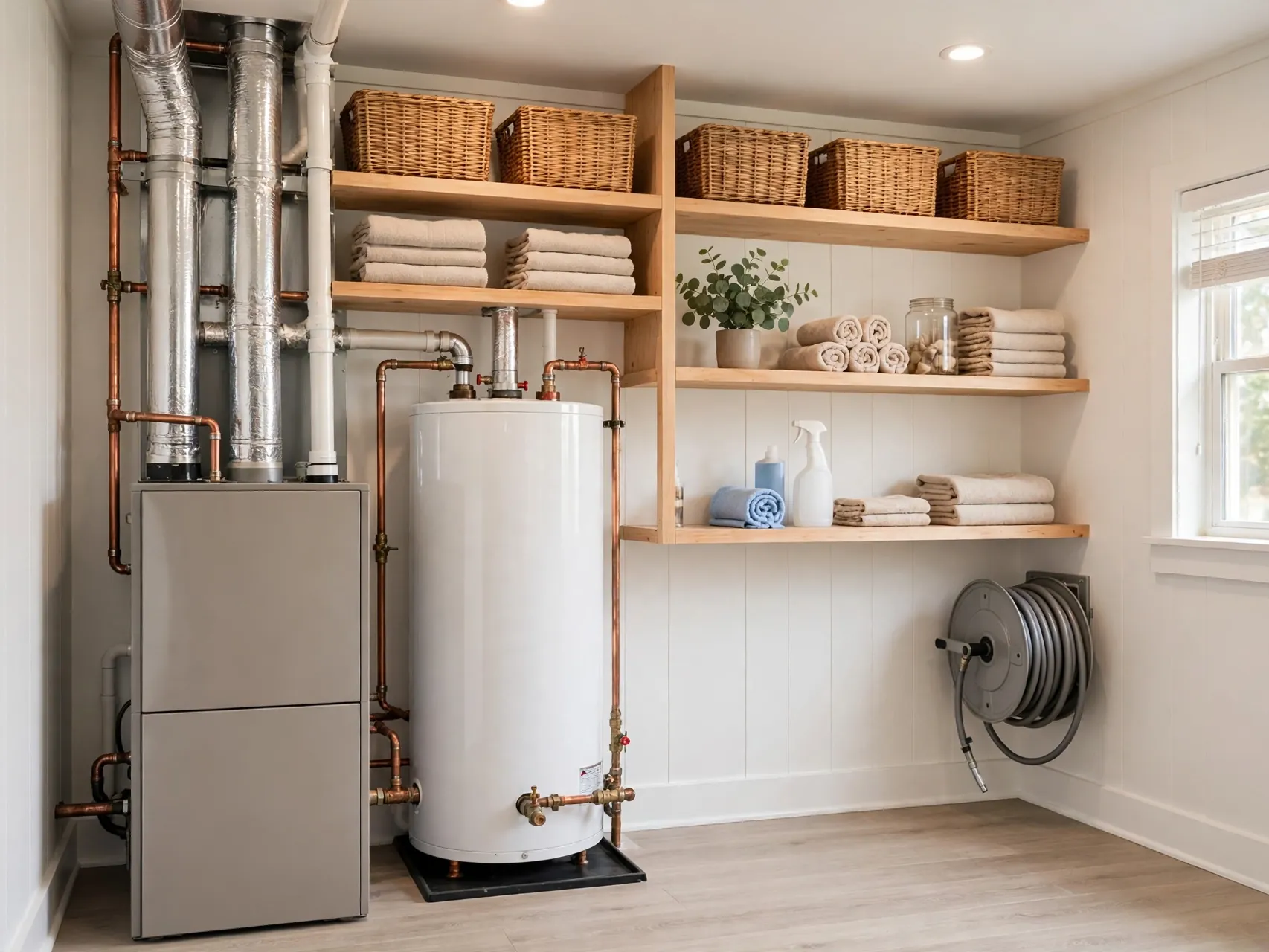
Keep receipts and service records for the furnace, air conditioning, and water heater, and change filters on schedule. Clean gutters, check the roof visually for missing shingles, and address small issues before they become inspection findings. You cannot promise buyers a perfect inspection, and should never hide known problems, but a documented pattern of maintenance is genuine, transferable value that costs far less than emergency repairs later.
18. Improve Storage With Closet and Garage Basics
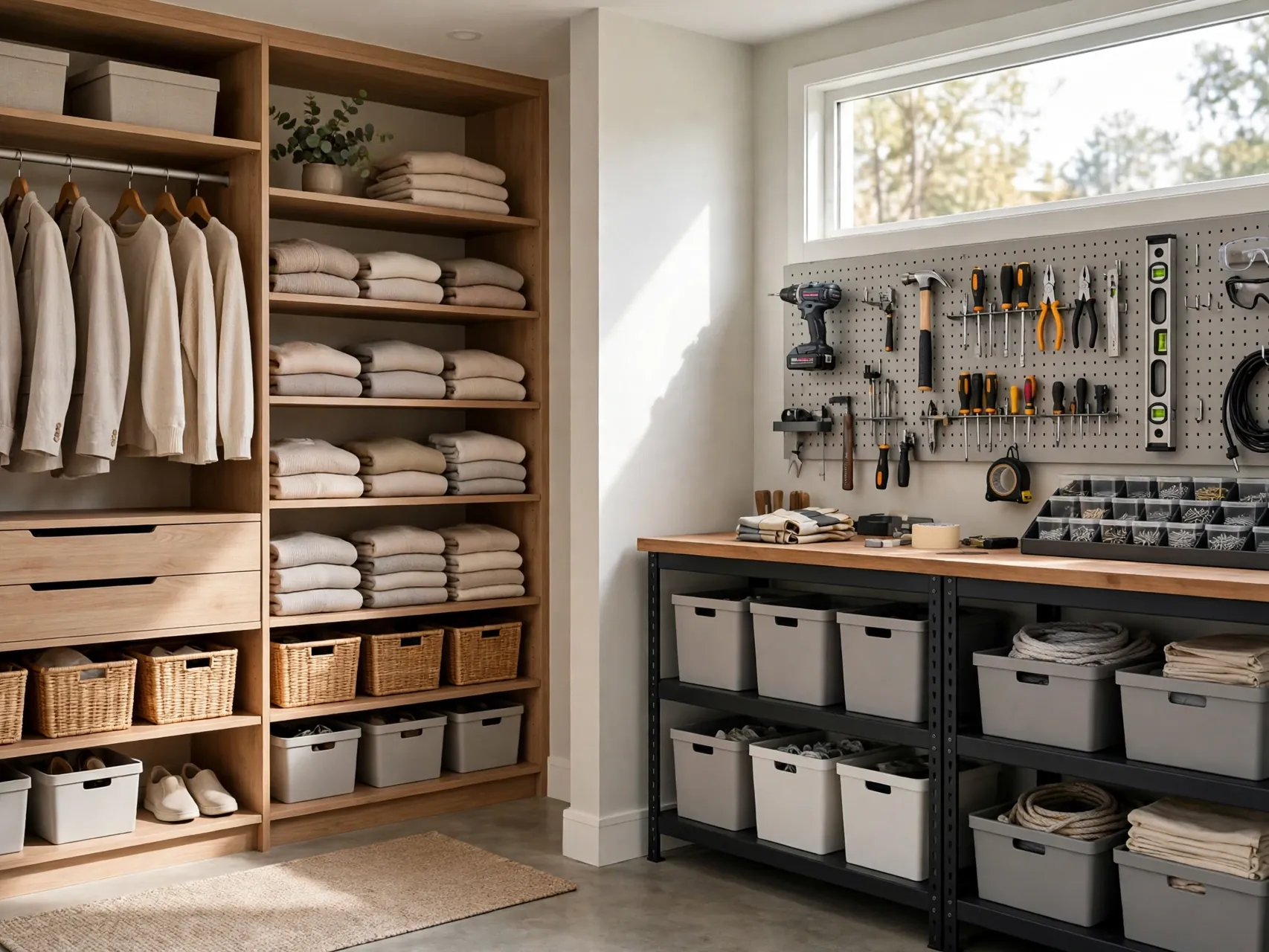
Storage is a top buyer wish, and simple systems help any home show it off. Add a second hanging rail or shelf in one closet, fit garage shelving so floor clutter disappears, and label bins neatly. Keep storage areas about two thirds full so they read as generous rather than stuffed. Even if you are staying, calm storage lowers daily stress, which is its own kind of value at home.
19. Lay a Clean Runner and Refresh Floor Touch Points

Floors set the tone underfoot. Professionally clean carpets, wash hard floors thoroughly, and touch up scuffed baseboards with matching paint. A clean, correctly sized runner in the entry and a fresh rug in the living room cover wear while adding warmth. Repair a squeaky board or loose tile where you safely can. Floors you cannot replace can still look cared for, and cared for is the feeling this whole list is building.
20. Create One Defined Flex Space
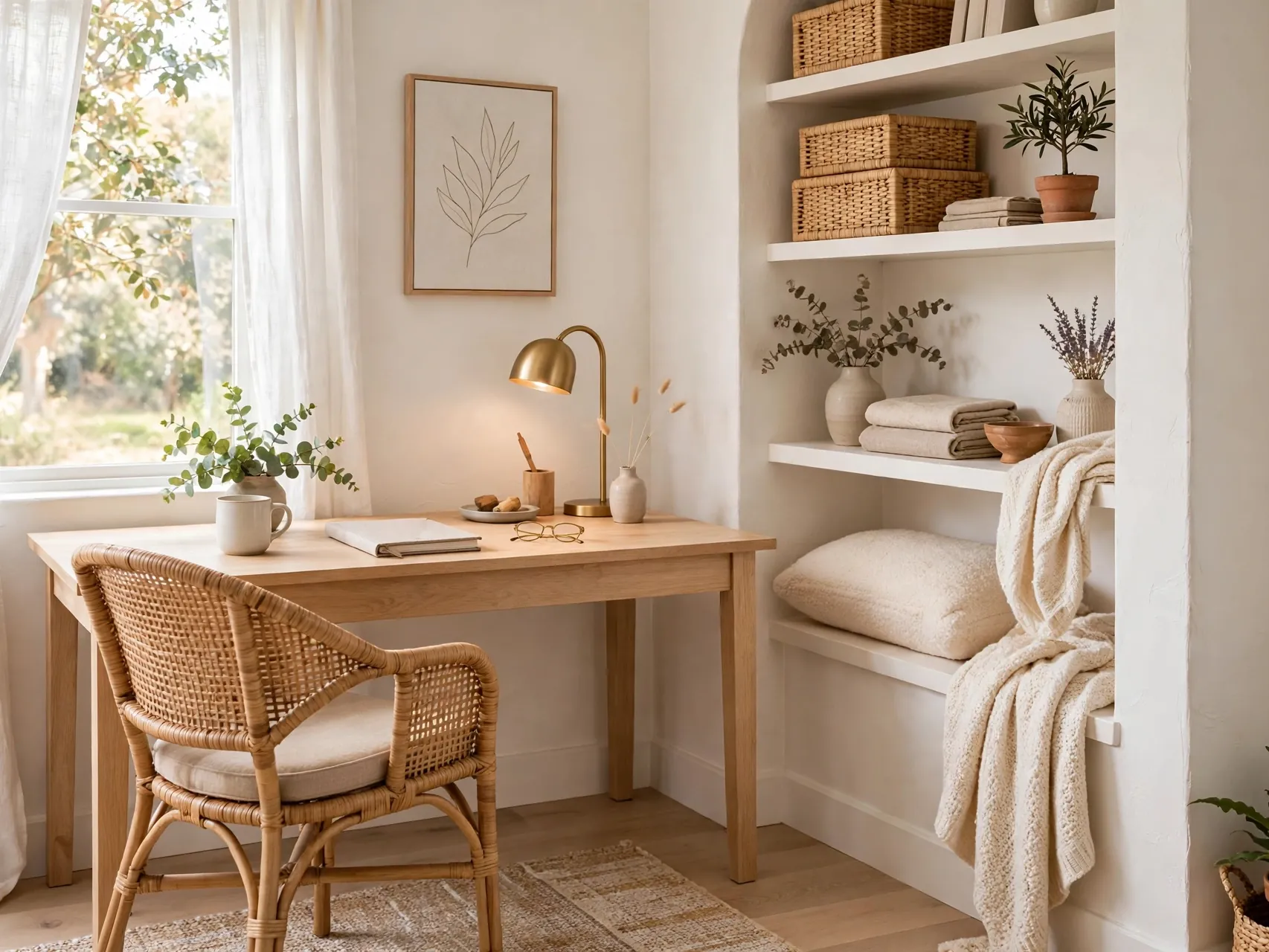
A spare corner or small room earns more when it has a clear job. Stage one flex space as a home office, reading corner, homework station, or guest nook with a desk or chair, a lamp, and simple storage. Buyers struggle to value undefined space, and owners underuse it too. Keep the setup light and movable, built mostly from furniture you already own, so the room can flex again when life changes.
21. Seal Drafts and Add Easy Energy Comfort Touches
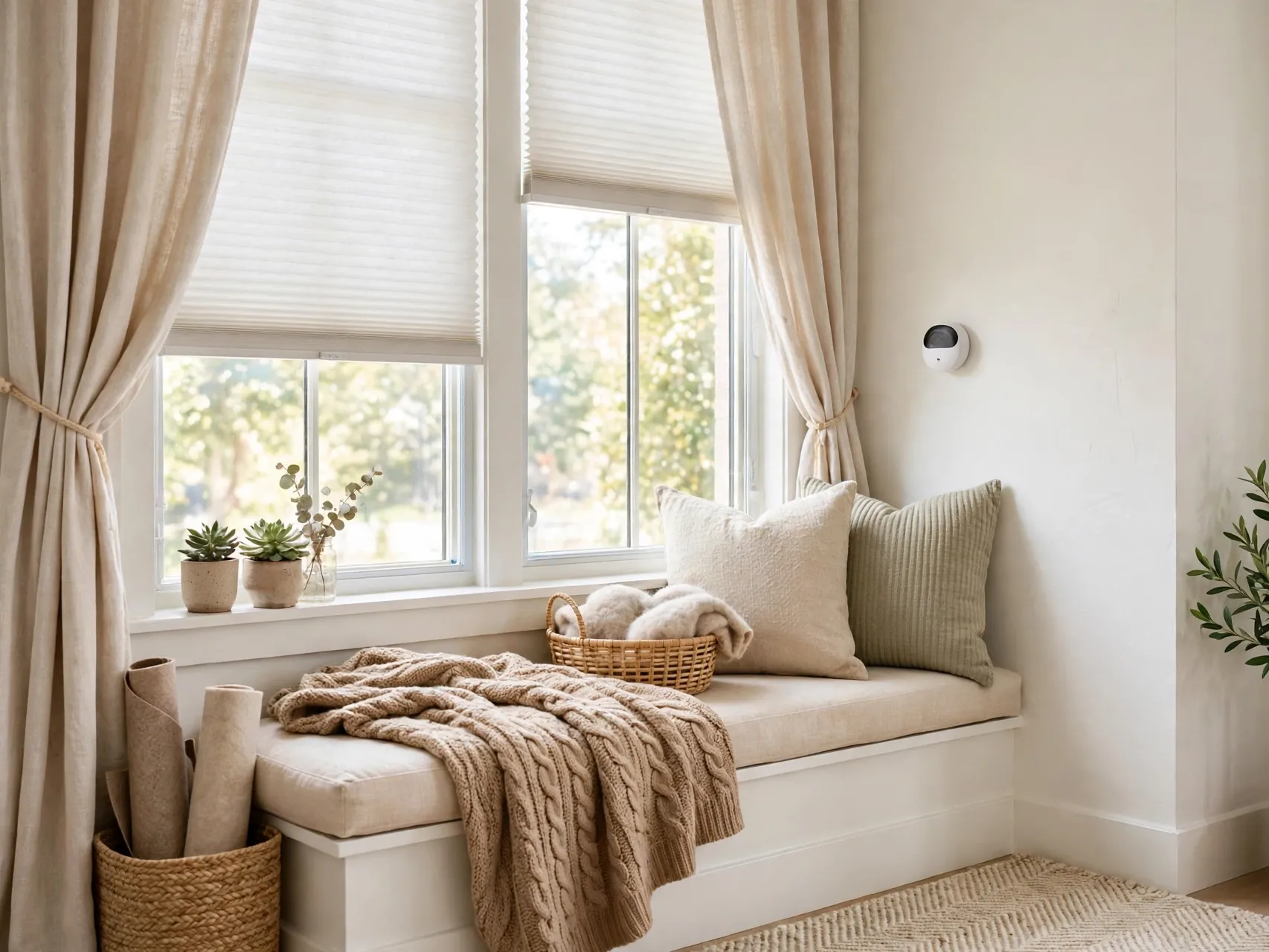
Comfort is value you can feel. Add weatherstripping to drafty doors, seal obvious gaps around windows with suitable caulk, and fit door sweeps where light shows underneath. A programmable or smart thermostat, installed per maker guidance, helps rooms feel consistently comfortable. Avoid grand energy claims, since savings depend on the home and habits. Simply note that a draft-free, even temperature home feels better on every single viewing.
22. Stage Each Room With One Clear Purpose
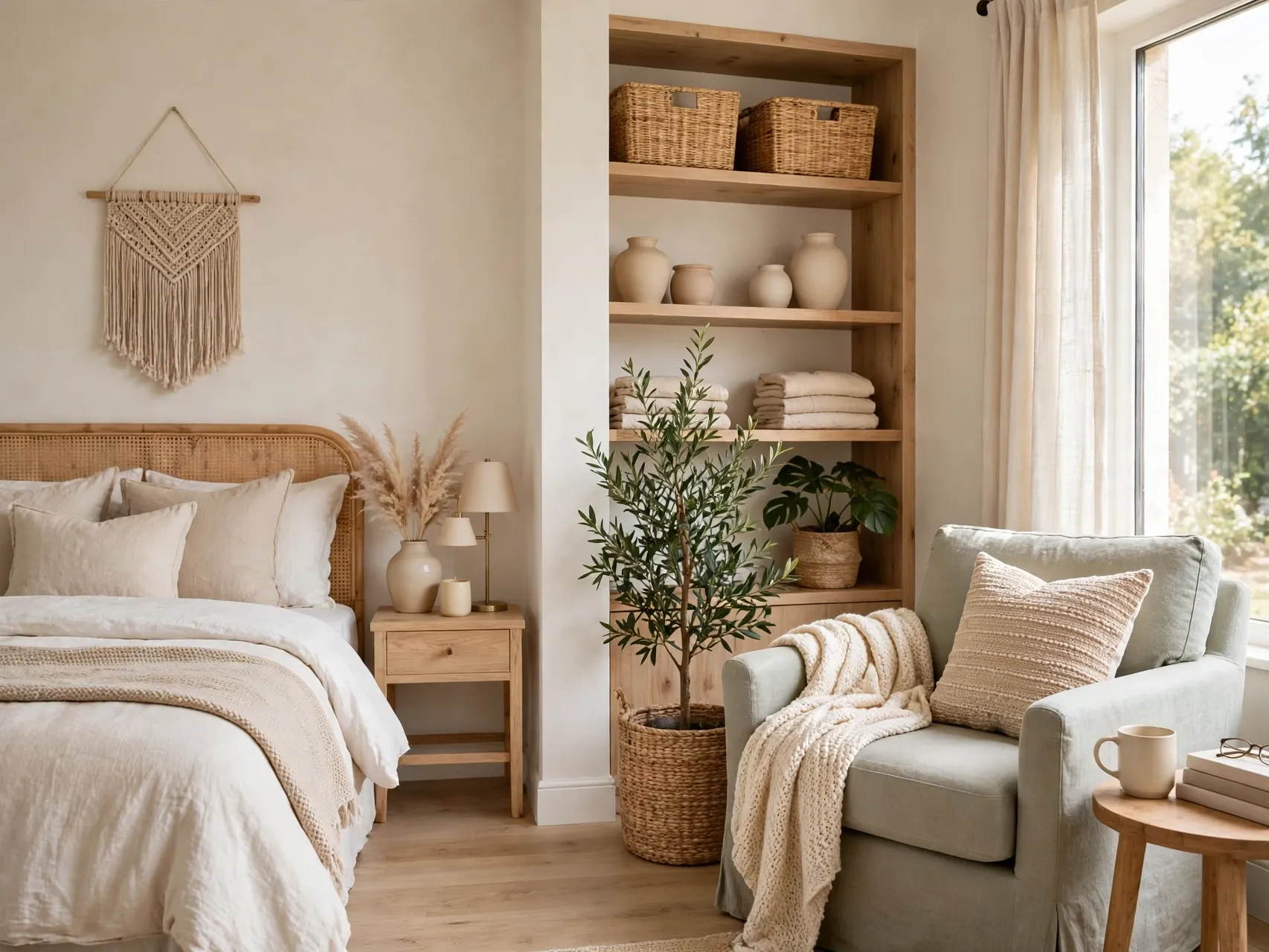
Staging does not require rented furniture. Edit each room so its purpose is obvious at a glance: beds made with layered neutral bedding, a dining table set simply, desks cleared, and toys contained in one basket. Remove highly personal photos if selling, add one plant and one soft textile per room, and open curtains wide for light. Clear purpose helps buyers mentally move in, and helps you enjoy tidier rooms meanwhile.
23. Take Honest Photos and Keep a Simple Records Folder
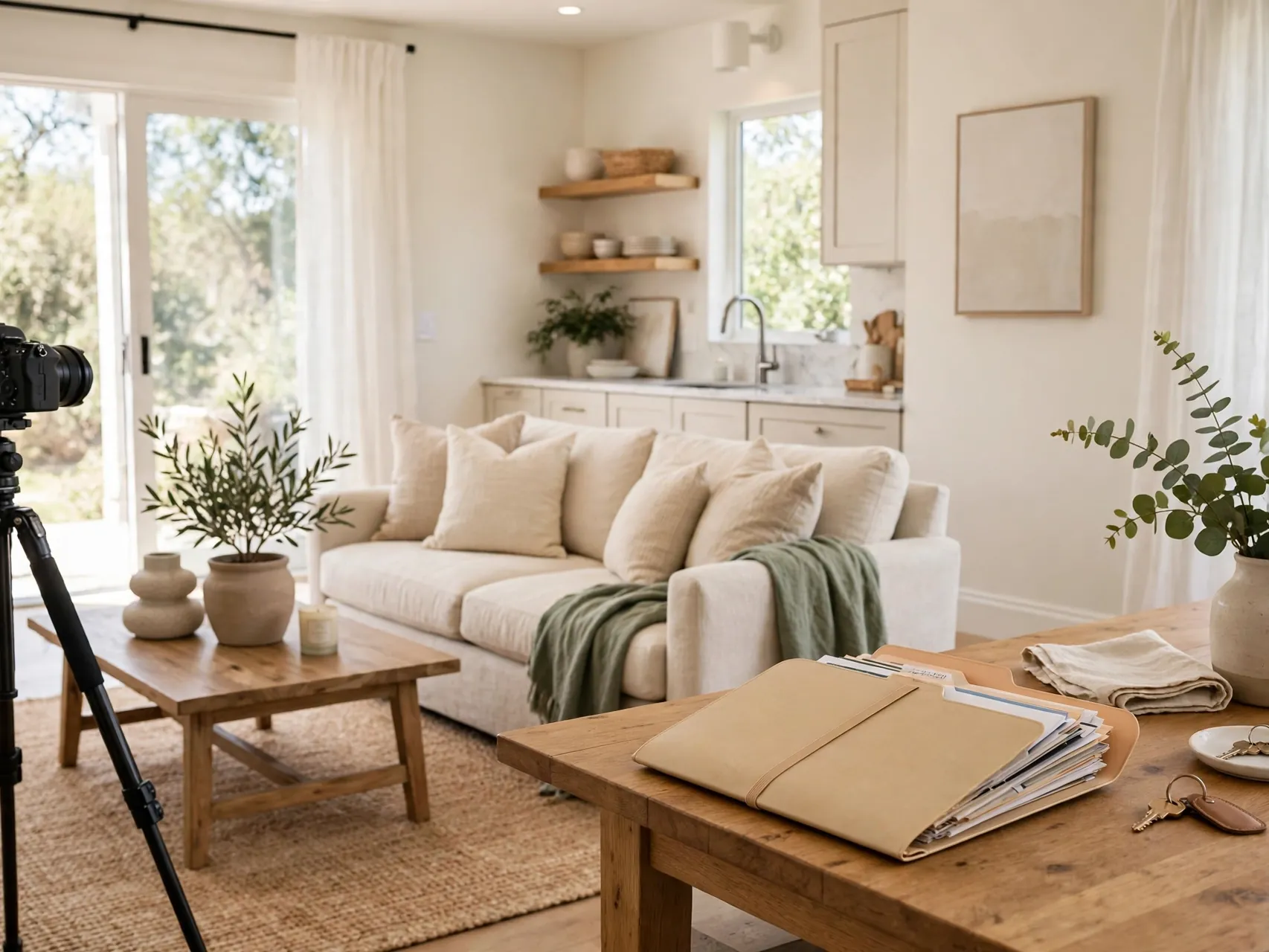
Finish by documenting your work. Photograph each finished room in daylight, straighten vertical lines, and keep before and after pairs with receipts and service notes in one folder. If selling, these records answer buyer questions with confidence. If staying, they track what was done and when. Honest photos also reveal the next small fix your eyes have stopped seeing, which keeps your home gently improving year after year.
Keep this folder with your home paperwork, next to warranties and manuals. Future you, whether selling, insuring, or simply planning the next project, will be glad the history of the house lives in one honest, dated, easy to find place.
##
FAQ
What is the cheapest way to make a home feel more valuable?
A deep clean, a serious declutter, and fresh neutral paint in the most lived-in rooms. Together they fix light, space, and first impressions for very little money. Add working bulbs in one warm tone and tidy the entry, and most homes feel noticeably more cared for within a single weekend.
Should I renovate the kitchen before selling?
A full kitchen renovation is rarely necessary just to sell, and this guide does not promise it will pay back its cost. Usually the smarter spend is paint or hardware on solid cabinets, a faucet that works smoothly, clean grout, and good lighting. Save major work for kitchens with broken layouts or damaged units, and get local agent advice first.
Do these projects guarantee a higher appraisal?
No. Appraisals depend on location, comparable sales, size, condition, and the wider market, and no cosmetic project can guarantee a figure. What these steps do is remove the visible neglect that can drag perceptions down, help a home photograph and show at its best, and support a confident asking price backed by your local market evidence.
What should I fix first if my budget is very small?
Fix anything broken, leaking, or unsafe first, then clean and declutter, then paint the entry and main living space. Outside, mow, edge, mulch, and refresh the front door. This order protects the home, costs the least, and hits every first impression a visitor or buyer forms in the opening two minutes.
When should I hire a professional instead of DIY?
Hire licensed professionals for electrical work inside walls and panels, gas, major plumbing, structural changes, roof work, and any suspected lead or asbestos disturbance in older homes. Also hire help when a job needs tall ladders or permits in your area. Paying for the risky parts protects your safety, your insurance, and the value you are trying to build.
Key Takeaways
- Clean and clear first: A deep clean and a real declutter cost the least and make every later project look twice as good.
- Paint is the budget hero: Warm neutral walls, a refreshed front door, and painted solid cabinets change photos and first impressions fast.
- Fix the small broken things: Working handles, quiet doors, and drip-free taps build the cared-for feeling buyers trust.
- Kitchens and bathrooms, lightly: Hardware, faucets, grout, caulk, mirrors, and light updates beat full renovations for most budgets.
- No promises, just care: Nothing here guarantees an appraisal figure, but a maintained, bright, tidy home always shows its best value.
- Love a good budget refresh? Save this guide to Pinterest and pin the first project you will finish this weekend.