23 Kids Closet Organization Ideas That Actually Stick
Introduction
A kids closet can go from tidy to disaster between breakfast and bedtime. Clothes grow too small in months, favorites hide at the bottom of piles, and mornings turn into a hunt for one specific shirt. Good kids closet organization is not about a perfect photo. It is about a simple system a child can actually use without help.
Organizers who work with families repeat the same core advice: keep everyday items at the child's height, skip lids that slow little hands down, use picture or color labels for young kids, and choose adjustable systems that change as your child grows. A toddler needs triple hanging and open bins. A ten year old needs room for longer clothes, sports gear, and opinions.
The other secret is rhythm. Kids outgrow clothes constantly, so the closet needs a built in way to catch outgrown pieces and a quick seasonal sort. When the system expects growth instead of being surprised by it, the closet stops overflowing every few months.
The 23 ideas below are ordered from layout basics to habits that keep the order alive. Start with reach, labels, and a grow with me layout, then add the fun touches that make your child want to put things away.
Put Everyday Clothes at Child Height
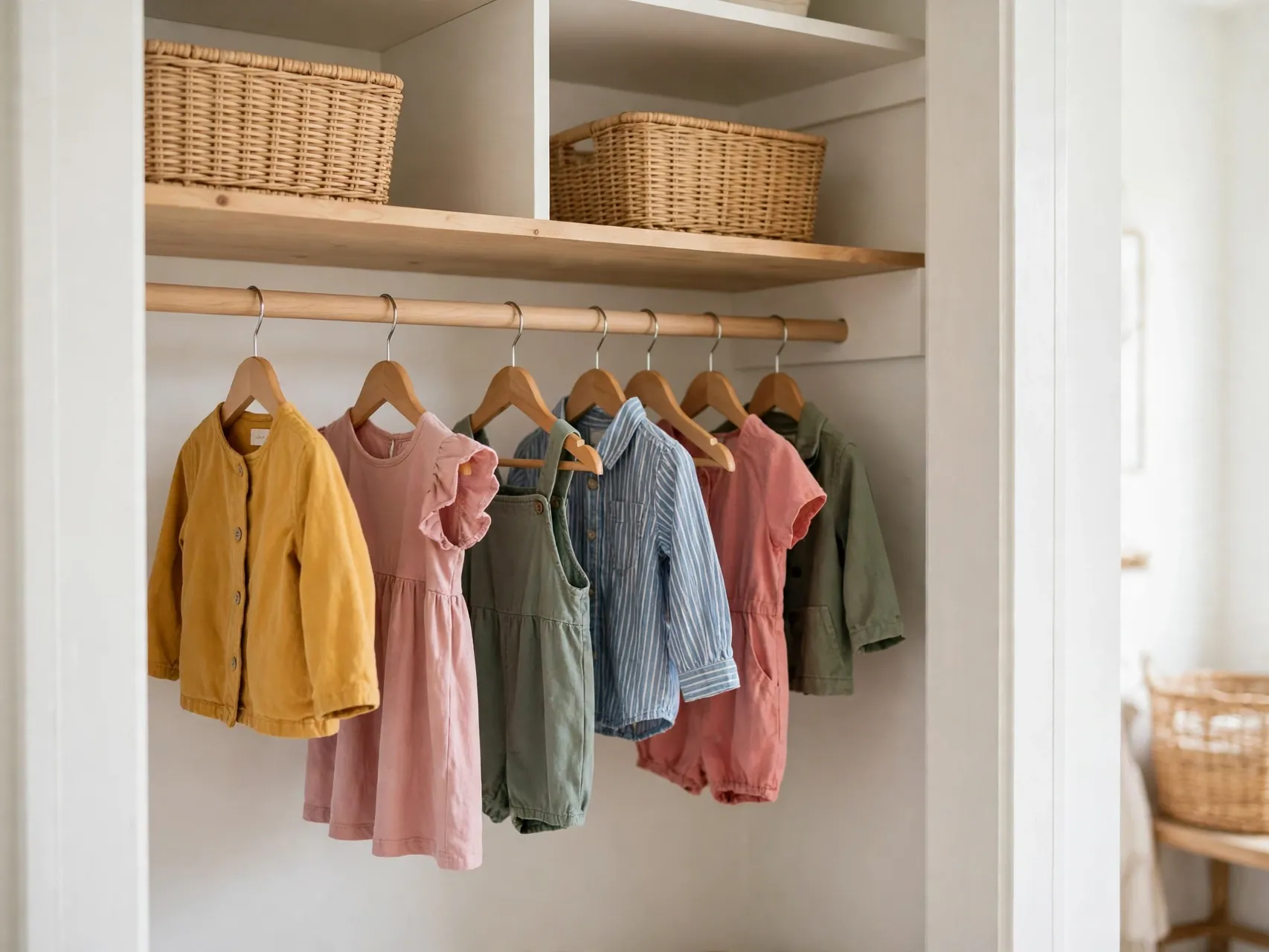
Lower the main rod or add a low hanging bar so your child can reach daily clothes without climbing or calling for help. Independence is the whole point: a child who can reach a shirt can also hang it back up. Keep special occasion and parent managed items on the higher rod where small hands cannot pull them down.
Measure the spot before you buy anything, and leave a little breathing room so containers slide in and out without catching. Put the things you reach for most at the front and.
Skip Lids on Everyday Bins

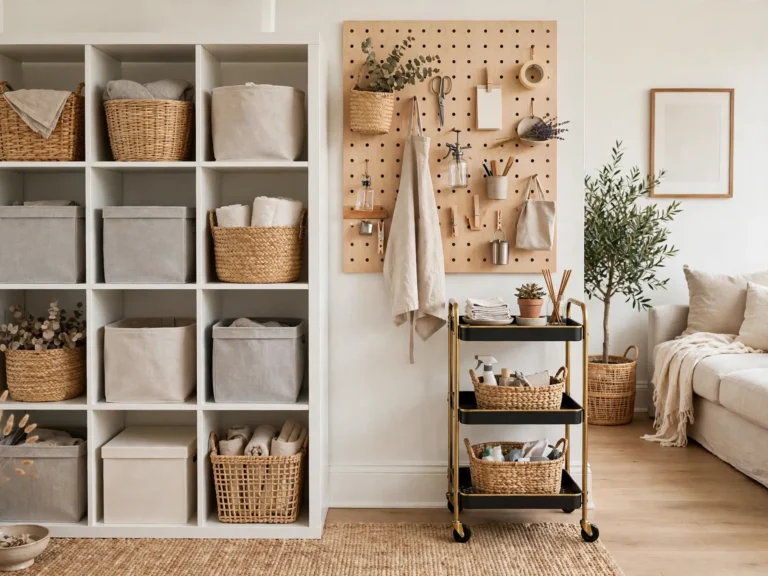
Lids are a barrier for kids. Open bins and baskets let a child toss in pajamas, socks, or toys in one motion, which means the items actually land there. Save lidded containers for stored outgrown clothes and keepsakes on high shelves. For daily use, easy beats neat, and open storage still looks tidy when bins match.
Group similar things together first, then give each group one home. When a category starts to overflow, that is your signal to edit it down instead of buying a bigger container. A.
Use Picture Labels for Young Kids
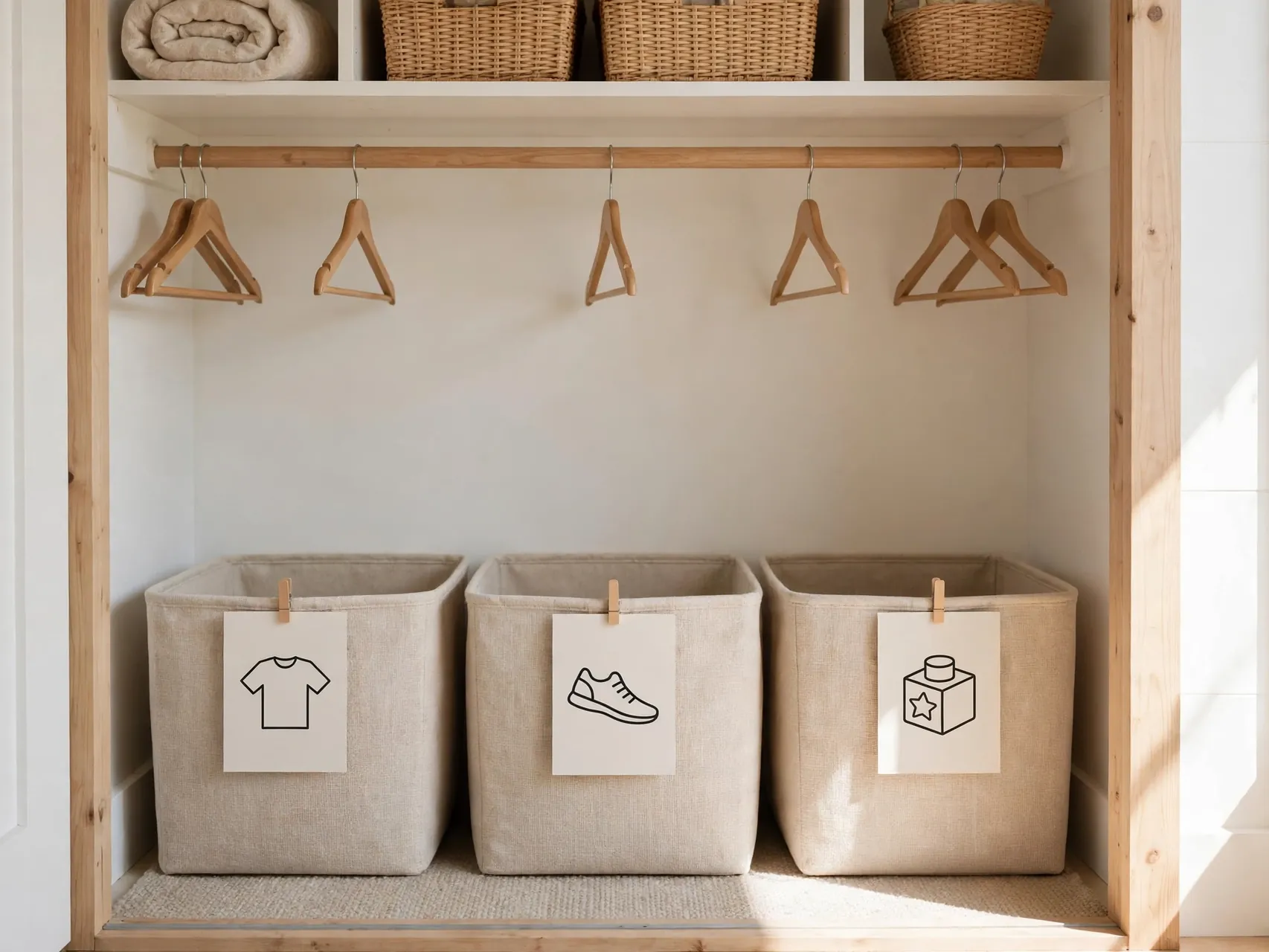
Pre readers cannot follow word labels, but they understand a picture of socks or a drawing of a dress. Tape simple picture labels, photos, or icons to bins and drawers at eye level. Your child learns where things belong by matching, and cleanup becomes a game instead of a guessing test they always fail.
Keep the setup easy to reset in under a minute. If returning an item takes several steps, it will end up on the floor or the counter instead. Open containers, clear fronts.
Color Code Hangers by Category
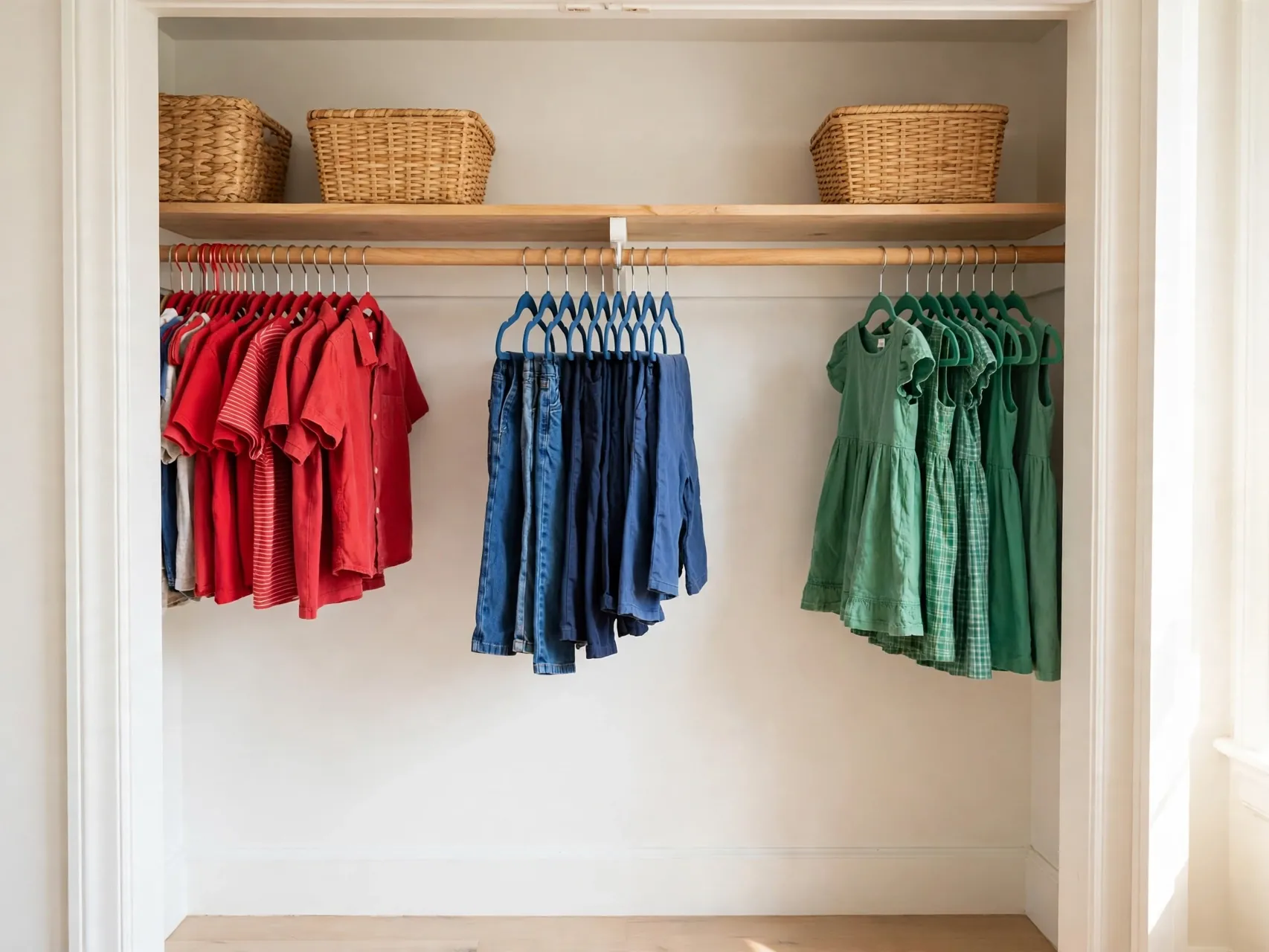
Try colored hangers to sort types at a glance, like one color for shirts, one for pants, and one for dresses or jackets. Organized Living suggests this color method because it is fun and easy for kids to follow. It also speeds up laundry day for parents, since sorting happens while you hang, not while you search.
Think about height as well as width. Most of these spaces waste the top half, so stacking, tiering, or hanging lifts items off the base and doubles what fits. Just keep heavier.
Add a Second or Third Hanging Rod

Kids clothes are short, so one adult height rod wastes half the closet. Add a rod doubler or a second low rod to double or triple hanging space instantly. Use the top rod for the next size up or less used items, and keep the low rod stocked with this week's rotation of everyday outfits.
Test the layout for a week before you add anything else. Live with it, notice what you bump into, and move one or two pieces until reaching feels natural. A short trial.
Sort Outgrown Clothes Every Season
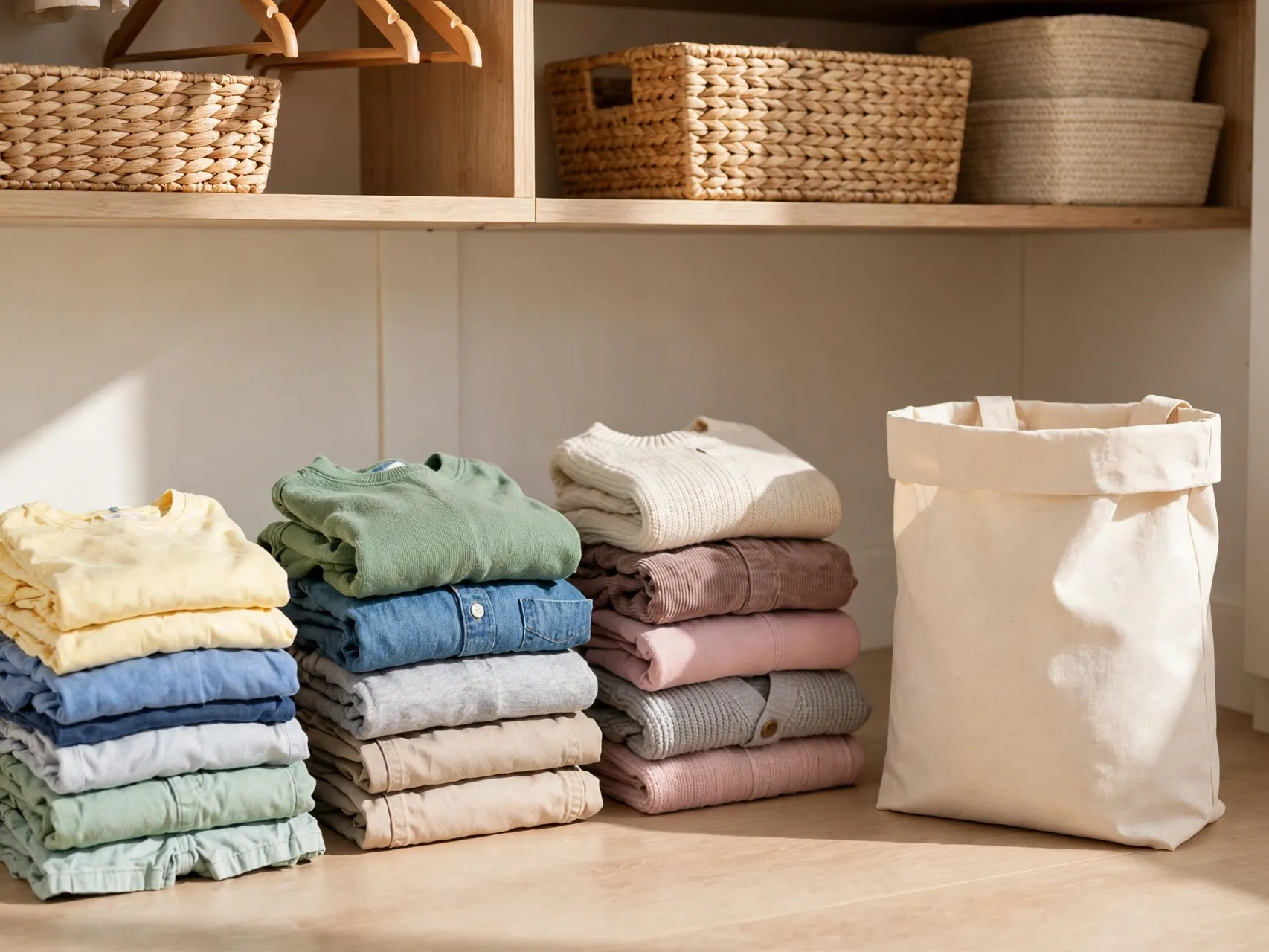
Set a date at the start of each season to pull out what no longer fits. Kids grow fast, and closets jam up with clothes that fit nobody. Donate or pass on good pieces, recycle worn out ones, and move the next size into the main space. A short regular sort beats a huge yearly overhaul that everyone dreads.
Measure the spot before you buy anything, and leave a little breathing room so containers slide in and out without catching. Put the things you reach for most at the front and.
Keep a Grow Out Of It Bin on the Floor

Place one labeled bin in the bottom of the closet just for clothes that have become too small. When a shirt feels tight, it goes straight in the bin instead of back on the rod. When the bin fills, label it with the sizes inside and move it to storage. This small habit keeps the rod honest all year.
Group similar things together first, then give each group one home. When a category starts to overflow, that is your signal to edit it down instead of buying a bigger container. A.
Use Adjustable Shelving That Grows
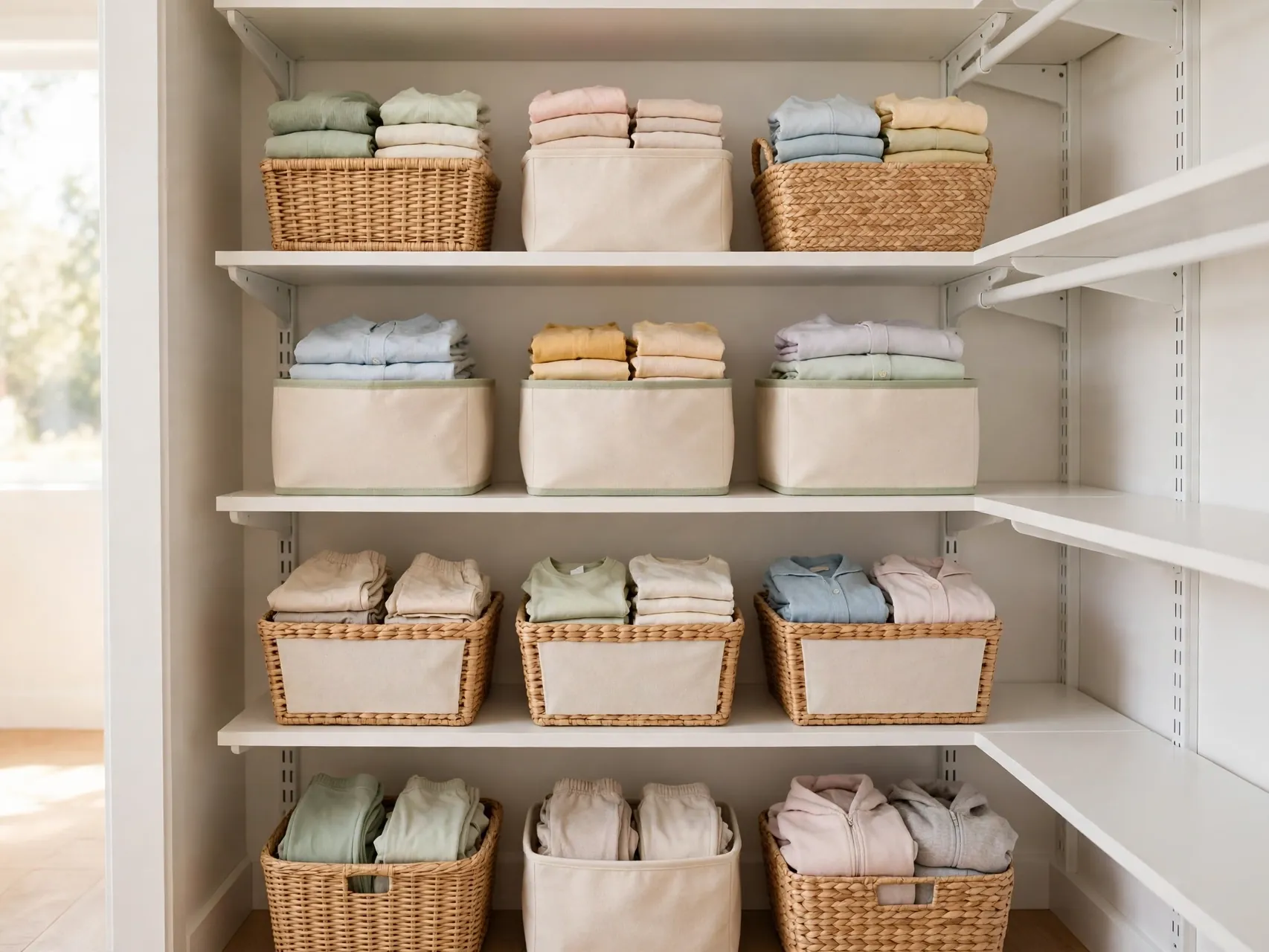
Choose a system with shelves and rods you can move without tools, so the closet changes as your child does. Toddler triple hang becomes school age double hang, then a single rod with shelves for a teen. Adjustable systems cost a little more at first but outlast several fixed setups, which makes them cheaper in the end.
Keep the setup easy to reset in under a minute. If returning an item takes several steps, it will end up on the floor or the counter instead. Open containers, clear fronts.
Store Shoes on a Low Open Rack

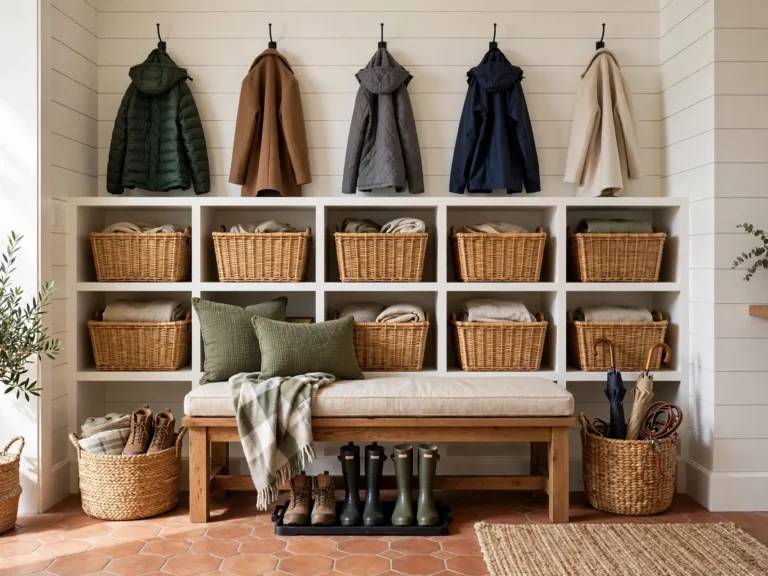
A low, open shoe rack or a row of cubbies at floor level lets kids park their own shoes and pick pairs quickly. Keep only two or three everyday pairs in the closet and move extras to the entryway or a storage bin. Angled shelves or clear pockets help small shoes stay in pairs instead of scattering under hanging clothes.
Think about height as well as width. Most of these spaces waste the top half, so stacking, tiering, or hanging lifts items off the base and doubles what fits. Just keep heavier.
Divide Drawers Into Small Sections
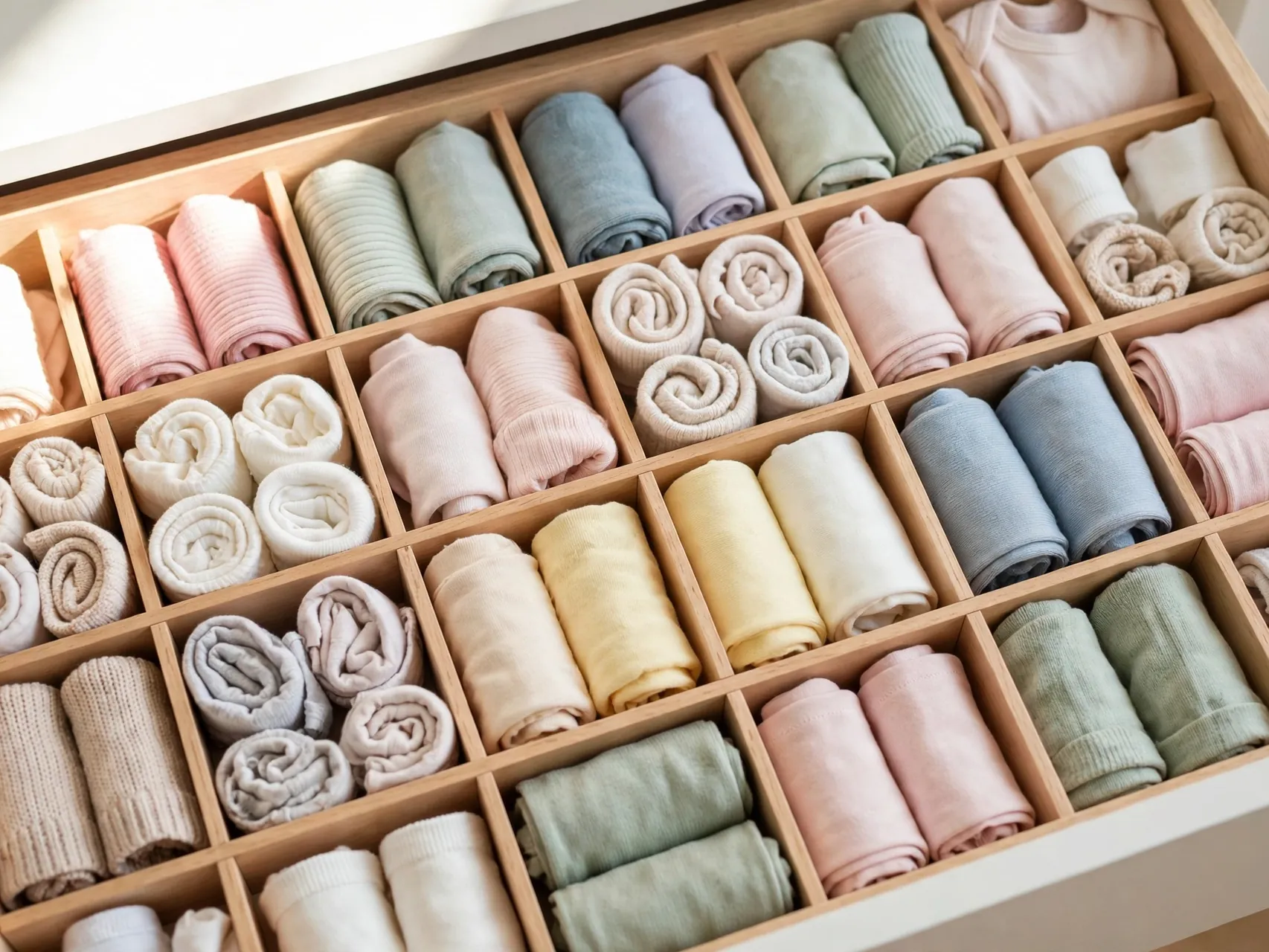
Small items swallow each other in big drawers. Use drawer dividers or small boxes to give socks, underwear, and accessories their own sections, and keep stacks short and shallow. Kids can see everything at once, so they stop digging and upending the drawer to find one pair of socks at the bottom.
Test the layout for a week before you add anything else. Live with it, notice what you bump into, and move one or two pieces until reaching feels natural. A short trial.
Hang a Weekly Outfit Planner
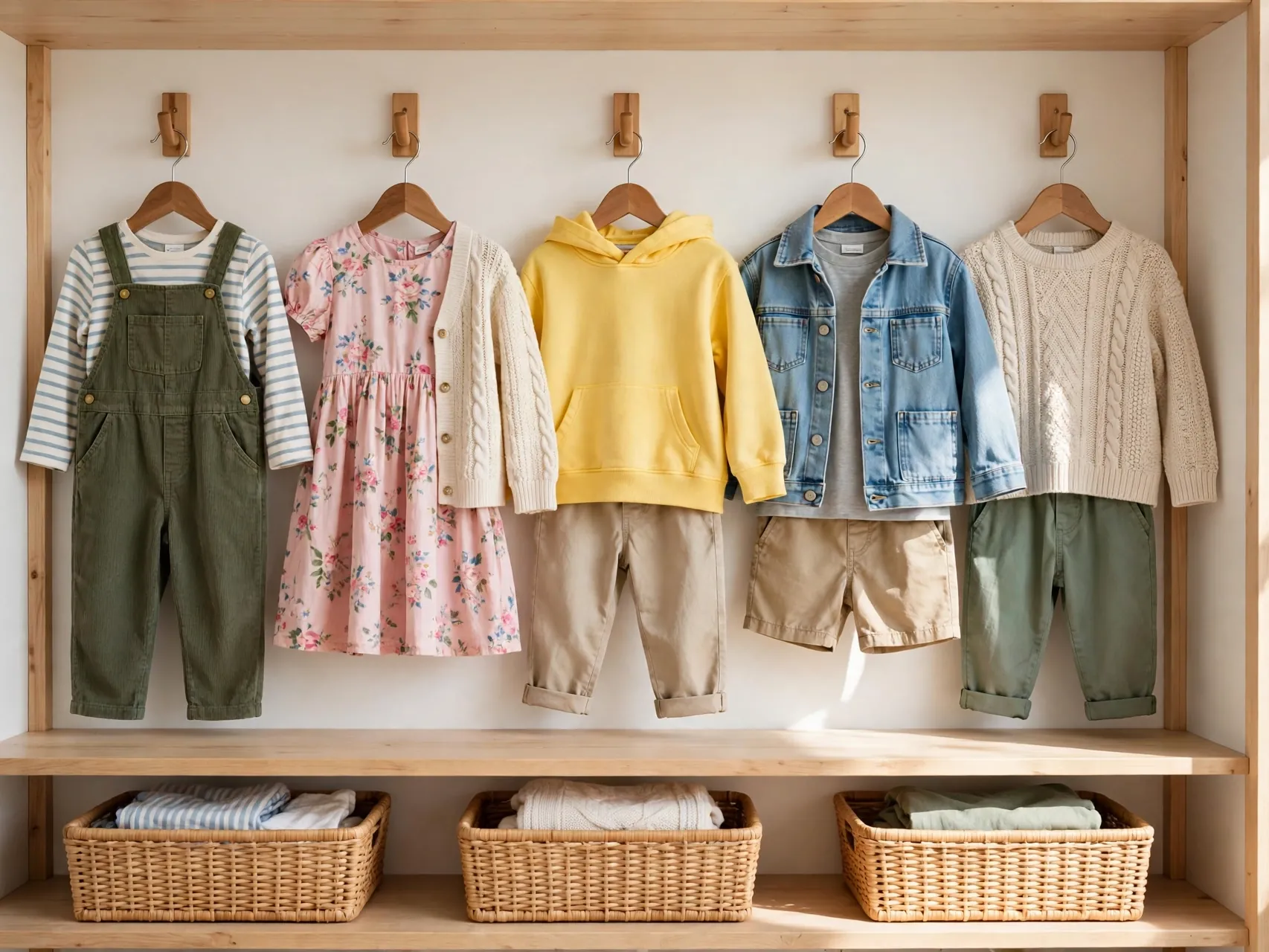
A hanging organizer with five or seven pockets lets you and your child plan school outfits for the whole week on Sunday. Each pocket holds a full outfit, so weekday mornings become grab and go. Kids love the routine, parents love the calm, and the closet stays balanced because clothes leave and return in sets.
Measure the spot before you buy anything, and leave a little breathing room so containers slide in and out without catching. Put the things you reach for most at the front and.
Use the Back of the Door
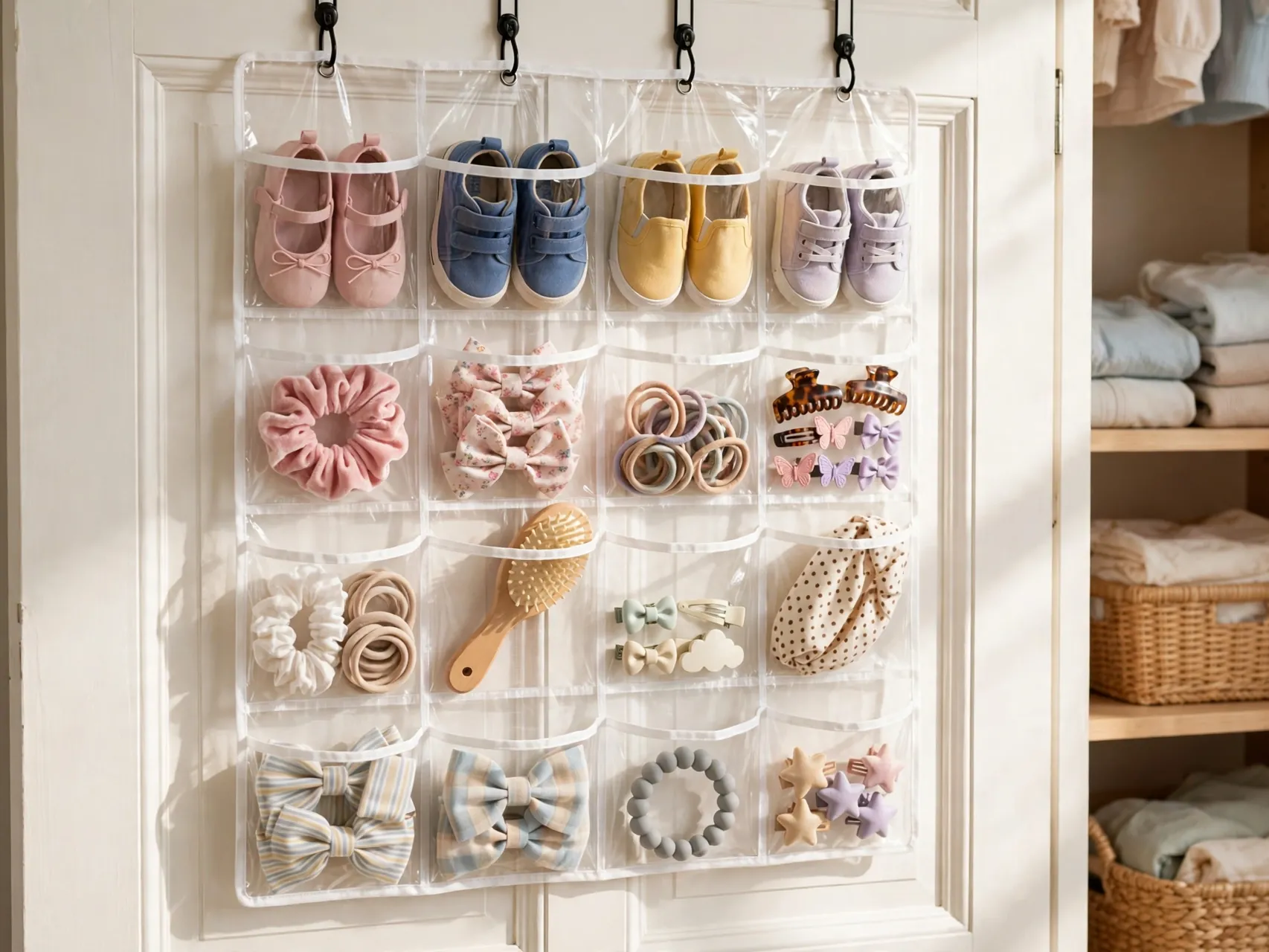
An over the door organizer with clear pockets adds storage for hats, hair accessories, small toys, or baby supplies without using shelf space. Put the items your child uses most in the lowest pockets they can reach. For nursery closets, this is prime space for diapers and wipes that you grab one handed during changes.
Group similar things together first, then give each group one home. When a category starts to overflow, that is your signal to edit it down instead of buying a bigger container. A.
Give Shared Closets a Side Each

When siblings share, assign each child one side, one color of bin, and their name on labels. A center tower of drawers or shelves makes a natural dividing line. Clear ownership ends most closet arguments, because each child can see and manage their own zone, and parents can tell at a glance whose side needs a tidy.
Keep the setup easy to reset in under a minute. If returning an item takes several steps, it will end up on the floor or the counter instead. Open containers, clear fronts.
Keep a Small Hamper Inside the Closet
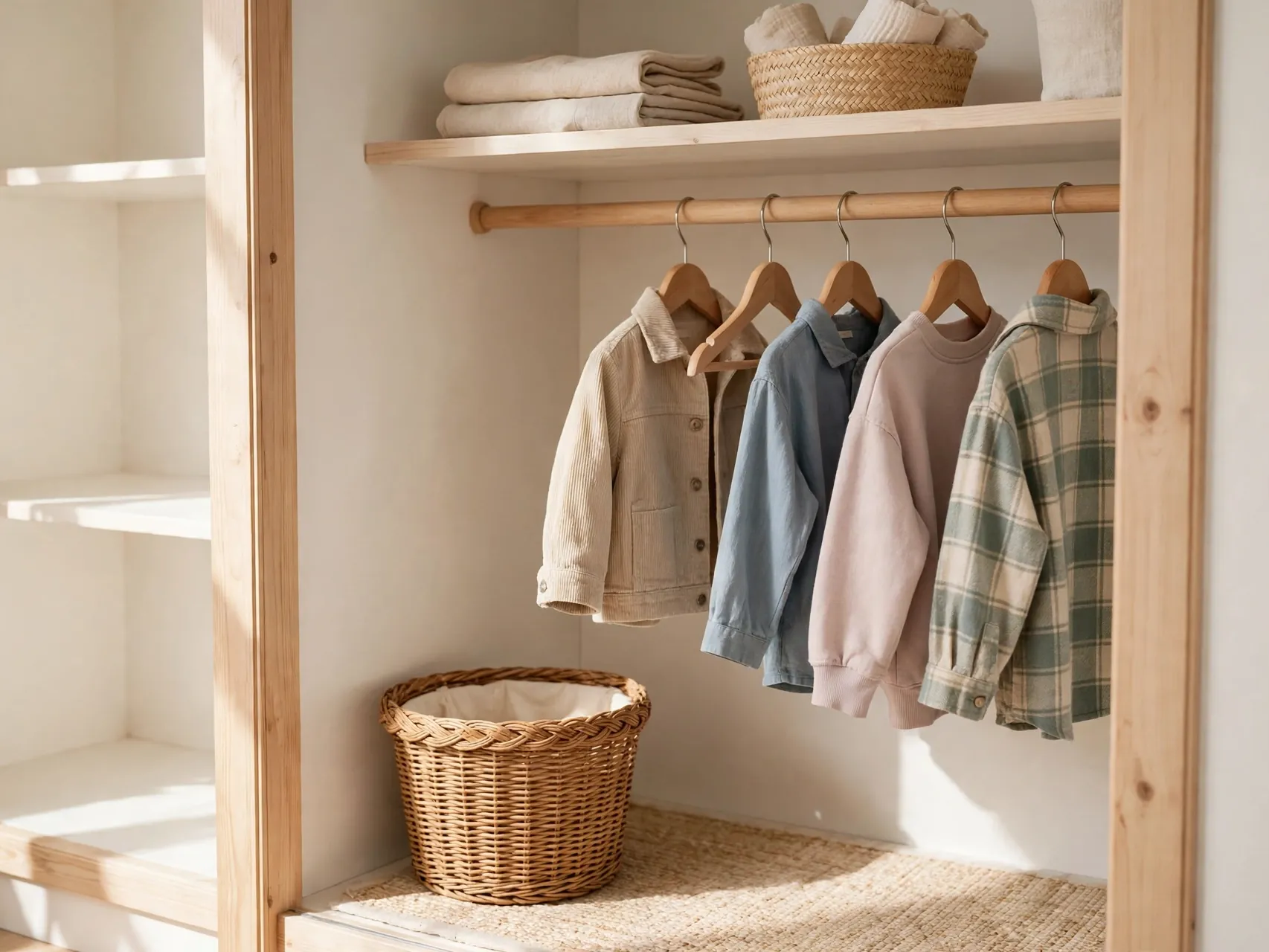
Dirty clothes end up on the closet floor when the hamper lives across the room. A small, fun hamper inside or right beside the closet catches pajamas and worn clothes at the moment of changing. Pick a size your child can carry to the laundry room, and emptying it becomes part of their weekly routine.
Think about height as well as width. Most of these spaces waste the top half, so stacking, tiering, or hanging lifts items off the base and doubles what fits. Just keep heavier.
Fold With the File Method in Drawers
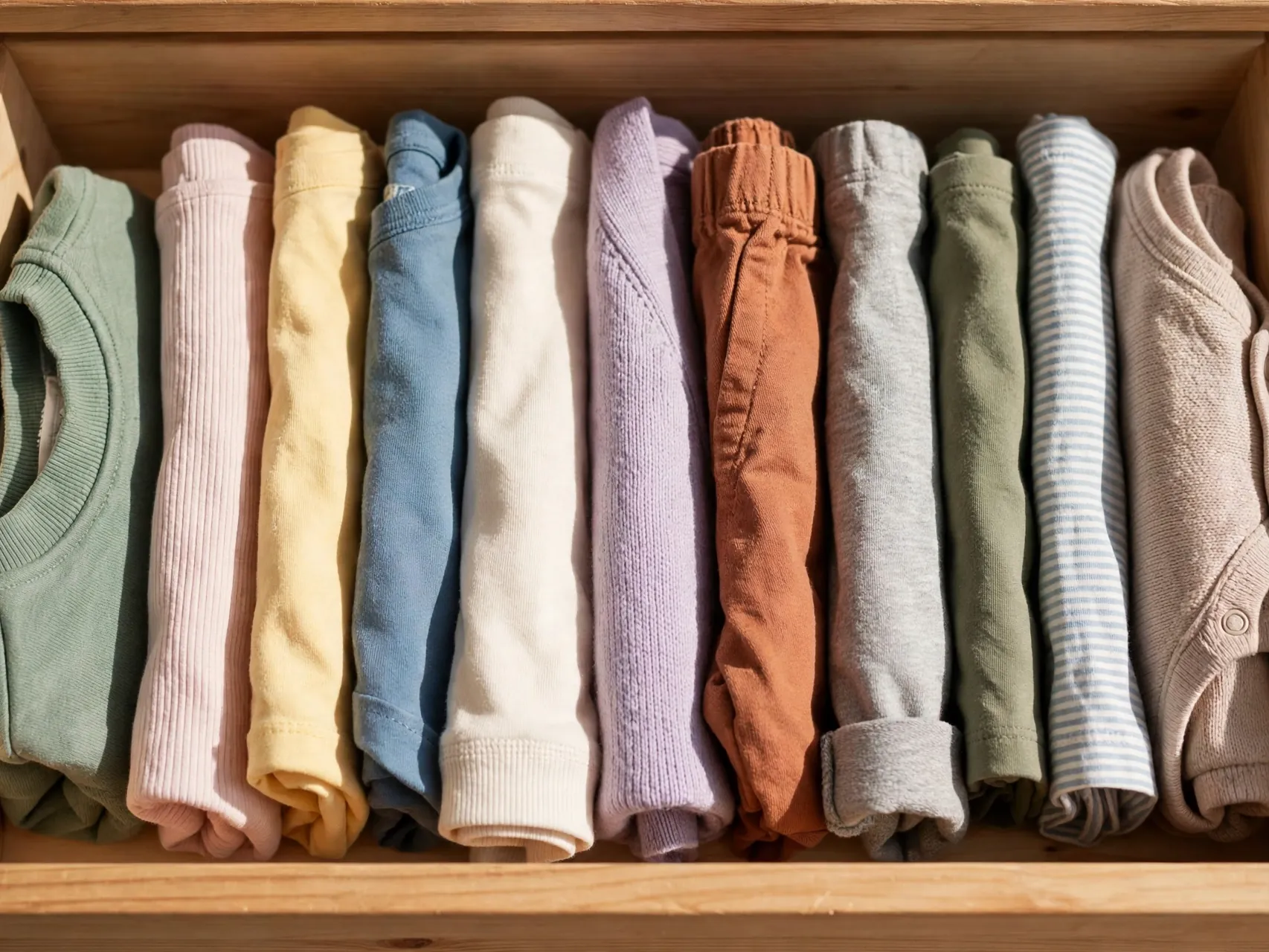
Folding tees and pajamas upright, like files in a drawer, lets kids see every option without lifting a stack. It works especially well for graphic tees, where the picture is the whole decision. The method also uses drawer depth better than flat piles and keeps one grab from wrecking the whole drawer.
Test the layout for a week before you add anything else. Live with it, notice what you bump into, and move one or two pieces until reaching feels natural. A short trial.
Reserve the Top Shelf for Parents Only
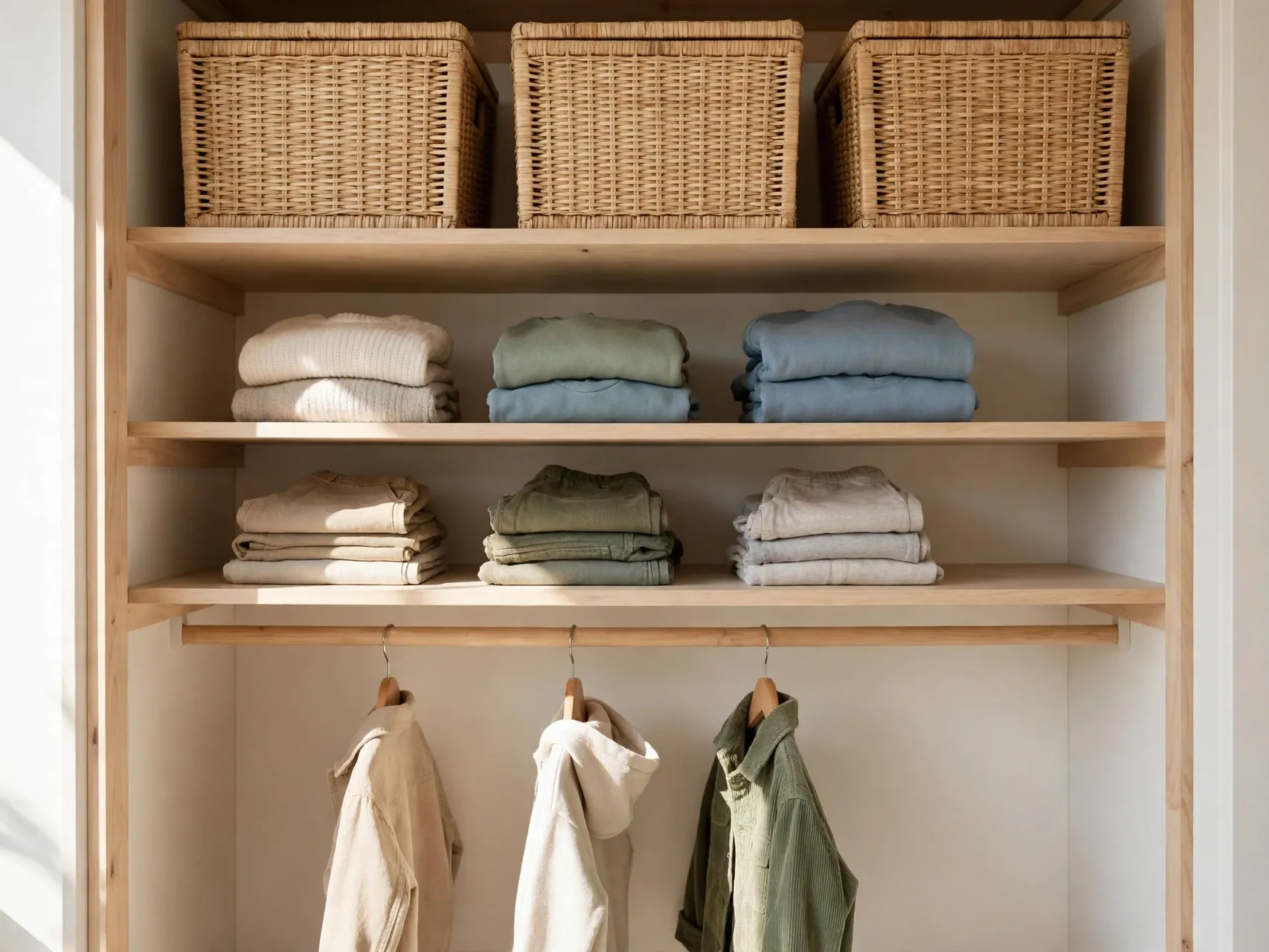
Use the highest shelf for things kids should not grab alone: next size clothes, spare bedding, keepsakes, and special items. Clear labeled bins keep this zone tidy and let you find hand me downs quickly. Tell kids plainly that the top shelf is a parent shelf. A clear rule works better than hoping they will not climb.
Measure the spot before you buy anything, and leave a little breathing room so containers slide in and out without catching. Put the things you reach for most at the front and.
Add a Safe Step Stool
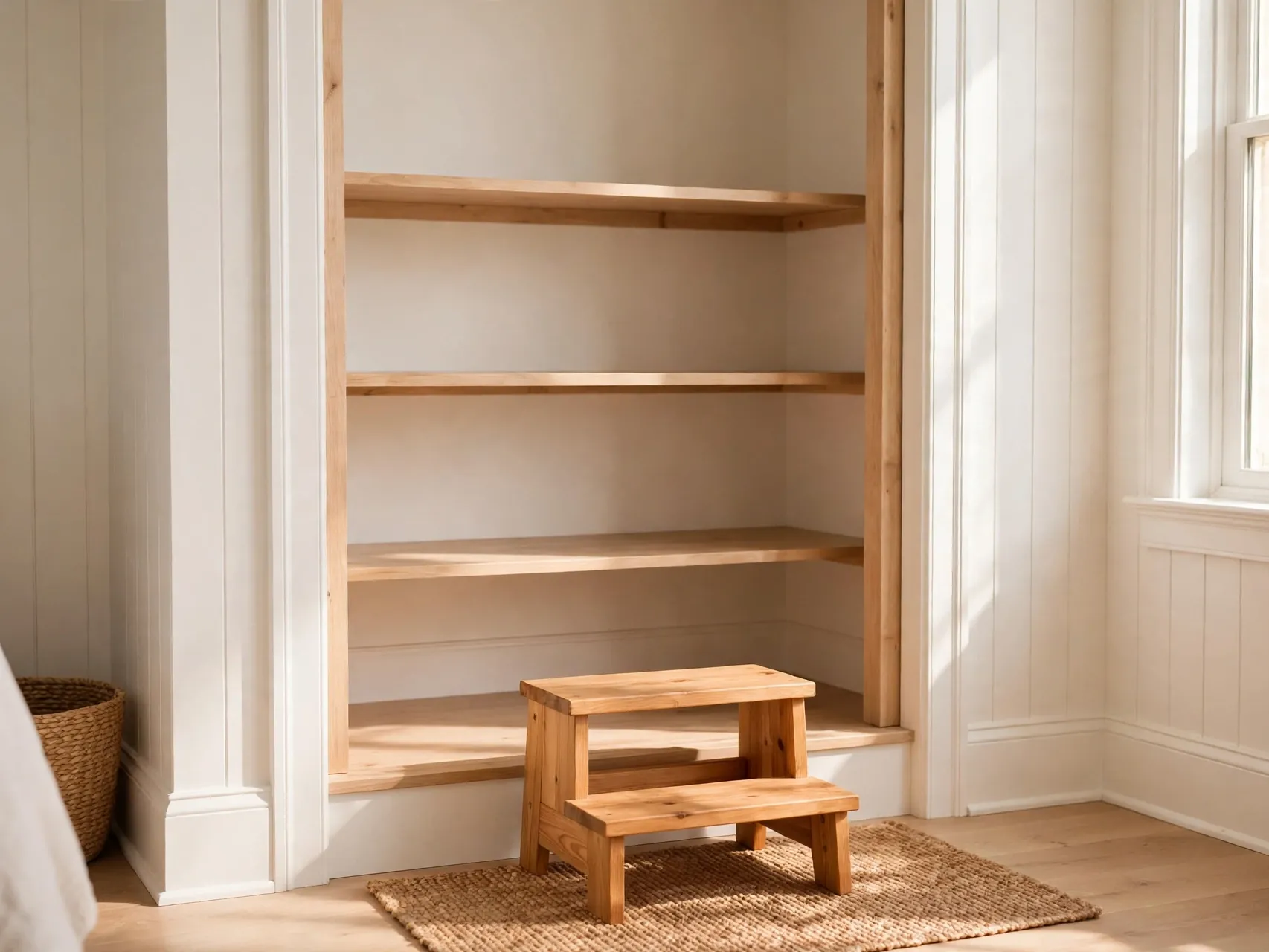
A sturdy, small step stool helps older kids reach a middle shelf or rod safely instead of climbing shelves or bins. Choose a non slip design and store it in the same corner of the closet every time. Stools should never be stacked bins or wobbly boxes, and younger toddlers should still have everything they need at floor level.
Group similar things together first, then give each group one home. When a category starts to overflow, that is your signal to edit it down instead of buying a bigger container. A.
Create a Dress Up and Costume Zone
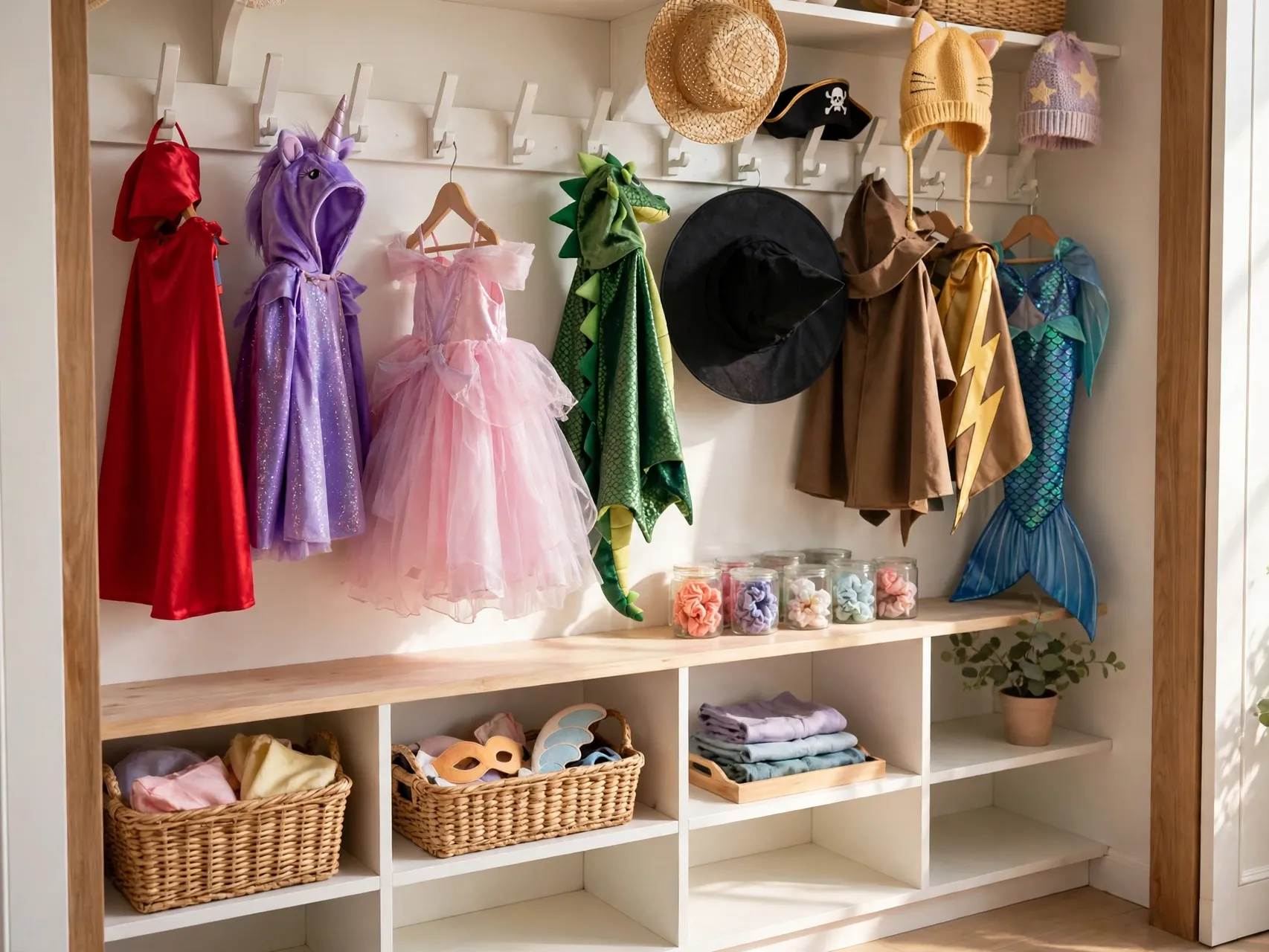
Costumes and dress up clothes wreck a normal closet because they are bulky, sparkly, and loved daily. Give them one bin, one hook, or a short section of rod of their own. Containing the glitter in one zone protects everyday clothes, and kids tidy up faster when the costume home is obvious and fun to use.
Keep the setup easy to reset in under a minute. If returning an item takes several steps, it will end up on the floor or the counter instead. Open containers, clear fronts.
Rotate Toys and Books on a Closet Shelf
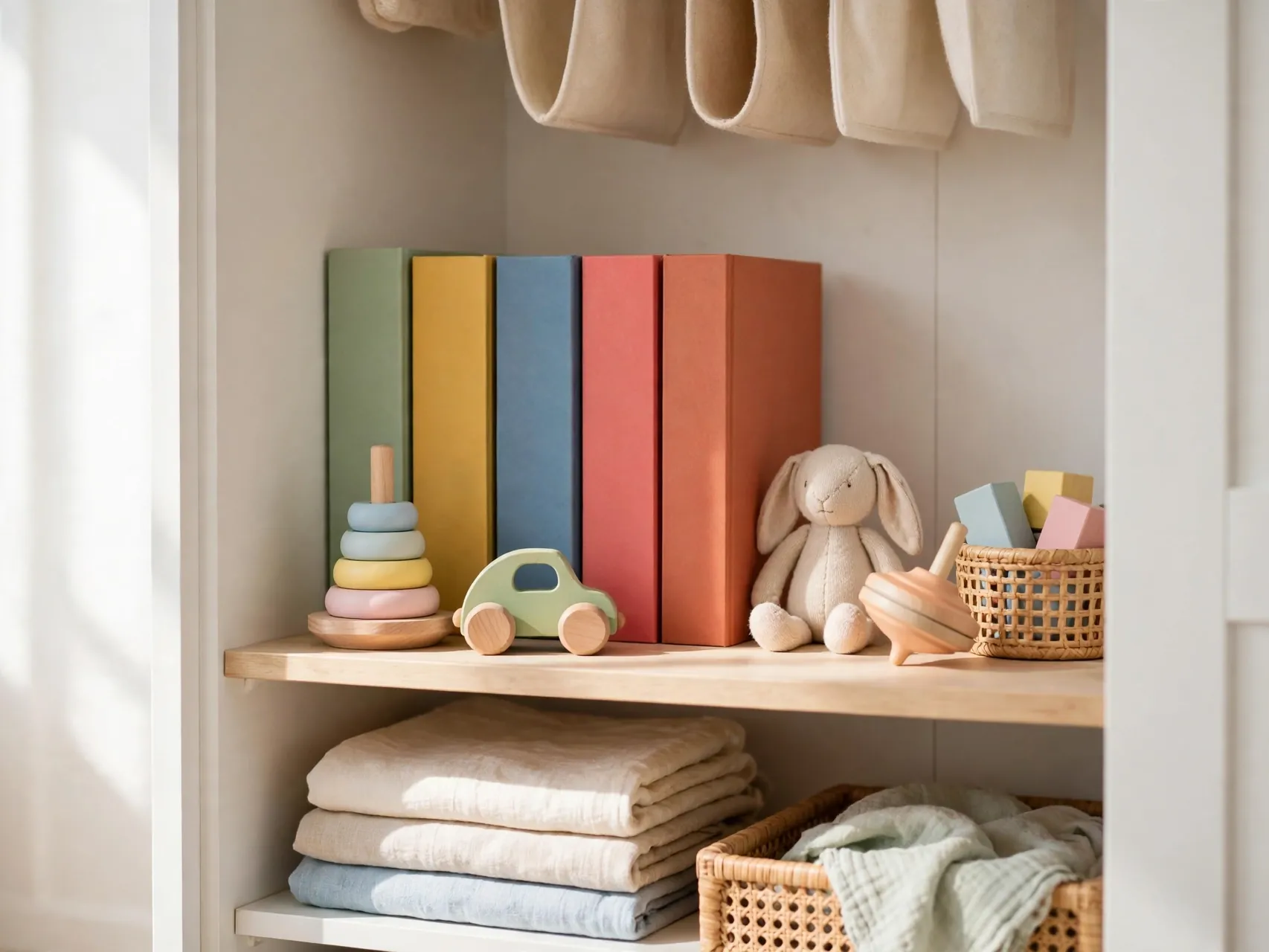
If toys live in the closet too, keep only a small set on a low open shelf and store the rest in a labeled bin up high. Rotate sets every few weeks so old toys feel new again. This keeps floor space clear for dressing and stops the closet from turning into a toy cave with clothes hidden behind it.
Think about height as well as width. Most of these spaces waste the top half, so stacking, tiering, or hanging lifts items off the base and doubles what fits. Just keep heavier.
Match Hangers for a Calmer Rod
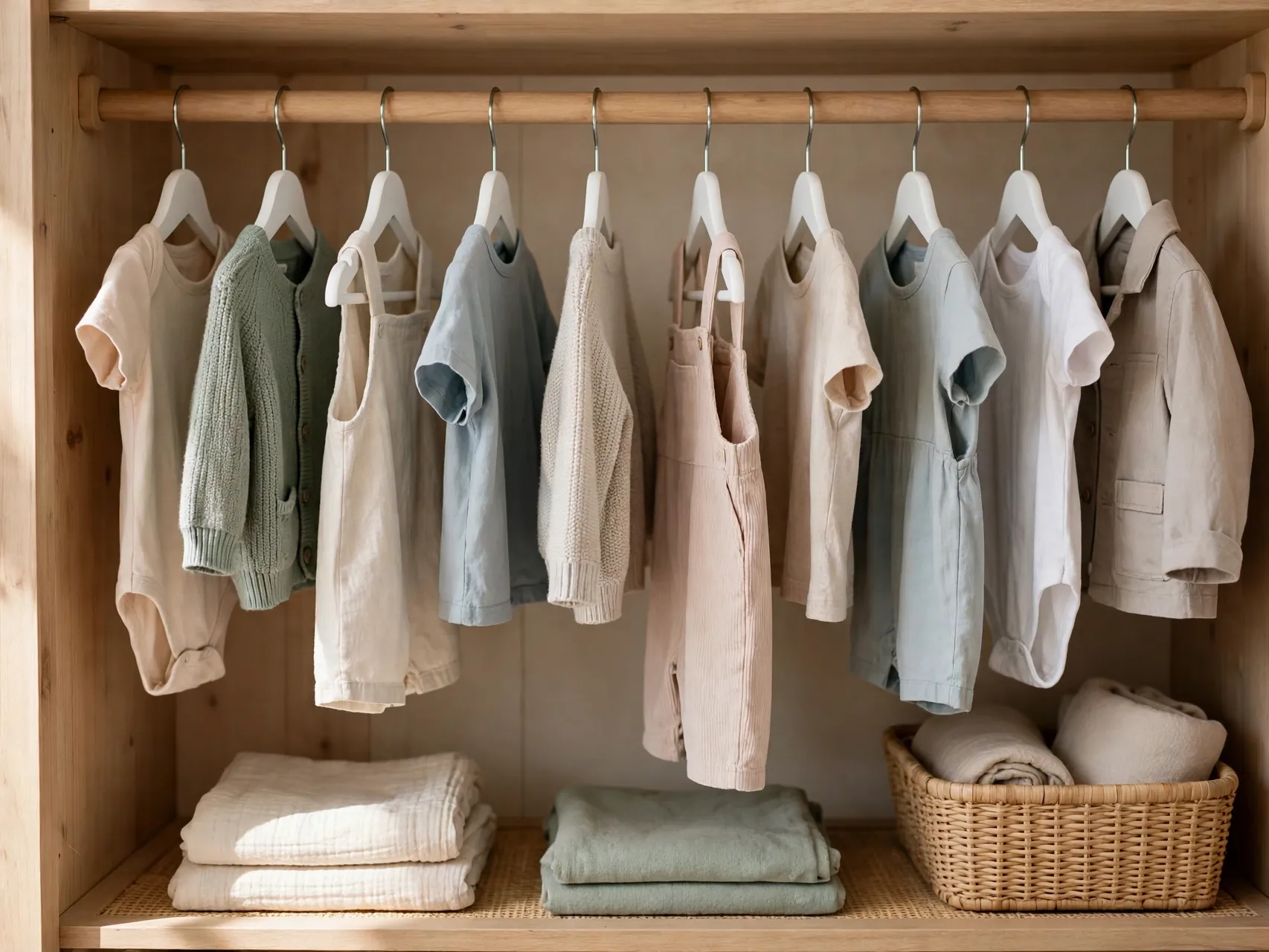
Matching slim hangers make all clothes hang at the same height and direction, which looks tidy and saves real space. Kids hangers in one color and style are inexpensive in multipacks. When the rod looks calm, kids notice mess sooner, and parents can spot the empty hangers that mean laundry is piling up somewhere else.
Test the layout for a week before you add anything else. Live with it, notice what you bump into, and move one or two pieces until reaching feels natural. A short trial.
Make Cleanup a Five Minute Game
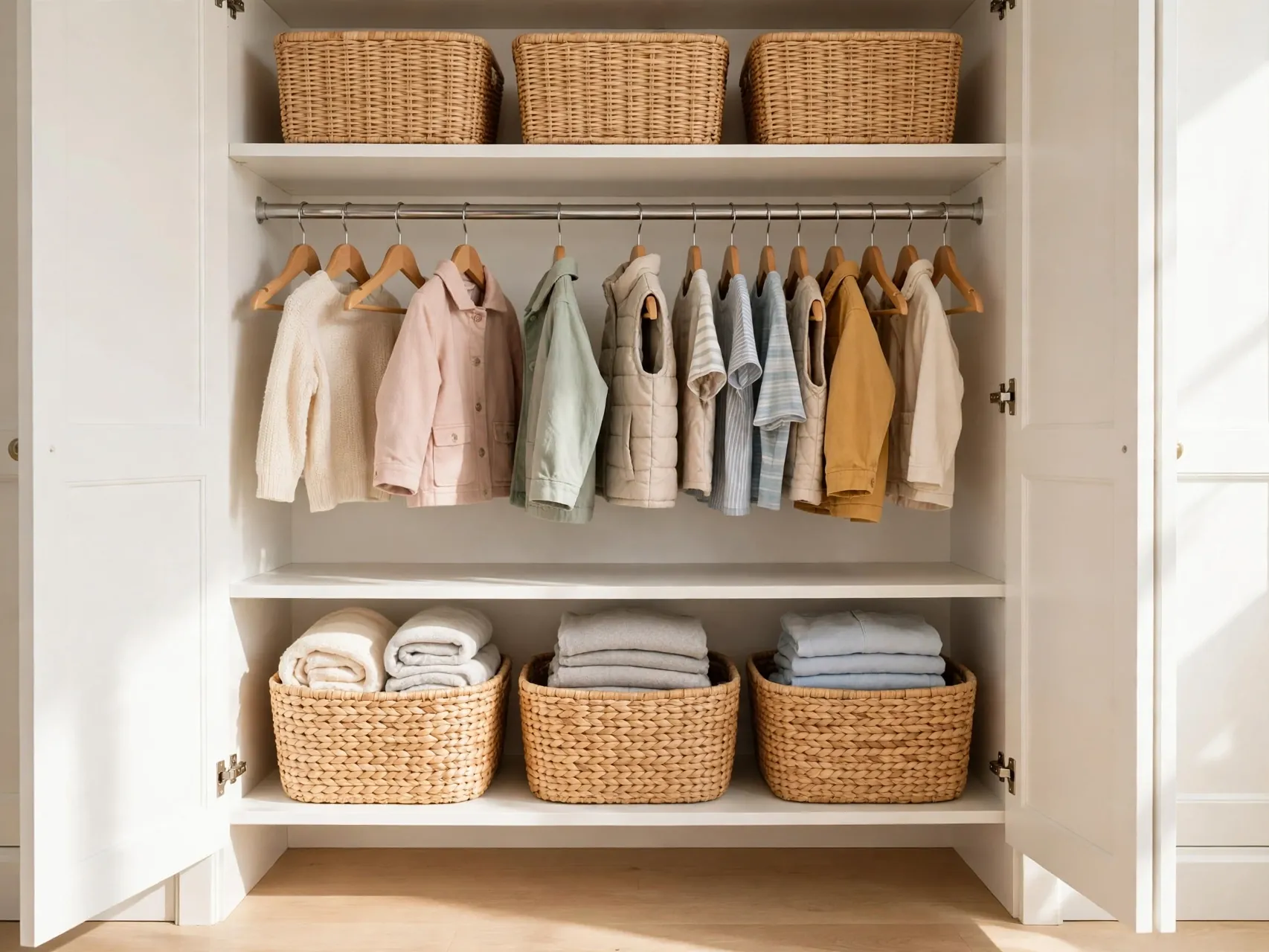
Systems stick when kids help maintain them. Set a timer for five minutes, play a favorite song, and race to return clothes to their labeled homes before it ends. Praise the finished closet, not just the speed. Short, regular resets teach the habit without turning tidying into a punishment or a weekend long chore.
Measure the spot before you buy anything, and leave a little breathing room so containers slide in and out without catching. Put the things you reach for most at the front and.
Label Sizes Inside Stored Bins

When you pack away outgrown or next size clothes, label the bin with the size range and season, like 4T Winter. Future you will thank present you when a growth spurt hits mid season. Clear bins help too, but a size label on the front saves opening three bins to find the one with the bigger pajamas.
Group similar things together first, then give each group one home. When a category starts to overflow, that is your signal to edit it down instead of buying a bigger container. A.
Do a Monthly Ten Minute Check In
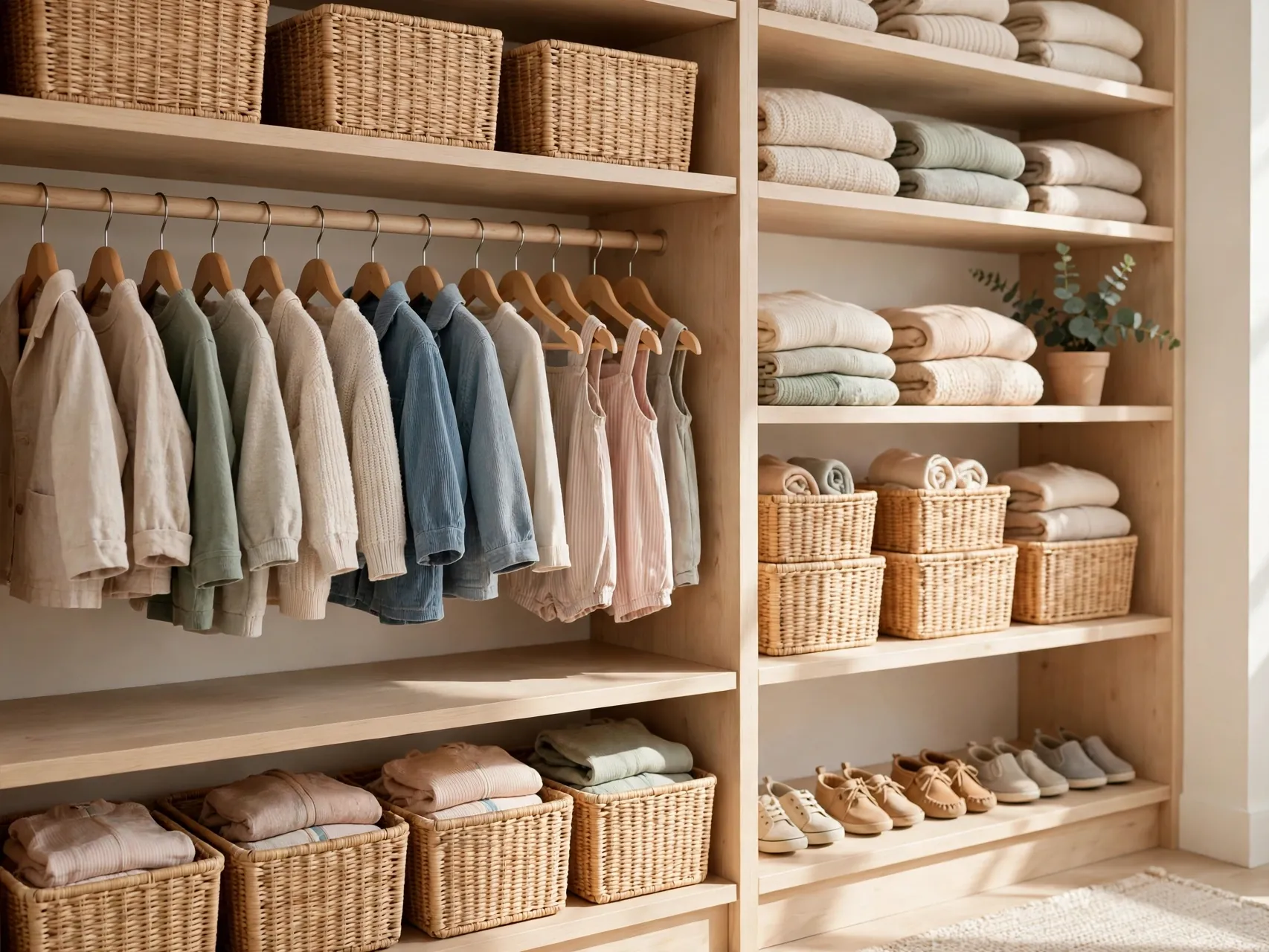
Once a month, stand in the closet with your child for ten minutes. Pull anything too small for the grow bin, return strays, and check that labels and rods still match their height and needs. Kids grow and change fast, so small monthly tweaks keep your kids wardrobe organization working instead of failing all at once.
Keep the setup easy to reset in under a minute. If returning an item takes several steps, it will end up on the floor or the counter instead. Open containers, clear fronts.
FAQ
At what height should a kids closet rod be?
The main rod should sit where your child can reach hangers comfortably without stretching or climbing, which for toddlers is much lower than a standard adult rod. Many families add a second low rod or a rod doubler, then raise or remove it as the child grows. Adjustable systems make this change quick and tool free.
How do I keep my child's closet organized for more than a week?
Make the system easier than the mess: open bins without lids, picture labels, clothes at child height, and a hamper inside the closet. Then add rhythm, a five minute tidy game weekly and a short check in monthly. Closets fail when putting things away is hard, not when children are lazy, so design for the easiest possible reset.
How should I organize a closet shared by two kids?
Give each child a clear side, their own bins in their own color, and name labels on shelves and drawers. A center tower makes a natural border. Keep shared items, like spare bedding, on the top shelf. Clear ownership stops most arguments and lets each child manage their zone at their own pace.
What do I do with clothes my child has outgrown?
Keep a grow out of it bin on the closet floor and drop too small pieces in as soon as you notice them. When it fills, label it with the sizes inside, then donate, pass it to a younger sibling's future bin, or store it. Sorting a few pieces weekly beats a stuffed closet and a huge seasonal purge.
How can I organize a baby or toddler closet with tiny clothes?
Use the short clothes to your advantage with double or triple hanging rods, size dividers on the rod, and low open bins for daily items. Store future sizes in labeled bins up high and use the door for diapers, wipes, and small accessories. Plan to rearrange every year or so, because a nursery layout will not suit a preschooler.
Key Takeaways
- Reach decides everything: Everyday clothes, bins, and shoes belong at your child's height, not yours.
- Open and labeled wins: Lid free bins with picture or color labels are the system young kids can truly follow.
- Plan for growth: Adjustable rods and shelves plus a grow out of it bin keep pace with constant size changes.
- Divide shared space: A side, a color, and a name per child ends most sibling closet battles.
- Small habits stick: Five minute tidy games and monthly check ins keep childrens closet organization alive.
- Parents keep the top: High shelves hold next sizes, keepsakes, and anything small hands should not grab alone.
Love these ideas? Save this post to Pinterest so you can find it later, and pin your favorite setup to your home organization board before you start.