23 Ways to Make Your Home Look Expensive on a Budget
Introduction
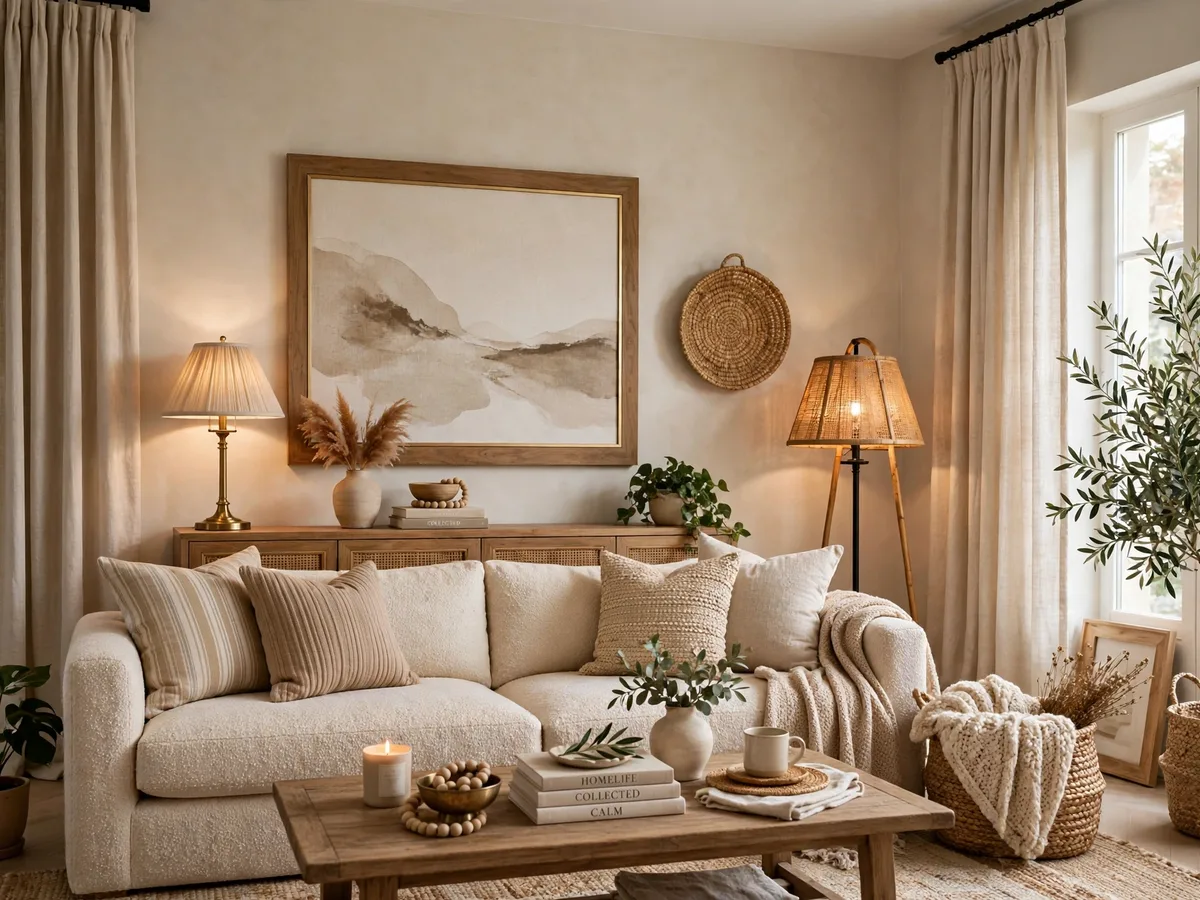
The homes that feel luxurious rarely rely on price tags. They rely on editing, scale, light, and a few repeated choices made with care. Learning how to make your home look expensive is mostly about seeing your rooms the way a stylist does, then fixing the small things that quietly cheapen them.
Start free. Declutter, rearrange, clean, and shop your own home before you buy anything. Most rooms need less stuff and better placement, not a shopping trip. Work room by room so each finished space teaches you what the next one needs.
Then spend slowly and only where it shows: light, curtains, hardware, and one or two strong pieces per room. These twenty three ways build on each other, and even the first five will change how your home feels by tonight.
1. Declutter Until Every Surface Breathes

Clear every flat surface down to two or three chosen pieces, then add back only what earns its place. Clutter is the fastest way to make good furniture look cheap, and clear space is the one luxury every expensive home shares.
Store daily items in closed baskets, drawers, and cabinets so rooms look calm at a glance. Keep counters almost bare, style shelves with breathing room, and let one beautiful object stand alone instead of crowding it with five small ones.
2. Pick One Calm Color Palette and Repeat It

Expensive rooms feel connected because colors repeat from space to space. Choose two or three main neutrals and one or two accent colors, then carry them through paint, textiles, and art across the whole home.
You do not need everything to match. You need the same warm white on walls, the same wood tone echoed in frames, the same accent in a hallway pillow and a bedroom throw. Repetition reads as intention, and intention reads as money.
3. Hang Curtains High, Wide, and Long

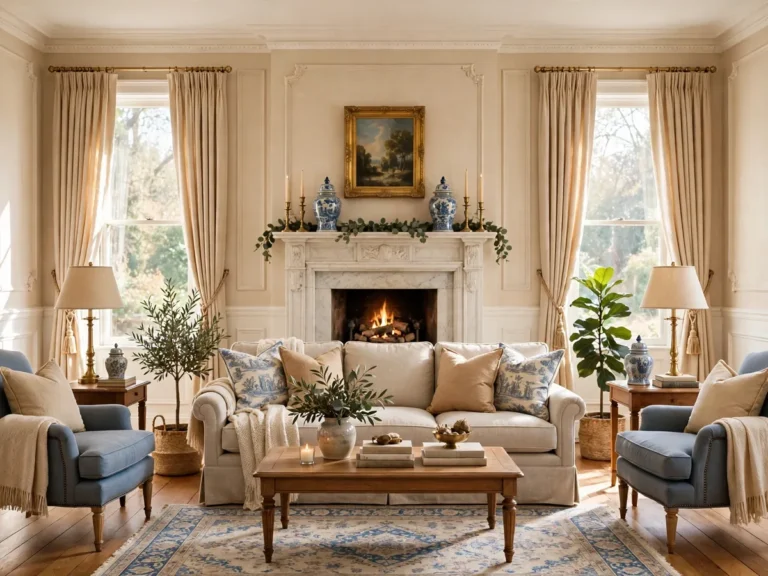
Short, skimpy curtains are a giveaway. Mount rods close to the ceiling and wider than the window so panels frame the glass instead of covering it, and let fabric just kiss the floor or puddle slightly.
Choose fuller panels rather than one thin panel per side, and steam out packaging wrinkles before the final hang. Lined or heavier look fabrics fall better and filter light softly. This one change makes ceilings feel taller and windows feel grand in every room.
4. Layer Lighting Instead of One Ceiling Light

A single overhead light flattens everything. Aim for several light sources per room at different heights: a ceiling fixture, table lamps, a floor lamp, and candlelight or picture lights where they suit the space.
Choose warm bulbs and keep the color temperature consistent within a room so light feels calm, not patchy. Put lamps where people actually sit. A softly lit room in the evening looks designed even when the furniture is simple and secondhand.
5. Go Bigger With Art and Mirrors

Small art scattered on big walls looks timid and cheap. One oversized piece, a framed print, stretched canvas, or even framed fabric, anchors a room and instantly raises the whole space around it.
Hang art at eye level with the center around seated or standing sight lines, and keep frames consistent in finish for a collected feel. A large mirror opposite a window doubles light and space. When in doubt on size, go one size up, not down.
6. Swap Dated Hardware in One Matching Finish
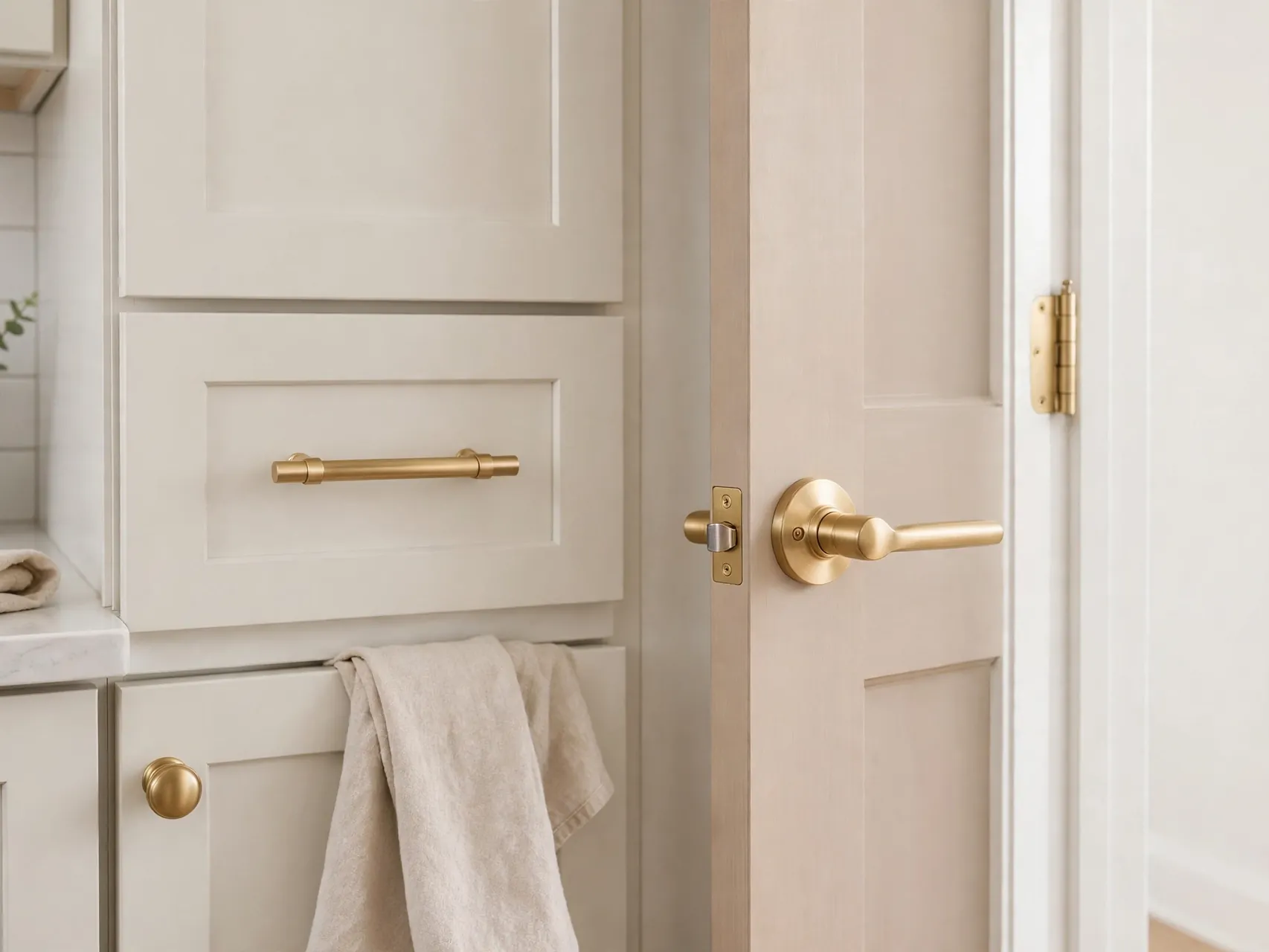
Cabinet knobs, drawer pulls, door handles, and faucets are the jewelry of a home, and mismatched or worn finishes date everything fast. Swapping hardware is a screwdriver job that needs no pro and no renovation.
Pick one finish for each room and repeat it everywhere, including hinges and switch plates where you can. Solid feeling metal pieces from hardware stores or secondhand sets work beautifully. Keep old hardware labeled in a bag in case you are renting and need to swap back.
7. Add Texture in Every Single Room

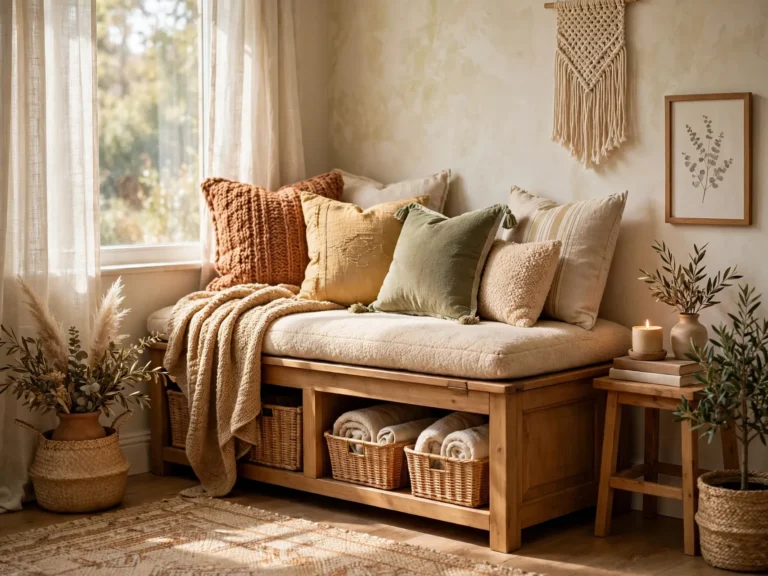
Flat rooms look cheap because everything is the same smooth finish. Layer contrasting textures: linen or velvet cushions, a woven throw, a jute or wool look rug, wood, ceramic, glass, and a plant in each main room.
You do not need many pieces. Three or four different textures in one corner change how light plays across it and how the room photographs. Natural materials, real or convincing look versions, always read richer than shiny plastic surfaces.
8. Size Your Rug to the Furniture, Not the Room Sale
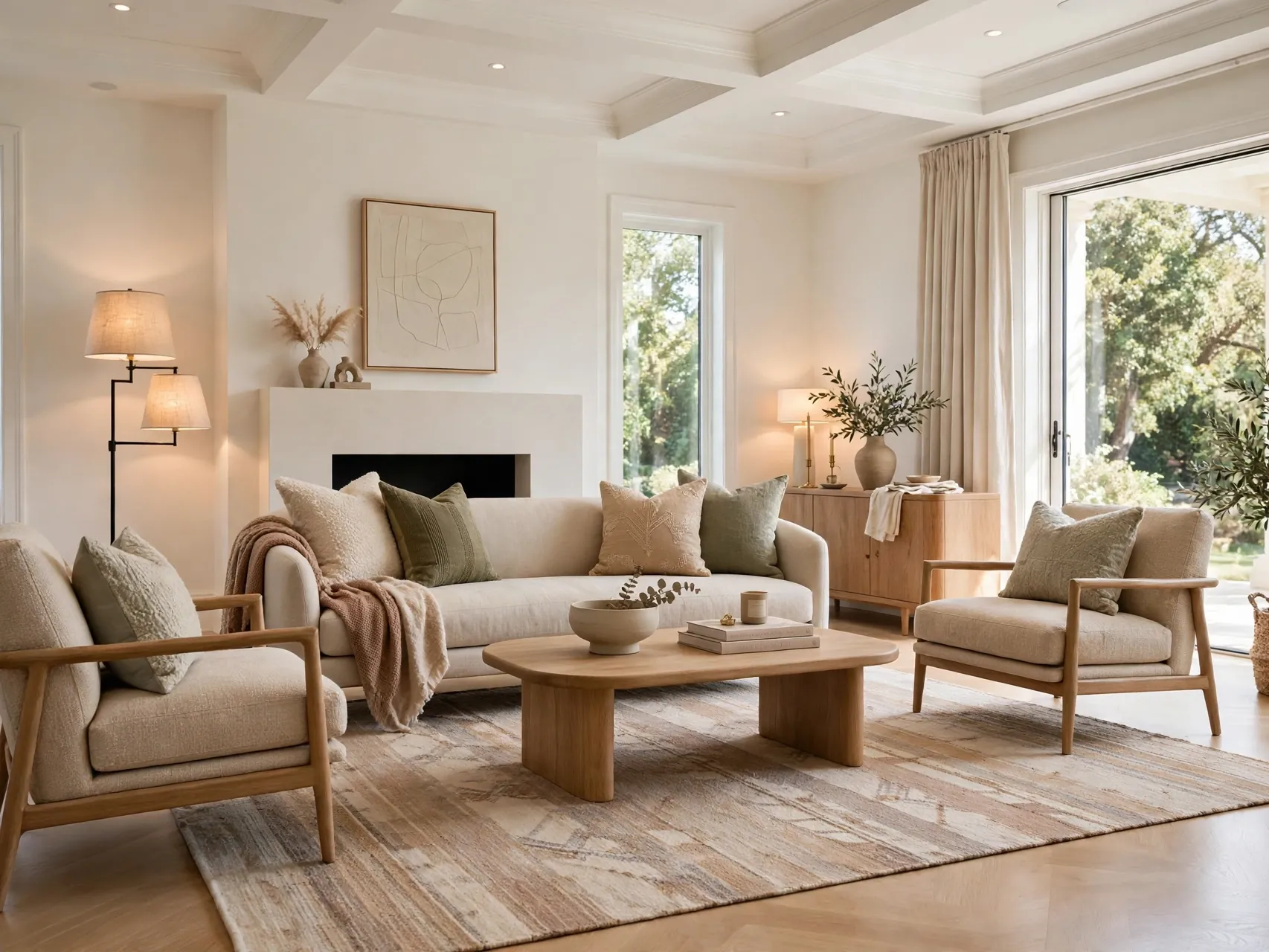
A tiny rug floating in the middle of a room shrinks everything. Choose a rug large enough that at least the front legs of sofas and chairs sit on it, anchoring the whole seating group together.
If a large rug is out of reach, layer a big flat natural fiber rug underneath and place a smaller patterned rug on top. This designer trick gives you scale affordably. Keep edges flat and use a rug pad so the layers stay safe and still.
9. Style Pillows Like a Designer, Not a Store Shelf
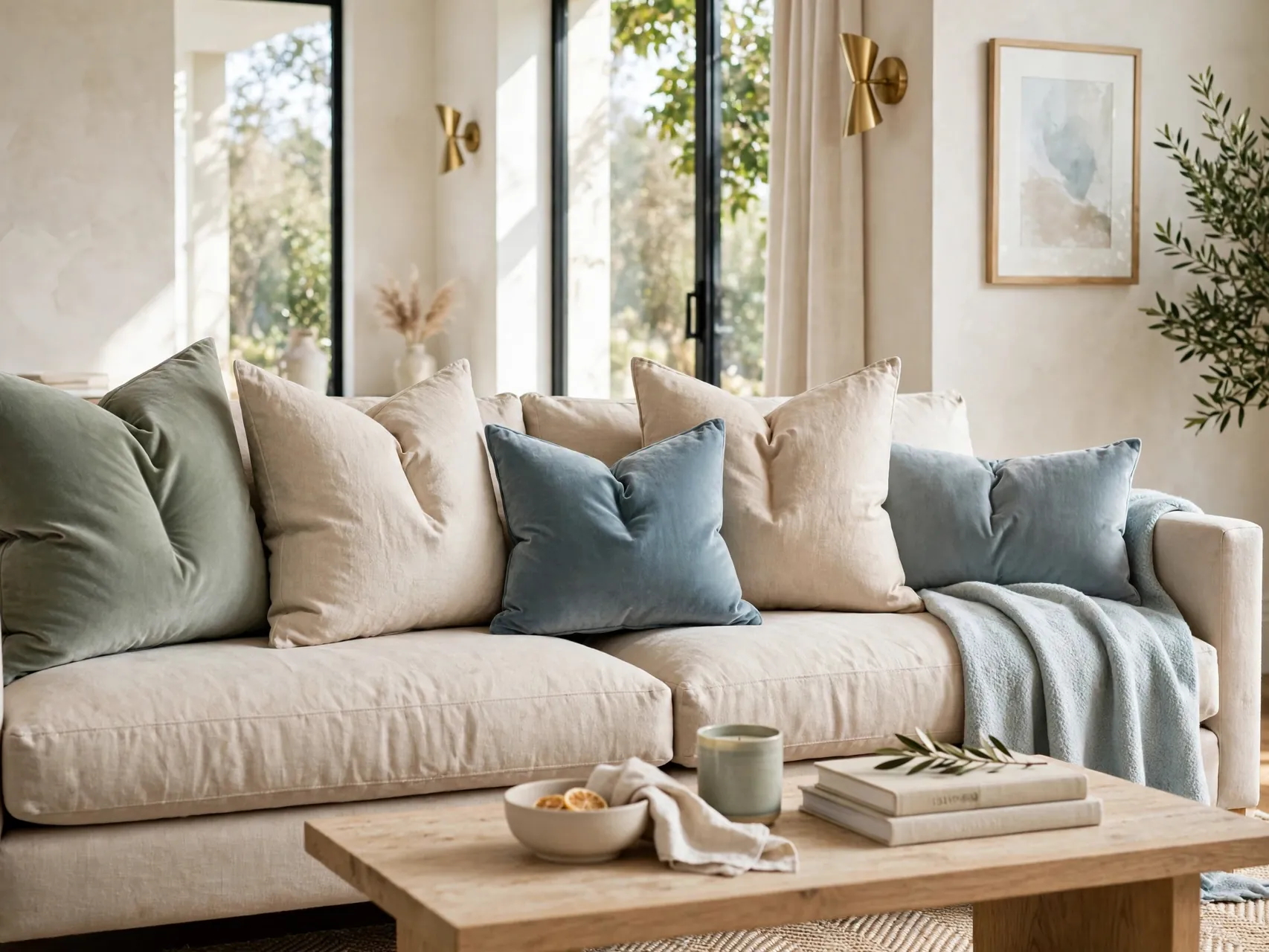
Swap thin pillow inserts for fuller ones and choose covers with zips in linen, velvet, or woven patterns. Mix two or three sizes on a sofa, keep colors inside your palette, and give each pillow a quick karate chop crease on top.
Odd groupings look relaxed and expensive, while a stiff matching row looks like a showroom. Rotate covers seasonally instead of buying new pillows, and store off season covers flat. Good pillows make even a basic sofa look tailored and inviting.
10. Paint With Intention, Including Doors and Trim

Fresh paint is the hardest working budget upgrade there is. A warm, considered wall color, clean trim, and painted interior doors in a soft contrast shade make a home feel finished and custom rather than builder basic.
Prep properly, use low or zero VOC paint, ventilate well, and keep sheen levels consistent: flat or matte on walls, satin on trim and doors. Touch up scuffs yearly with the labeled leftover paint. Crisp edges and no drips matter more than a fashionable color.
11. Hide Cords, Clutter, and Everyday Eyesores
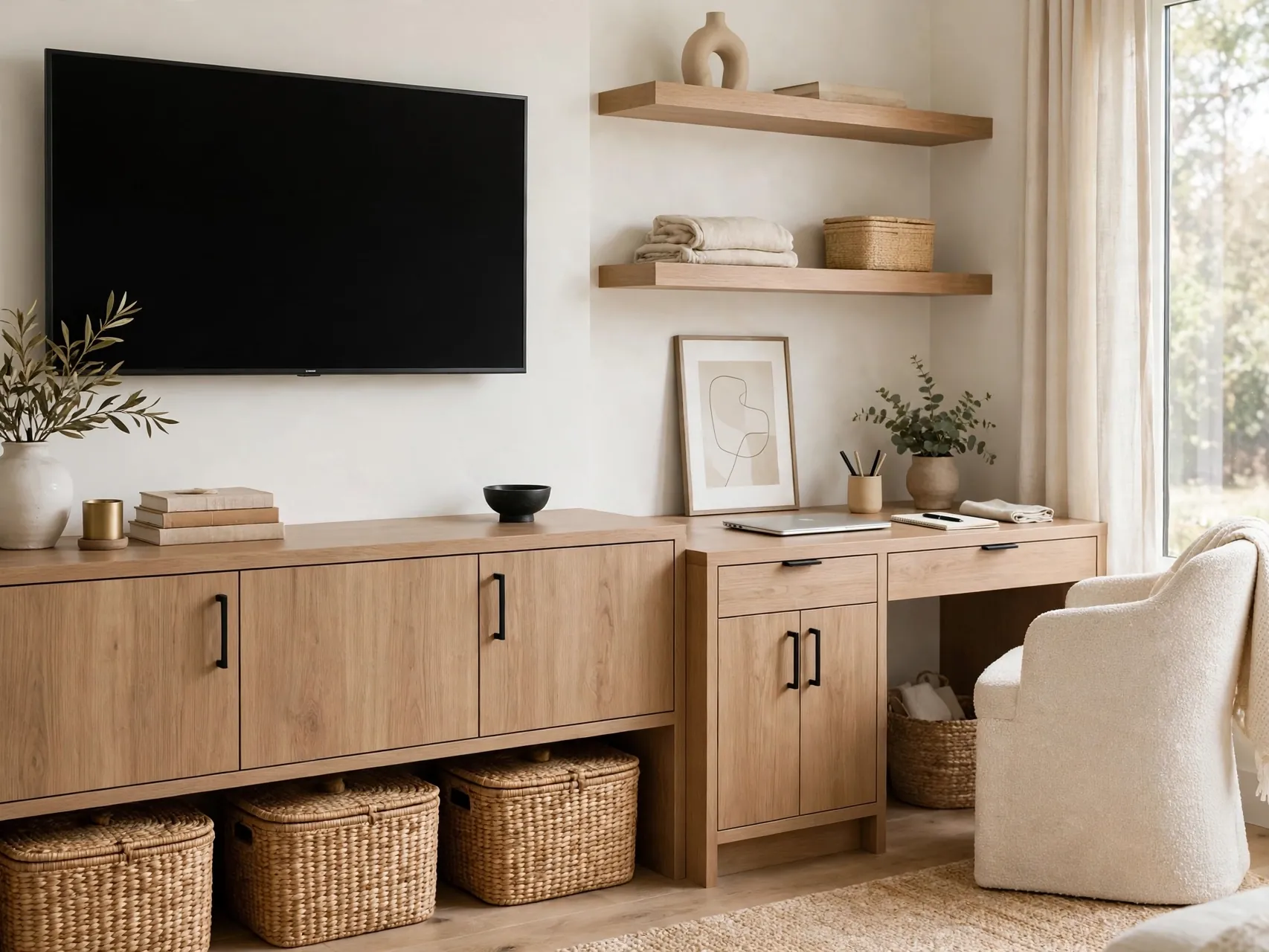
Expensive homes hide their mechanics. Bundle cords with ties or a cord box, route chargers inside a drawer, and keep remotes in one pretty tray or lidded box instead of scattered across the coffee table.
Cover or corral the visual noise: pet supplies in a basket, cleaning tools behind doors, paperwork in one closed file box. When the eye lands only on chosen objects, a room feels serene and costly, even if every single piece in it was a bargain.
12. Shop Secondhand for Real Materials

Solid wood, real marble offcuts, brass, leather, and wool show up constantly at thrift stores, estate sales, and online marketplaces for a fraction of new prices. One genuine vintage piece anchors a room of budget basics and lifts them all.
Shop with your palette and measurements on your phone, check pieces for sound structure, and clean or refinish at home. Patience beats budget here: a slow collected home almost always looks more expensive than a fast furnished one bought in a single weekend.
13. Give Every Room One Statement Piece
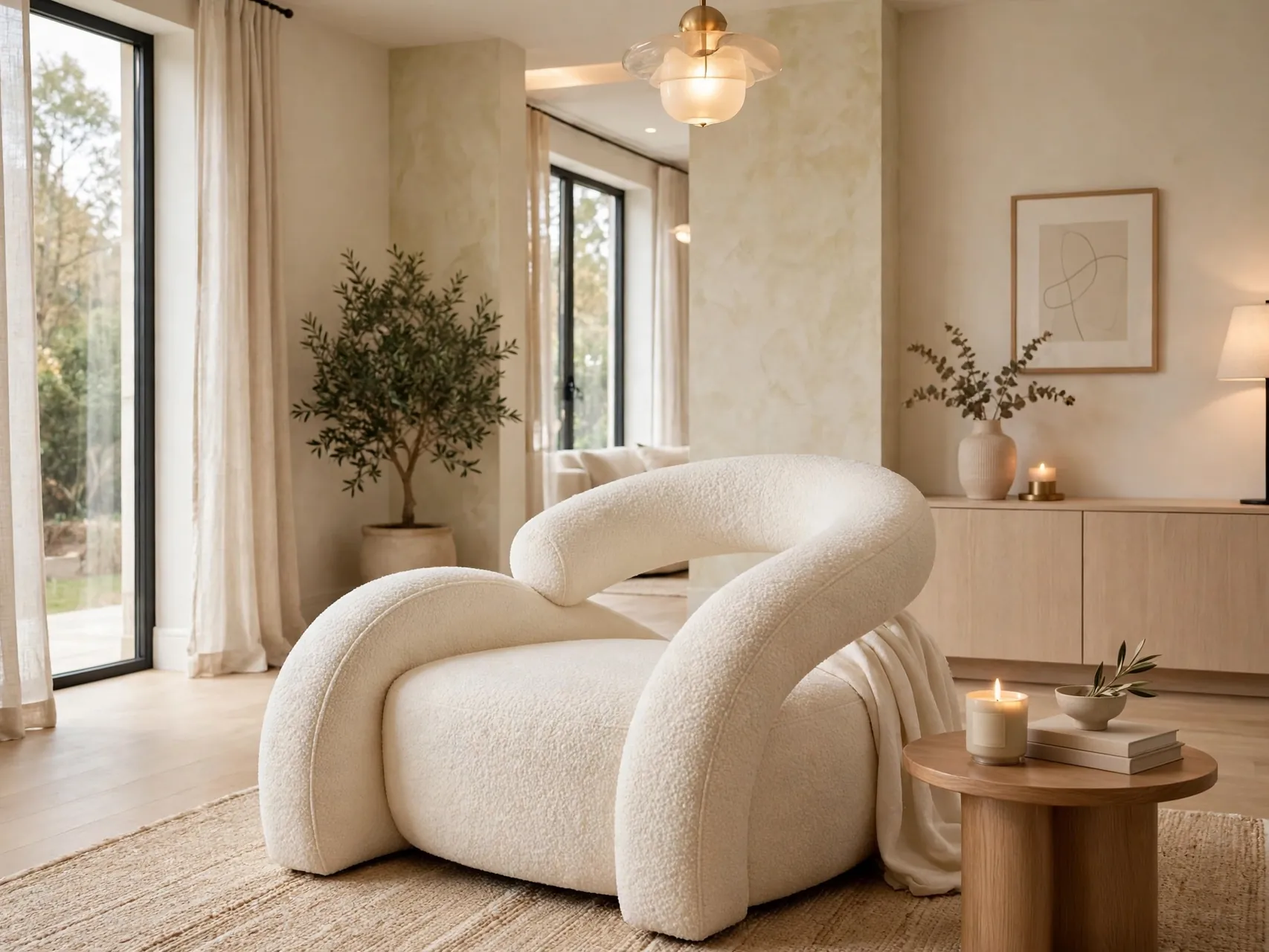
A room with ten medium pieces feels forgettable. A room with nine simple pieces and one strong one, a sculptural lamp, a bold chair, an oversized mirror, a dramatic plant, feels designed. Choose your statement per room and let everything else support it quietly.
The statement does not need to be new or costly. It needs scale, shape, or color confidence. Spend your limited budget here first, keep the supporting pieces calm, and resist adding a second competing hero in the same view.
14. Dress Beds and Sofas With Layered Linens

Hotels look expensive because bedding is layered: crisp sheets, a duvet or quilt folded at the foot, a throw across the corner, and pillows in two sizes. Copy the formula with washable basics in your palette colors.
On sofas, one folded throw draped over an arm does the same job. Iron or steam the visible top layer if you can, tuck edges neatly, and skip novelty prints in favor of stripes, checks, and solids that mix calmly across rooms and seasons.
15. Bring in Plants at Three Different Heights

Greenery signals care, and cared for homes feel expensive. Place plants at floor level in a large pot, on a table or shelf at mid height, and trailing from above, so the eye travels and the room feels alive.
Choose plants that suit your real light, group small pots together instead of scattering them, and keep pots in one or two finishes. Wipe dusty leaves, remove dead ones, and use a simple cache pot to hide nursery plastic. Healthy and tidy beats exotic every time.
16. Frame and Hang Everything Properly
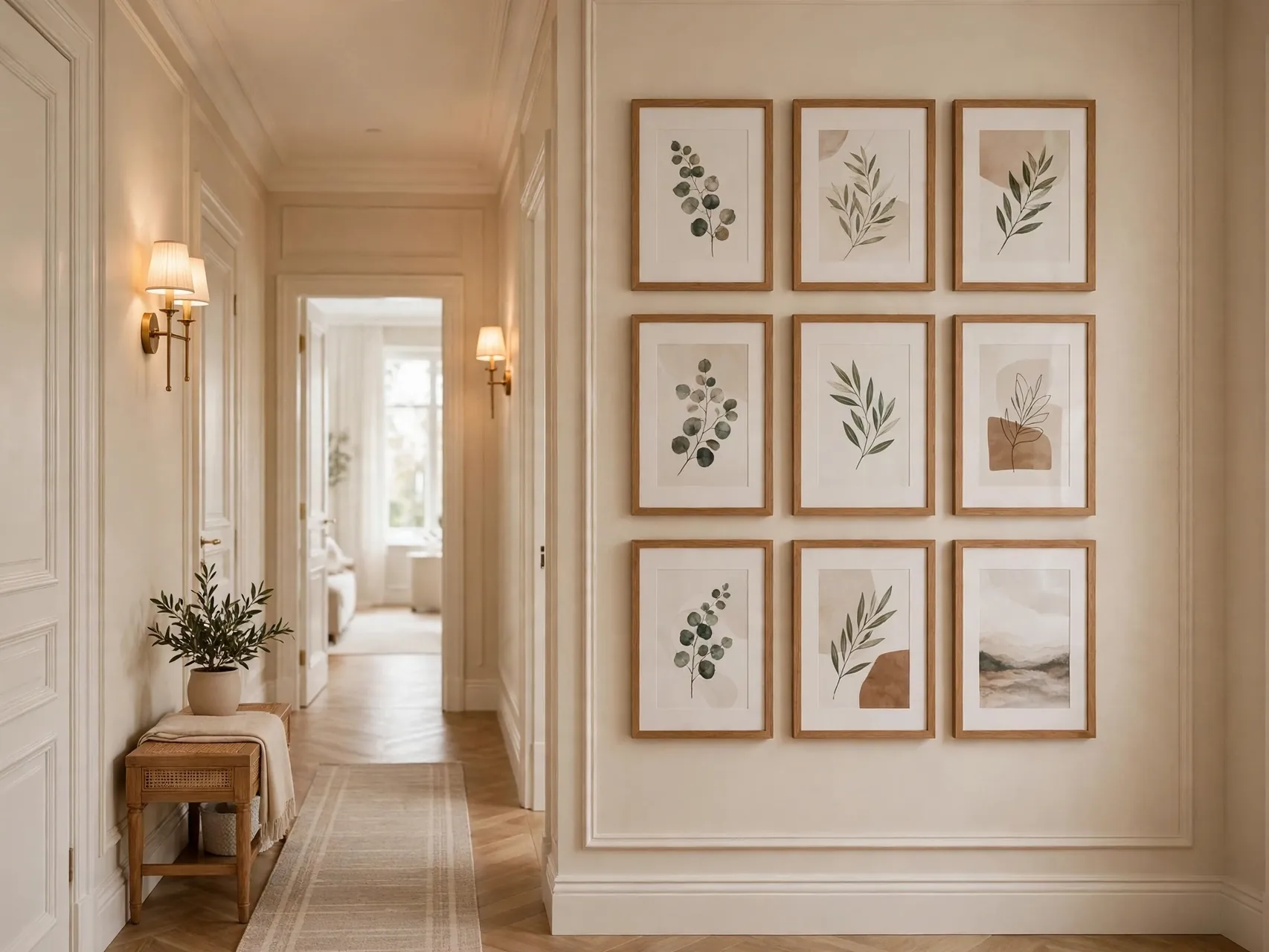
Loose posters, crooked frames, and art hung too high undo good rooms. Use real frames with mats for prints and photos, hang groups from a paper template first, and keep spacing consistent between pieces.
A mat alone makes inexpensive art look gallery ready. Print personal photos in black and white for instant cohesion. Step back and check levels from the doorway, because that first view is where a home either whispers money or admits it was rushed.
17. Upgrade the Entryway First Impression

Guests judge a home in the first ten seconds. Give the entry a mirror or art piece, a small console or shelf, a tray for keys, closed shoe storage, and the best light you can manage on a dim hallway budget.
Keep the floor completely clear and the coat hooks edited to what is in daily use. A clean doormat and a plant or branches in a vase finish the welcome. This small zone sets a promise that the rest of the home then keeps.
18. Make Bathrooms Feel Like a Small Hotel
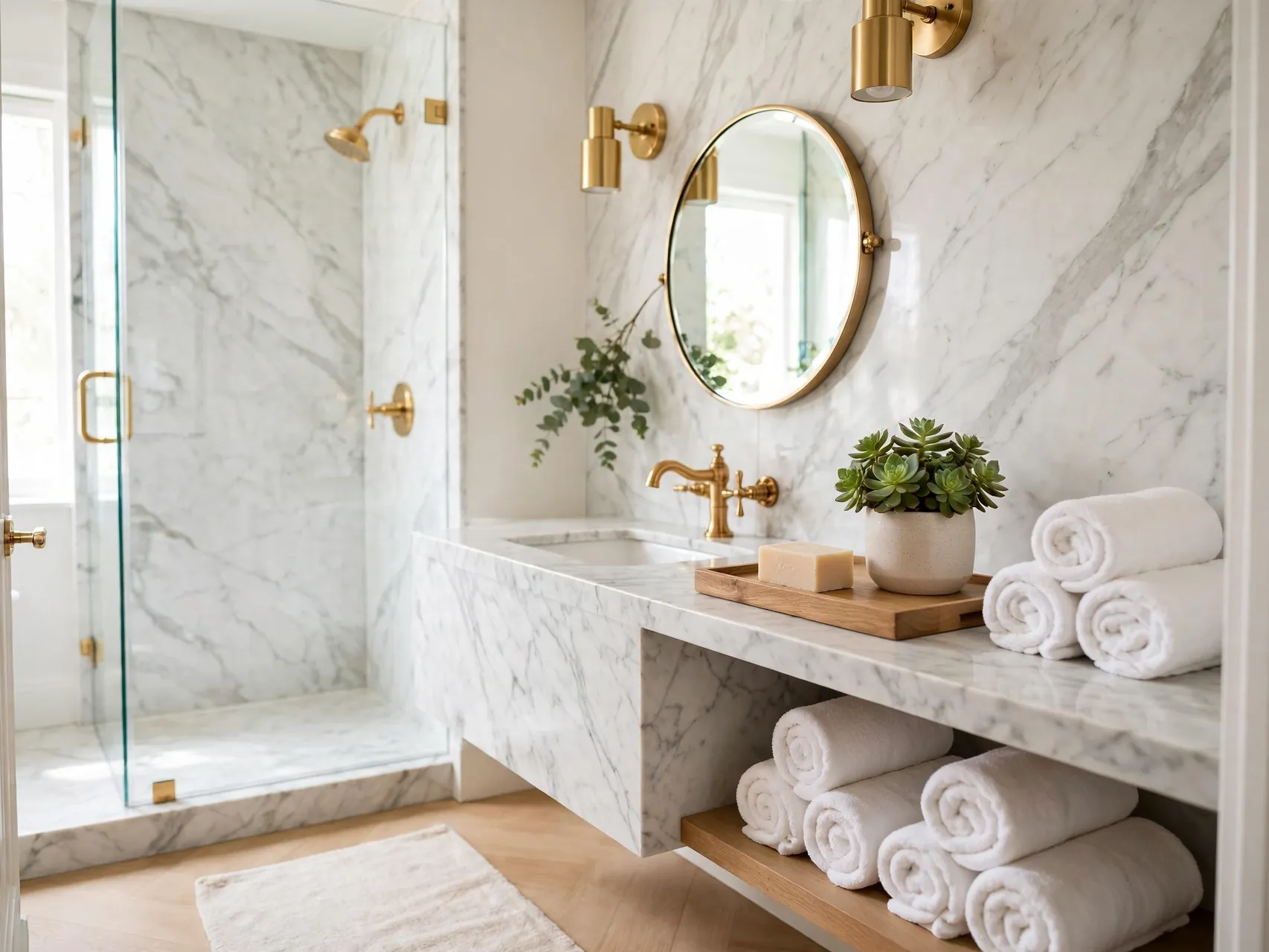
Clear bathroom counters to a soap dispenser, a tray, and one plant or candle. Roll or stack matching towels, choose a fabric shower curtain hung high, and decant mismatched bottles into simple containers or hide them in a cabinet.
A new mirror or painted frame, matching hardware, and a small stool or basket of spare towels complete the hotel feeling. These rooms are tiny, so a small spend here delivers the full expensive effect faster than anywhere else in the home.
19. Keep Kitchen Counters Nearly Empty

In kitchens, empty counters are the luxury. Store appliances you do not use daily, keep the daily ones grouped on one tray or board, and display only a few beautiful workhorses: a wood board, a crock of utensils, a plant, a bowl of fruit.
Match storage jars, label simply, and keep the sink area supplied with a nice soap and a folded towel. A calm kitchen photographs like a magazine kitchen, and cooking in it feels calmer too, which is the real point of the whole exercise.
20. Add Simple Architectural Detail

Flat walls look basic. Simple trim, picture frame molding, a chair rail, or board and batten in one room adds the architecture that older, expensive homes have built in. These are measuring, cutting, gluing, and painting projects well within beginner reach.
Start in a small room or one accent wall, keep profiles simple and consistent, and paint trim and wall in related tones. Check for wires and pipes before fixing into walls, and fill and caulk every joint so the finish reads crafted, not added on.
21. Match Your Metals, Woods, and Finishes

Nothing cheapens a room faster than five clashing finishes fighting in one view. Audit each room: keep one main metal, one supporting metal at most, and wood tones that share an undertone, warm with warm, cool with cool.
Use paint, stain, or swaps to bring strays into line over time. You do not need to replace everything at once. Simply stopping new clashes and repeating your chosen finishes in each purchase steadily pulls the whole home into a calm, expensive rhythm.
22. Use Trays, Books, and Vignettes to Style Surfaces

Designers style in small grouped scenes called vignettes: a tray holding a candle, a small plant, and a beautiful object, or a stack of two books with one piece on top. Grouping makes random objects look collected and valuable.
Work in odd numbers, vary heights, and leave empty space around each group. Edit ruthlessly: one strong vignette per surface is enough. Restyle with pieces from other rooms when a space feels stale instead of buying more, which keeps both budget and shelves under control.
23. Maintain, Repair, and Clean Like It Matters

The final secret is upkeep. Tighten wobbly handles, fix dripping faucets promptly or call a pro for plumbing, touch up paint, steam curtains, wash windows, and keep floors and glass shining. A modest home in perfect repair feels wealthier than a grand one falling apart.
Build a small monthly walk through with a notepad, catch issues while they are tiny, and keep basic supplies on hand. Care is visible. Guests may never name it, but a home where everything works and gleams is the one they call expensive.
FAQ
What is the cheapest way to make a room look expensive?
Start with the free moves: declutter every surface, rearrange furniture for better flow, clean deeply, and hang existing art at the right height. Then fix lighting with lamps you already own moved to better spots. These changes cost nothing and often deliver more transformation than the first purchase would, because expensive looking rooms are edited and lit well before they are decorated.
Which colors make a home look expensive?
Warm whites, soft greiges, deep greens, navy, charcoal, and rich wood tones all read luxurious when they are repeated calmly through a home. The color itself matters less than consistency and contrast: light walls with deeper accents, or one moody room balanced by calm neighbors. Test paint on the wall and watch it in morning and evening light before committing to a whole room.
How can renters make a home look expensive without permanent changes?
Focus on curtains hung with removable solutions where allowed, layered lighting, large rugs, framed art on approved fixings, peel and stick products tested in a hidden spot first, and furniture with real material feel. Keep original hardware and fittings labeled for move out day, and check your lease before painting or drilling. Styling, editing, and light do most of the expensive work anyway.
Where should I spend first if my budget is very small?
Spend where your hands and eyes land daily: lighting bulbs and one good lamp, curtain panels for the main room, matching hardware for the kitchen or bathroom, and pillow covers for the sofa. Buy these slowly, secondhand where possible, and keep every purchase inside your palette. Avoid spreading a small budget thinly across many tiny decor items that never gather into a look.
Do I need to replace my furniture to get an expensive look?
Almost never. Most furniture looks expensive once the room around it is edited, lit, and scaled correctly, with a proper rug under it and good textiles on it. Clean upholstery, condition leather and wood, tighten legs, and update hardware first. Replace only pieces that are broken, badly uncomfortable, or hopelessly wrong in scale, and replace them slowly with the best quality you can find secondhand.
Key Takeaways
- Edit before you buy: Clear surfaces, calm palettes, and hidden cords do more for an expensive look than any single purchase.
- Scale is the designer secret: Bigger art, longer curtains, larger rugs, and one statement piece per room instantly raise a space.
- Layer light and texture: Several warm light sources plus mixed natural textures make even budget furniture feel rich and welcoming.
- Repeat your finishes: One metal, related wood tones, and colors carried room to room create the calm rhythm of costly homes.
- Shop slow and secondhand: Real materials found patiently anchor a room far better than fast sets bought all at once.
- Loved these ideas? Save this guide to Pinterest and pin your favorite way to make your home look expensive on a budget.