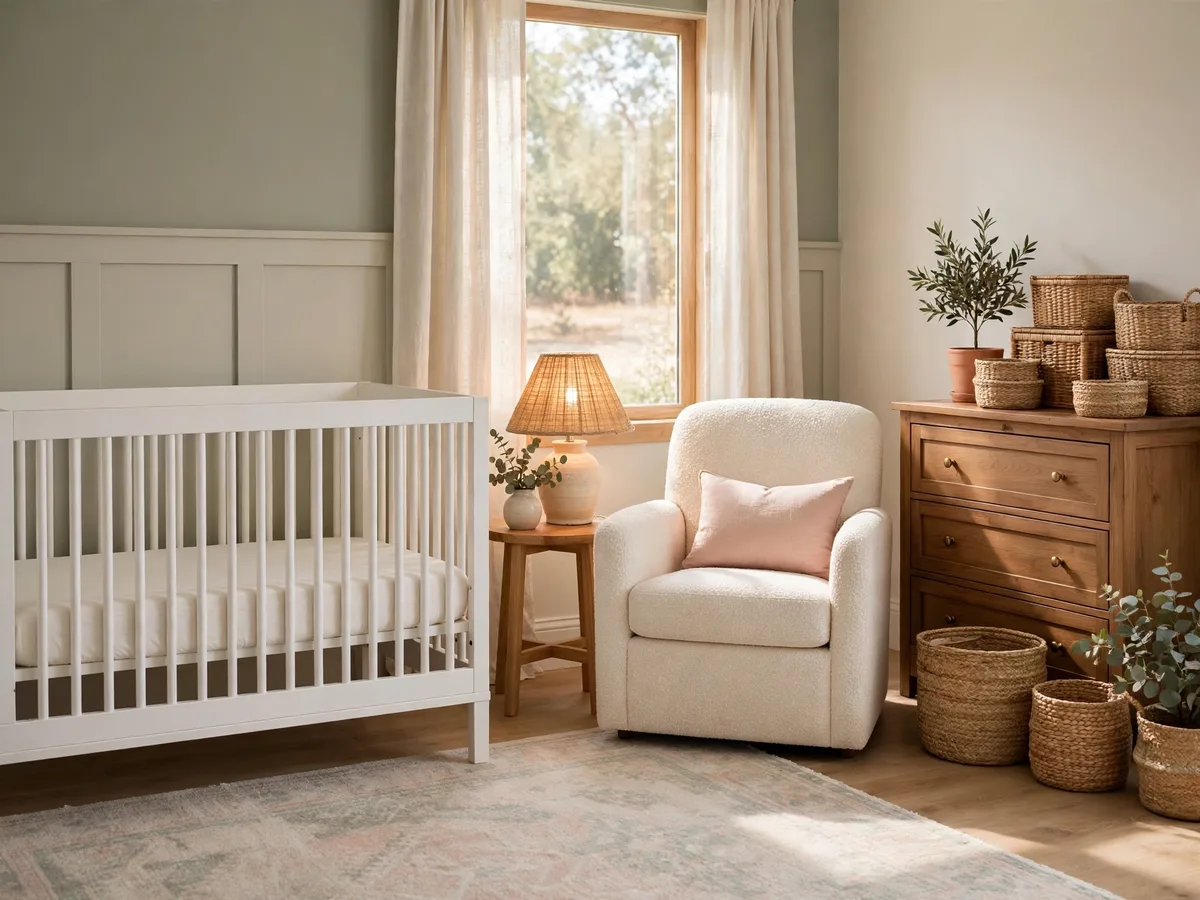
20 Nursery Ideas So Stunning You Will Want to Copy Them
Introduction
The most beautiful nurseries are not the most expensive ones. They are the rooms where every pretty choice also works hard: a crib that is safe and lovely, storage that swallows clutter, light that suits both playtime and 3 a.m. feeds. These nursery ideas collect the looks parents save most, built on a foundation you can trust.
Safety comes first in this list, on purpose. Current AAP and CPSC guidance shapes everything here: a bare crib with a firm, flat mattress for infants, furniture anchored to the wall, cordless window coverings, and decor placed where little hands cannot reach it. Within that safe frame, there is endless room for beauty, personality, and the themes you have been pinning for months.
Work through the ideas in order if you are starting with an empty room, or jump to the small space and finishing sections if your basics are set. By the end you will have a newborn nursery setup that looks stunning in photos and, more importantly, feels wonderful to actually live in every day.
1. Plan the Layout Around Safe Sleep First

Start every nursery with the crib position, because safe sleep anchors the whole room. Place the crib on a solid wall away from windows, cords, heaters, and anything that hangs or could fall, with clear space around it. Then arrange the chair, dresser, and storage in support of that sleep zone, keeping your walking path from door to crib simple and obstacle free.
This layout first thinking is what separates rooms that merely photograph well from rooms that work at 2 a.m. You will cross this floor half asleep, holding your baby, hundreds of times.
2. Choose a Crib That Meets Current Safety Standards
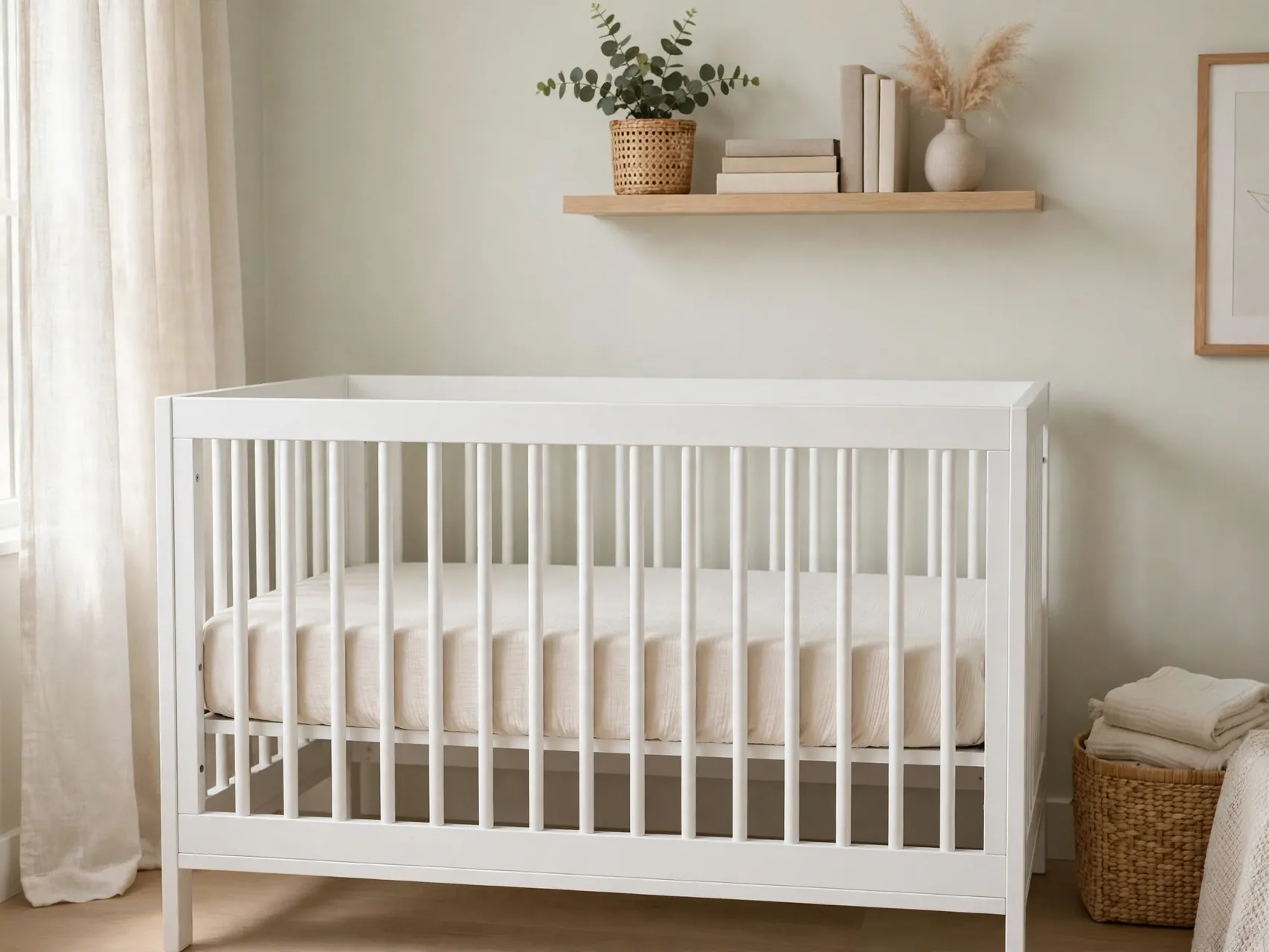
The crib is the one purchase to research before all others. Choose a crib that meets current CPSC safety standards, with fixed sides, sturdy construction, and slats spaced no more than 2 3/8 inches apart so a baby cannot slip through or become trapped. The mattress should fit snugly with no gaps at the edges and be firm and flat.
Convertible cribs that become toddler beds are a smart, sustainable choice and suit almost every style, from natural wood to classic white. Follow the maker assembly instructions exactly, tighten every fitting, and recheck them over time.
3. Keep the Sleep Space Bare and Simple
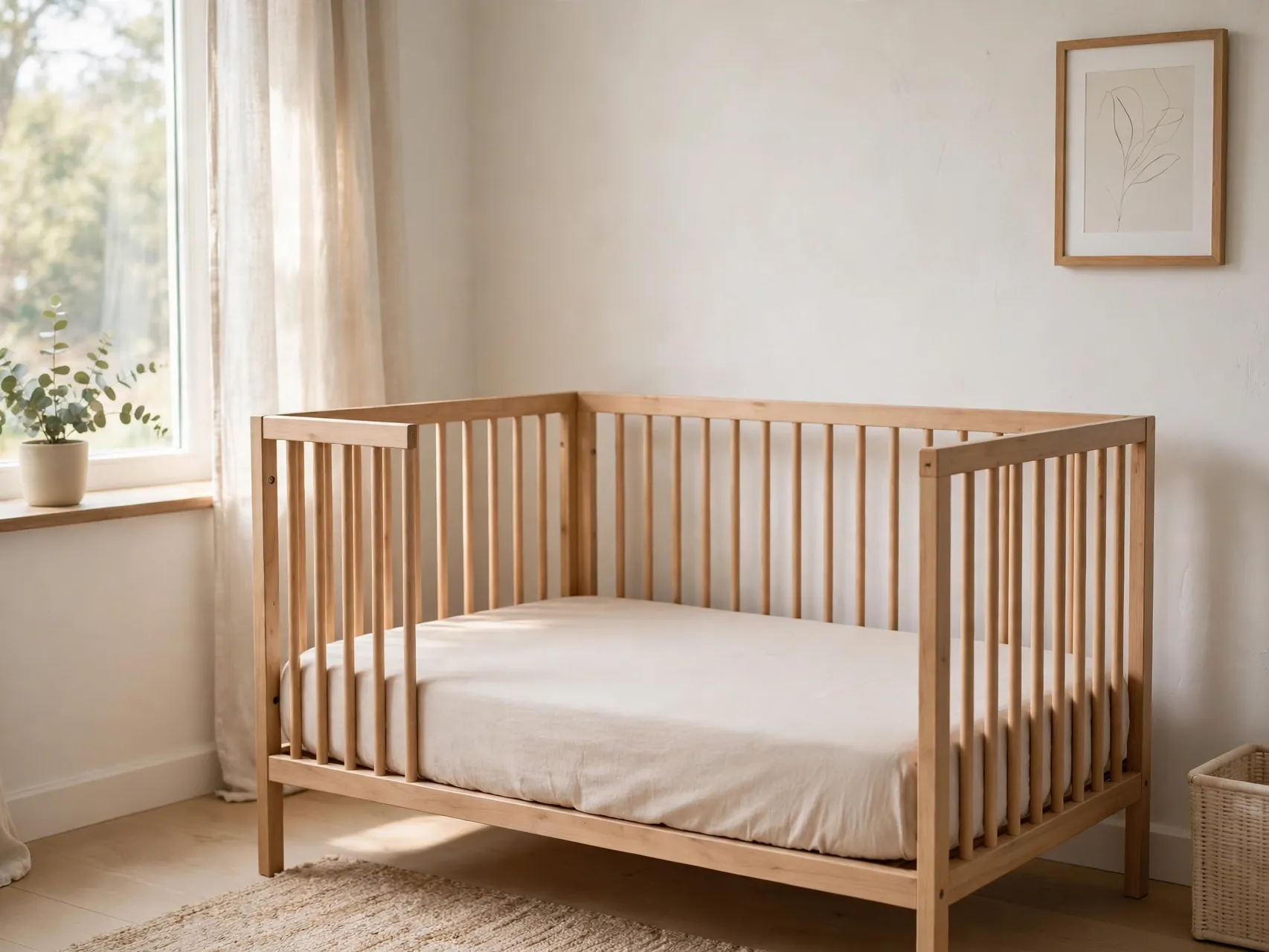
Here is the idea that matters most in this entire list: for infants, the beautiful crib is an empty crib. AAP guidance is clear that babies should sleep on a firm, flat mattress with a fitted sheet and nothing else in the crib. No pillows, loose blankets, bumpers, wedges, or plush toys belong in the sleep space, however lovely they look in styled photos.
Create the soft, layered look around the crib instead: a beautiful rug, textured curtains, art on the walls, a knit throw over the nursing chair. If you worry about your baby warmth, use an appropriate sleep sack or wearable blanket as guidance suggests.
4. Set Up a Feeding Corner With a Comfortable Chair
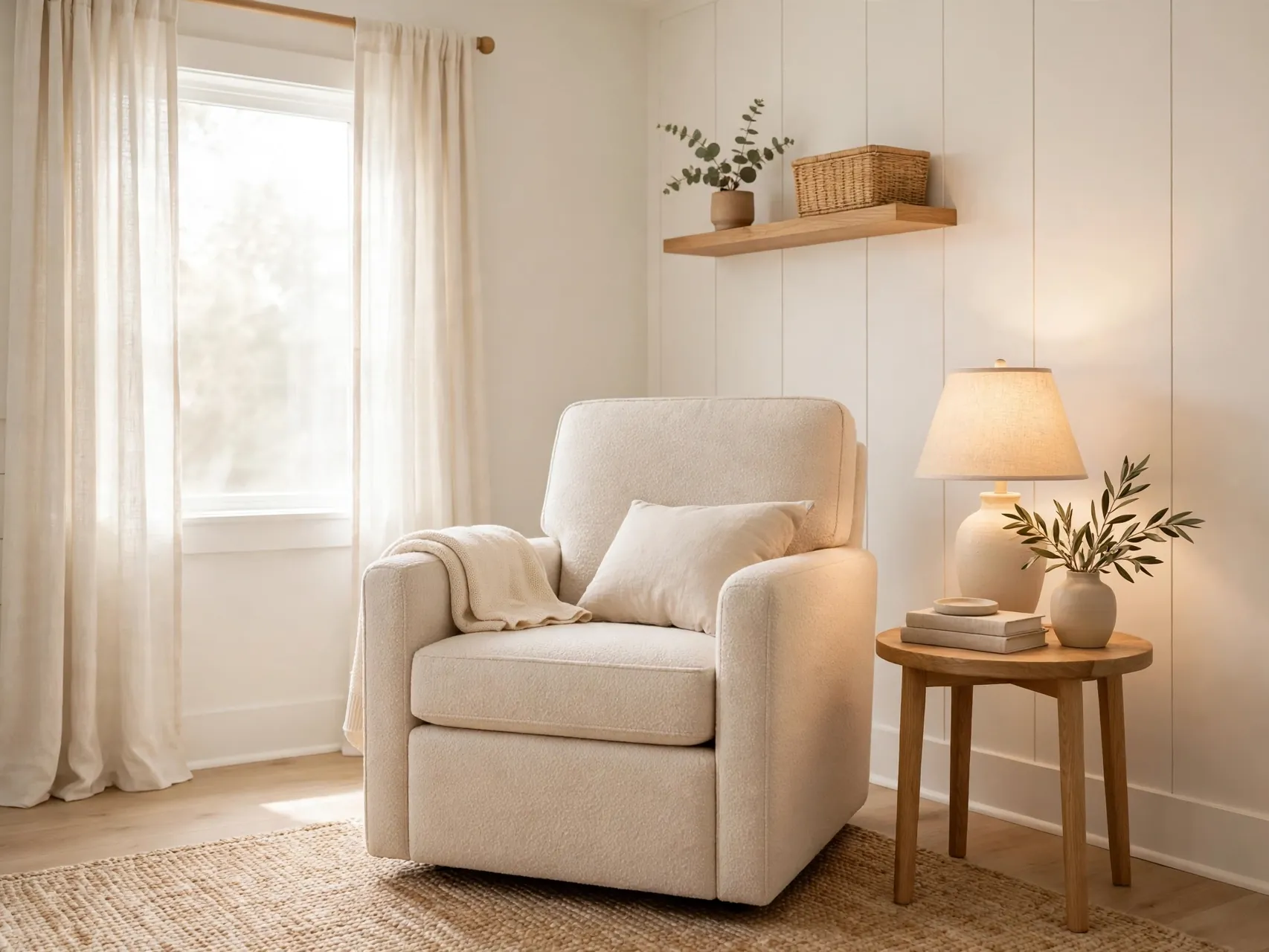
You will spend more hours in the feeding chair than anywhere else in the nursery, so choose it like you mean it. A supportive chair or glider with arms at a kind height, a cushion for your back, and a footstool if space allows turns night feeds from endurance into something almost peaceful. Upholstery in a washable or wipeable fabric will earn your gratitude quickly.
Add a small side table for water, a snack, and your phone, plus a warm, low lamp you can switch easily with one hand. Keep a basket of burp cloths and supplies within reach.
5. Build a Changing Station on a Sturdy Dresser

A wide, sturdy dresser topped with a secure changing pad is the hardest working setup in most nurseries. It gives you storage drawers below, a changing surface at a comfortable height, and a piece of furniture that stays useful for a decade after diapers end. Choose a dresser deep enough to hold the pad safely with room for supplies at the back.
Anchor the dresser to the wall, use the pad safety strap, keep every supply within your reach so you never step away, and always keep one hand on your baby on the raised surface. Store creams and small items in closed drawers as your baby grows more curious and grabby.
6. Anchor All Tall Furniture to the Wall

Furniture tip over injuries are preventable, and anchoring is the prevention. Secure the dresser, bookshelf, wardrobe, and any tall storage to the wall using the anti tip hardware supplied or suitable straps, following CPSC guidance and the maker instructions. Do this during setup, before the room fills with the beautiful distractions of decor.
While you are at it, audit the room like a future toddler: drawers that open into climbing steps, shelves with heavy items stored high, lamps that can be pulled by a cord. Store heavy things low, lock drawers when curiosity arrives, and recheck anchors after any furniture move.
7. Use Cordless Window Coverings Throughout
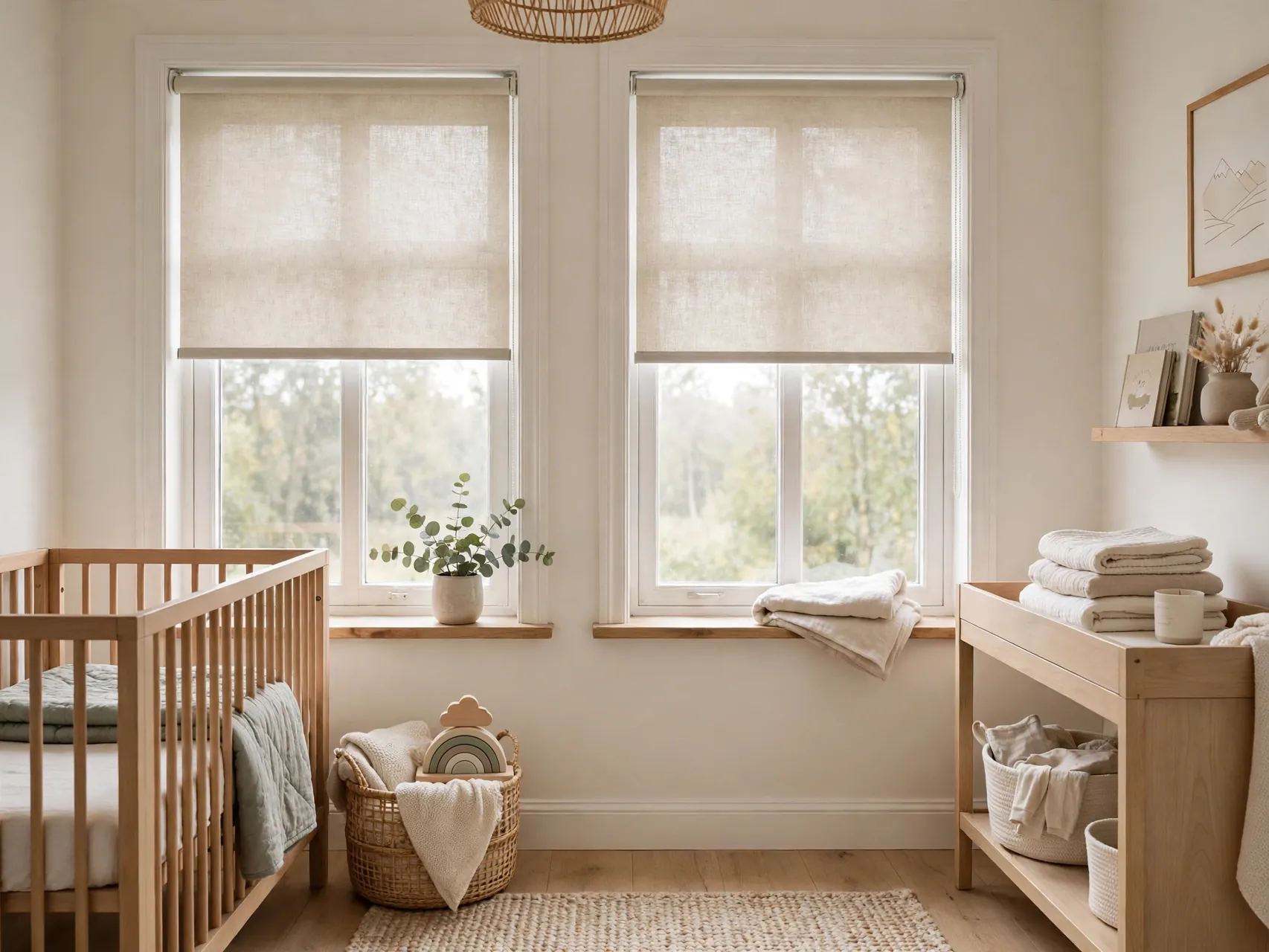
Window covering cords are one of the most serious hidden hazards in a nursery, so choose cordless blinds, shades, or curtains with no accessible cords anywhere in the room. This is non negotiable near the crib, but it is wise throughout, because babies grow into climbing toddlers faster than any parent expects.
Cordless designs also look cleaner, which suits every nursery style from minimal to traditional. If your room has existing corded coverings, replace them or fit the safety devices recommended by the CPSC and keep cords completely out of reach in the meantime.
8. Pick a Calm Palette That Grows With Your Child

The smartest nursery palettes are calm now and flexible later. Warm whites, soft neutrals, sage, dusty blue, blush, or gentle clay on the walls create a soothing base that suits a newborn and still works for a five year old. You can add age and personality through art, books, cushions on the chair, and toys, which are cheap and easy to swap.
Test paint colors in large samples and check them in daylight and evening light before committing. A palette that grows saves money, waste, and a full redecoration every two years.
9. Add Smart Storage With Baskets and Drawers
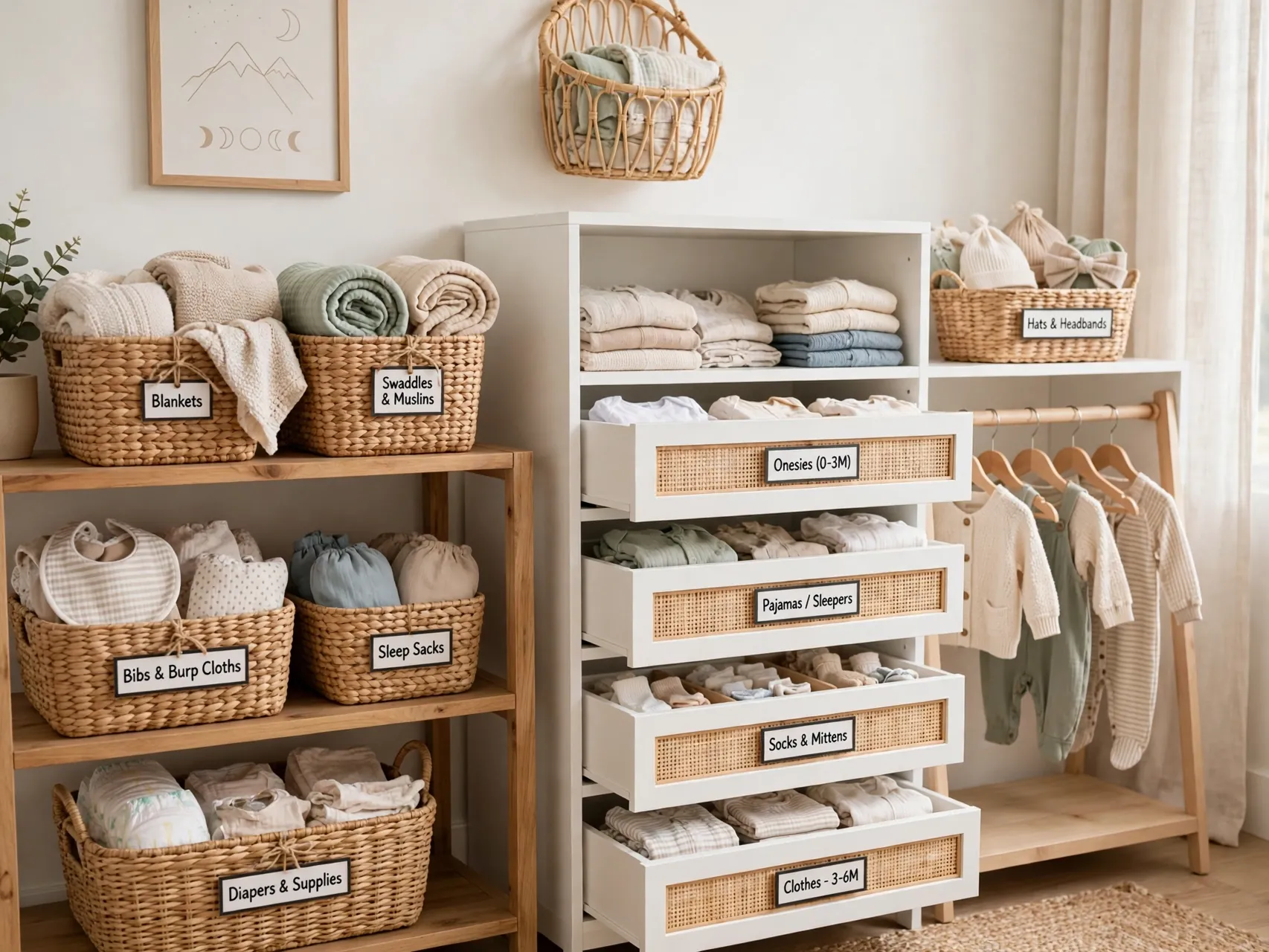
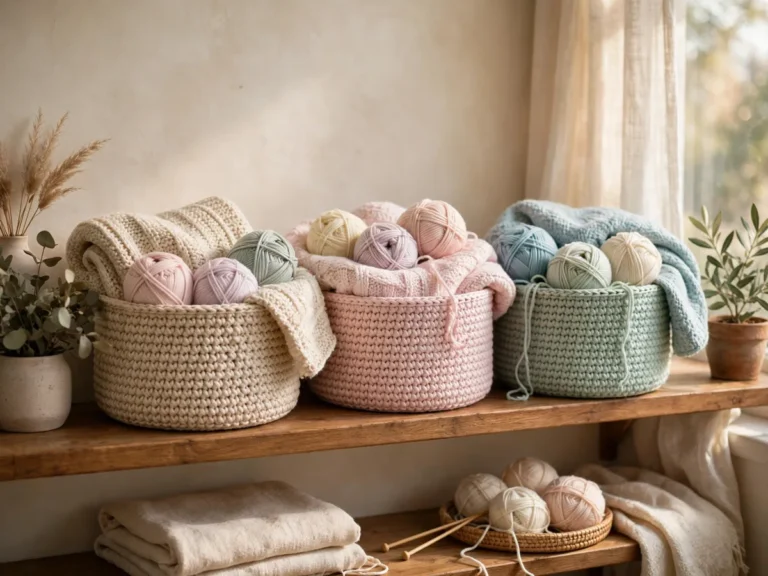
Babies generate astonishing amounts of stuff, and stunning rooms hide it beautifully. Combine dresser drawers for clothes, a shelf or two of woven baskets for toys and supplies, and one lidded basket by the chair for the daily essentials. Closed storage keeps the room serene, while clearly zoned baskets mean partners and grandparents can find and return things easily.
Keep the storage you use hourly at waist height and within reach of the chair and changing dresser. As your baby becomes mobile, move small items, creams, and anything breakable into closed or latched storage out of reach.
10. Layer Lighting for Day, Night, and Feeds
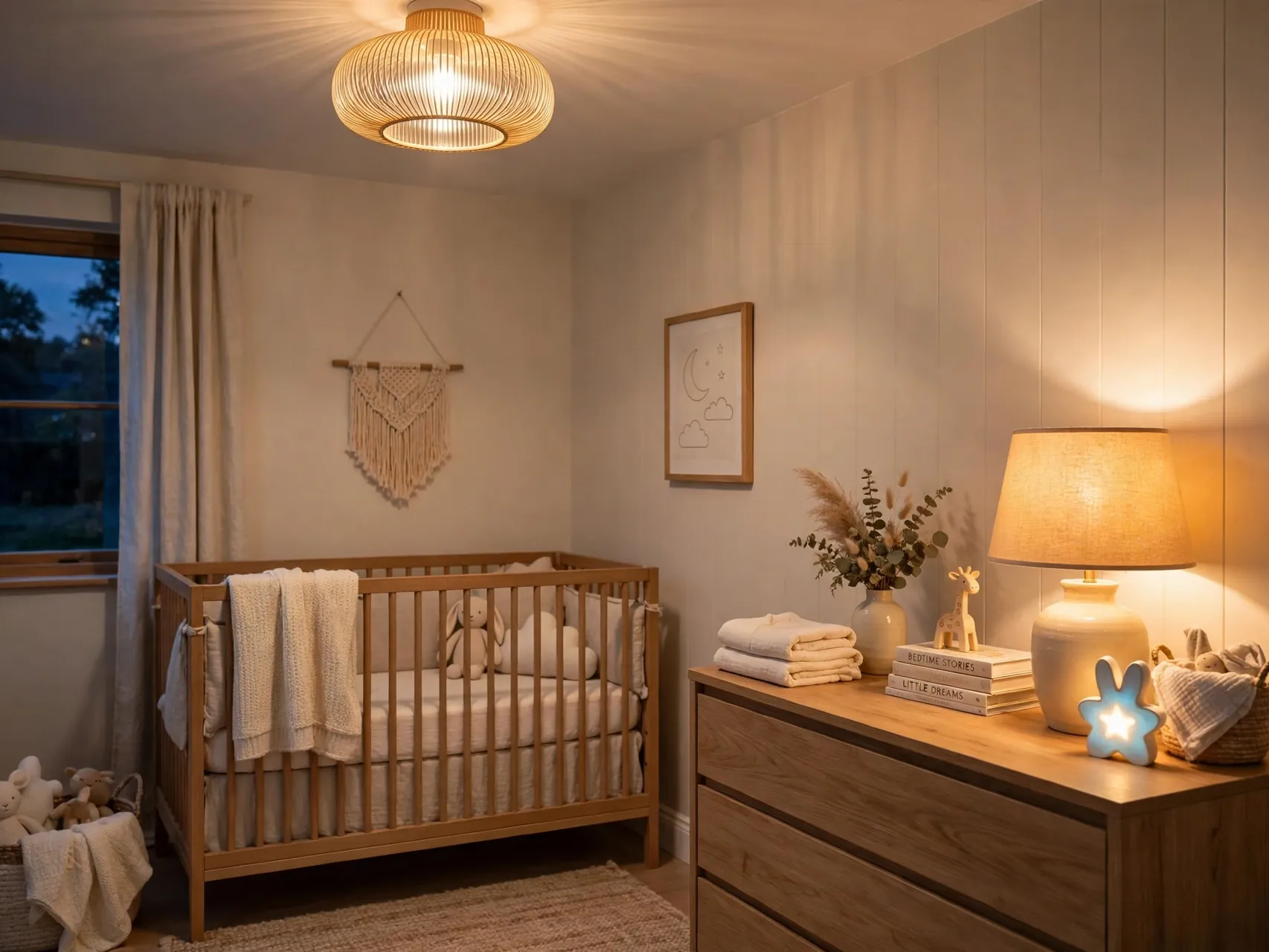
One harsh ceiling light cannot serve a nursery whole day. Layer it instead: bright, soft general light for play and dressing, a warm lamp near the chair for feeds and stories, and a very dim night light for checks and changes that keeps everyone drowsy. This layering is one of the most copied nursery decor ideas because it changes how the room feels at every hour.
Choose warm bulbs, keep lamps stable and cords secured out of reach, and consider dimmers if your fittings allow. Never hang light fittings or anything else directly above the crib.
11. Add Blackout Coverage for Easier Naps
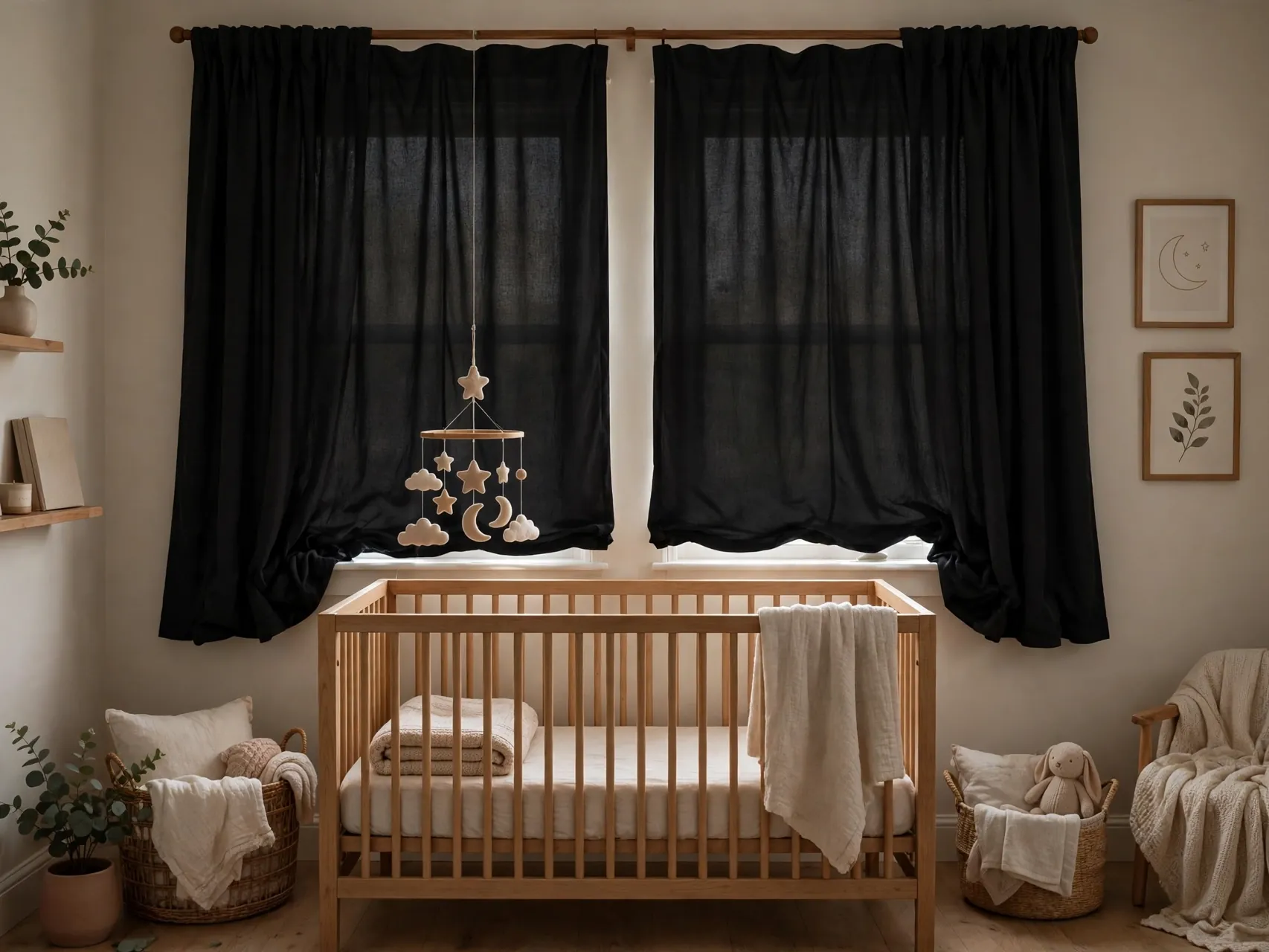
Daylight naps go better in a properly dark room. Fit blackout curtains or shades, choosing cordless options or curtains without accessible cords, and check the edges for light leaks that can signal morning far too early to a light sleeping baby. Many families layer blackout coverage behind sheer or decorative curtains for the best of both worlds.
Good blackout coverage also helps the room stay cooler in bright summer weather. Pair it with your layered lighting plan and the nursery becomes a sleep friendly cave on demand, then a bright playroom again in seconds.
12. Create a Tiny Reading Nook for Story Time
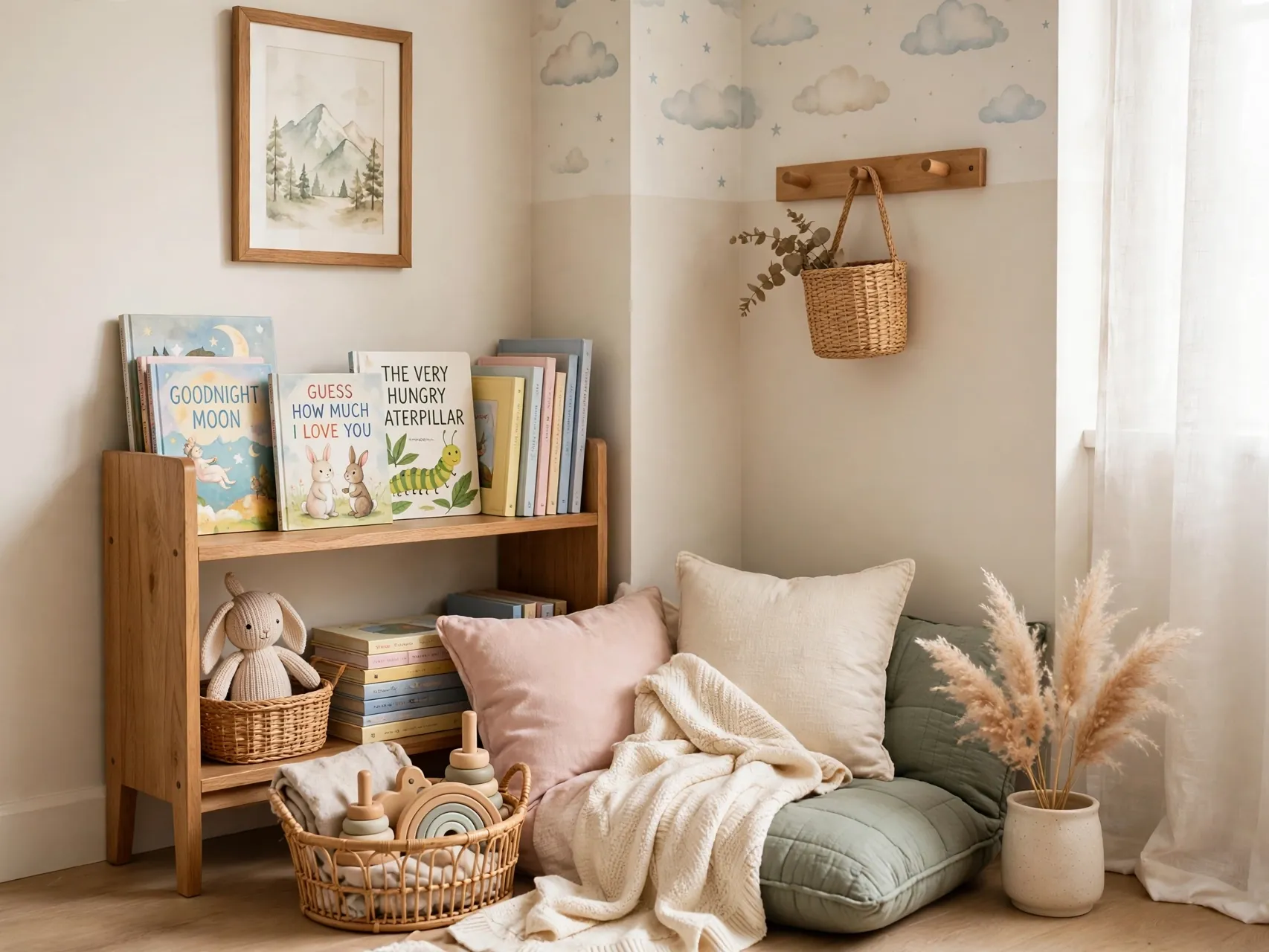
A reading nook starts on day one with you reading aloud in the chair, and grows into your child favorite corner. Add a low basket or small shelf of board books near the chair, a soft cushion for floor story time later, and warm light. Books displayed with covers facing out invite little hands once your baby is sitting and reaching.
Keep the collection small and rotate it from a storage basket elsewhere, because a few loved books beat a crowded shelf at this age. This is a supervised play and bonding zone, separate from the crib.
13. Hang Art Securely, Away From the Crib
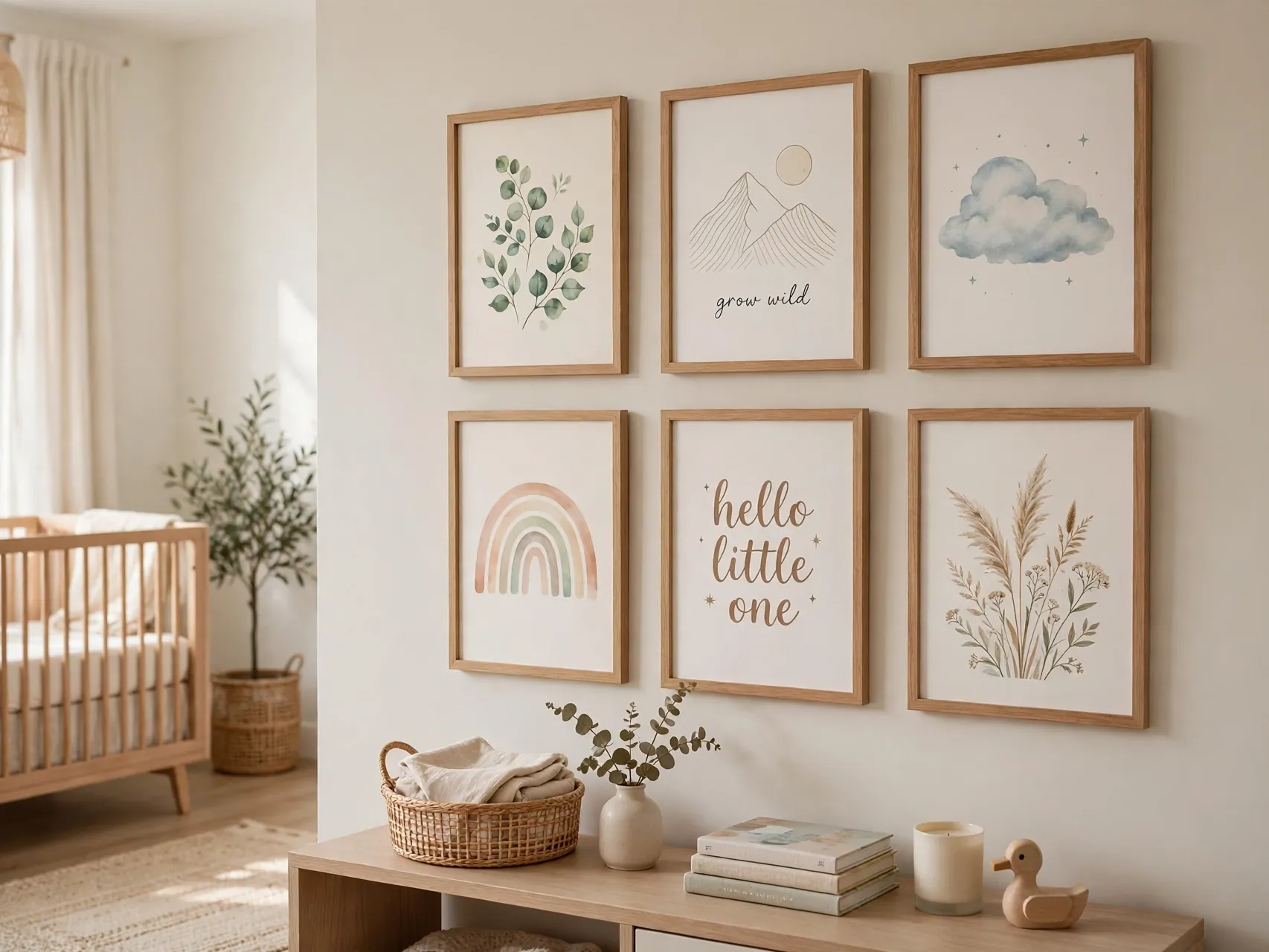
Art is where a nursery gets its personality: gentle animal prints, a name sign, family photos, or a soft landscape series. Hang pieces where they can be enjoyed from the chair and during play, using fixings proper for your wall type, and check every frame is secure. Lightweight frames are the wise choice for nursery walls.
Keep art and shelves off the wall above the crib, so nothing can ever fall into the sleep space, and never hang anything within a baby reach from the crib. A gallery grouping on the dresser wall or opposite the crib gives you the styled look with complete peace of mind.
14. Use a Washable Rug to Soften Hard Floors
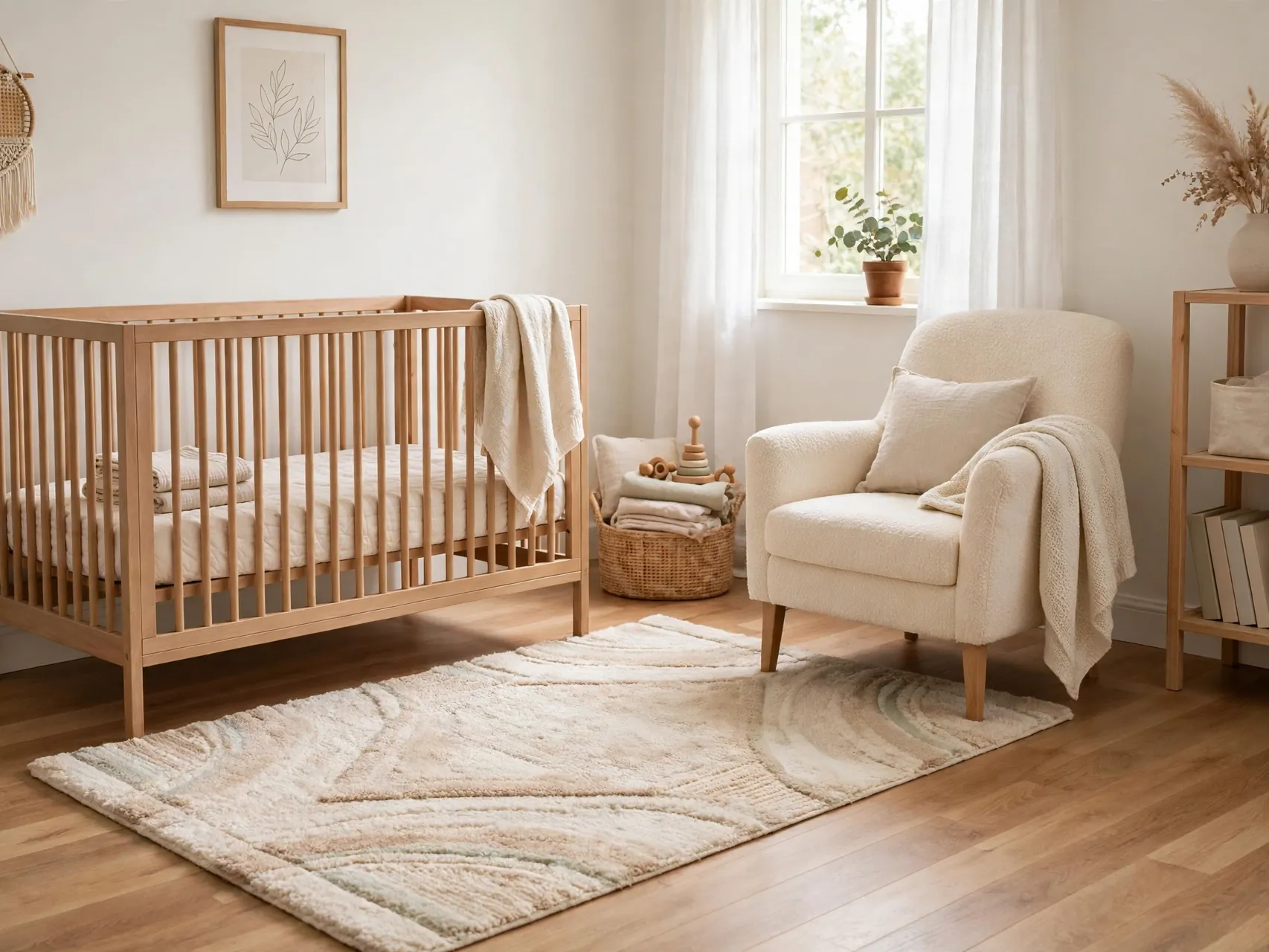
A rug warms the room visually and literally, softens sound, and gives you a comfortable base for tummy time and floor play. Choose a low pile, washable rug in a tone that suits your palette, with a non slip underlay so it stays exactly where you put it under rocking chairs and busy feet. Flat, firm surfaces support early rolling and crawling better than deep pile.
Keep rugs outside the crib, obviously, and vacuum regularly. Check edges and tassels stay flat and intact as your baby starts mouthing everything during supervised play.
15. Add Personal Touches With Photos and Keepsakes

The nurseries people remember are personal. A framed family photo, a keepsake from your own childhood, a handmade blanket draped over the chair, or a small shelf with a treasured book make the room yours rather than a catalog page. These pieces cost little and mean the most, and babies grow into loving the stories behind them.
Place keepsakes on secured shelves or in frames hung safely away from the crib, and keep anything small, fragile, or heavy out of a child reach now and as mobility grows. Rotate a few pieces rather than displaying everything at once.
16. Keep a White Noise Source for Steady Sleep Sounds
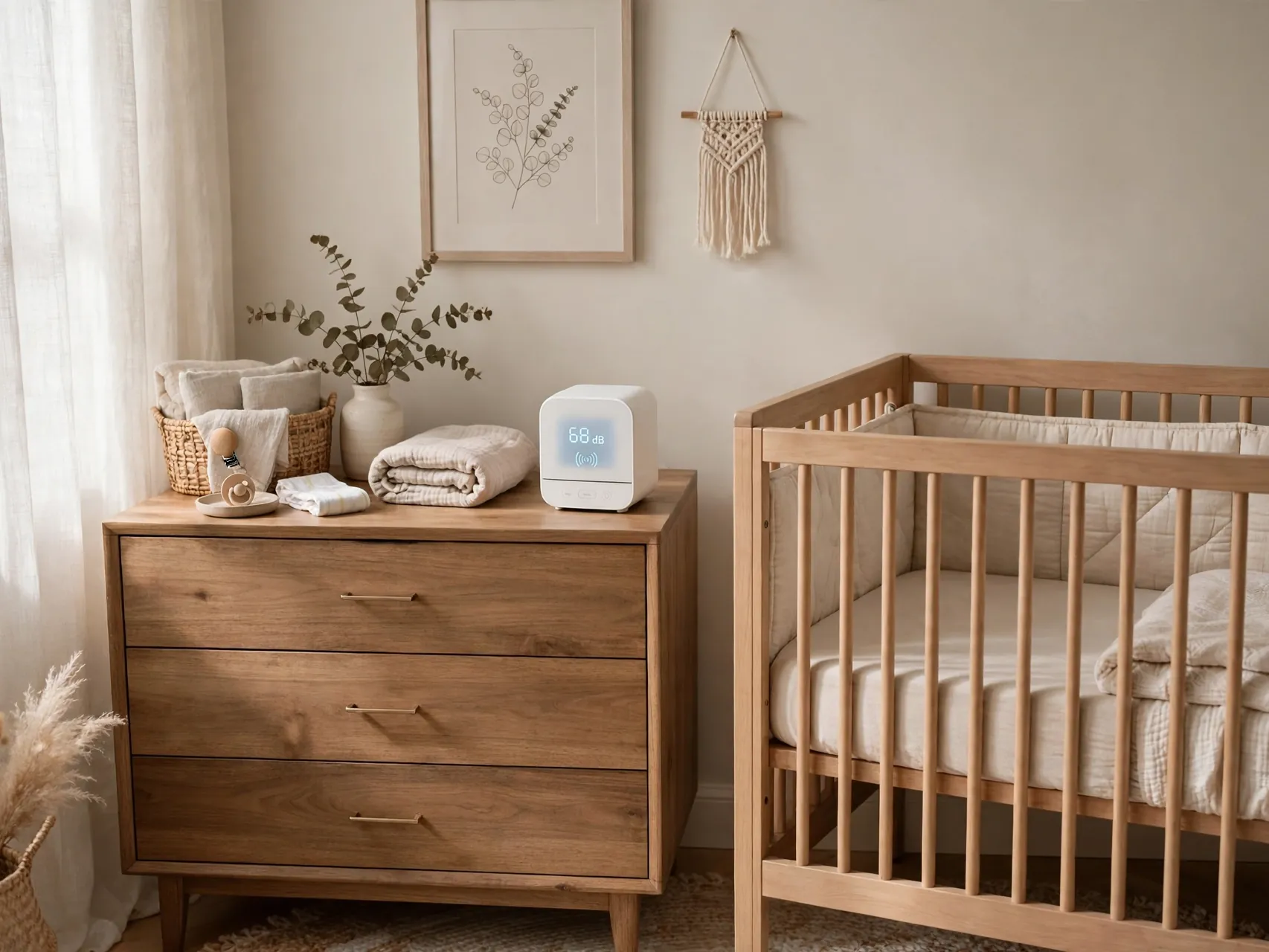
A steady sound backdrop helps many babies settle and stay asleep through household noise, sibling chatter, and the doorbell that always rings at nap time. A simple white noise machine or a fan placed safely across the room, with cords out of reach and the device itself out of the crib, can become part of your sleep routine from the first week.
Keep the volume moderate and the source at a sensible distance from your baby ears, following the maker guidance. Pair the sound with your blackout coverage and a consistent routine, and the nursery becomes a sleep cue in itself.
17. Leave Open Floor Space for Tummy Time

It is tempting to fill every corner, but open floor is a feature, not a gap. Babies need daily supervised tummy time and floor play, and parents need space to join them, stretch, and move safely around the room at night. A clear central area makes the nursery feel larger, calmer, and more luxurious than a crowded room of beautiful furniture.
Defend the open space as your baby grows into rolling, crawling, and first steps. If a piece does not serve sleep, feeding, changing, storage, or play, let it live elsewhere.
18. Choose a Theme Through Accessories, Not Bedding

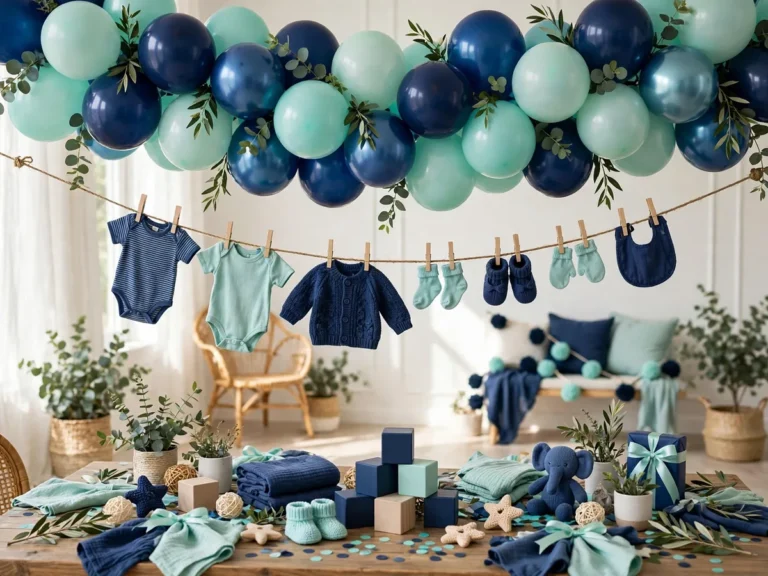
Themes are delightful, and the safe way to do them is through accessories. Woodland, celestial, safari, ocean, or garden themes can live in the wall art, the rug, a mobile over the changing area, curtains, and the books and toys on display. These are all visible, changeable, and completely outside the crib.
Resist themed crib bedding sets, because bumpers, quilts, and plush items do not belong in an infant sleep space. A mobile should hang out of reach, over the changing table rather than the crib, and come down once your baby can push up.
19. Plan a Small Space Nursery With Vertical Storage

Small nurseries can be the coziest of all when they use height well. Choose a compact crib that meets the same safety standards, a dresser that doubles as the changing station, and wall shelves or a tall, anchored storage piece to keep the floor clear. A chair with a smaller footprint and a wall mounted lamp free up precious inches for floor play.
Keep the palette light, the decor edited, and every item earning its place. Store outgrown clothes and backup supplies elsewhere in your home if you can, rotating only what the season needs into the room.
20. Finish With a Simple Nightly Reset Routine
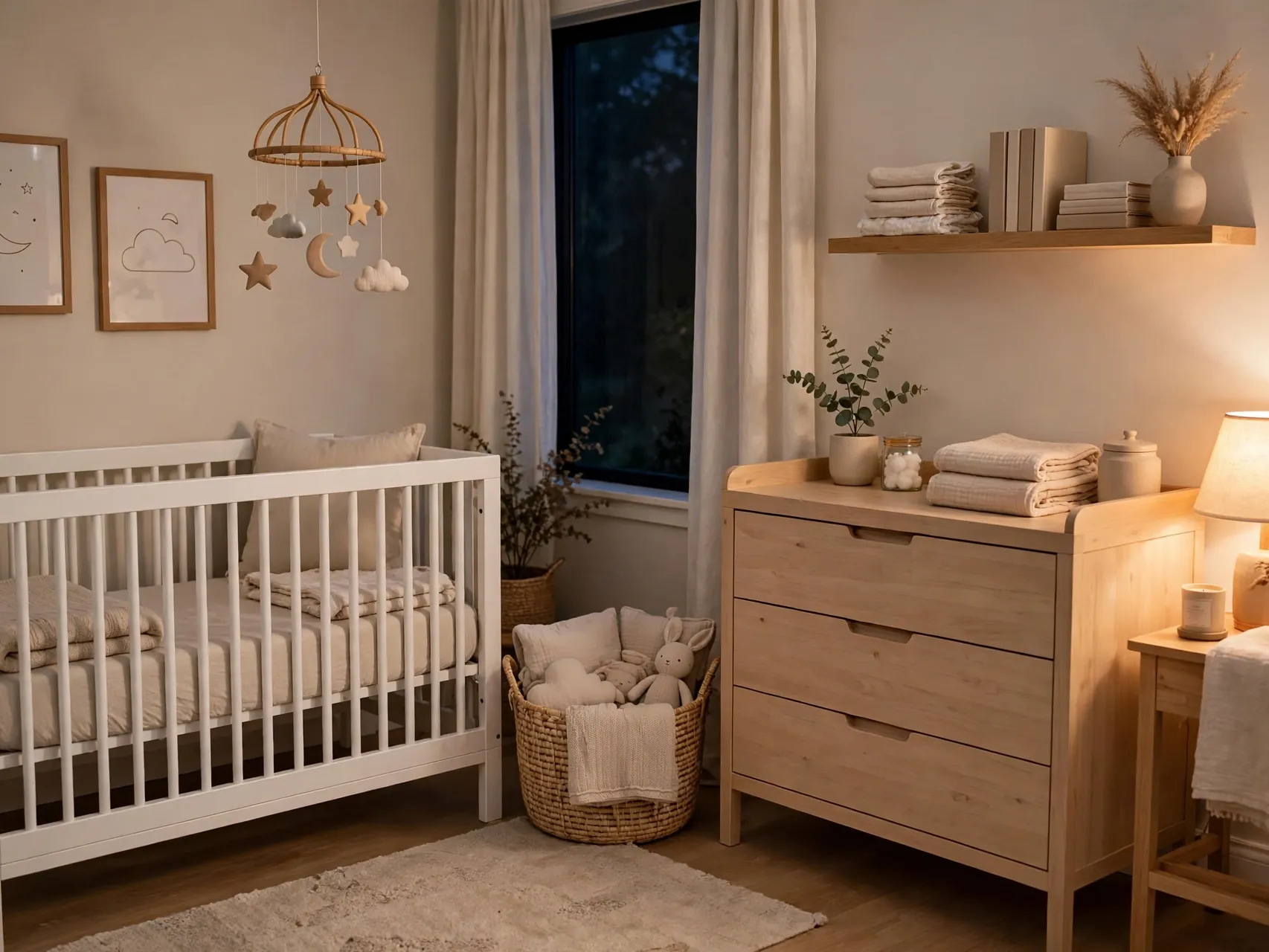
The final idea is a habit, and it is what keeps a stunning nursery stunning. Spend five minutes each evening returning the room to its calm state: supplies restocked in their baskets, the chair cushion plumped, books back in the nook, laundry out, the floor clear, and tomorrow first outfit laid on the dresser. Wake up to the room you designed, not the remains of yesterday.
The reset also doubles as a nightly safety check: crib bare and clear, cords out of reach, anchors and fixings undisturbed, nothing new left within reach of the sleep space. Beauty maintained daily takes minutes; beauty recovered after weeks of drift takes a weekend.
FAQ
What should I buy first for a nursery?
Start with the safe sleep essentials: a crib that meets current CPSC standards with slats no more than 2 3/8 inches apart, a firm, flat mattress that fits snugly, and fitted sheets. Next, a comfortable feeding chair and a sturdy dresser for changing and storage, anchored to the wall. Decor, rugs, and accessories can follow slowly once these foundations are in place.
How do I make a nursery beautiful and safe at the same time?
Build beauty around the sleep space, not in it. Keep the crib bare with a fitted sheet only, per AAP guidance, and put texture, color, and themes into walls, art, rugs, curtains, and the chair area. Anchor tall furniture, choose cordless window coverings, hang art securely away from the crib, and keep small or heavy items out of reach.
What colors work best for a nursery that grows with my child?
Calm, flexible bases work best: warm white, soft neutrals, sage, dusty blue, blush, or gentle clay. These suit a newborn and still look right for a school age child. Add personality and age through swappable layers like art, books, cushions on the chair, and toys rather than repainting. Always test large paint samples in your room light first.
How can I set up a nursery in a very small room?
Use a compact crib that meets the same safety standards, one dresser that doubles as a changing station, and vertical storage like anchored shelves to keep the floor open. Choose a smaller footprint chair, light colors, and edited decor, and store outgrown items elsewhere in the home. A clear floor and calm palette make small nurseries feel cozy rather than cramped.
When should the nursery be ready?
Aim to have the essentials assembled and safety checked a few weeks before your due date: crib built and bare, furniture anchored, coverings cordless, and supplies stocked. Decor can evolve after the baby arrives, and many parents enjoy finishing touches during the newborn weeks. A safe, calm, functional room matters far more than a perfectly styled one on day one.
Key Takeaways
- Safety is the foundation: A bare crib with a firm, flat mattress and fitted sheet only, CPSC standard spacing, anchored furniture, and cordless coverings come before all decor.
- Style lives around the crib: Themes, texture, and color belong on walls, art, rugs, curtains, and the feeding corner, never as soft items in the sleep space.
- Buy pieces that work twice: A dresser that changes diapers, a convertible crib, and storage baskets keep the room beautiful and practical for years.
- Layer the senses: Calm palettes, layered warm lighting, blackout coverage, and steady white noise turn a pretty room into a sleep friendly one.
- Edit and reset daily: Open floor space and a five minute nightly reset keep the nursery looking like the photos you saved.
- Found the nursery look you want to copy? Save this guide to Pinterest and pin the idea you will start with this weekend.