22 Quality Furniture Buying Tips That Will Save You Money
Introduction
Furniture is one of the biggest costs in a home, and the cheapest piece is rarely the cheapest over time. A sofa that sags in two years or a table that wobbles costs more in replacements, hassle, and landfill than a well made piece bought once. These quality furniture buying tips show you how to tell the difference before you pay.
Quality hides in places photos do not show: inside frames, under drawers, and at the joints. Learning a few simple checks takes minutes in a store and saves years of regret at home.
You do not need the most expensive version of everything. You need the right quality in the pieces you use hardest, bought in the right order, at a size that truly fits your rooms and your life.
1. Start With How the Piece Will Be Used

A guest room dresser and a family room sofa live very different lives. List how often a piece will be used, by whom, and for what, before you look at styles. Daily, heavy use justifies stronger construction; occasional use allows lighter choices.
This honesty directs your budget to the right places. Spend first on seats, beds, and tables used every day. Decorative and rarely used pieces can be simpler. Buying for real use, instead of imagined use, is the foundation of all furniture quality decisions.
2. Measure the Room, Then Measure the Route In
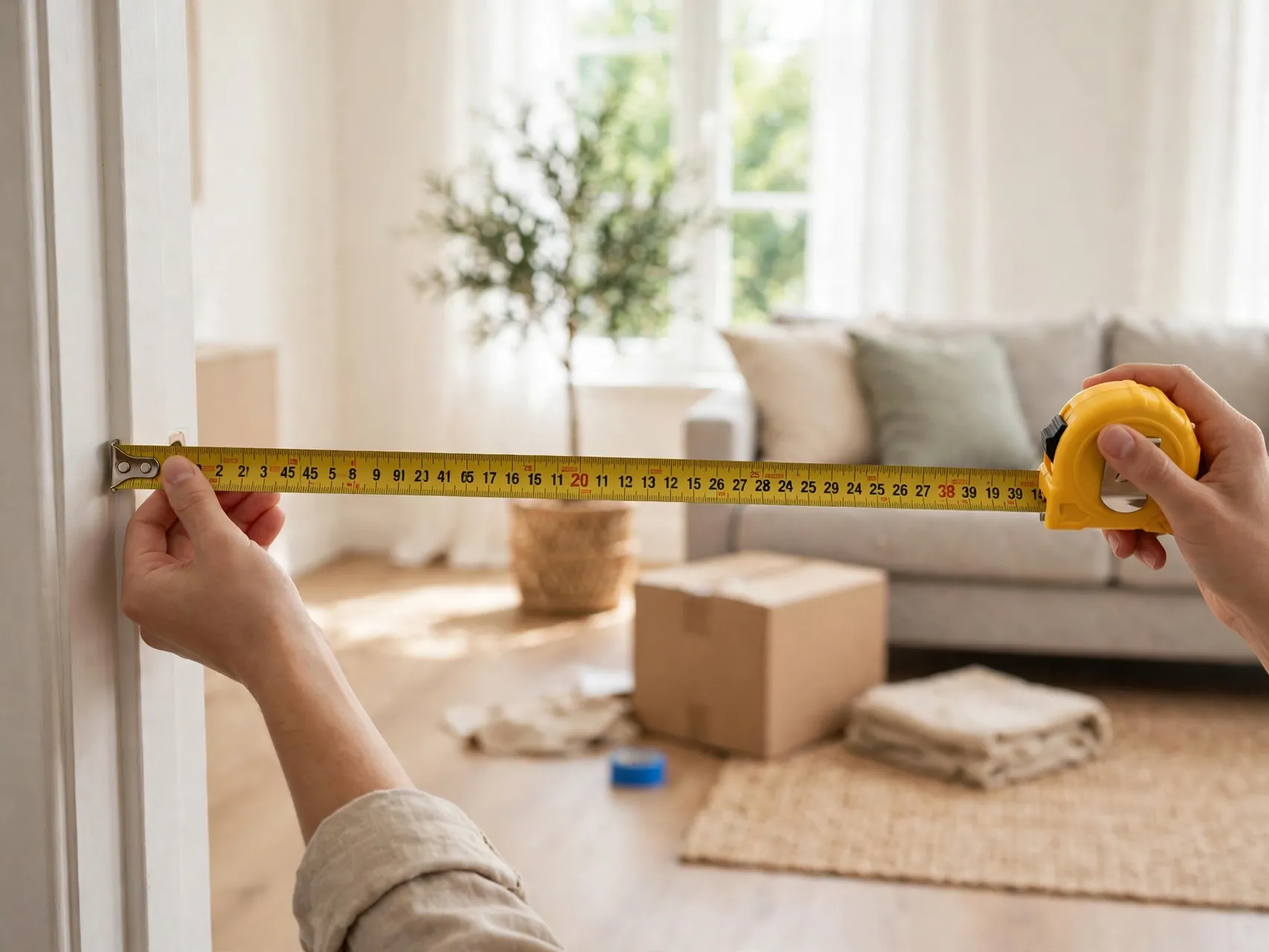
Measure the room, the wall the piece will sit against, and the space it must leave for walking and opening doors or drawers. Then measure the route in: doorways, hall turns, stair widths, and any tight corners. Great furniture that cannot enter the home is a costly mistake.
Tape the footprint on the floor and live with it for a day. Check that drawers and recliners can open fully. Keep your measurements, with photos of the room, on your phone for every shopping trip, in store and online.
3. Check Joinery Before You Check the Finish
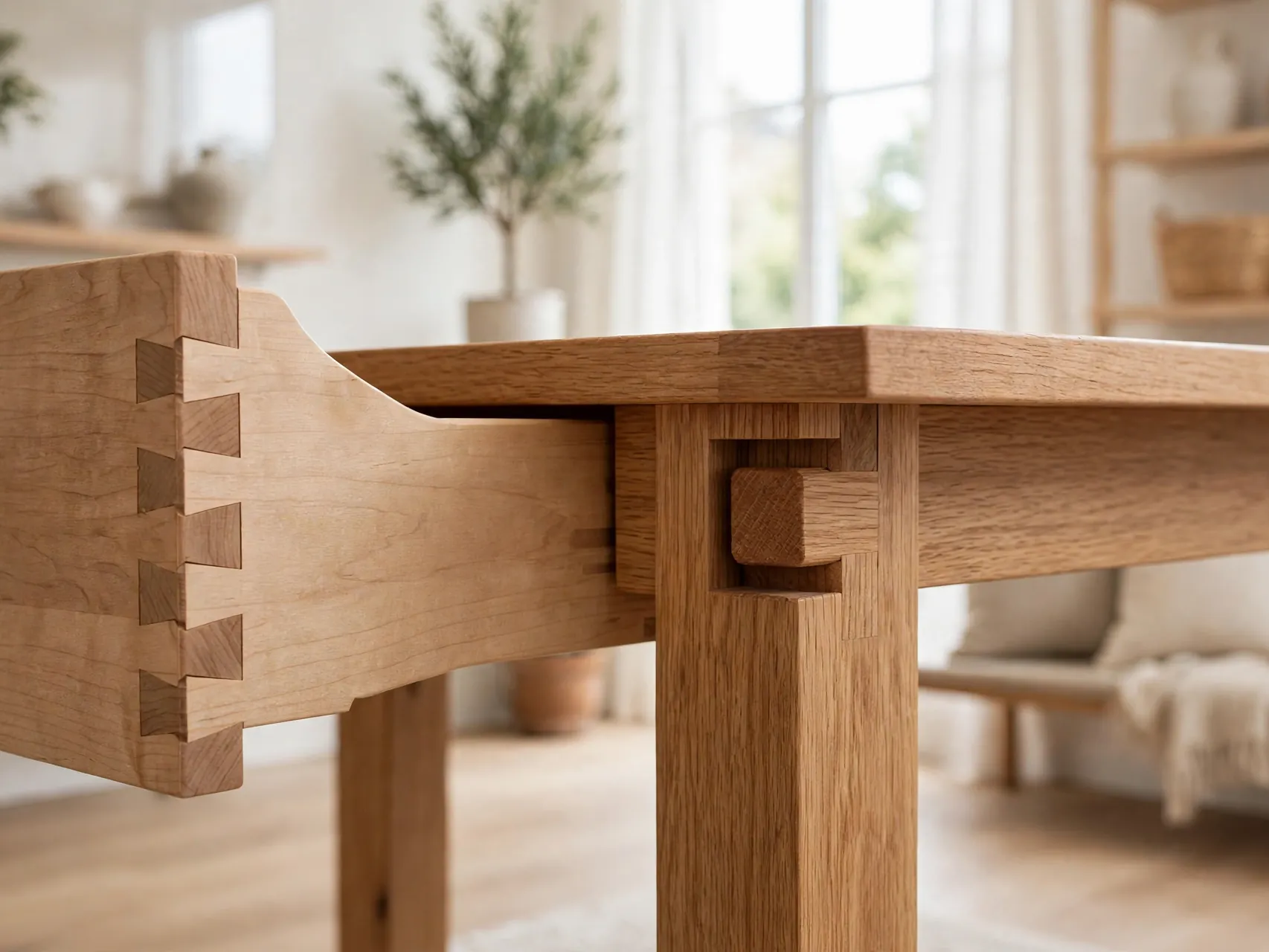
Joints are where furniture lives or fails. For wood pieces, interlocking joints such as dovetail joints in drawers and mortise and tenon joints in frames are classic signs of careful construction, because they hold mechanically, not by glue alone.
Corner blocks, dowels, and screws can also reinforce a frame well. Pieces held together only by staples or glue, with no other reinforcement, are more likely to loosen over time. Look underneath and inside, where makers cannot hide the method. Good joinery feels like a promise the piece intends to keep.
4. Ask What the Frame Is Made From

For upholstered seating, frame material matters most. Kiln dried hardwood frames are a widely used quality indicator because kiln drying reduces moisture that can lead to warping, and hardwood resists stress at joints. Engineered wood and metal frames can also perform well when well designed.
Ask the seller directly what the frame is made from and what it is guaranteed for. Vague answers are information too. A maker who can name the frame material, the joinery, and the suspension system is usually a maker who built them with care.
5. Test Drawers and Doors in the Store

Open every drawer and door on a piece you are serious about. Drawers should glide smoothly, sit square in the opening, and feel solid at the sides and bottom. A drawer that wobbles, sticks, or feels thin will not improve with use.
Look inside: dovetail or well fitted joints at drawer corners suggest care, and smooth interior wood will not snag fabrics. Doors should hang level and close evenly. These small tests reveal the standard of the whole workshop better than any sales description.
6. Sit, Lean, and Shift Your Weight

Never buy seating you have not sat in properly, or, when buying online, without a clear return option. Sit as you really sit: upright, relaxed, feet up if that is your habit. The seat should feel supportive, not bottom out, and the frame should not creak, flex, or rock.
Push gently on arms and lean on the back. Quality frames feel quiet and solid under movement. Check seat depth against your legs and back height against your shoulders. Comfort is personal, and a well made chair that does not fit your body is still the wrong chair.
7. Understand Cushion Fill in Simple Terms
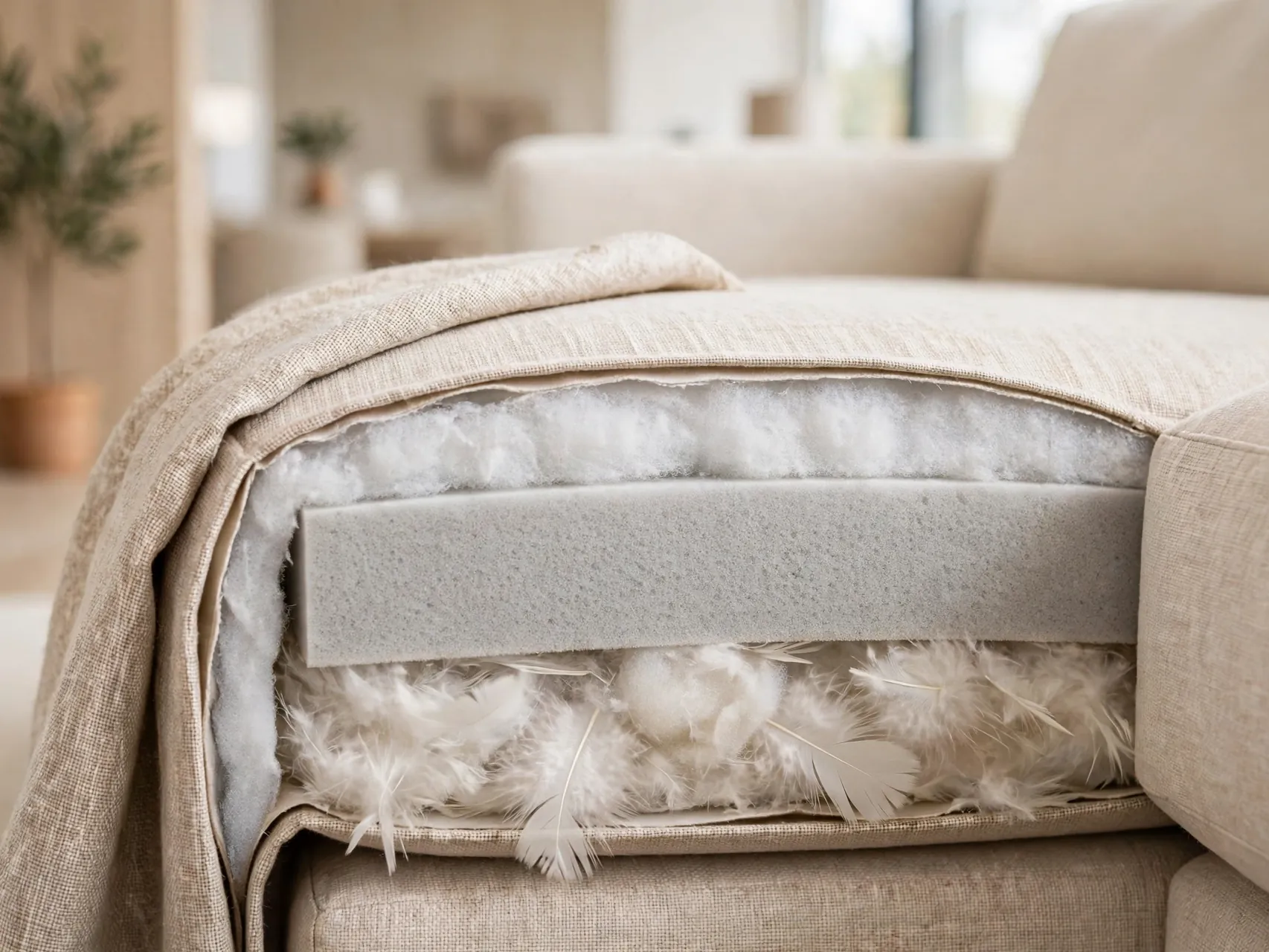
Cushions shape both comfort and lifespan. Foam cushions can vary widely in density and resilience, and wrapped foam or foam with a softer outer layer is a common construction in mid and higher quality seating. Feathers and down blends feel soft but need regular plumping to hold shape.
Ask what is inside, whether cushion covers can be removed for cleaning, and whether replacement cushions are available later. Press and release a cushion in store: it should recover its shape rather than stay dented. Choose fill for your real tolerance for daily plumping and care.
8. Look at Suspension, Not Just Cushions
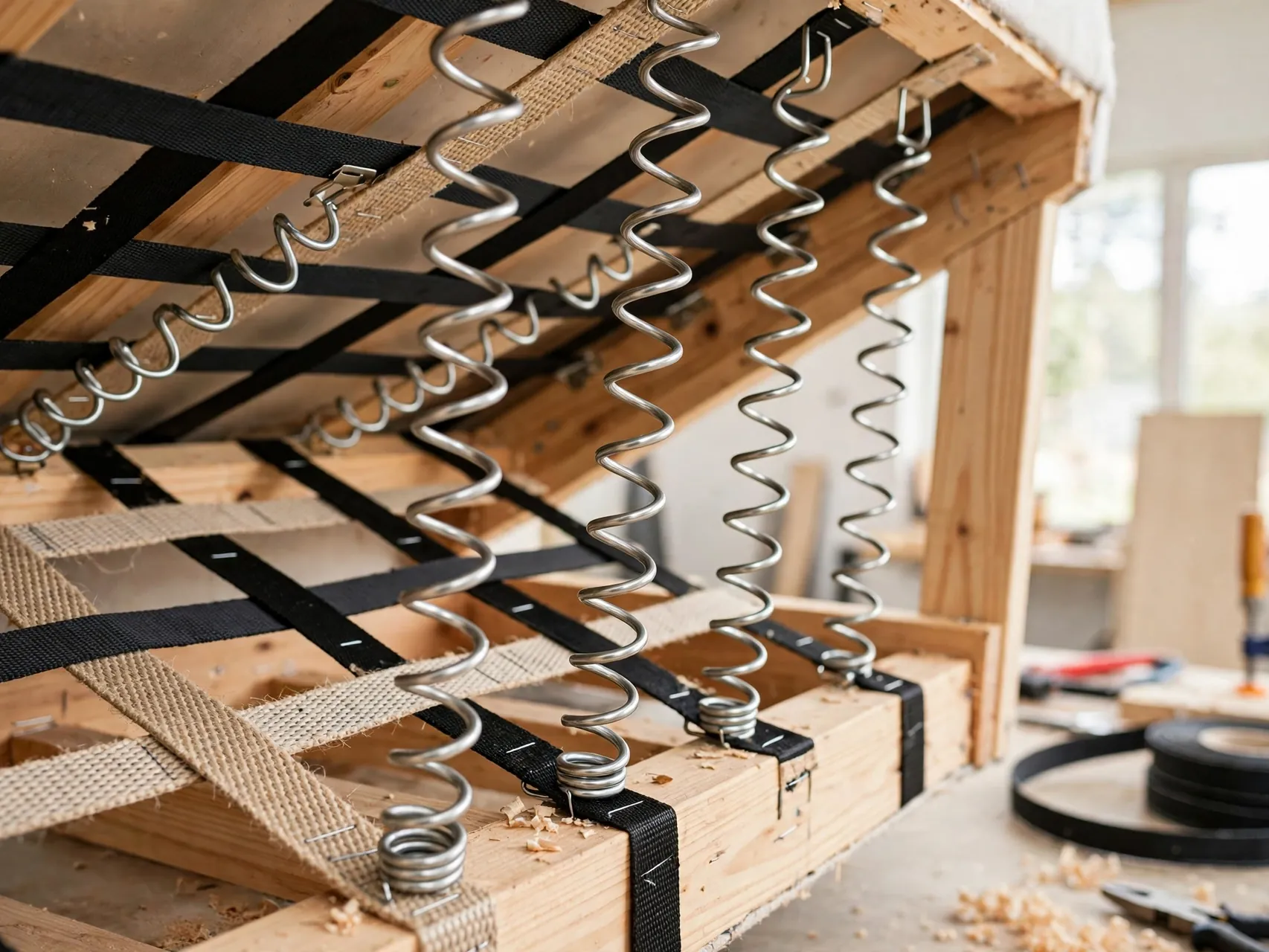
Under the cushions, a seating suspension system supports you. Sinuous springs and webbing systems are both common, and quality depends on materials, spacing, and how securely they are fixed to the frame. A sagging or noisy base in the showroom will only get worse at home.
Press down firmly across the seat deck and listen. Even support with no sharp frame edges pressing through is what you want. When product details list the suspension type and frame construction clearly, that transparency itself is a helpful sign when comparing similar pieces.
9. Learn the Difference Between Solid Wood and Veneer
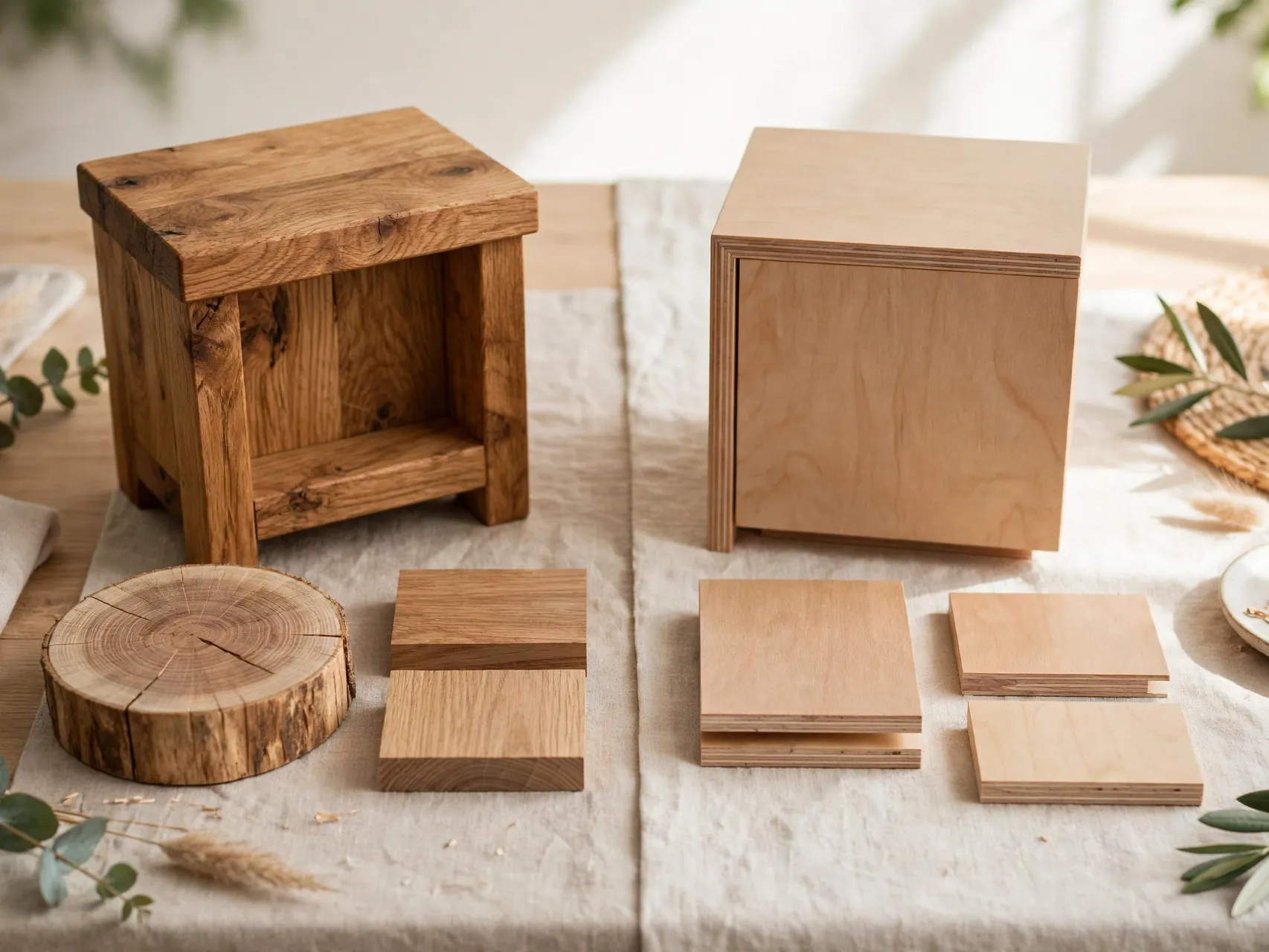
Solid wood and good veneer are both legitimate, with different strengths. Solid wood can often be sanded and refinished over many years. Quality veneer places a thin layer of real wood over a stable core, which can resist warping and allow beautiful grain patterns, but edges and damage need more care.
Problems arise when thin printed finishes imitate wood over weak boards and are sold with solid wood language. Ask plainly what each part is made from. Check edges, the underside, and drawer interiors for consistency. Honest materials, clearly described, matter more than any single material label.
10. Run Your Hand Over the Finish
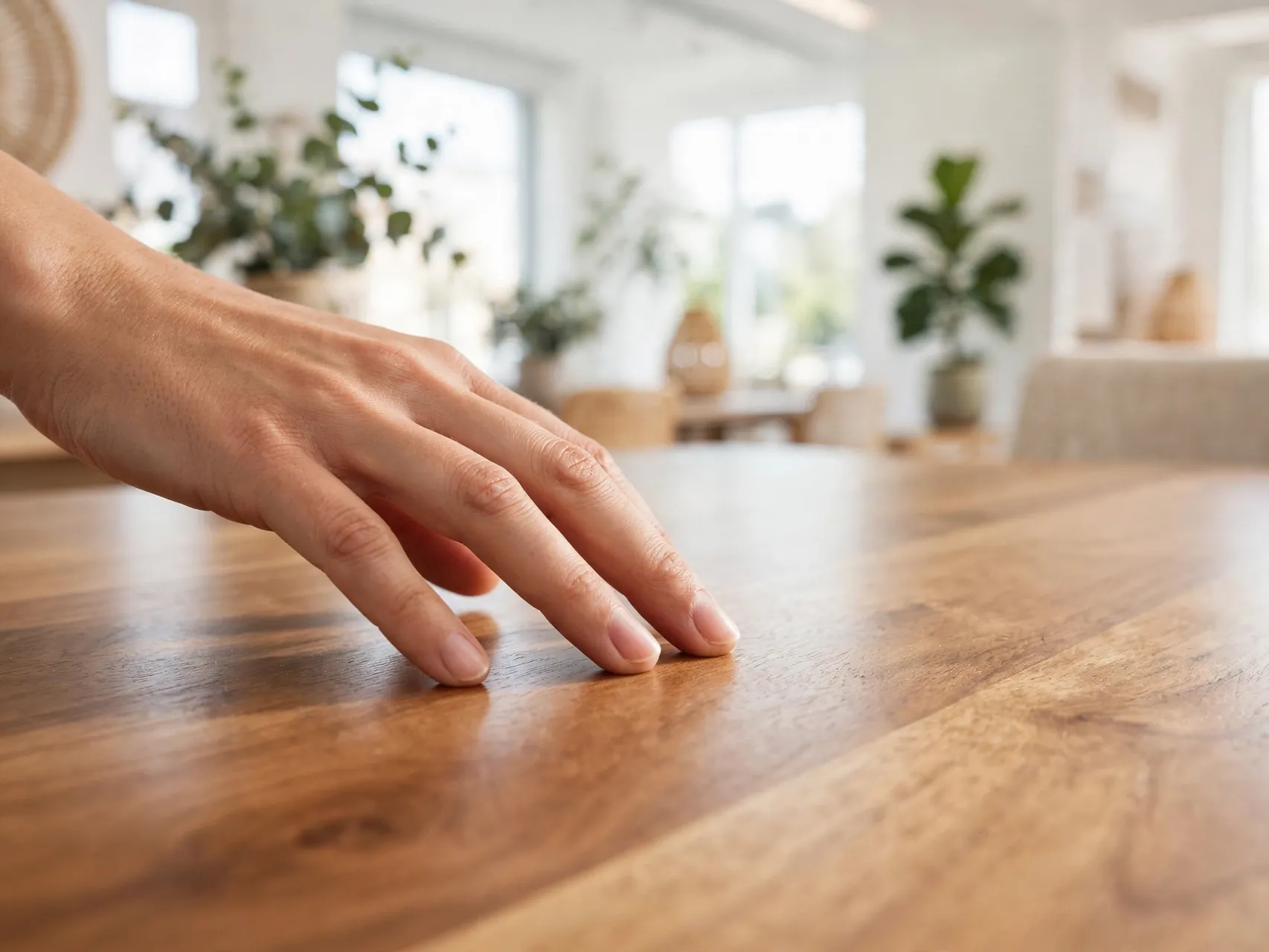
A good finish feels smooth and even, with no rough patches, bubbles, drips, or sticky areas. On wood, the finish should protect without hiding the grain under a plastic looking coat, unless that style is intentional and well done.
Check less visible areas, like the back of a dresser or the underside of a table. Makers who finish hidden areas carefully usually build carefully everywhere. Ask about care: what to clean with, what to avoid, and whether touch up products exist. A finish you can maintain will look good far longer.
11. Judge Upholstery Fabric by Use, Not Just Color
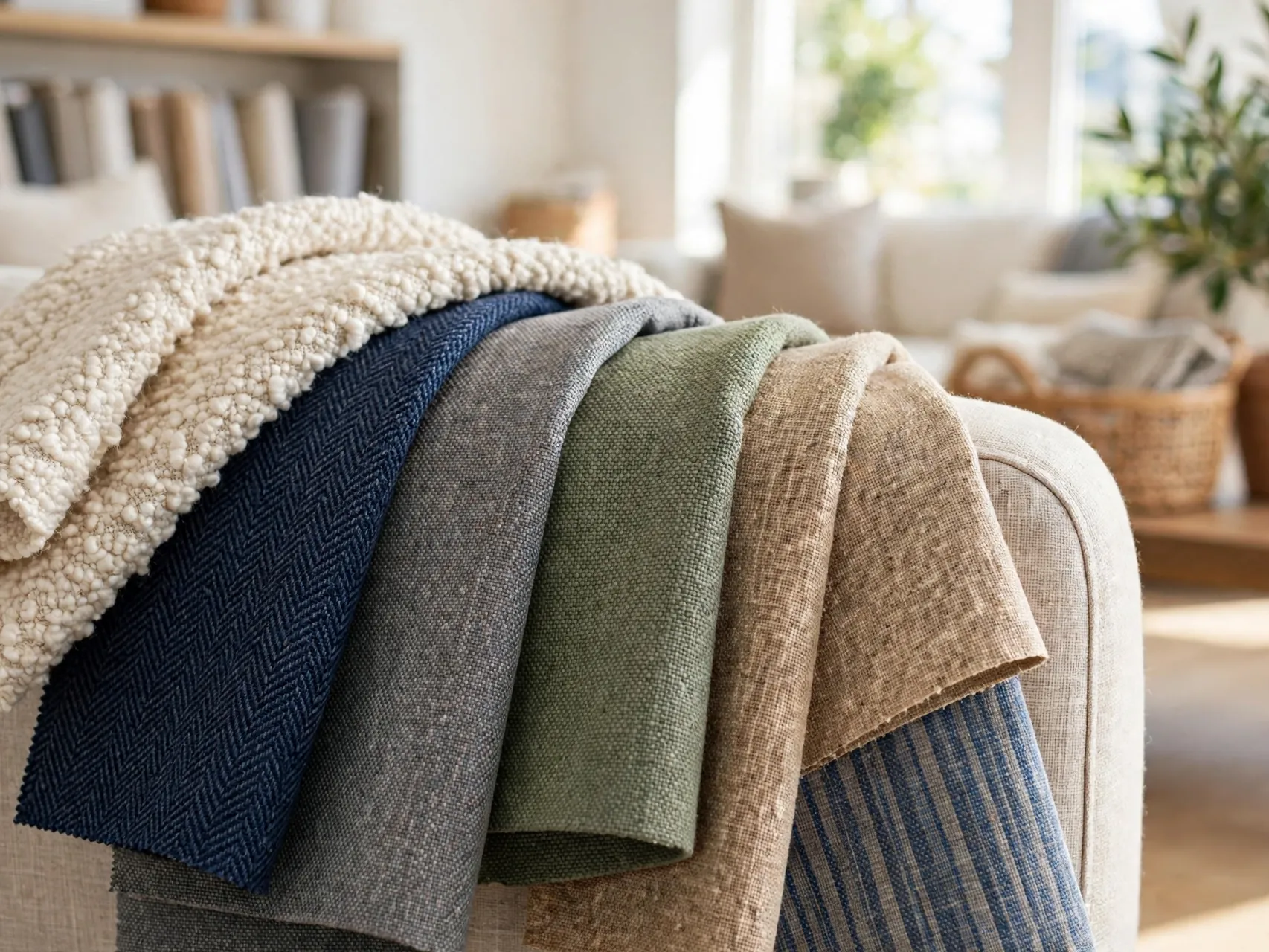
Fabric faces daily friction, sunlight, and spills. Ask about the fabric content and any durability information the maker provides, and match it to your household. Homes with children or pets often do better with tightly woven, cleanable fabrics and removable covers where possible.
Check that patterns align at seams, seams are straight and secure, and fabric is smooth without puckering. Sit and shift: fabric should not crackle or feel papery. Order swatches and live with them in your room light, rubbing and spilling a drop of water on the sample before you commit to a whole sofa.
12. Read the Warranty Like It Matters, Because It Does

A warranty tells you what the maker expects to last. Read what it covers: frame, springs, cushions, mechanisms, and fabric are often covered differently and for different periods. Longer frame coverage is common on better built seating, but the details matter more than the headline.
Keep proof of purchase and warranty terms together, and note what voids coverage, such as commercial use or improper cleaning. Ask who handles claims and whether parts are available. A clear, specific warranty is itself a quality signal, while vague promises should lower your confidence.
13. Compare Total Cost, Not Just the Price Tag

The real cost of furniture includes delivery, assembly, old piece removal, fabric protection you may or may not need, and the cost of replacing a weak piece early. Compare pieces on cost over the years you expect to keep them, not only on the number at checkout.
Ask what delivery includes and measure again before paying for a service that may still not solve a tight stair turn. Avoid add ons you do not understand. A fair price for solid construction is a saving; a low price for a piece that fails quickly is the expensive option wearing a bargain costume.
14. Buy the Hardest Working Pieces First
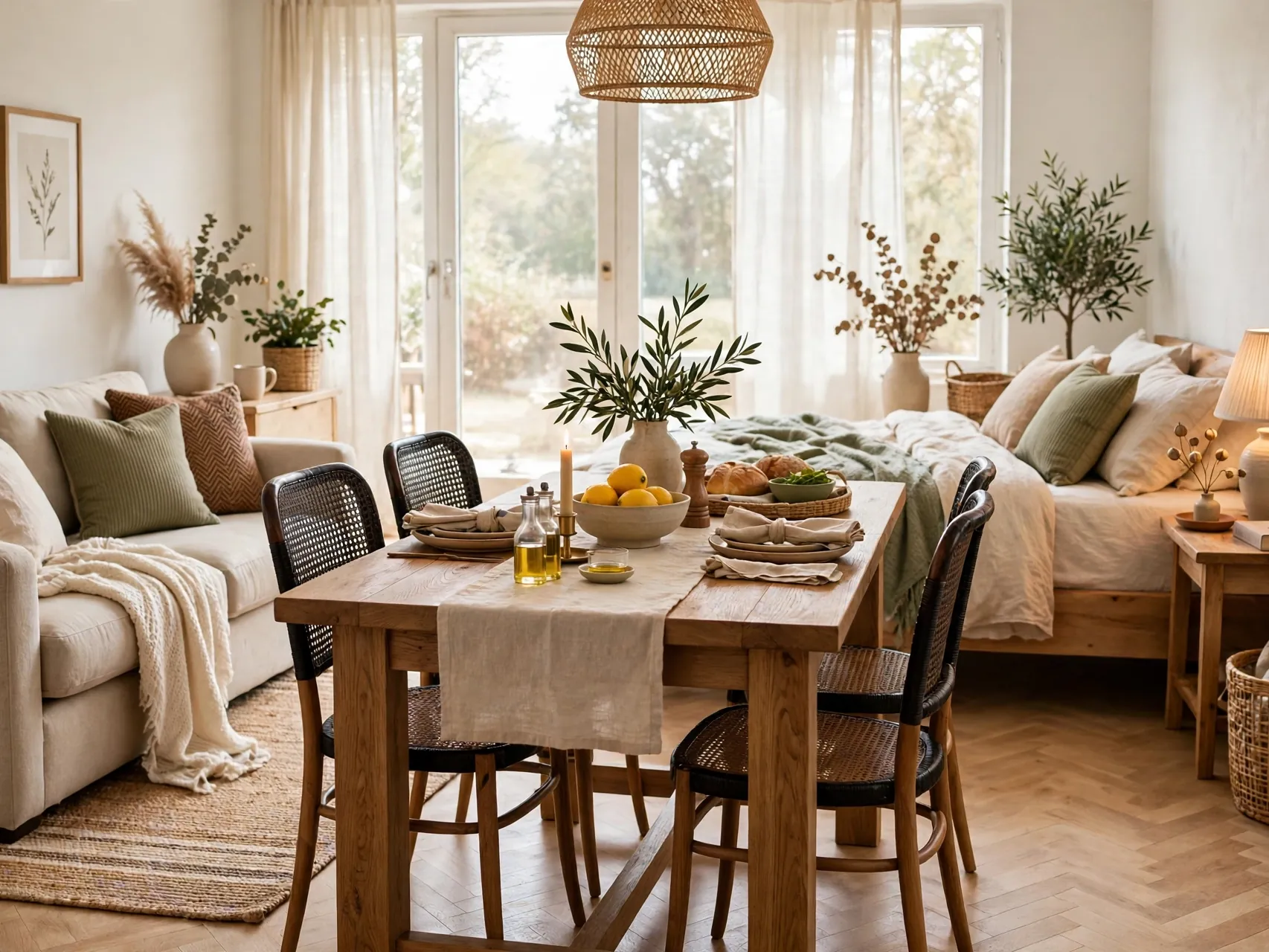
When the budget is limited, sequence matters. Buy the best quality you can for the bed, the main sofa, and the daily dining or work table first, even if it means waiting on side pieces. Sleep and daily sitting shape your health and mood more than a matching set does.
A smaller, better sofa beats a large, weak one. Fill gaps with simple, secondhand, or temporary pieces while you save for the next anchor. Rooms built slowly around strong anchors almost always end up better than rooms bought in one matching rush.
15. Consider Well Kept Secondhand Furniture

Older furniture, especially solid wood case goods, can offer construction quality that is expensive to buy new. Check secondhand pieces with the same tests: joinery, drawers, wobble, odors, and signs of damage or pests, and inspect upholstered pieces carefully for stains and smells.
Budget for cleaning, minor repair, or refinishing when you compare costs. Avoid pieces with structural cracks, active damage, or sagging seats you cannot repair. A sound secondhand piece with good bones is one of the smartest money saving routes in this whole list of quality furniture buying tips.
16. Shop Sales With a List, Not a Mood

Sales are useful when you already know what you need, what size fits, and what quality looks like. Make your list and set your checks first, then let a sale reduce the price of a piece that passes them. A discount never repairs weak joinery.
Be wary of pressure tactics and one day only claims, and confirm the return terms before a sale purchase, because sale terms can differ. If a piece fails your tests at a lower price, it still fails. Walk away kindly and keep the list ready for the next opportunity.
17. Check Reviews for Patterns, Not Stars

Owner reviews help most when you read for repeated patterns: many reports of the same wobble, sag, delivery damage, or fading point to a real issue. Single angry or glowing reviews tell you little. Look for reviews from owners who have lived with the piece for some time.
Pay attention to comments about customer service and replacement parts too, because ownership includes the day something goes wrong. Cross check patterns across more than one source when you can. Treat reviews as one input beside your own hands on checks, not as a substitute for them.
18. Inspect Delivery Before You Sign
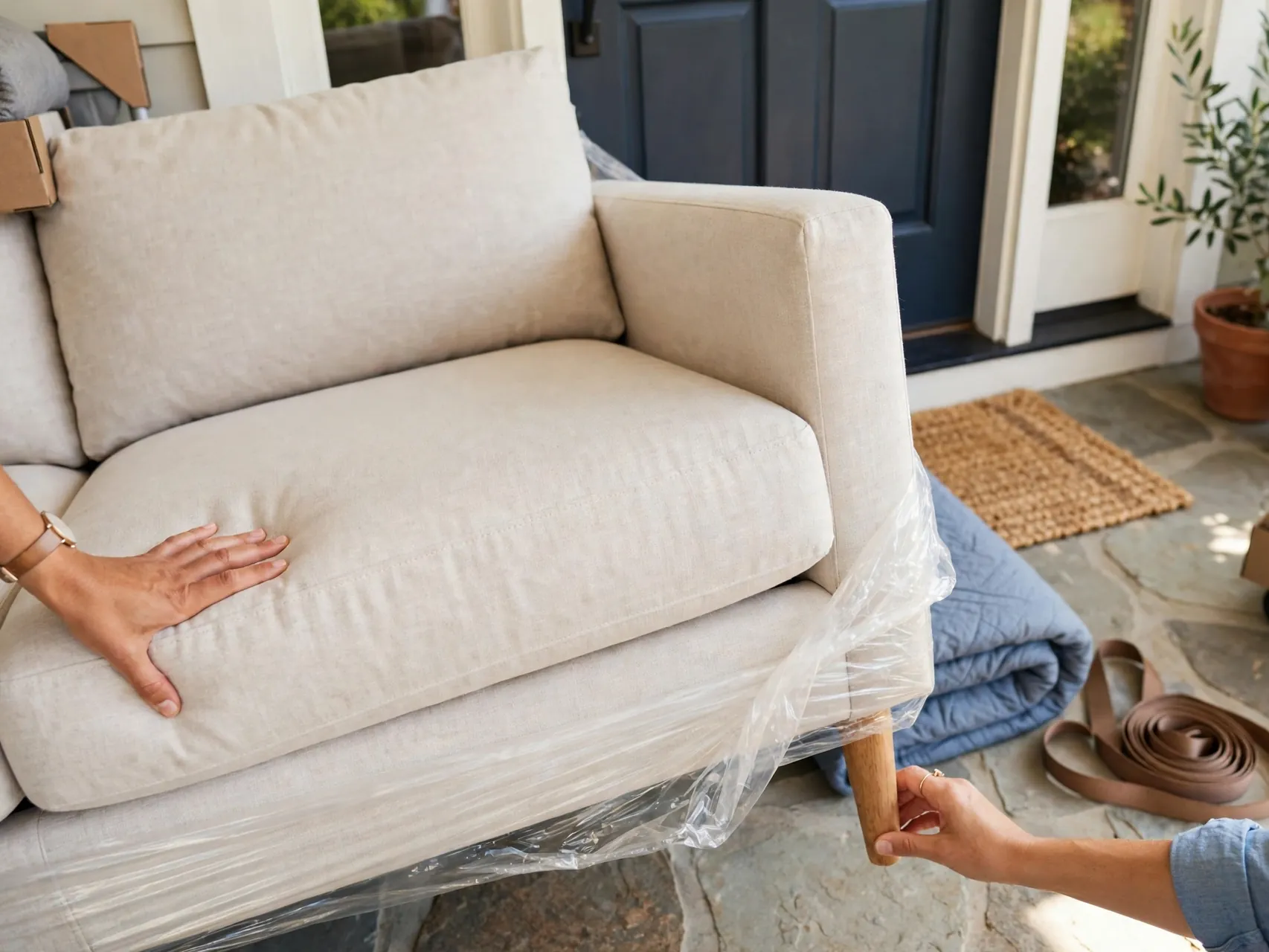
When the piece arrives, inspect it before the delivery team leaves and before you sign anything you have not read. Check corners, legs, drawers, doors, upholstery seams, and mechanisms. Operate recliners, leaves, and extension parts while help is still in the room.
Note any damage on the delivery paperwork as directed and photograph it. Confirm what the seller process is for repair, replacement, or return if you find a hidden problem later that day. Careful acceptance takes five minutes and protects the whole value of a considered purchase.
19. Choose Timeless Shapes for Big Pieces

Trends move fastest in the pieces that cost most to replace. For sofas, beds, and dining tables, simple shapes and neutral, durable upholstery age gracefully and adapt as your style changes. Save bold color and pattern for cushions, art, and smaller pieces you can change easily.
Timeless does not mean dull: proportion, material, and comfort carry a room for years. Ask yourself whether you would choose the same piece if it appeared in a photo from ten years ago and in your home ten years from now. If yes to both, it is probably a sound anchor.
20. Plan for Care and Small Repairs

Quality lasts longer when it is looked after. Ask how to clean each material, keep felt pads under feet, use coasters and mats where heat or water are risks, and tighten accessible fixings on chairs and tables now and then as makers suggest.
Keep the care guide, a touch up pen or wax if supplied, and spare hardware in one labeled box. Small, early repairs, a glued joint, a tightened leg, stop little problems becoming structural ones. Furniture that can be repaired is worth more than furniture designed to be replaced, so favor repairable construction when you choose.
21. Match Scale to the Room, Not the Showroom
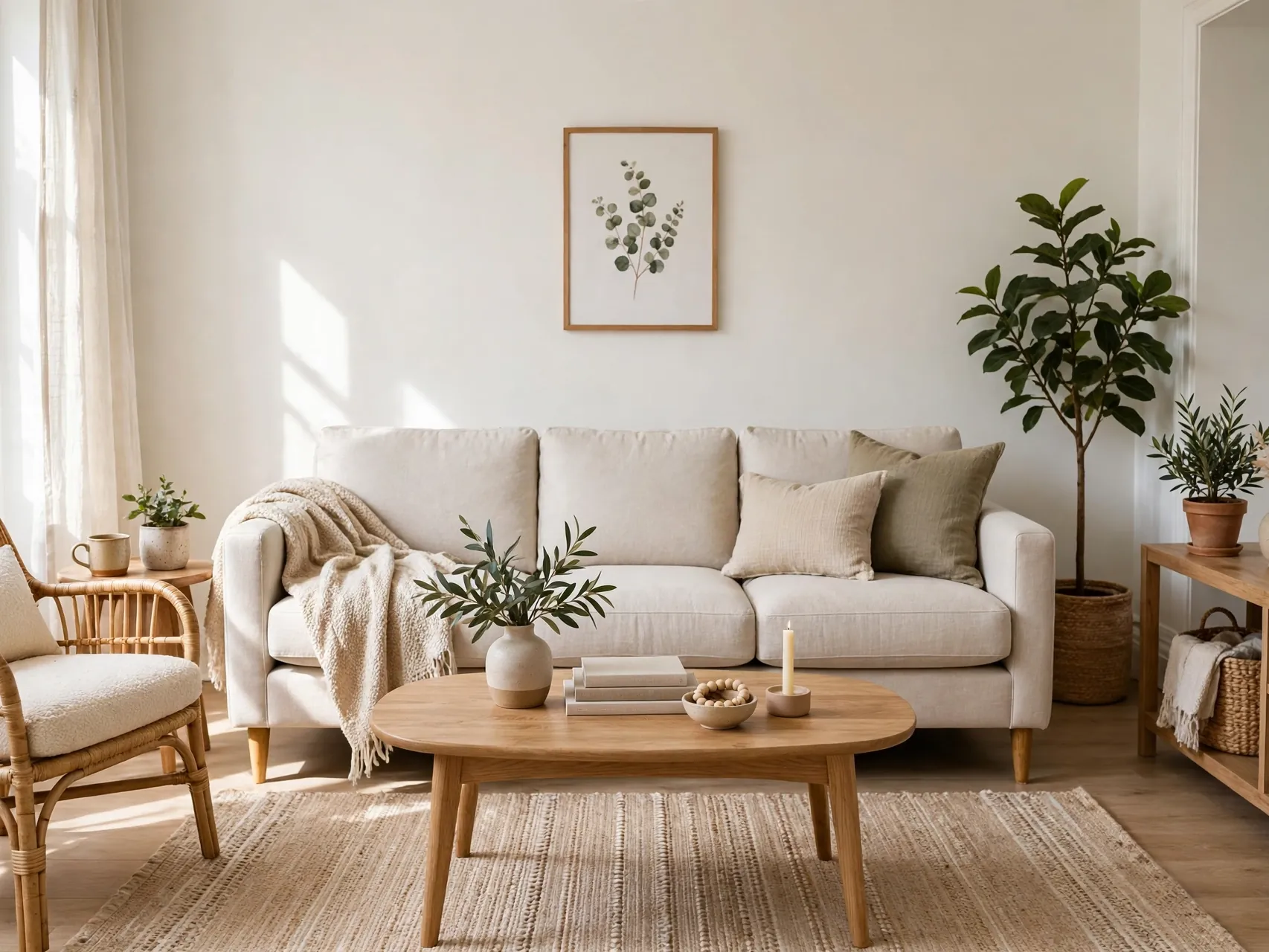
Showrooms have high ceilings and wide floors that make large pieces look modest. At home, an oversized sofa can crowd walkways and make every other piece look small. Use your taped footprint and leave comfortable space to move, open doors, and pull out chairs.
Consider visual weight as well as size: low backs, raised legs, and lighter colors feel smaller, while tall, dark, solid pieces feel larger. When in doubt between two sizes for daily comfort, test both with tape and cushions at home. Right scale is a quality you feel every day.
22. Trust Your Checklist More Than the Display

Styled displays are designed to sell a mood: perfect light, matching accessories, and no daily clutter. Your checklist, measurements, joinery, frame, drawers, sit test, warranty, total cost, is designed to protect your money. Bring it on paper or on your phone and use it without apology.
If a piece passes every check and fits your budget and your room, buy it with confidence and stop second guessing. If it fails, let it stay beautiful in the store for someone else. That discipline, repeated over a few key purchases, is how a home fills with furniture that lasts.
FAQ
What are the clearest signs of quality furniture?
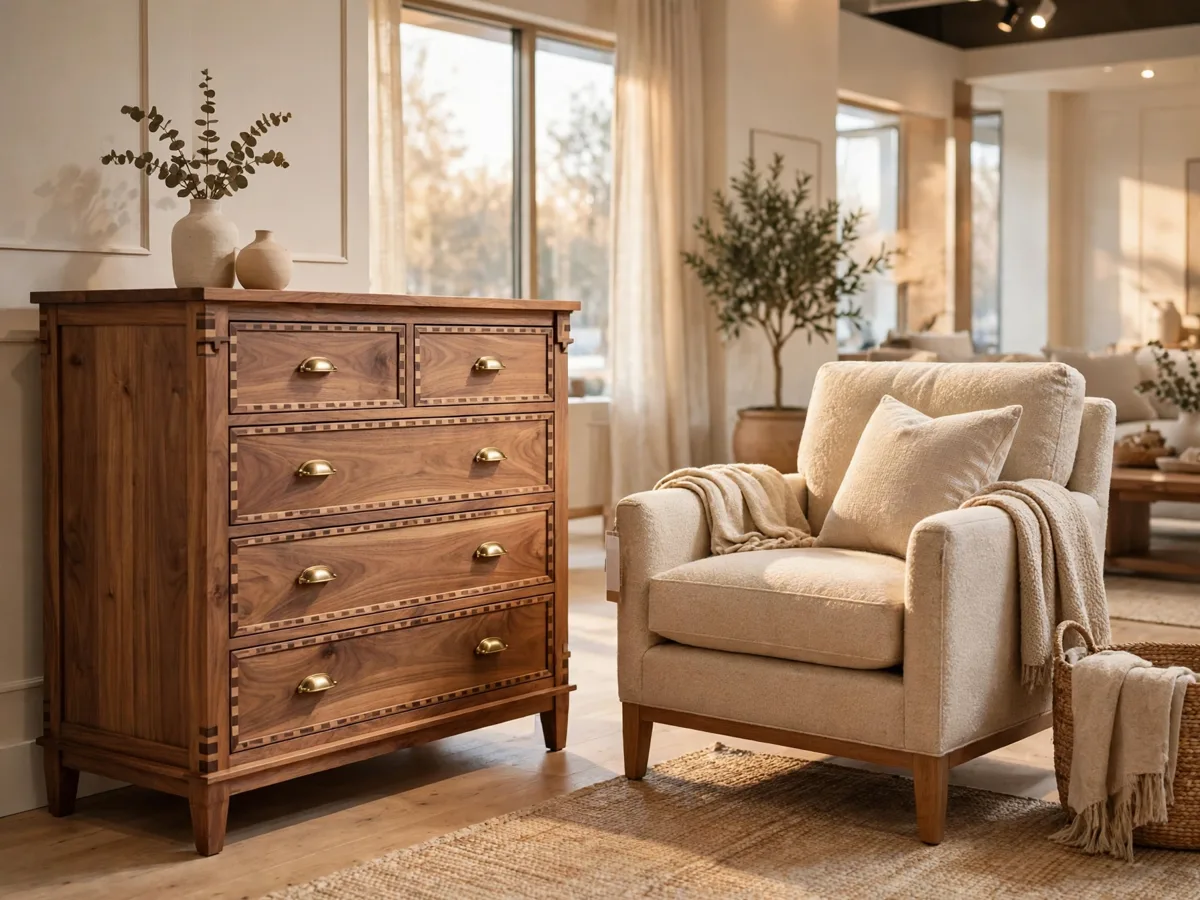
Look for strong joinery such as dovetail or mortise and tenon construction, reinforced corners, solid frame materials described clearly by the maker, drawers that glide and sit square, even finishes, secure seams, and a specific warranty. Quality pieces feel stable and quiet when you sit, lean, open, and move them in the store.
Is solid wood always better than veneer?
No. Solid wood can often be refinished many times, while good veneer over a stable core can resist warping and show beautiful grain. The real problems are weak cores and finishes that imitate wood while being sold in confusing language. Ask what each part is made from and judge construction, condition, and honesty of description together.
Where should I spend the most when buying furniture?
Spend first on the pieces used hardest every day: your bed, main sofa or seating, and daily table or desk. Strong frames, good suspension, and comfortable, durable surfaces in those anchors repay you daily. Side tables, decor, and occasional pieces can be simpler, secondhand, or bought later as the budget recovers.
How can I save money without buying poor quality?
Buy in sequence, consider well kept secondhand pieces with good bones, shop sales with a prepared list and checklist, and compare total cost including delivery and expected lifespan. Avoid paying for add ons you do not need. A smaller, well made piece is a better saving than a larger, weak one at a discount.
What should I check when furniture is delivered?
Inspect corners, legs, surfaces, drawers, doors, seams, and any moving mechanisms before signing, and test everything while the delivery team is present. Photograph any damage and note it as the seller directs. Keep receipts, warranty terms, and care guides together so a later claim or repair is simple to handle.
Key Takeaways
- Check the hidden construction: Joinery, frame material, drawer glide, and suspension tell you more than any styled display photo.
- Measure twice, buy once: Room, footprint, and the full route through doors and stairs must all fit before you pay.
- Compare cost over years: Delivery, care, repairs, and early replacement make cheap furniture expensive and solid furniture a saving.
- Spend on daily anchors first: Beds, main seating, and everyday tables deserve the strongest quality in the house.
- Read warranty and reviews for patterns: Specific coverage and repeated owner reports are honest signals of what will last.
- Found a piece you love? Save these quality furniture buying tips to Pinterest and pin the checklist for your next shopping trip.