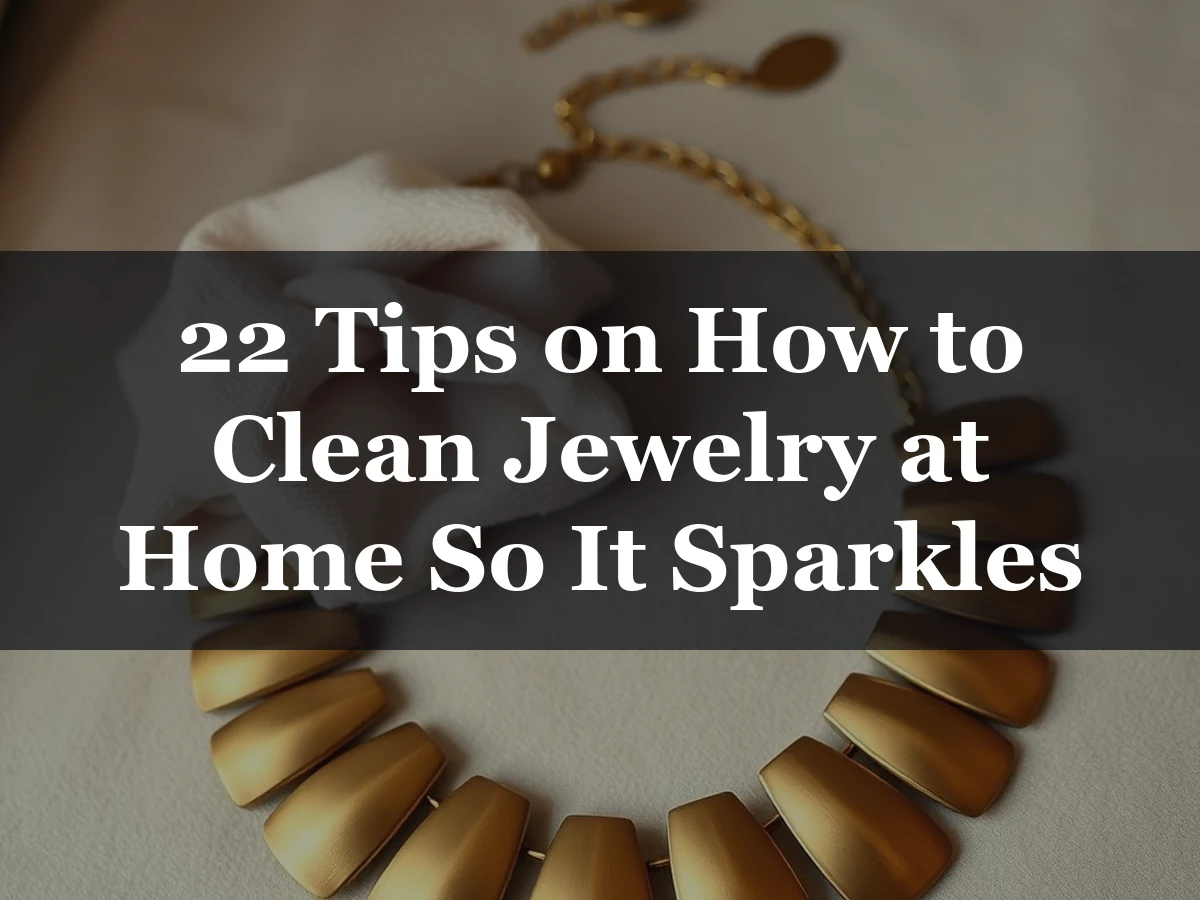
22 Tips on How to Clean Jewelry at Home So It Sparkles
Introduction
You can effectively maintain your collection by learning how to clean jewelry at home using gentle, non-abrasive techniques. Knowing how to clean jewelry at home safely is essential for preserving the luster of your pieces while avoiding permanent damage caused by harsh chemicals or improper handling.
This guide covers practical methods for restoring the shine of various materials, including solid gold, silver, and delicate fashion jewelry. You will learn the best ways to address common issues like tarnish and residue buildup from daily wear. We prioritize low-risk approaches, distinguishing between durable fine metals and sensitive items that require extra caution. Whether you are maintaining diamond rings or antique treasures, these tips provide the necessary steps to keep your jewelry in excellent condition without the need for professional equipment.
The Benefits of Regular Maintenance
Routine care prevents the buildup of residue from lotions and body oils, which are common culprits behind a dull or hazy appearance. By removing these substances frequently, you preserve the brilliance of your pieces and reduce the need for intensive deep cleaning.
Adopting a little and often philosophy is the most effective approach for ensuring jewelry longevity. Instead of waiting for visible grime to accumulate, perform quick, gentle maintenance to keep surfaces clear of everyday contaminants. This habit minimizes the risk of dirt becoming embedded in complex settings or delicate prongs.
Following a consistent upkeep schedule helps you identify potential issues before they become permanent damage. Consider these habits to protect your collection:
- Wipe pieces with a soft microfiber polishing cloth after every wear to remove oils.
- Store items individually in a cool, dry place to prevent scratching and moisture exposure.
- Remove rings and bracelets before applying skincare products or handling household chemicals.
- Check prongs and settings periodically to ensure gemstones remain secure.
Treating your jewelry with this level of attention ensures that your favorite pieces remain vibrant. Frequent, light cleaning is far safer than relying on harsh treatments once a piece has already lost its luster. This proactive strategy keeps your collection looking its best while respecting the structural integrity of both metals and gemstones.
How to Restore Jewelry Shine

You can often restore the original luster of your jewelry by removing a thin film of daily buildup rather than addressing permanent damage. Most dullness develops when everyday substances coat the surface of your pieces, creating a hazy appearance that hides their true brilliance.
Soaps, lotions, and body oils are recognized as primary causes of this cloudy film. As you wear your accessories throughout the day, these residues accumulate in small crevices and on gemstone surfaces. Because this layer sits on top of the metal or stone, a gentle cleaning process is usually enough to reveal the shine underneath.
Environmental factors also contribute to the loss of sparkle over time. Humidity and oxidation frequently affect certain metals, leading to a natural tarnish that changes the appearance of the surface. For example, it is common knowledge that silver jewelry naturally tarnishes when exposed to air and moisture. Furthermore, fashion jewelry, which is often made from aluminum, brass, or copper, may react to environmental conditions or skin acidity more quickly than precious metals.
- Understand that dullness is typically a surface issue rather than structural harm.
- Identify if the haziness stems from product buildup or natural oxidation.
- Avoid aggressive scrubbing, which can scratch delicate surfaces or damage thin plating.
By keeping your pieces free of these common contaminants, you can maintain their beauty for much longer. Regular, gentle care prevents deep buildup and keeps your favorite items looking their best without the need for harsh chemicals or professional intervention.
Cleaning Gold and Diamonds
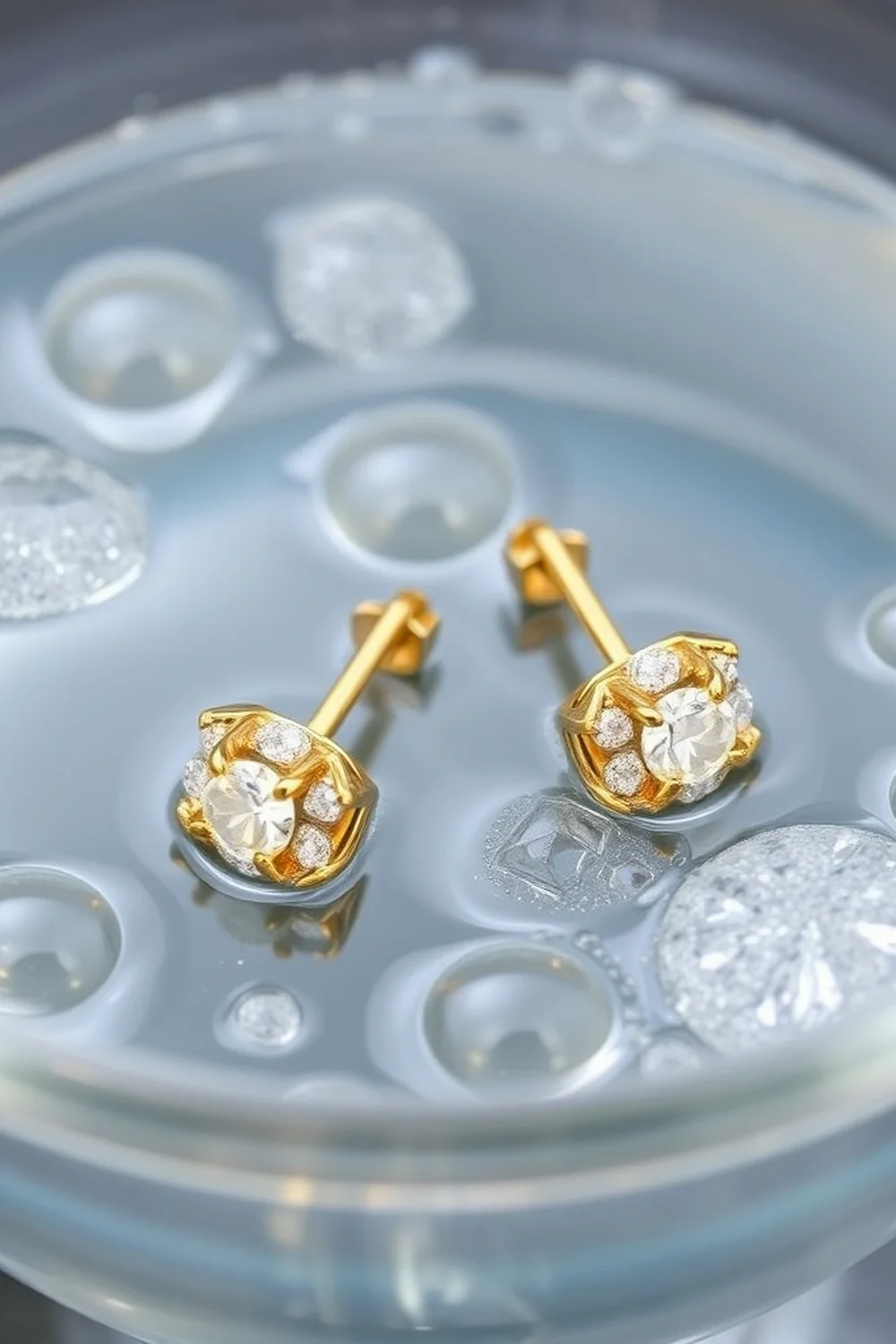
The best way to clean gold jewelry and restore its luster involves a simple soak in a solution of mild dish detergent and warm water. This mixture safely removes the build-up of soaps, lotions, and body oils that typically cause jewelry to appear dull or hazy.
- Mix a few drops of mild dish detergent into a bowl of warm water and let your pieces soak for several minutes.
- Use a soft-bristled brush to gently remove grime from settings when cleaning diamond rings at home.
- Rinse each item thoroughly under lukewarm running water to ensure no soapy residue remains on the surface.
- Pat your jewelry completely dry with a soft, lint-free microfiber polishing cloth to prevent water spots.
- Distinguish carefully between solid gold, which is durable and resistant to tarnish, and gold-plated items that feature a thin layer of gold over a base metal.
- Avoid scrubbing gold-plated pieces, as the gold layer is prone to chipping or wearing away over time.
Always exercise caution with antique settings, as water can potentially enter the crevices of older pieces. While standard diamond rings are generally robust, you must remain gentle to avoid loosening stones or damaging the delicate metalwork surrounding them. If you notice any loose prongs or structural concerns, it is best to skip the home soak and consult a professional jeweler to prevent permanent damage to your collection.
Managing Tarnished Silver

Silver jewelry naturally tarnishes over time due to chemical reactions with elements in the air. This discoloration is a standard part of owning the metal, rather than a sign of poor quality or damage.
When you need to remove tarnish from silver at home, a gentle approach is essential to preserve the finish. A common practice is using a mixture of three parts baking soda to one part water to create a soft paste. You can apply this mixture lightly to the surface before rinsing and drying thoroughly. Avoid using harsh chemical dips, which can strip away the intended oxidation found in many intricate jewelry designs.
After rinsing, the importance of using a soft microfiber polishing cloth cannot be overstated. This tool effectively buffs away residue without scratching the delicate metal surface. Unlike paper towels or rough fabrics, these cloths are designed to lift debris while leaving a bright, clean luster behind. Proper drying is a vital final step to prevent water spots and future tarnish.
- Ensure the jewelry is completely dry before storage.
- Use a dedicated silver cloth to maintain the shine.
- Keep pieces in airtight containers to limit air exposure.
Care for Fashion Jewelry
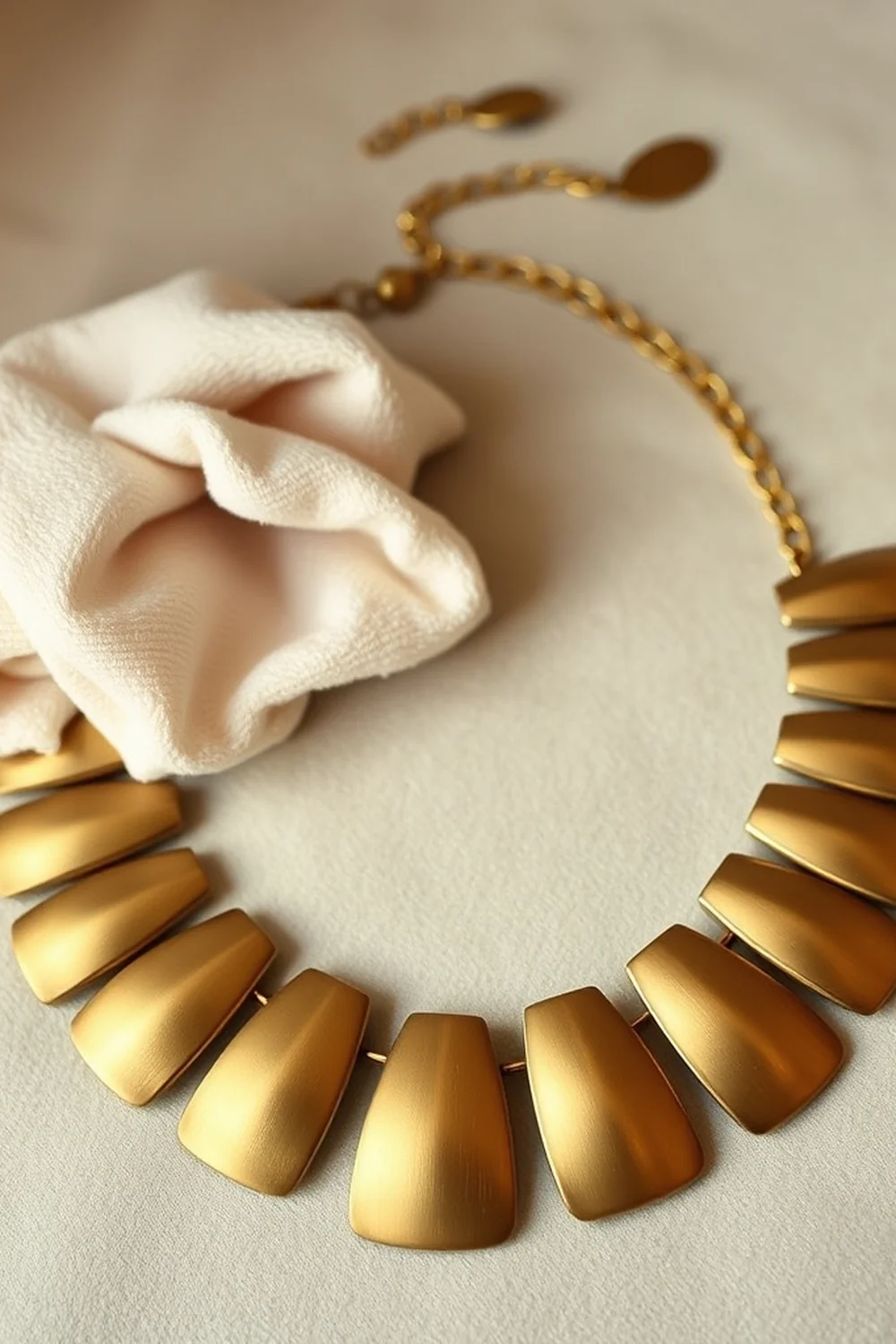
You can maintain the appearance of fashion accessories by using gentle, dry methods rather than liquid cleaners. Fashion jewelry is often made from aluminum, brass, or copper, which react poorly to moisture and harsh chemical exposure.
Simple buffing is safer than soaking because it removes surface oils and dust without risking the structural integrity of the piece. Many fashion items feature glued components, such as crystals or synthetic stones, that can loosen or dissolve when submerged in water. Skipping the soak prevents these adhesives from failing, keeping your stones secure.
To preserve your accessories, follow these maintenance guidelines:
- Use a soft microfiber polishing cloth to buff away fingerprints and light surface dirt.
- Avoid using liquid solutions, as these can easily seep into the base metal and cause oxidation.
- Check for any loose components before cleaning to ensure they do not fall out during handling.
- Keep your pieces away from lotions and hairsprays, which often leave a hazy residue that is difficult to remove without damaging the finish.
Because fashion items are frequently plated rather than solid, they are prone to chipping. Aggressive scrubbing or chemical baths can strip this thin coating rapidly. A light, frequent wipe down with a dry cloth is the most reliable strategy for keeping these materials looking their best over time.
Common Cleaning Mistakes
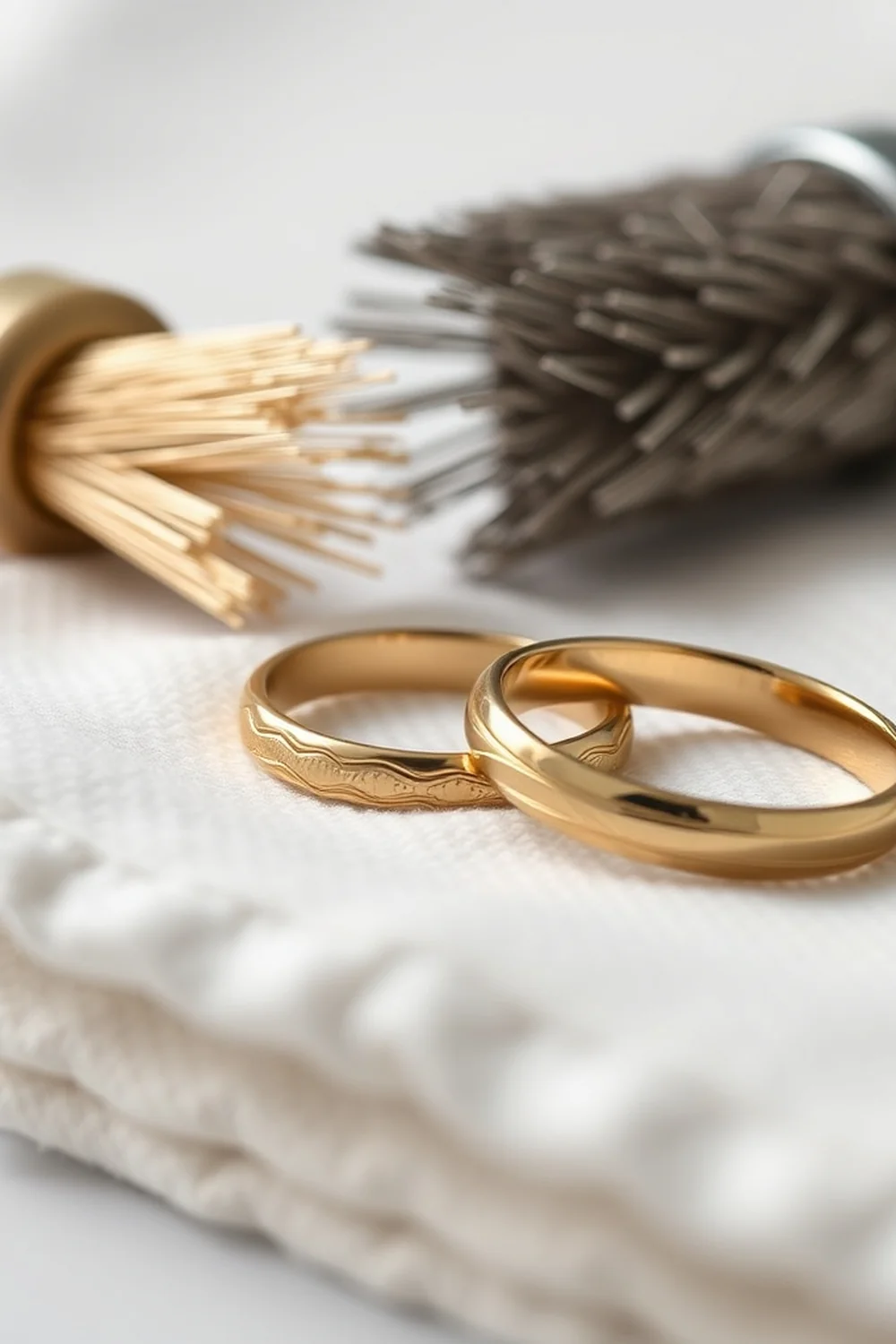
Protecting the integrity of your pieces requires avoiding harsh mechanical or chemical interventions that cause permanent damage. Using improper techniques or tools often leads to scratched metals, loosened settings, or dulled gemstone surfaces that cannot be easily repaired.
- Aggressive scrubbing with abrasive brushes or household scouring pads creates micro-scratches on soft metals like gold and silver, eventually stripping away finishes.
- Vinegar and other acidic cleaners react poorly with porous gemstones such as turquoise, pearls, and opals, often etching the stone surface and permanently destroying their natural luster.
- Ultrasonic jewelry cleaner machines use high-frequency vibrations that can shatter fragile gemstones or cause loose stones to fall out of settings entirely.
- Applying intense physical force to jewelry with intricate prongs risks bending the metal, which can compromise the structural security of your stones.
- Submerging antique pieces in liquid solutions is risky, as water often enters the settings of items like Georgian or Victorian jewelry and becomes trapped, leading to hidden corrosion.
- Choosing non-specialized household chemicals over safe cleaning solutions for jewelry frequently results in chemical reactions that discolor base metals, especially in gold-plated items where the thin precious metal layer is prone to chipping.
When you aim to restore brilliance, prioritize gentle methods over speed. Harsh treatment is rarely necessary, as most build-up from daily exposure to soaps and lotions responds well to mild care. Always test a small, inconspicuous area if you are unsure about the compatibility of a specific substance with your jewelry materials.
Special Precautions for Antiques
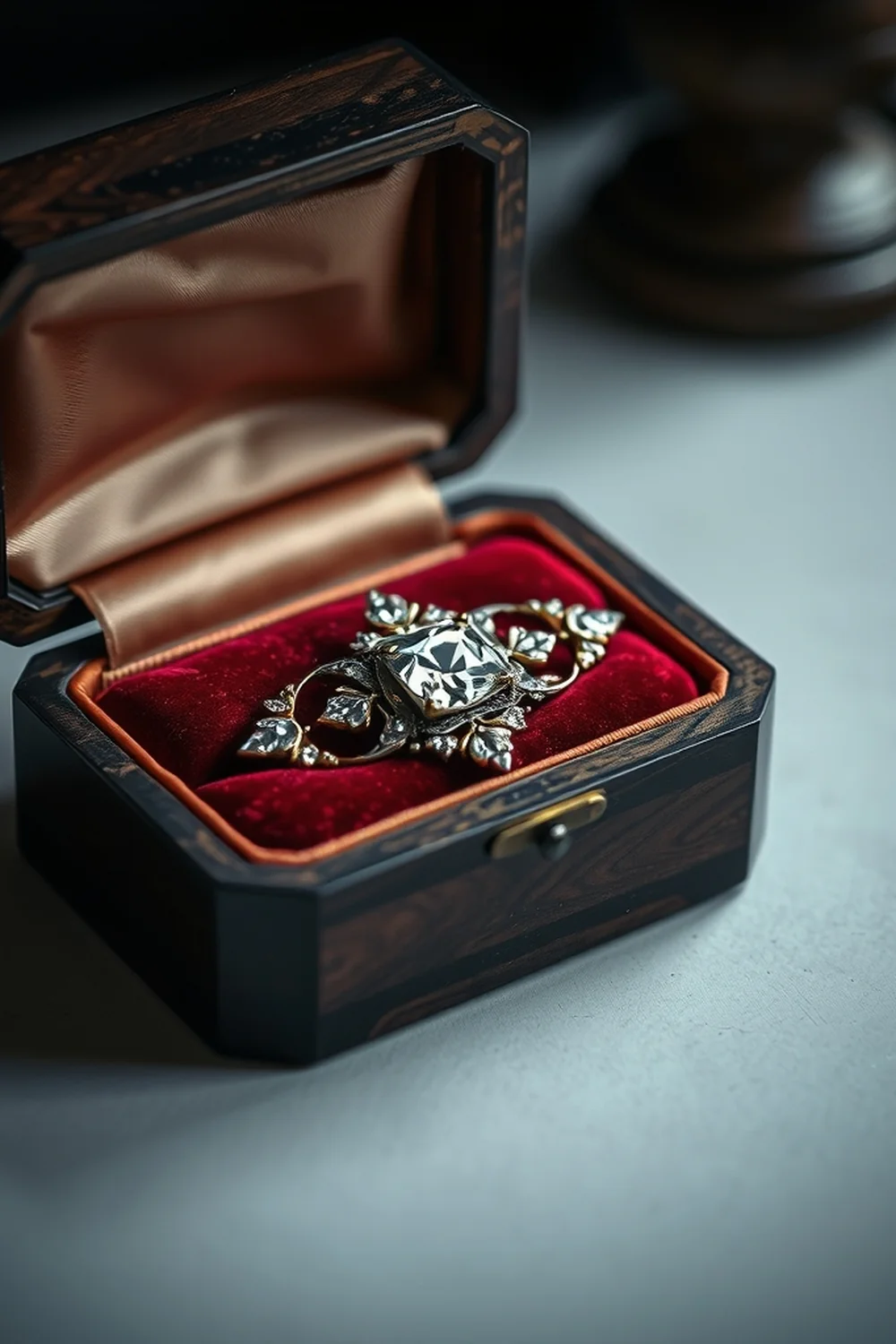
Antique pieces require extreme caution because standard liquid immersion techniques often cause permanent damage to their delicate construction. If you own heirloom items, it is safest to skip DIY maintenance altogether and seek a professional jeweler instead.
A primary concern with Georgian or Victorian settings is the risk of water ingress. It is common guidance that water can seep into these older, often foil-backed settings, potentially causing corrosion or damaging the metal structure from the inside. Once moisture enters these crevices, it is nearly impossible to remove, which can lead to long-term deterioration of the piece.
Pearls are another category that demands specialized attention due to their extreme fragility. According to the Gemological Institute of America, pearls can be damaged by water that is too warm. Because heat can alter the luster and structural integrity of the nacre, you should never attempt to submerge them in warm or hot liquid baths.
You should completely avoid home methods if your jewelry meets the following criteria:
- The piece contains loose, chipped, or missing stones.
- The item features delicate organic materials like pearls, coral, or amber.
- The setting is an antique with exposed foil backing or intricate, closed-back designs.
- The jewelry has been repaired previously with adhesives that might dissolve in cleaning solutions.
- You are uncertain about the metal composition or the authenticity of the gemstones.
Professional assessment is always the most responsible choice for high-value or fragile items to ensure they are preserved for future generations.
When to Get Professional Cleaning

You should consult a jeweler whenever you notice physical damage to a piece or if routine care fails to remove stubborn buildup. While minor maintenance can be handled safely by yourself, specific structural issues require expert attention to prevent the permanent loss of gemstones or total breakage.
Inspect your jewelry regularly for signs of wear, such as loose prongs or damaged settings. If you notice a stone wiggling when gently touched or if a setting appears bent, stop wearing the item immediately. Attempting to scrub or soak pieces with compromised settings often causes further damage or results in the stone falling out entirely.
Deep-seated grime that does not respond to standard methods suggests that debris is trapped in areas you cannot reach. If you see dark residue lingering in crevices or behind stone pavilions despite your best efforts, take the item to a professional. Experts often use specialized equipment, such as an ultrasonic jewelry cleaner, which safely dislodges compacted soaps, lotions, and oils that cause jewelry to appear dull.
Professional inspections serve as essential jewelry maintenance tips for valuable items. Jewelers can provide a thorough assessment of the structural integrity of your collection, identifying weak points before they fail. Periodic checkups ensure that your investment pieces remain secure and continue to sparkle, providing peace of mind that your jewelry is not only clean but also safe to wear daily.
FAQ
How often should jewelry be cleaned?
You should clean your jewelry whenever you notice a buildup of oils, lotions, or soaps, which are common causes of a dull or hazy appearance. A gentle routine of cleaning pieces after every few wears helps prevent significant grime accumulation.
Is mild dish soap safe for jewelry?
Yes, mild dish detergent mixed with warm water is generally considered a safe cleaning solution for most durable jewelry items. Avoid using harsh chemicals or abrasive scrubs that can scratch delicate metal surfaces or damage gemstone settings.
How do you clean gold versus silver?
Solid gold is typically viewed as durable and resistant to tarnish, while silver jewelry naturally tarnishes over time and often requires a specific approach. For tarnished silver, common guidance suggests using a mixture of three parts baking soda to one part water to restore its luster.
Why is water dangerous for antique or pearl jewelry?
Water can enter the settings of antique jewelry, such as Georgian or Victorian pieces, potentially causing hidden damage or corrosion. Additionally, the Gemological Institute of America confirms that pearls are delicate and can be damaged by water that is too warm.
What should I avoid when cleaning fashion jewelry?
Since fashion jewelry is often made from aluminum, brass, or copper, it is prone to damage from harsh cleaning agents. Furthermore, gold-plated items usually consist of a base metal of lower value covered by a thin surface of gold, which can easily chip or wear away if you scrub the piece too vigorously.
When should a professional be consulted for cleaning?
A professional jeweler should handle pieces with complex settings, antique jewelry, or items featuring porous gemstones that are sensitive to moisture. Seeking expert help ensures that valuable or fragile items are maintained without the risk of accidental damage from improper home cleaning techniques.
Conclusion
The best approach to jewelry care relies on identifying your specific materials before choosing a method. Once you have confirmed your piece is durable enough for a gentle wash, you can confidently proceed with how to clean jewelry at home using mild solutions. If you encounter pieces with porous gemstones, complex antique settings, or significant damage, prioritize professional inspection over DIY techniques. Always store your items in a dry, cool environment to minimize tarnish and preserve their original luster for years to come.
You might also like: 23 Victorian Kitchen Ideas Worth Stealing for Your Home