21 Backpack Organization Tips for a Calm School Year
Introduction
The school morning scramble usually starts in the same place: a backpack that swallowed the homework, the permission slip, and one very important library book. Good backpack organization will not make mornings perfect, but it removes the frantic digging, the crumpled papers, and the daily question of where anything actually is.
The goal is a simple system a child can run alone. A home for homework, a home for supplies, a home for the small things that always vanish, plus two short routines, one nightly and one weekly, that keep the bag from slowly filling with crumbs, old worksheets, and mystery objects.
Guidance from school and health sources points the same way. Brown University Health advises packing heavier items toward the back and center of the bag, using the pockets to spread weight, and carrying only what the day needs. K12 Tutoring recommends color coded folders, daily checklists, and a weekly clean out. This list turns that advice into twenty one small, practical steps.
Start with just two or three tips if your child is young or resistant. Systems that grow gradually stick, while a total overhaul on day one usually lasts about a week. Build the habit first, then add the polish.
Choose a Bag With Real Compartments
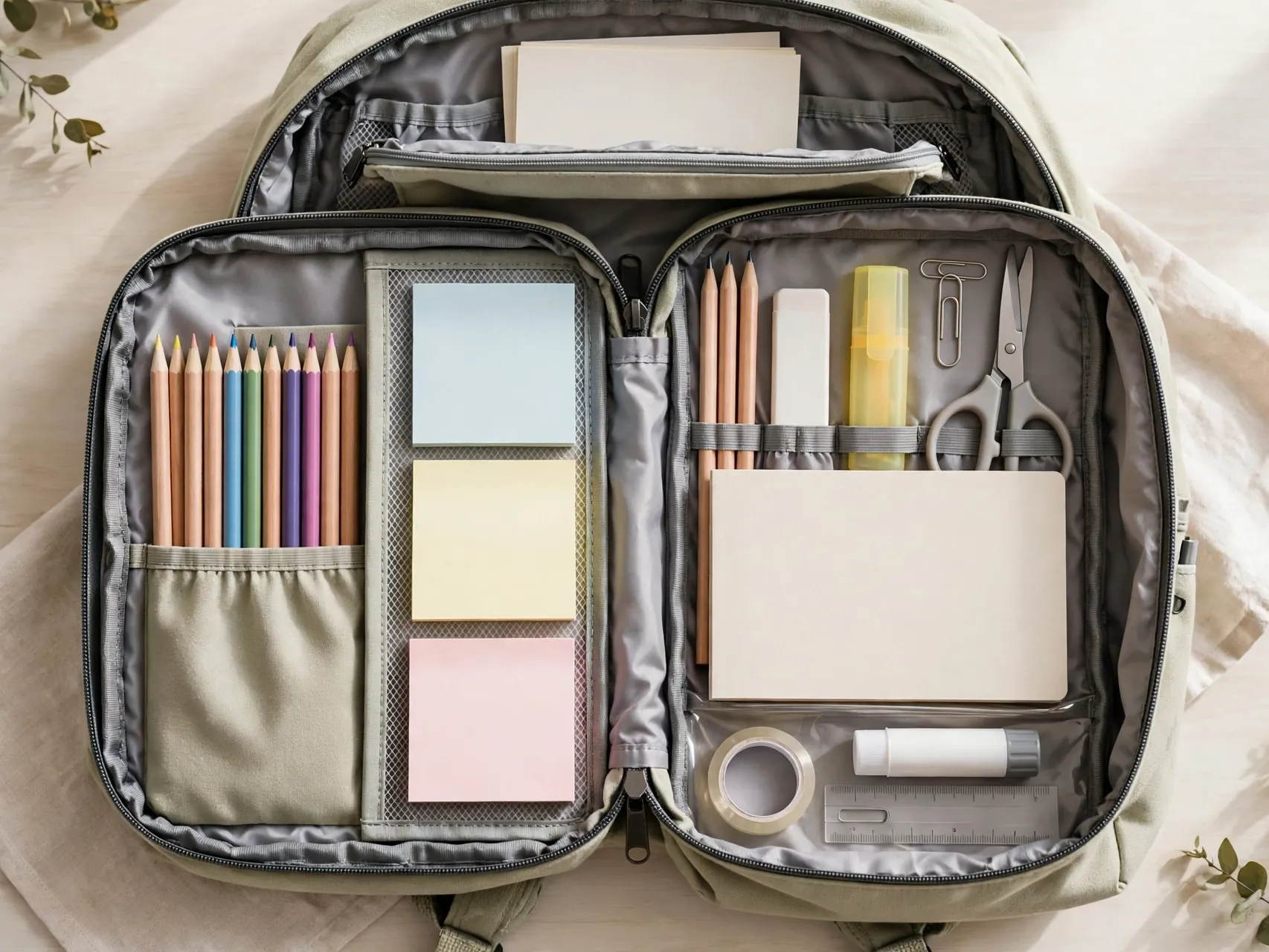
Organization starts before anything goes inside. A backpack with two main compartments, a front pocket, and a water bottle holder gives every category a natural home. One large empty sack, however cute, guarantees a daily treasure hunt.
Fit matters just as much. Pediatric guidance shared by Childrens Hospital Los Angeles recommends lightweight bags with two wide, padded straps, a padded back, multiple pockets, and a waist strap where possible. The bottom of the bag should rest near the waist, not hang low, and both straps should be used every time.
Set Up a Two-Folder Homework System
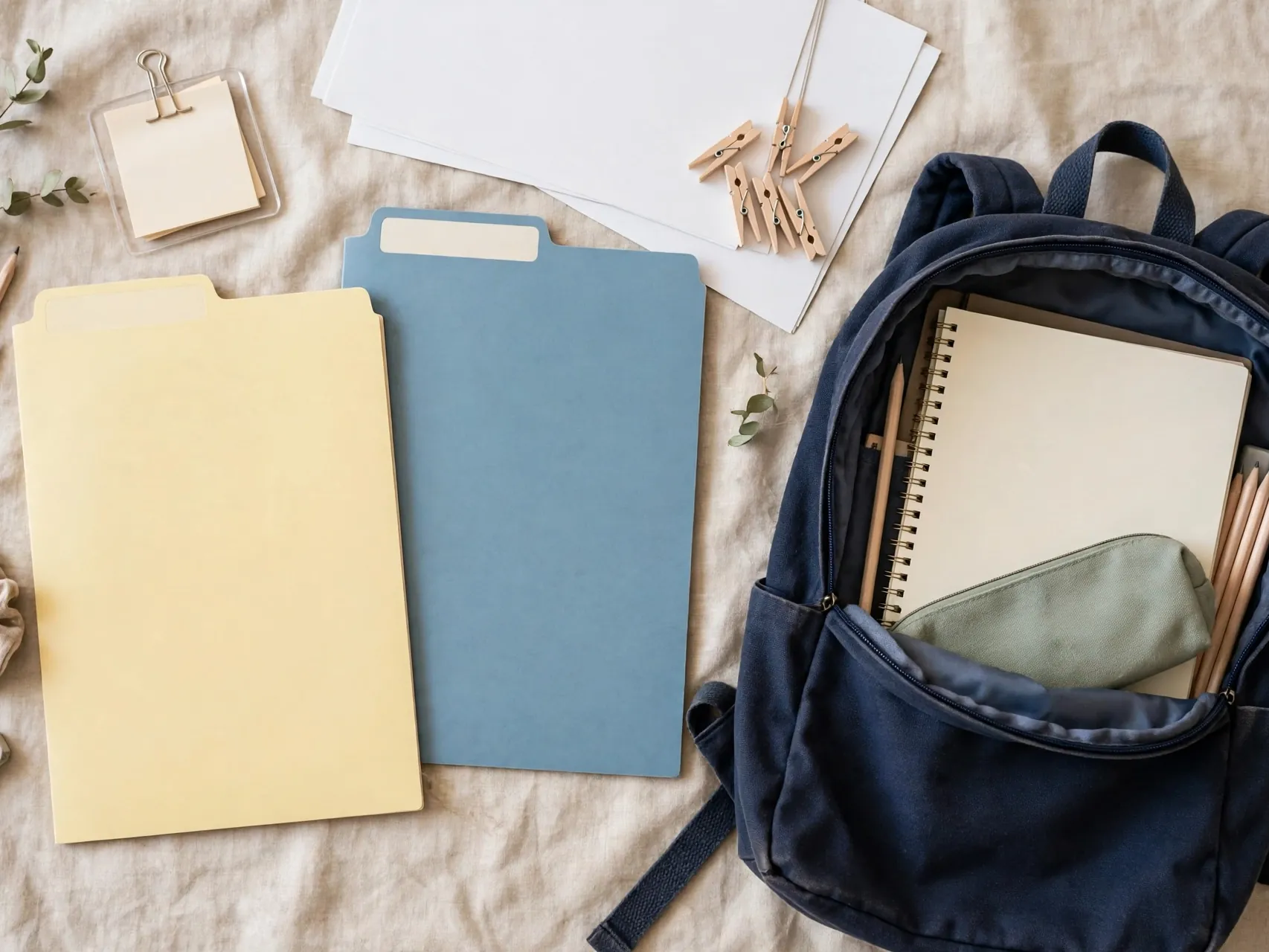
Two folders stop the most common school disaster, finished homework lost inside the bag. Label one folder for work to do or hand in, and the other for completed work and papers coming home for parents. Put both folders in the same place in the bag every day.
Check the home folder together each evening at first, until checking becomes your child's own habit. This tiny system also protects parents from the surprise form that needed a signature yesterday. When in doubt, keep the system to two folders rather than five.
Color Code Every Subject
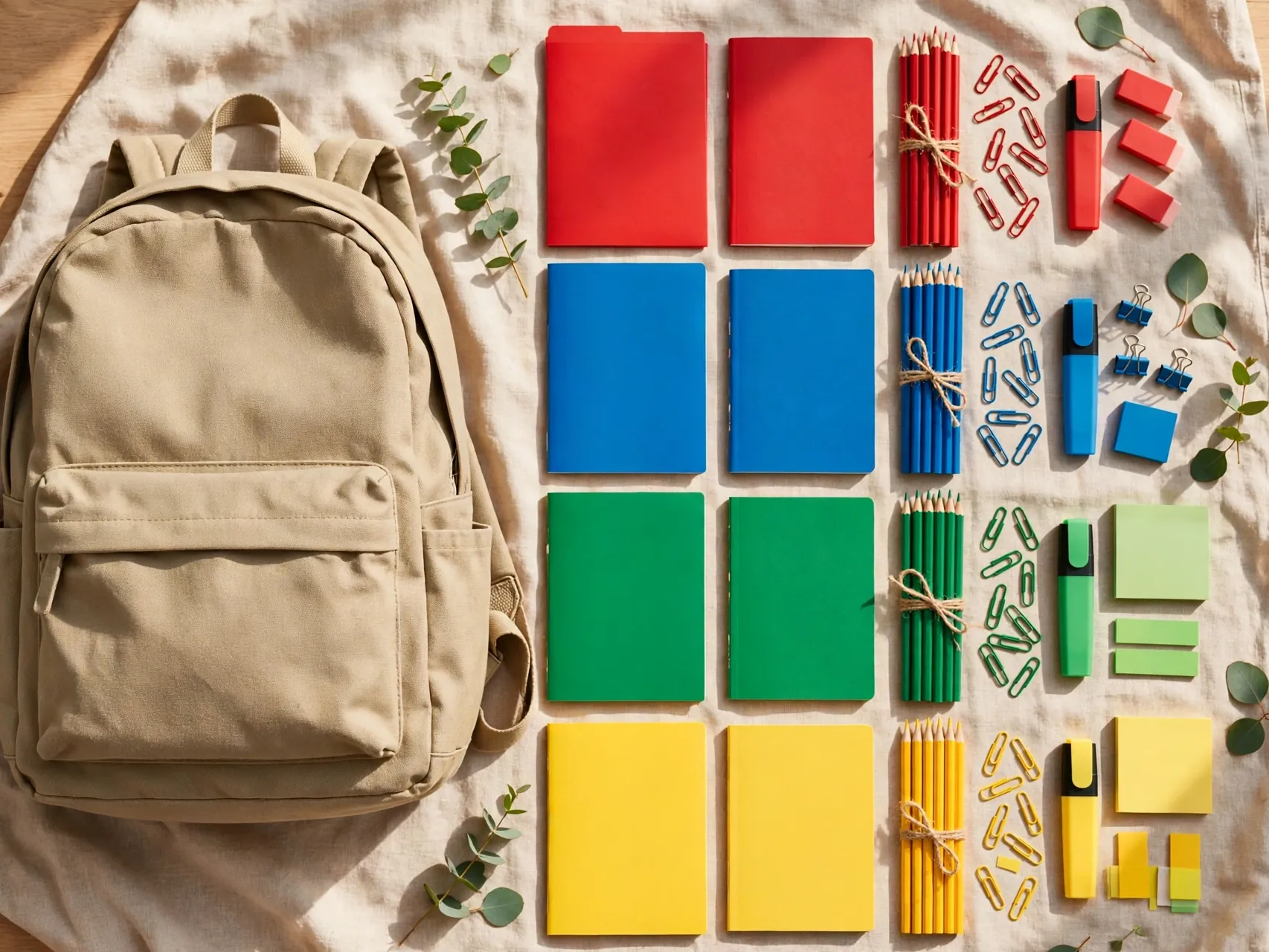
Assign each subject a color and use it for the folder, notebook, and book cover where possible. Math is always blue, reading is always red, and grabbing the right materials takes seconds instead of minutes, even in a noisy classroom.
Color coding helps younger children and visual learners most, but older students benefit too when lockers and class changes get rushed. Write the color key on a small card inside the front pocket at the start of term, and replace worn folders in the same colors at restock time.
Add a Small Pencil Pouch That Stays Put
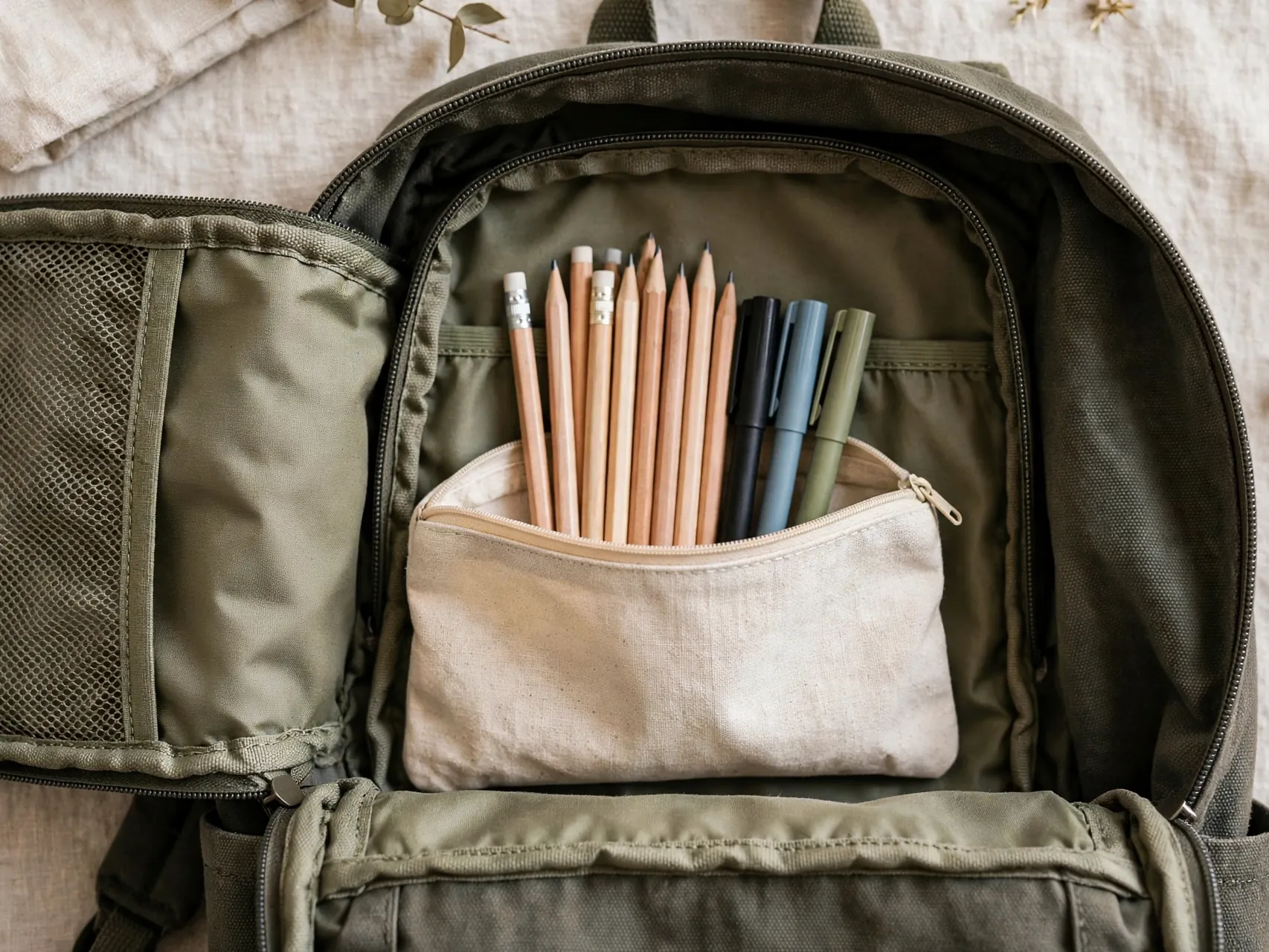
Loose pencils, erasers, and glue sticks migrate to the bottom of every bag unless they live in a pouch. Choose one zippered pouch for writing tools and keep it in the same pocket or clipped to an inside loop so it returns to the same spot daily.
Stock the pouch lightly: two pencils, an eraser, a glue stick, and any tools the teacher requests. A stuffed pouch is just a smaller mess. Check it during the weekly clean out and sharpen or replace supplies then, not in the morning rush.
Use a Front Pocket Command Center
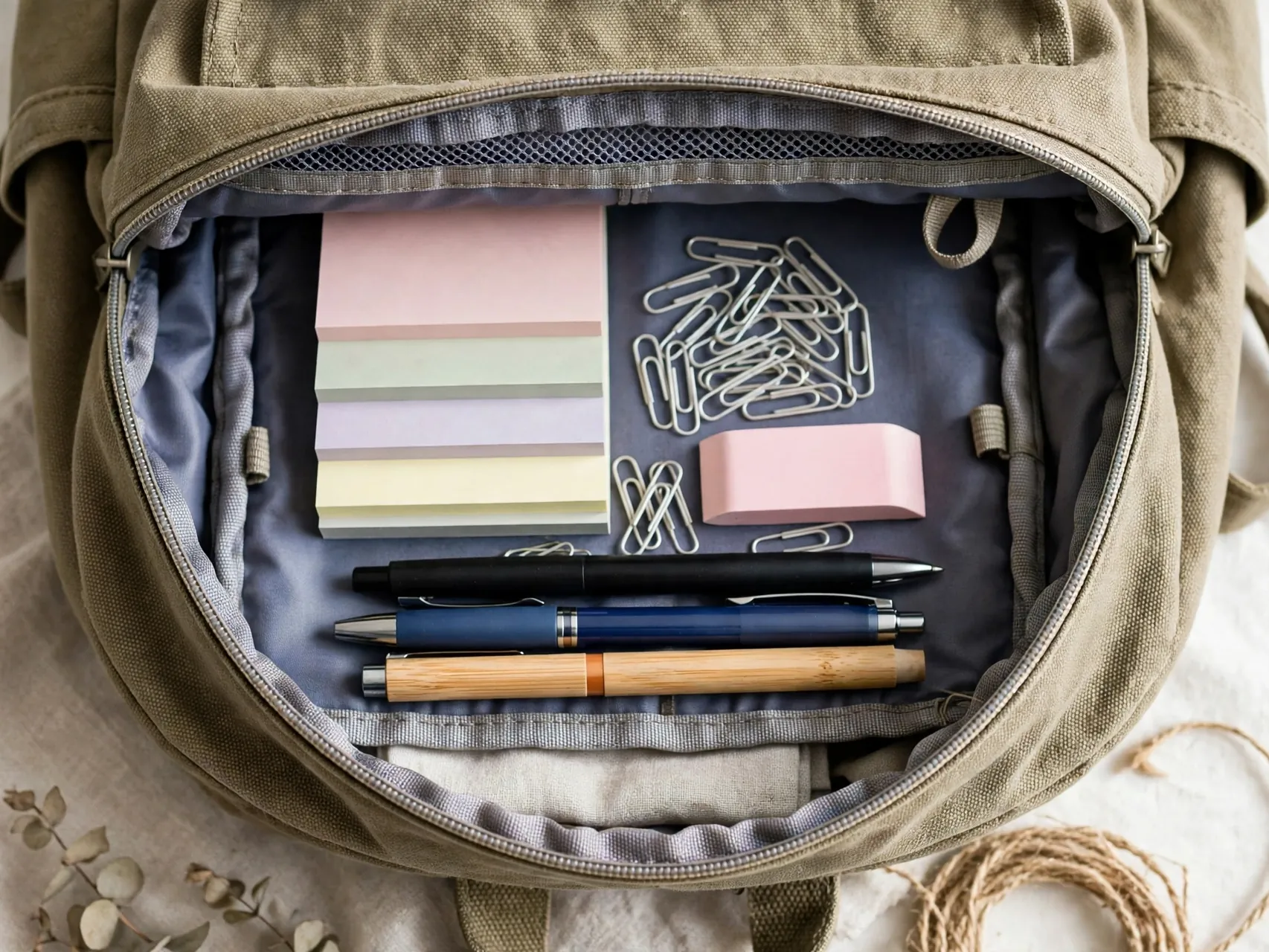
The small front pocket is prime space, so give it a clear job: the things your child needs fast. Depending on age, that might mean a house key in a zip section, tissues, lip balm, bus pass, or a note for the teacher in a clear sleeve.
Keep this pocket almost empty on purpose. When only three or four essentials live there, each one is findable in seconds. Review its contents monthly, since front pockets quietly collect wrappers, broken crayons, and small toys that belong elsewhere in the house.
Pack Heavy Items Closest to the Back
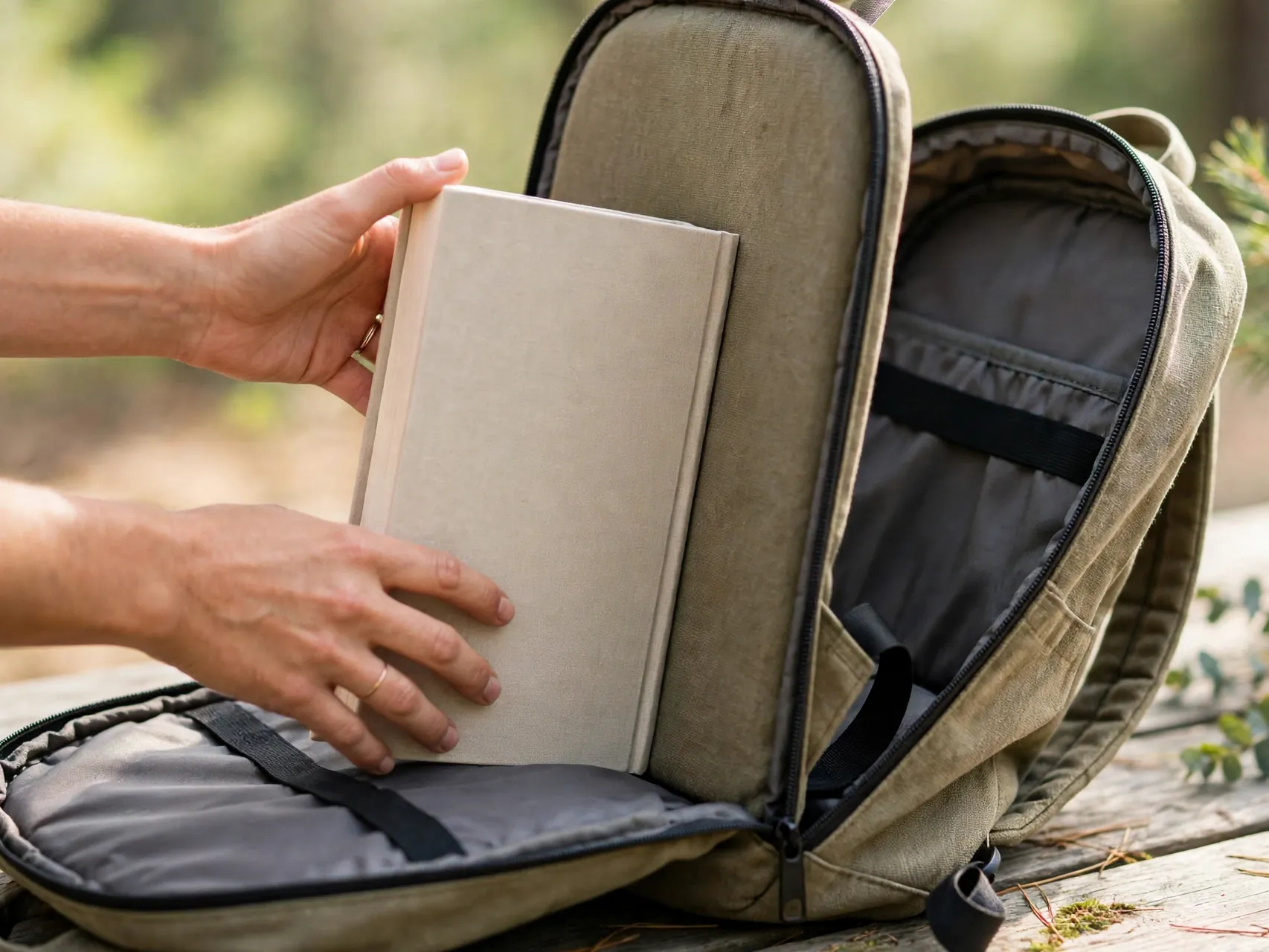
Where things sit inside the bag changes how heavy it feels. Brown University Health advises placing heavier items like books and notebooks toward the rear and center, closest to the child's back, with lighter items in front and sharp items such as scissors kept away from the body.
Teach your child this order once, then let the nightly reset reinforce it. Heavy books flat against the back panel, folders next, lunch and soft items toward the front. The bag will feel lighter, carry better, and be less likely to pull your child off balance.
Create a Laminated Packing Checklist
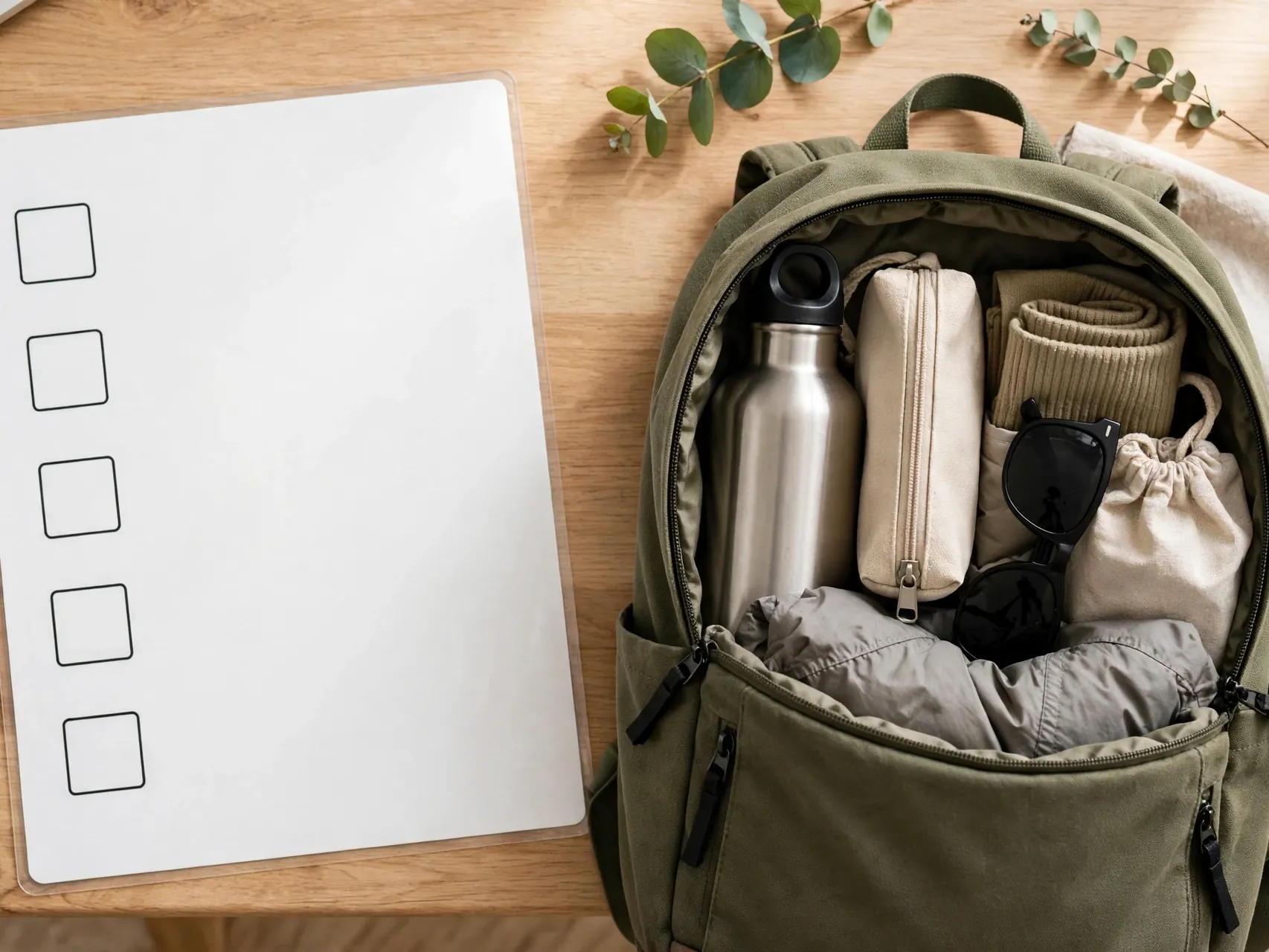
A short checklist removes memory from the morning routine. List the daily essentials, folder, planner, water bottle, lunch, plus the items that change by day, such as library books on Tuesdays or sports kit on Fridays. Laminate it or slip it into a clear pocket.
K12 Tutoring suggests taping a checklist inside the backpack or at a family command center, and that placement matters: the list has to be visible at packing time, not in a drawer. Let your child tick items off with a finger as they pack, and update the list each new term.
Build a Five-Minute Nightly Reset
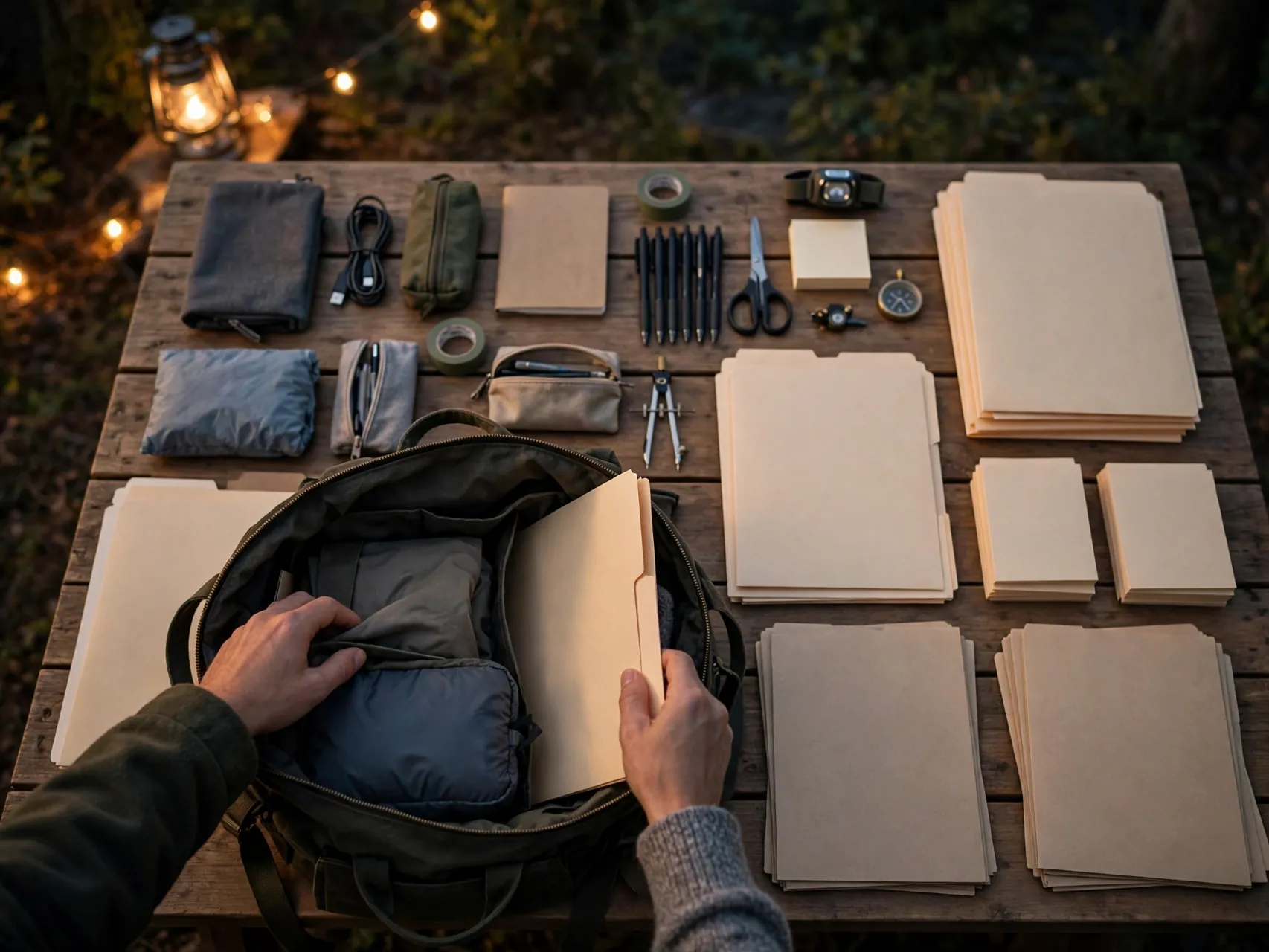
The single habit that keeps a bag organized is a short reset the night before. Empty the front pocket and main compartment onto the table, remove trash and finished papers, check the two folders, then repack for tomorrow using the checklist.
Five unhurried minutes at night replaces fifteen stressful minutes in the morning. Pair the reset with an existing routine, such as after dinner or before screen time, so it happens automatically. Parents of younger children join in at first, then step back as the habit takes hold.
Schedule a Weekly Full Clean-Out
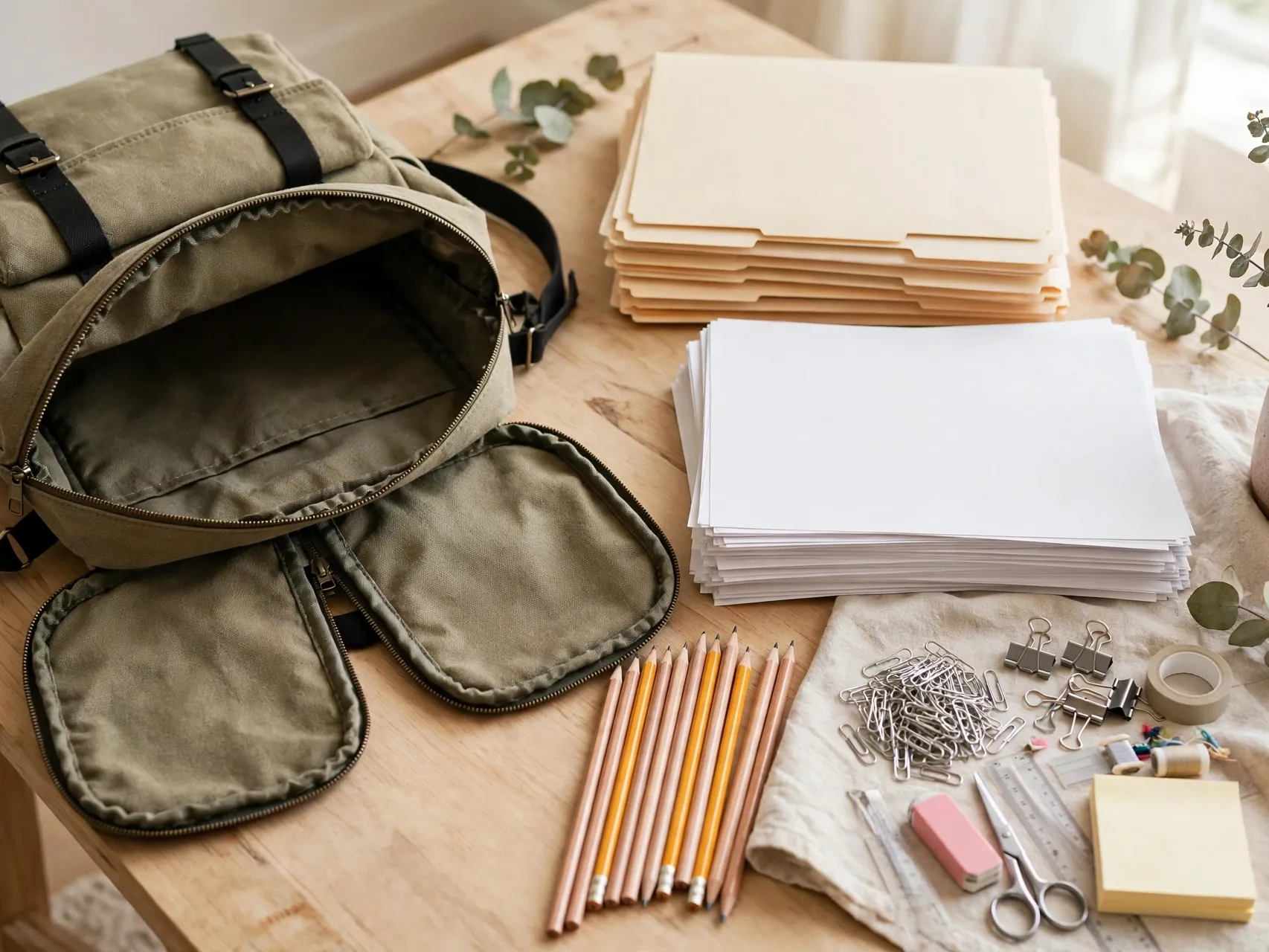
Even with nightly resets, bags accumulate clutter, so pick one weekly moment, often Sunday evening, to empty the backpack completely. Shake out crumbs over a bin, wipe the base, review every paper, and return only what belongs.
K12 Tutoring recommends this weekly ritual as a chance for parents to catch missing forms and overdue books before they become problems. It is also the moment to wash lunch containers that rode home on Friday and to check for permission slips hiding under notebooks.
Give the Backpack a Home Drop Spot

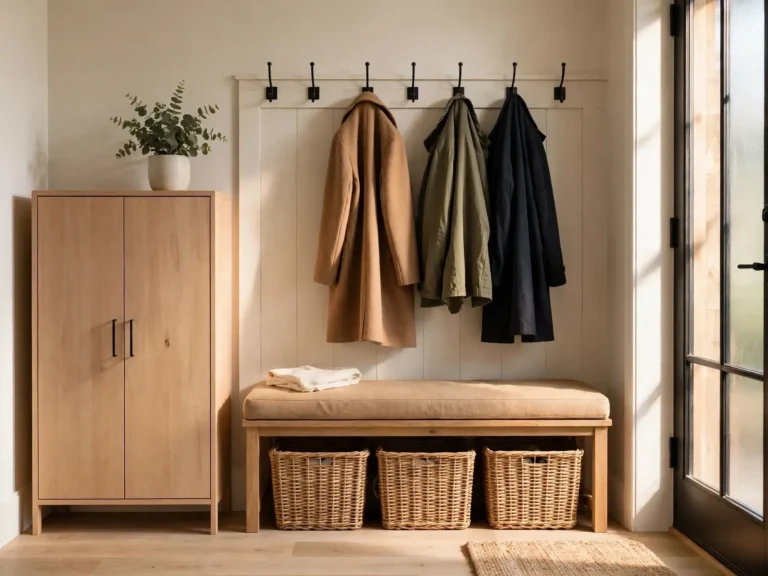
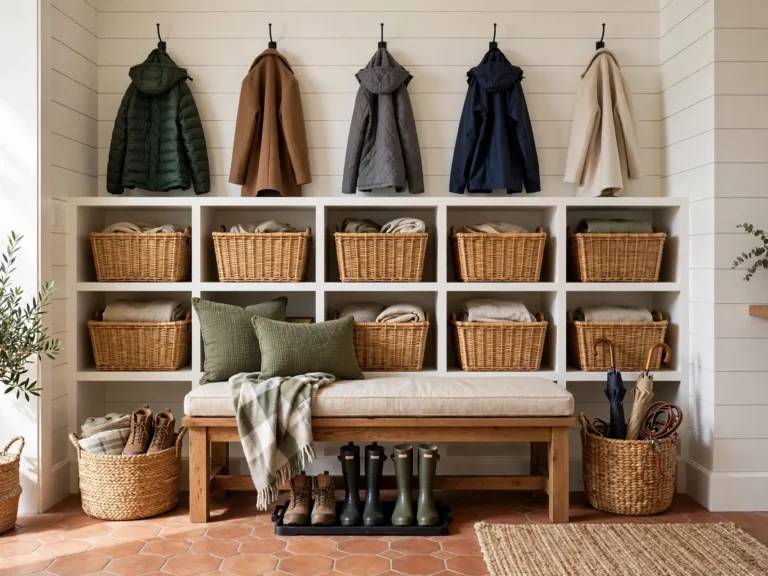
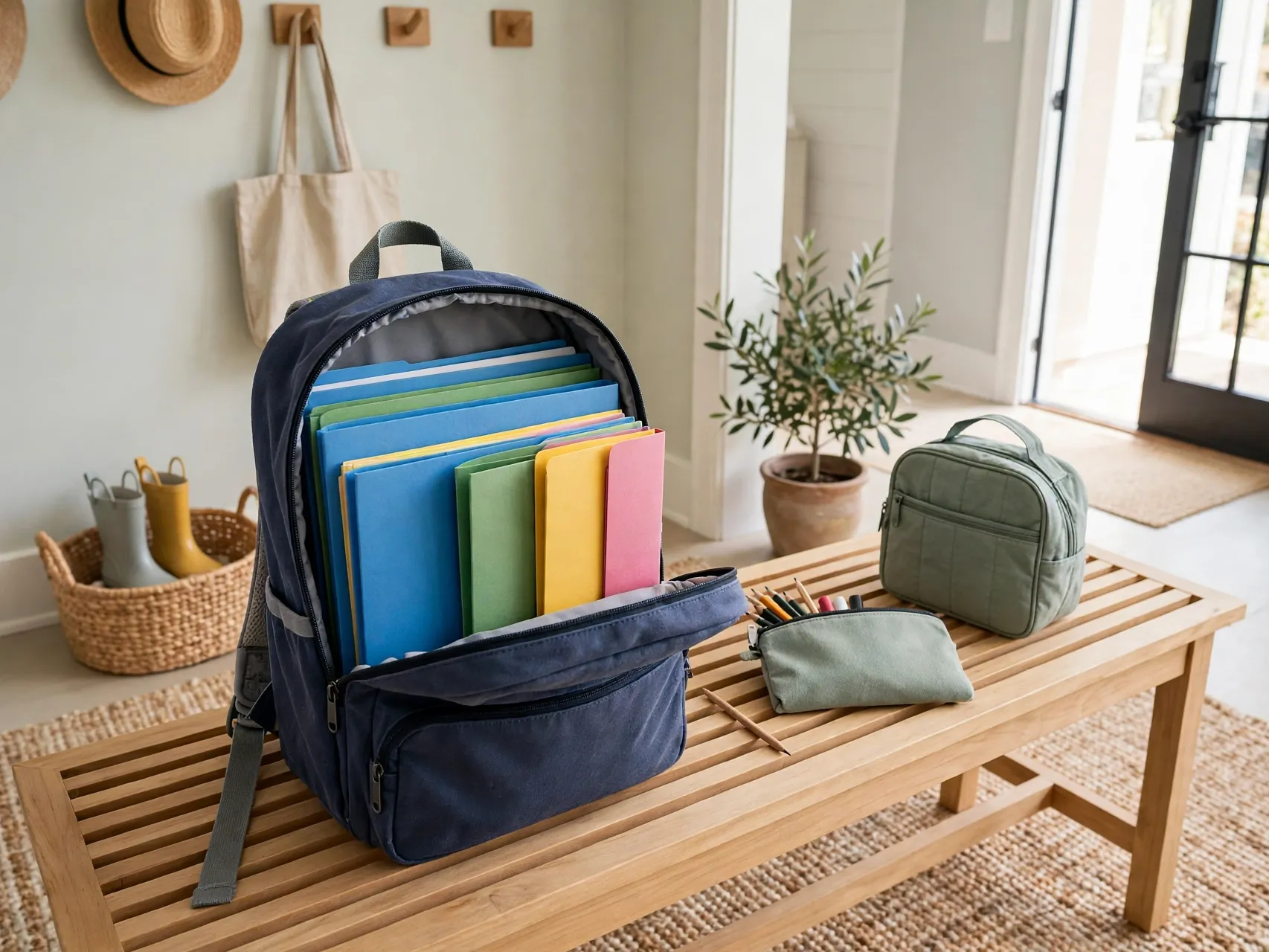
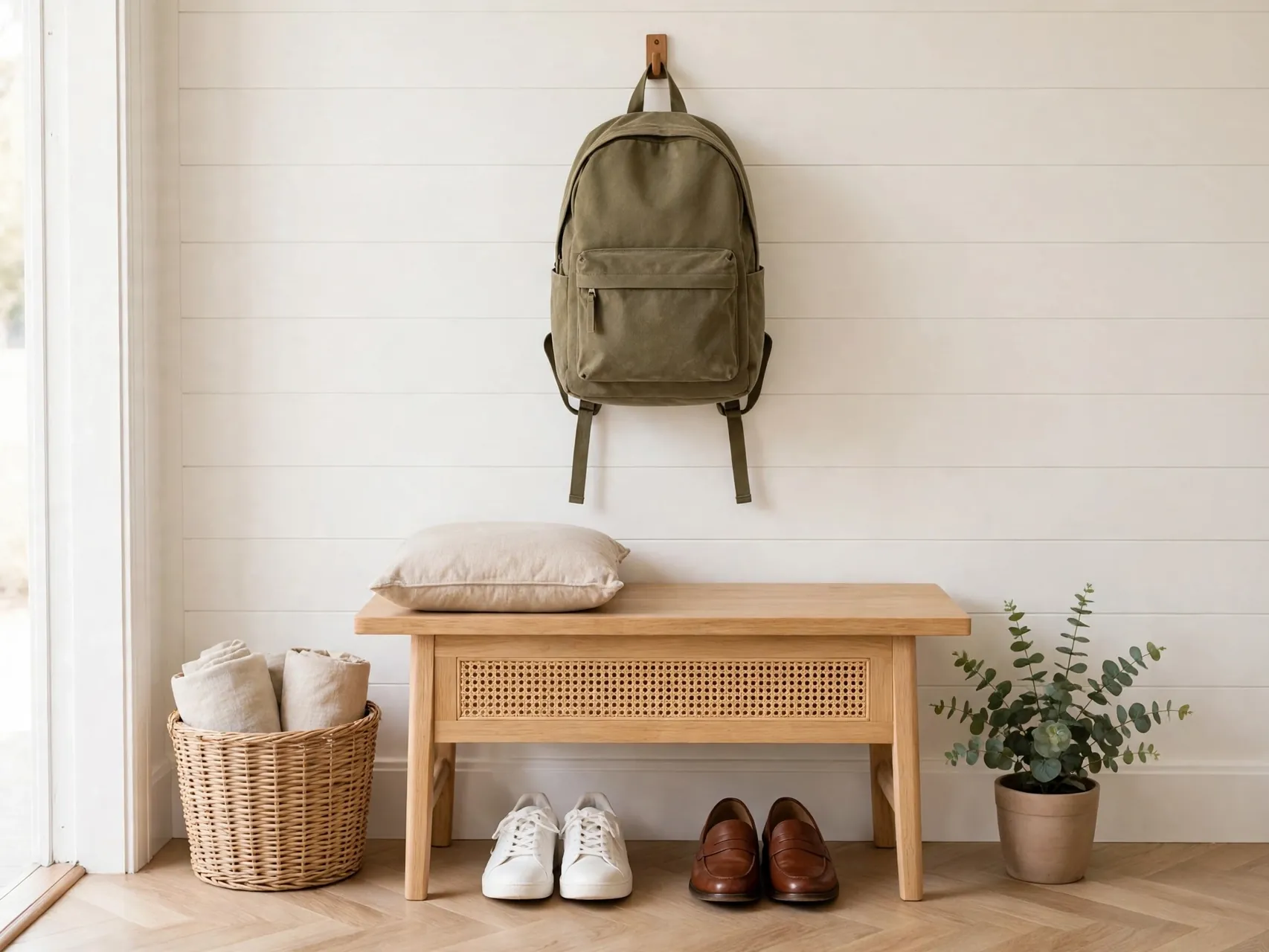
A backpack that lives in a different place every day will be lost every morning. Choose one drop spot near the door, a hook, a bench cubby, a basket, or a low shelf, and make it the bag's only home when it is not on your child's back.
The drop spot works best near where shoes and coats live, so leaving the house becomes one smooth sequence. If several children share the entry, give each bag its own labeled hook at the right height. Consistency here ends the most common morning search of all.
Label Everything That Can Wander Off
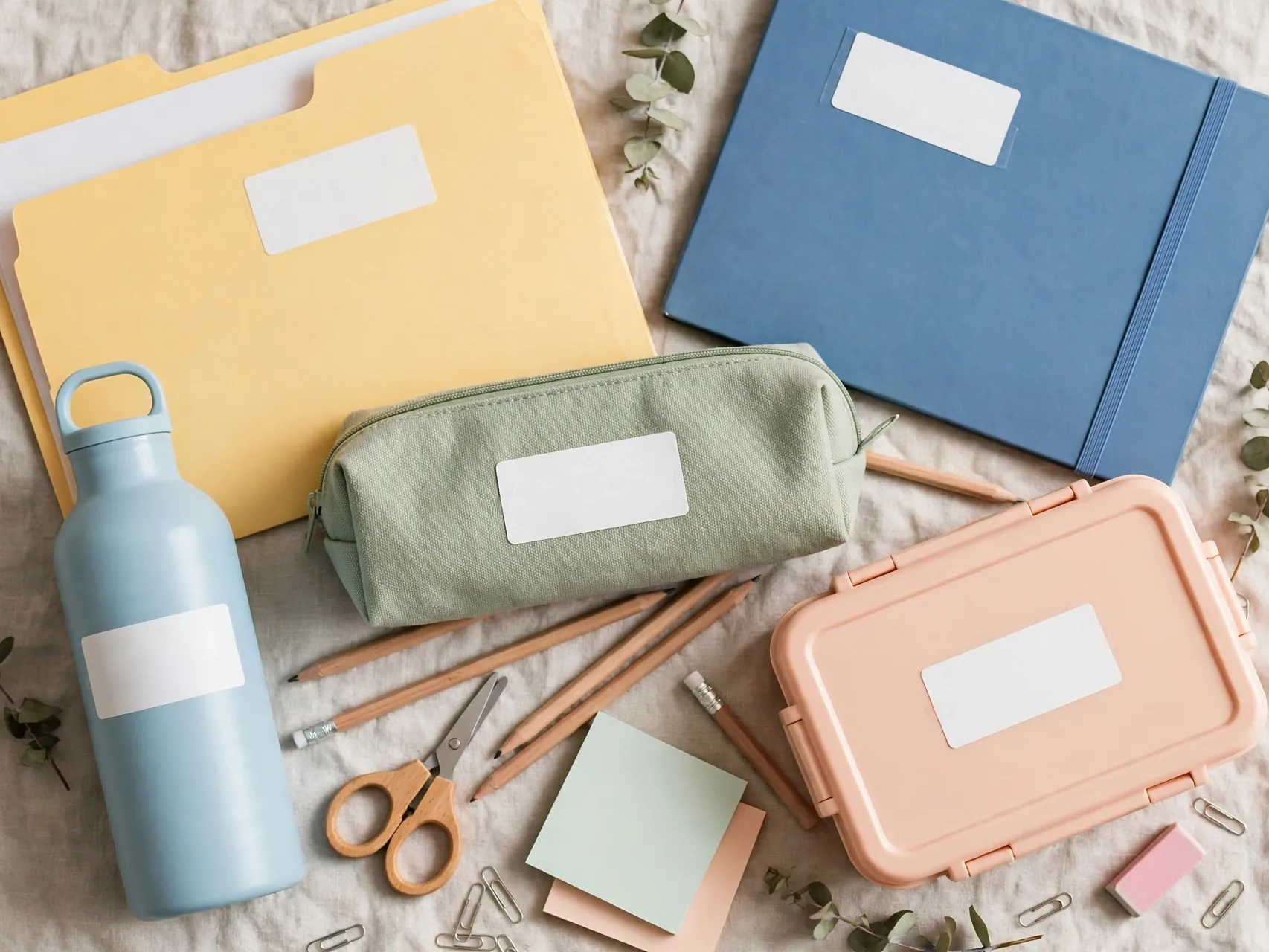
Folders, notebooks, water bottles, lunch boxes, pouches, and even chargers should carry your child's name. Labels reduce lost property, help teachers return strays, and teach children that their things are their responsibility.
Use simple name labels or a permanent marker on inside tags for older kids who want a subtler look. Label at the start of term and again when new supplies arrive mid year. This small job pays for itself the first time a favorite bottle comes home from the lost and found.
Keep a Tiny Essentials Kit Separate
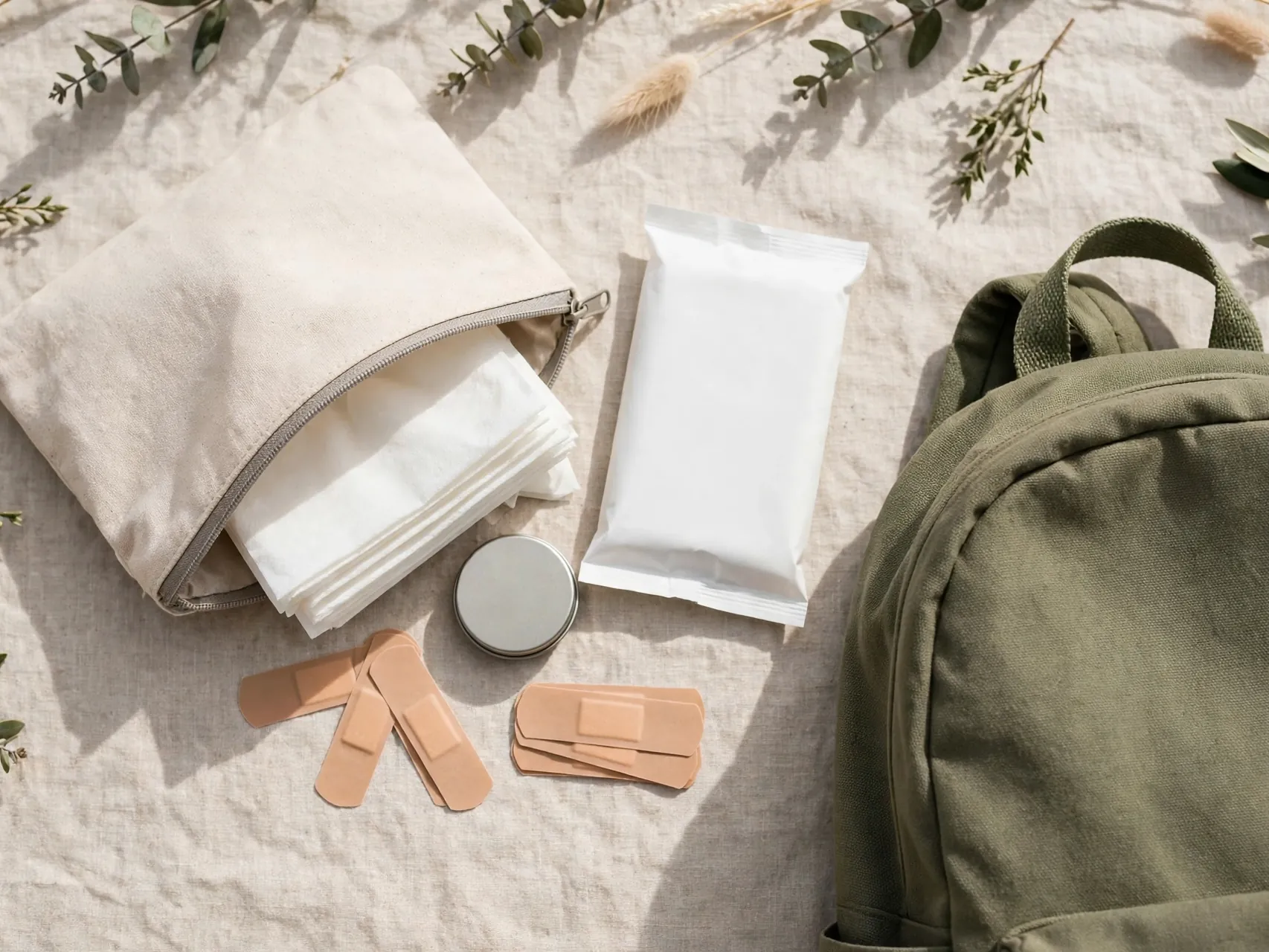
A small zip kit for personal essentials keeps tiny items from scattering through the bag. Depending on age and school rules, that might include tissues, plasters, hair ties, or a spare pair of socks in a sealed pouch for younger children.
Keep the kit in its own pocket and restock it during the weekly clean out. Because the kit is separate, your child always knows where the small rescue items live, and the main compartments stay free for schoolwork. Follow school policy for any medicines, which usually belong with the school nurse.
Use Clear Pouches So Nothing Hides

Clear pouches let children see contents at a glance, which removes the empty everything out search for one small item. Use one for art supplies, one for electronics cables or earbuds where allowed, and one for the essentials kit if your child prefers to see it.
Clear storage also shows adults what is running low without a full unpack. Choose sturdy pouches that survive being dropped and stuffed daily. If clear feels too exposed for an older student, use solid pouches in the subject colors instead, and keep the see at a glance benefit through labeling.
Limit Just-in-Case Extras
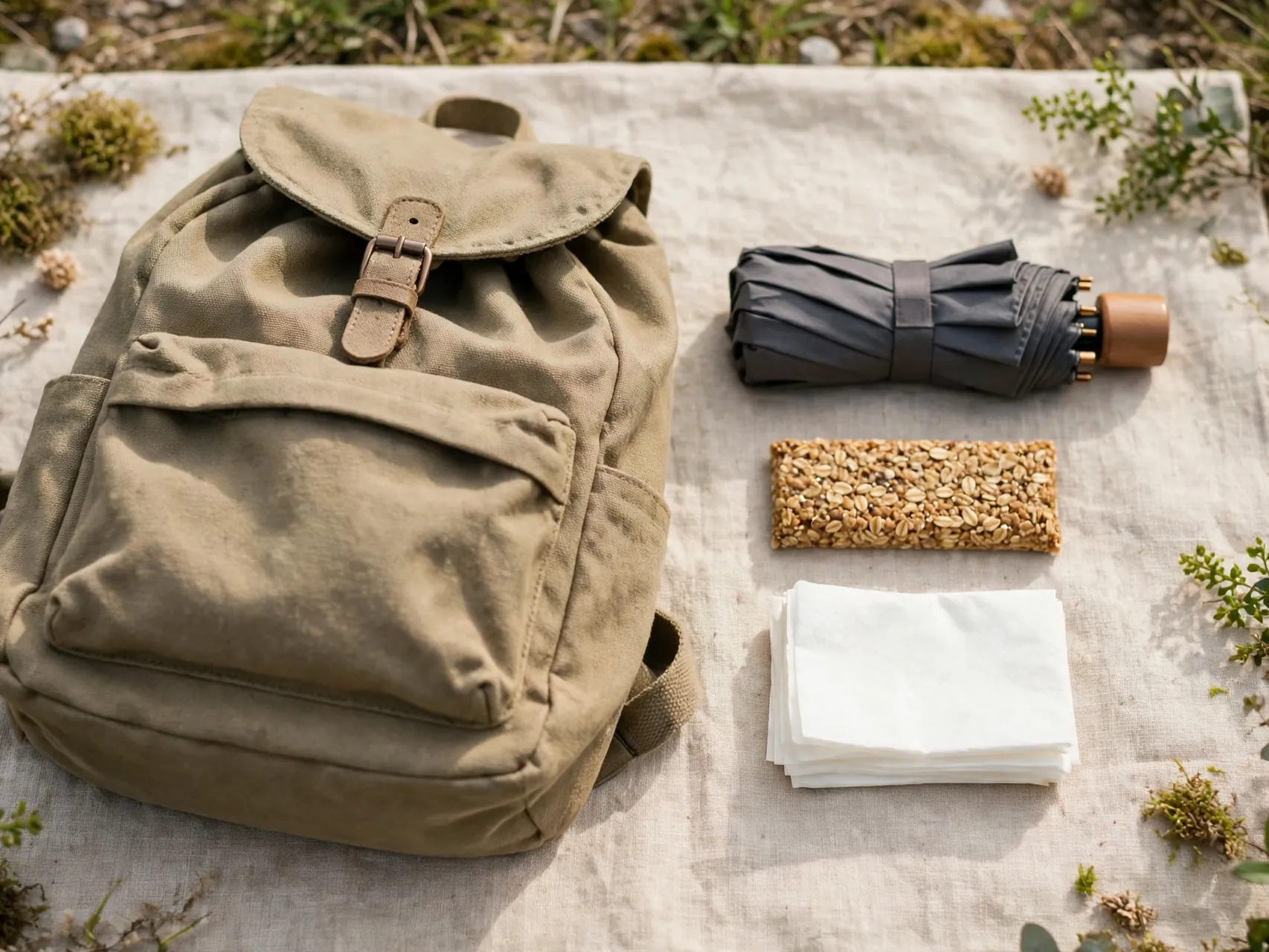
Every just in case item adds weight and clutter, so question each one. One spare pencil belongs. Three novels, a full toy collection, and last month's craft project do not. Help your child decide what the school day truly requires and leave the rest at home or in a locker.
This habit directly protects your child's back, because extra items are the easiest weight to remove. Review extras at the weekly clean out together and talk about what actually got used. Most children quickly learn that a lighter bag feels better all day.
Match Digital Folders to Paper Folders
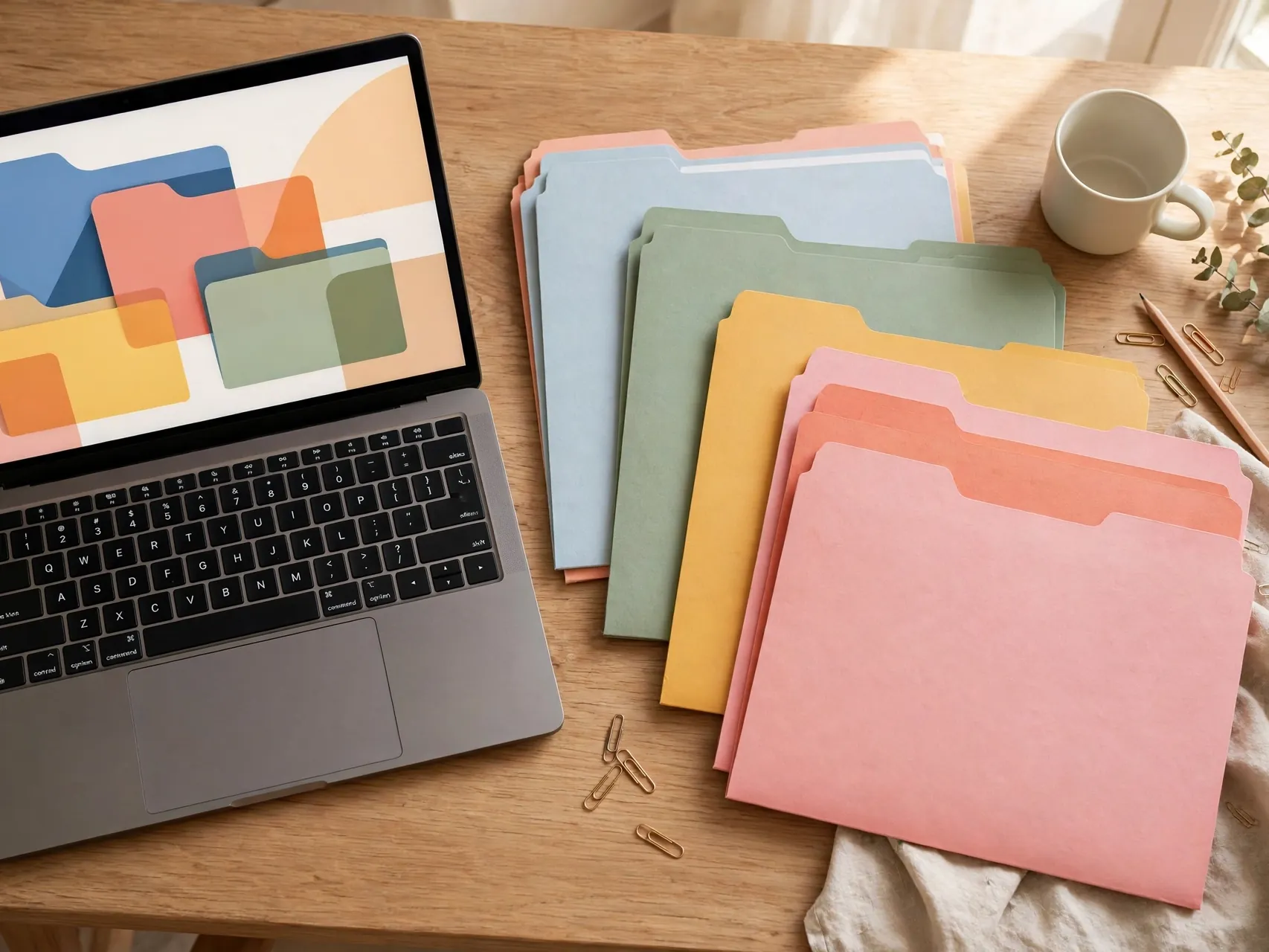
Older students often lose work digitally instead of physically. Set up device folders with the same subject names and colors logic as the paper folders, so a document saved on the laptop mirrors the folder system in the bag.
K12 Tutoring suggests pairing digital organization with physical systems for high school students, and the match is what makes it work. When math is blue on paper and Math is the folder on screen, there is only one system to remember. Review the downloads folder weekly too, since it becomes the digital bottom of the backpack.
Add a Lunch and Water Bottle Routine
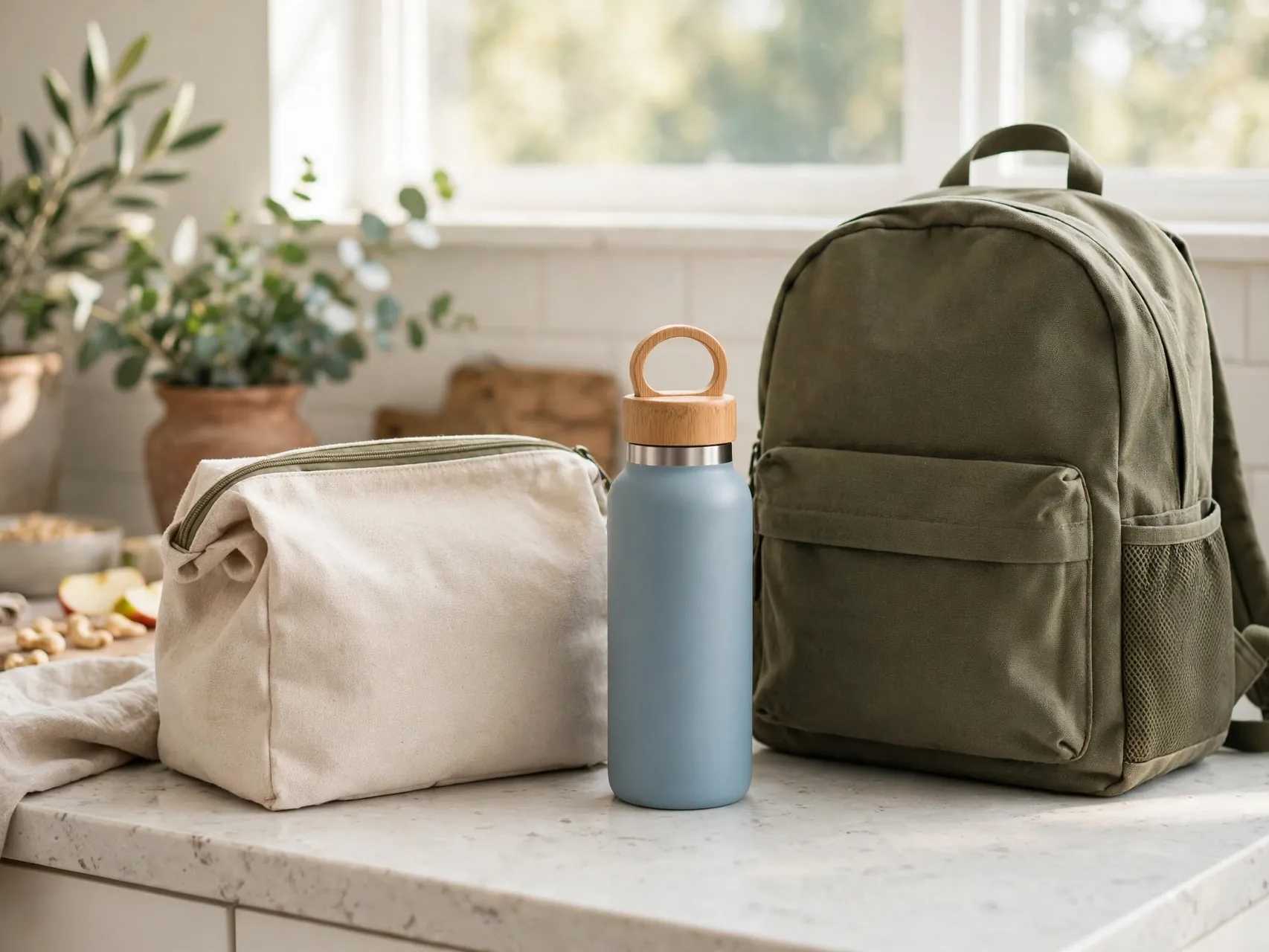
Lunch items cause a surprising share of backpack messes, leaks, and smells. Give lunch its own washable bag that rides in one set place, ideally a separate compartment or the top of the main section, and put the water bottle in the outside holder, never loose inside with papers.
Empty the lunch bag every evening as part of the nightly reset, without exception. Forgotten food is the fastest route to a bag nobody wants to open. Wash the lunch bag and bottle weekly, and check seals then, since a slow leak ruins folders quietly.
Teach a Locker or Cubby Swap System
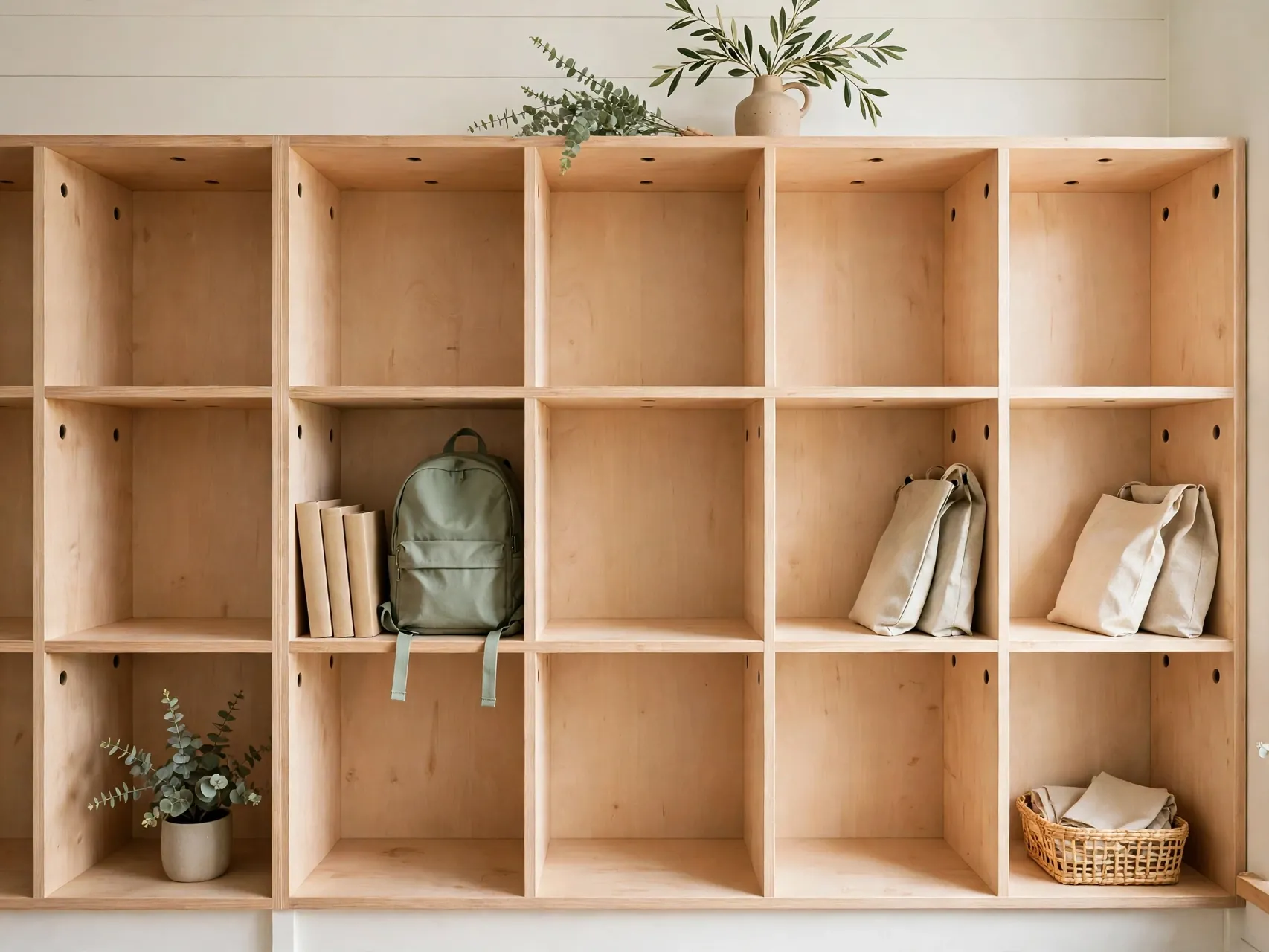
For students with a locker or cubby, the backpack only needs to carry what travels between school and home. Teach a swap routine: books for afternoon classes go in the bag at lunch, morning books go back in the locker, and nothing lives in the bag all week by default.
This system keeps weight down and makes the nightly reset faster. Younger children with classroom cubbies can copy a simpler version with teacher guidance. The principle is the same at every age: the bag is transport, not storage, and storage has its own home.
Protect Papers With a Sturdy Folder
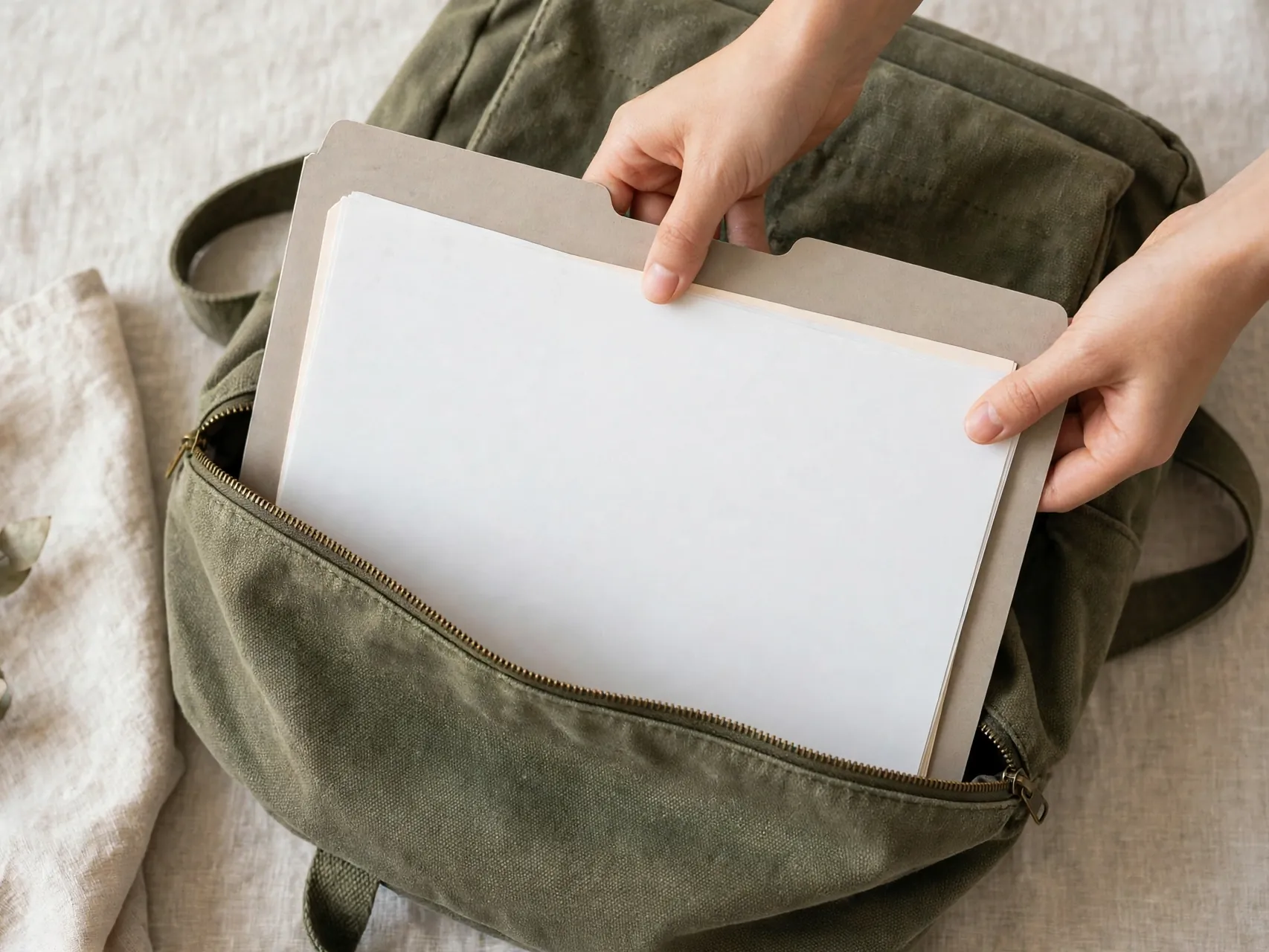
Loose papers crumple, tear, and vanish, so every sheet that travels should ride inside a folder or a sturdy document wallet. A single homework folder system already does most of this work, but add one durable folder for artwork, certificates, and anything oversized or precious.
Show your child how to slide papers in flat rather than stuffing them in a ball, a ten second lesson that saves real tears later. If the school sends many handouts, empty the folder into a home tray each night so important notices reach a parent the same day.
Check Weight on a Bathroom Scale

It is hard to judge a bag's weight by lifting it, so weigh it properly once a month and after any big change, like new textbooks. Weigh your child alone, then holding or wearing the packed bag, and subtract. Guidance reported from the American Academy of Pediatrics commonly advises keeping the load around ten to fifteen percent of body weight, and lighter for younger children.
If the number runs high, act on it: remove extras, use the locker swap, carry a book in hand on heavy days, or talk to the teacher about duplicates. Watch your child too. Leaning forward, red strap marks, or complaints of sore shoulders all mean the load needs attention.
Make Restocking a Sunday Habit

Supplies run out quietly: the glue stick dries, the last tissue goes, pencils shrink to stubs. Tie restocking to the weekly clean out so the bag starts Monday complete. Keep a small home stock box with pencils, erasers, tissues, and folders in your child's subject colors.
Let your child check the pouch and essentials kit against a short list and tell you what is missing. That reporting job builds independence and stops the Sunday night shop run. Teachers appreciate it too, since a stocked child borrows less and settles faster.
Let Your Child Own the System
The best how to organize a school backpack systems are the ones children helped design. Offer choices within the structure: pick the folder colors, choose the checklist design, decide whether the reset happens after school or after dinner. Ownership turns a chore into their system.
Praise specific wins out loud, such as finding homework instantly, rather than praising a perfect bag. When something fails, troubleshoot together instead of taking over, and adjust one element at a time. Independence grows in small steps, and a calm, organized backpack is one of the first places a child can prove it daily.
FAQ
How often should a backpack be cleaned out?
Do a light reset every school night, removing trash, finished papers, and lunch items, and a full empty and wipe out once a week, often on Sunday evening. That rhythm keeps clutter from building up while keeping the job small enough that children actually do it.
What weight is safe for a child to carry?
Guidance commonly reported from the American Academy of Pediatrics suggests keeping a backpack near ten to fifteen percent of a child's body weight, aiming lower for younger children. Weigh the packed bag on a scale rather than guessing, and remove extras or use lockers if it runs heavy.
How can I help without taking over?
Model the system, practice it together for the first weeks, then hand over one job at a time, starting with the nightly reset. Offer checklists and labeled spots as support, praise progress, and let your child solve small problems. Doing the whole job for them feels faster but builds no habit.
What belongs in a backpack every day?
The daily core is small: homework folders, planner if the school uses one, pencil pouch, lunch bag, water bottle, and any book needed that day. Add day specific items from the checklist, such as library books or sports kit, and leave everything else at home or in a locker.
How do I stop papers getting crumpled?
Give every paper a folder home the moment it is received, with one folder for work going to school and one for papers coming home. Empty the home folder into a tray each evening, keep folders flat against the back of the bag, and add one sturdy folder for artwork and oversized sheets.
Key Takeaways
- Give everything a home: Two folders, one pouch, and a front pocket command center end most daily digging.
- Pack smart, carry light: Heavy items sit closest to the back, extras stay home, and the bag gets weighed, not guessed.
- Two routines do the heavy lifting: A five minute nightly reset plus a weekly full clean out keep any system working.
- Color and labels save minutes: Subject colors and name labels make finding and returning things almost automatic.
- Let your child lead: Choices, praise, and gradual handover turn backpack organization for kids into real independence.
- Pin these tips for later: Save this list to your back to school board on Pinterest so the system is ready before the first day.