24 Japandi Rental Apartment Ideas for a Calm, Chic Home
Introduction
Japandi blends Japanese simplicity with Scandinavian warmth, and it suits rentals especially well because it relies on furniture, textiles, and editing rather than renovation. A japandi rental apartment does not need painted walls or built in storage. It needs a calm palette, natural materials, low and light furniture, and far fewer objects than most of us start with.
The rental friendly part is the discipline. You work with the walls and floors you have, cover them gently with rugs and window film where needed, and choose pieces that can move with you. Nothing is fixed, glued, or built in, so your deposit stays protected while the space feels intentional.
Use the ideas below as a room by room checklist. Start with palette and layout, then add texture, storage, and light. Edit as you go, because empty space is not a gap in Japandi design. It is part of the design itself.
1. Start With a Warm Neutral Base

Build your palette from warm white, soft beige, light oak, and one deeper tone like charcoal or muted clay. Keeping to three or four core colors across the whole apartment makes small rooms feel connected and larger.
You do not need to paint to do this. Let your largest textiles and furniture carry the palette, and remove or store items that fight it. The calmer the base, the less decor you need.
2. Choose Low Profile Seating
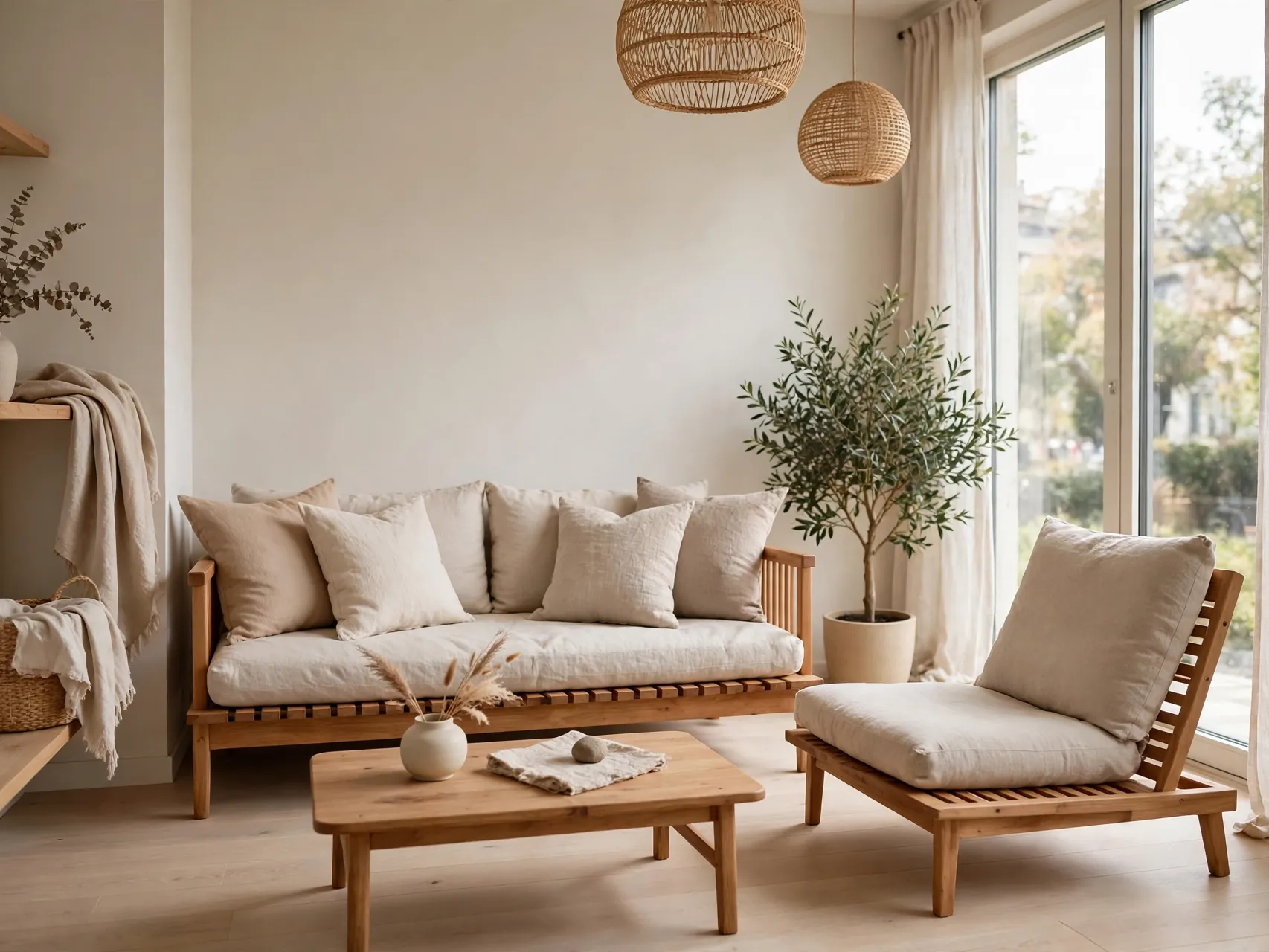
A low sofa or floor level lounge chair keeps sightlines open and makes ceilings feel higher, a classic Japandi move in small spaces. Look for clean lines, slim arms, and legs that let you see the floor underneath.
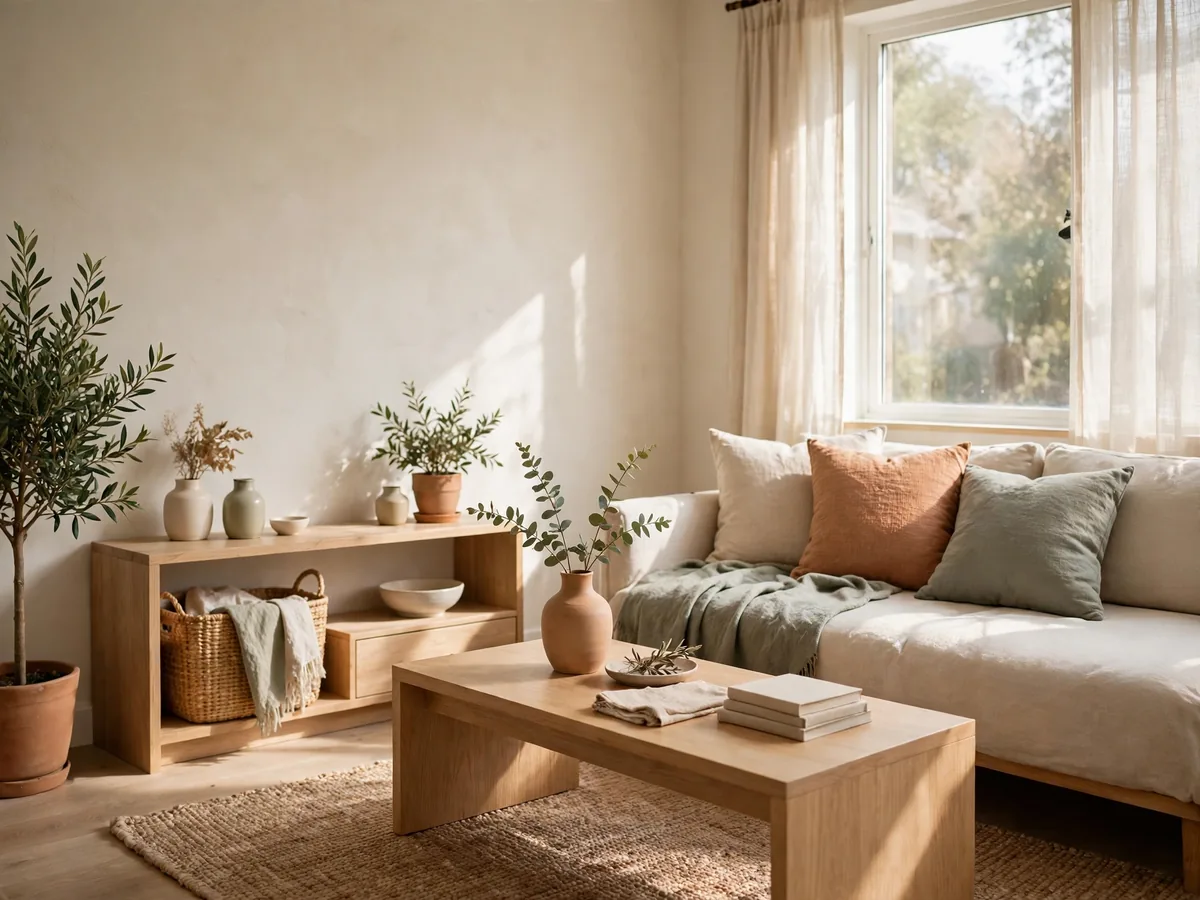
Test seat height before you buy, since very low seating is not comfortable for everyone. A low profile coffee table in a similar wood tone completes the grouping without adding visual weight.
3. Layer Natural Wood Tones Without Painting
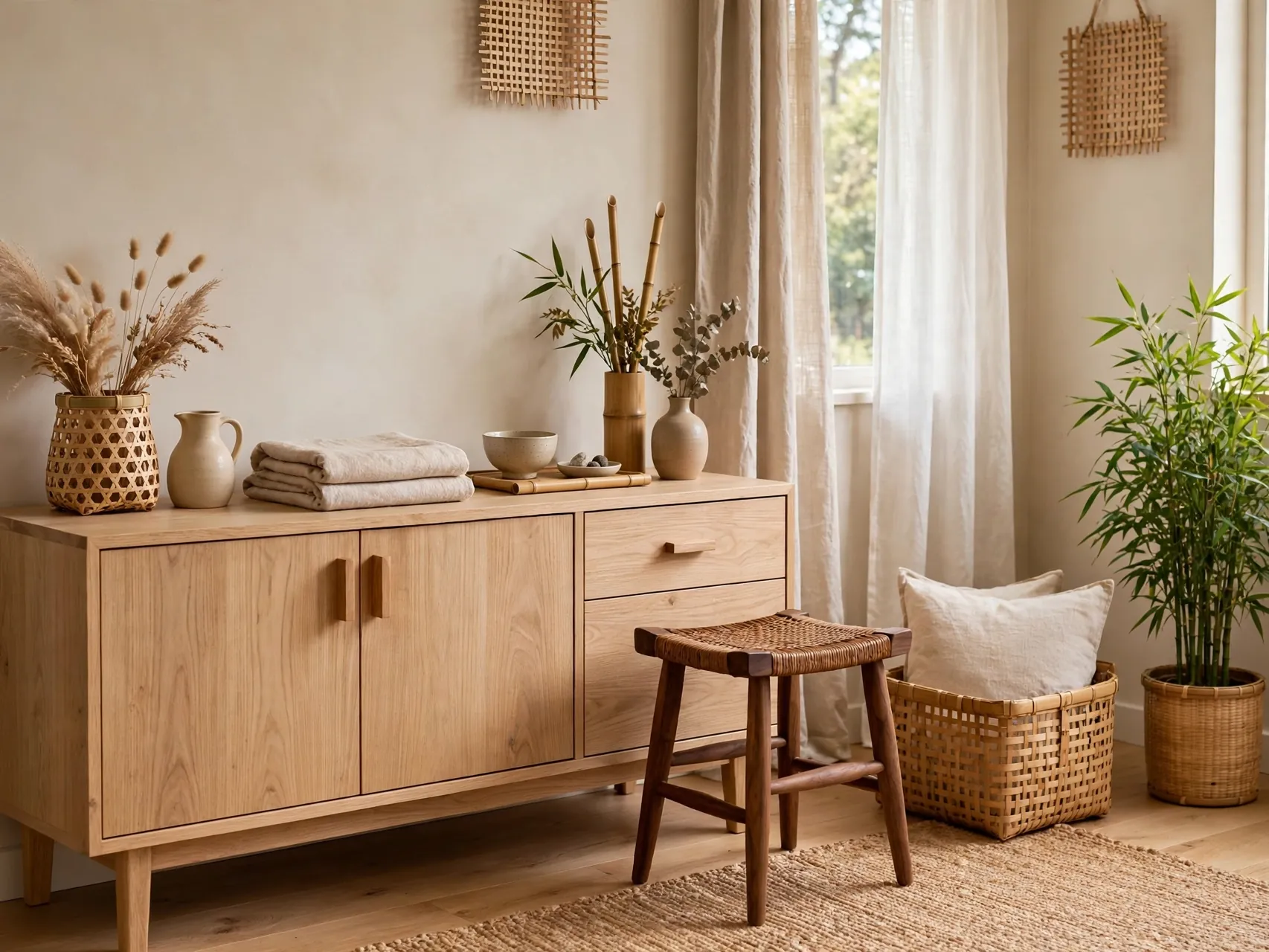
Mix light oak, ash, and a little walnut through furniture, trays, and frames instead of trying to match every piece exactly. Small variation looks natural, while identical finishes can feel flat and staged.
Protect rental floors with felt pads under every leg. Wood adds the warmth that keeps minimal rooms from feeling cold, and all of it leaves with you at move out.
4. Use Linen and Cotton Textiles
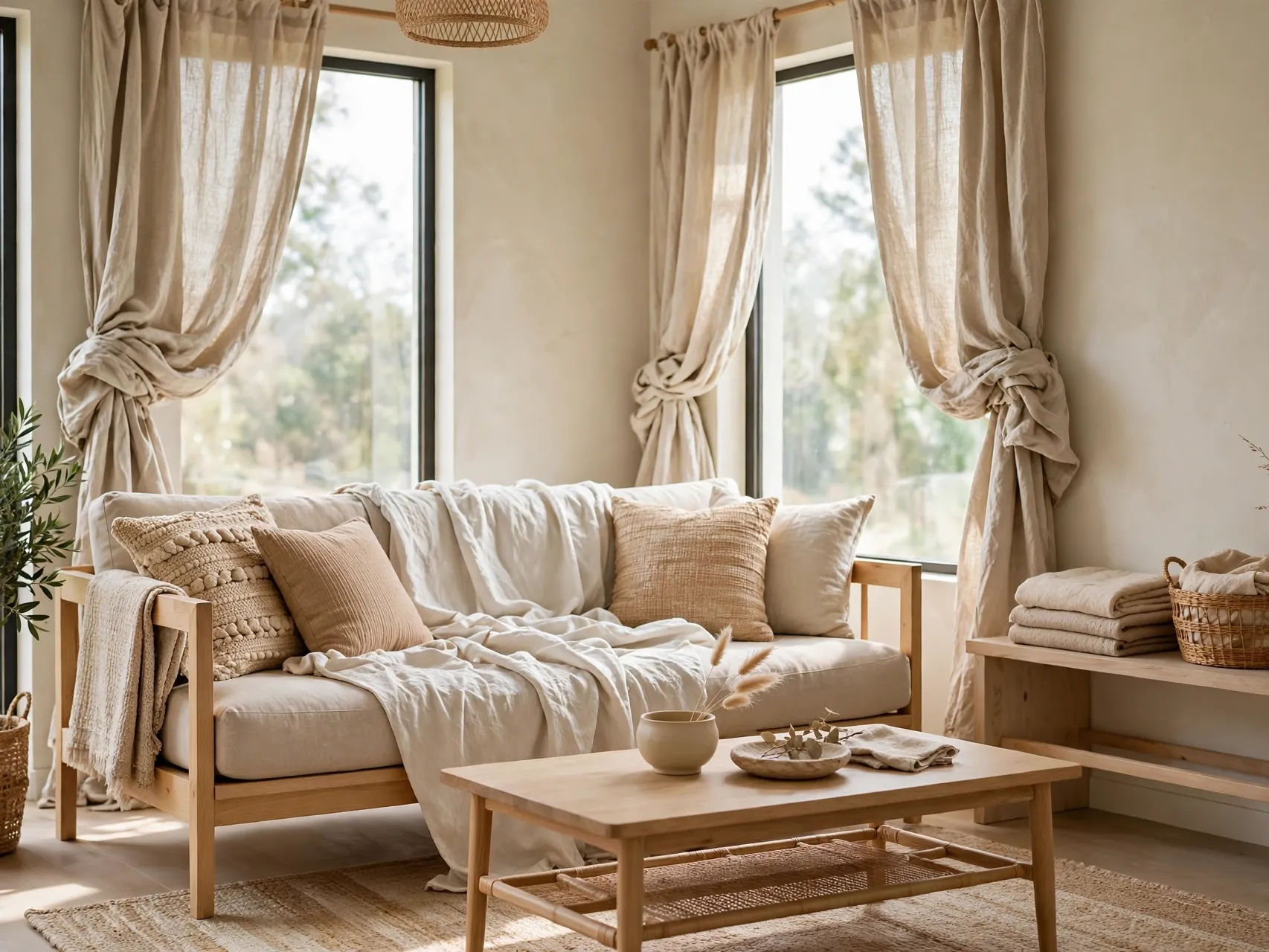
Swap shiny or heavily patterned fabrics for linen, cotton, and wool in solid, soft tones. A linen sofa throw, cotton curtains, and simple cushion covers instantly shift a room toward Japandi calm.
Choose removable, washable covers where you can. Natural fabrics wrinkle a little, and that softness is part of the look, so there is no need to chase a perfect, pressed finish.
5. Add a Woven Jute or Wool Rug
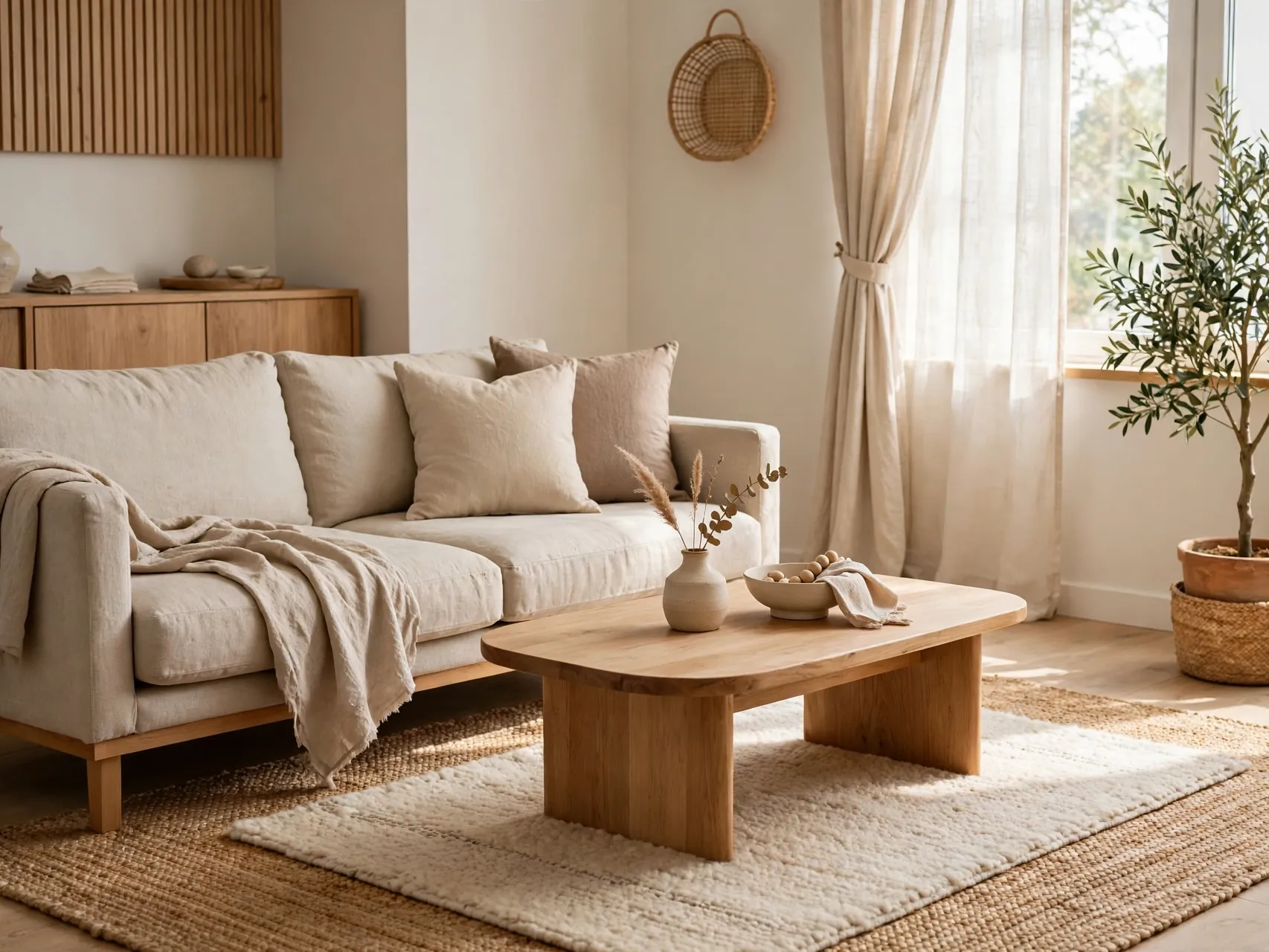
A flat woven rug in a natural tone anchors seating, softens hard rental floors, and adds texture without pattern overload. Size it so at least the front legs of your sofa sit on it.
Use a rug pad underneath to stop slipping and protect the floor below. Shake and vacuum regularly, since natural fibers hold dust, and rotate the rug if one area gets strong sun.
6. Keep Surfaces Mostly Clear
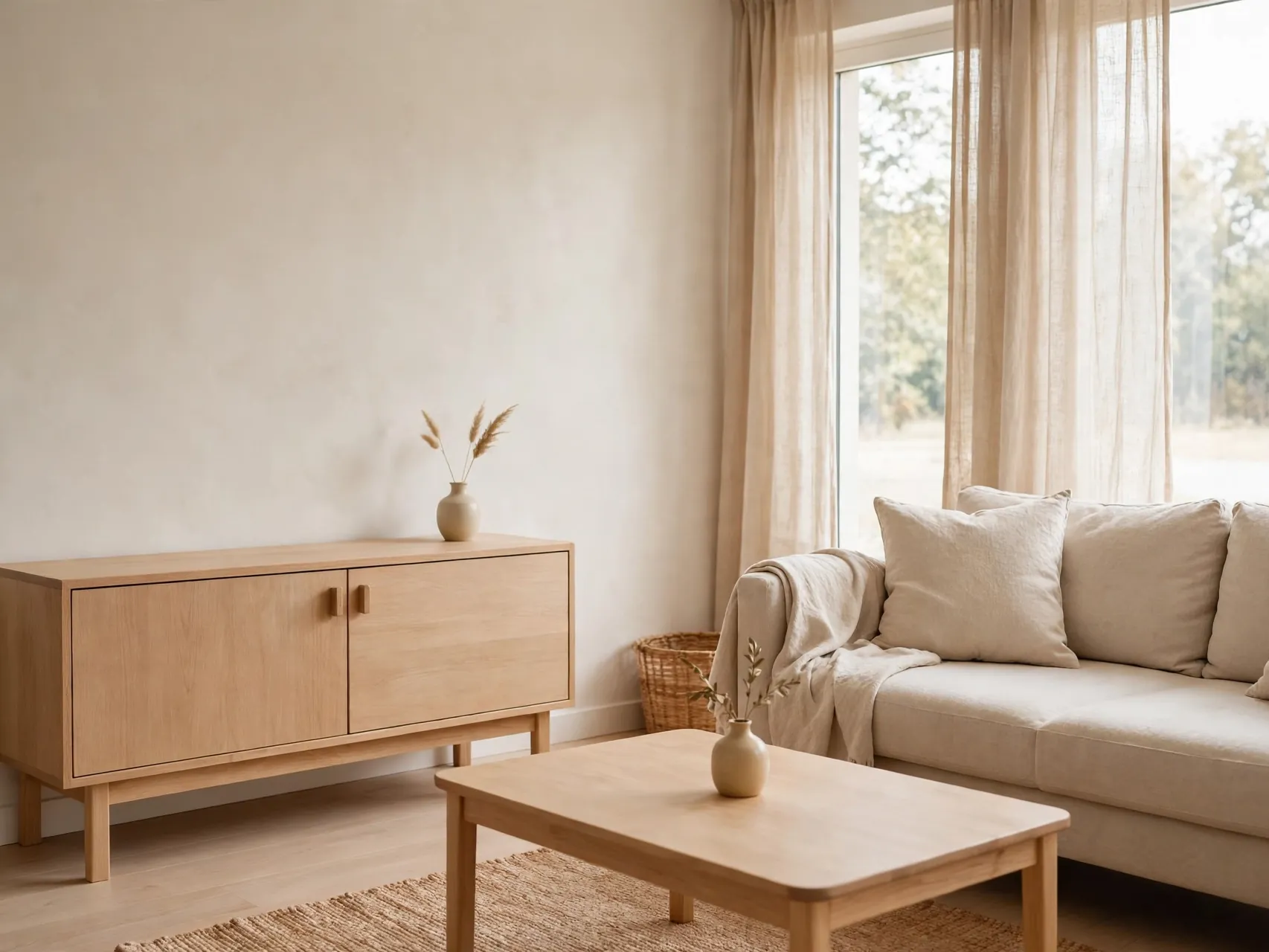
Leave coffee tables, counters, and shelves with plenty of empty space. One useful object and one beautiful object per surface is a helpful limit for a japandi rental apartment that stays calm.
Do a quick surface reset each evening. When every item has a home in closed storage, clearing surfaces takes two minutes and the whole apartment feels more restful.
Photograph the finished corner in daylight and at night. Photos reveal clutter, cord tangles, or color clashes you stop noticing in person, and they double as your record for move out day comparison.
7. Use Closed Storage Baskets

Woven baskets with lids hide chargers, remotes, blankets, and paperwork while adding natural texture. Closed storage is the secret behind the uncluttered look, because clutter disappears instead of being styled.
Label baskets inside the lid if you share the space. Place one basket where clutter naturally lands, like by the sofa or entry, so tidying becomes effortless.
Quick check before you buy: measure the space, note any lease limits, and take a phone photo to compare colors and sizes in the store. That small pause prevents most returns and keeps the project on budget.
8. Bring In One Statement Ceramic Piece
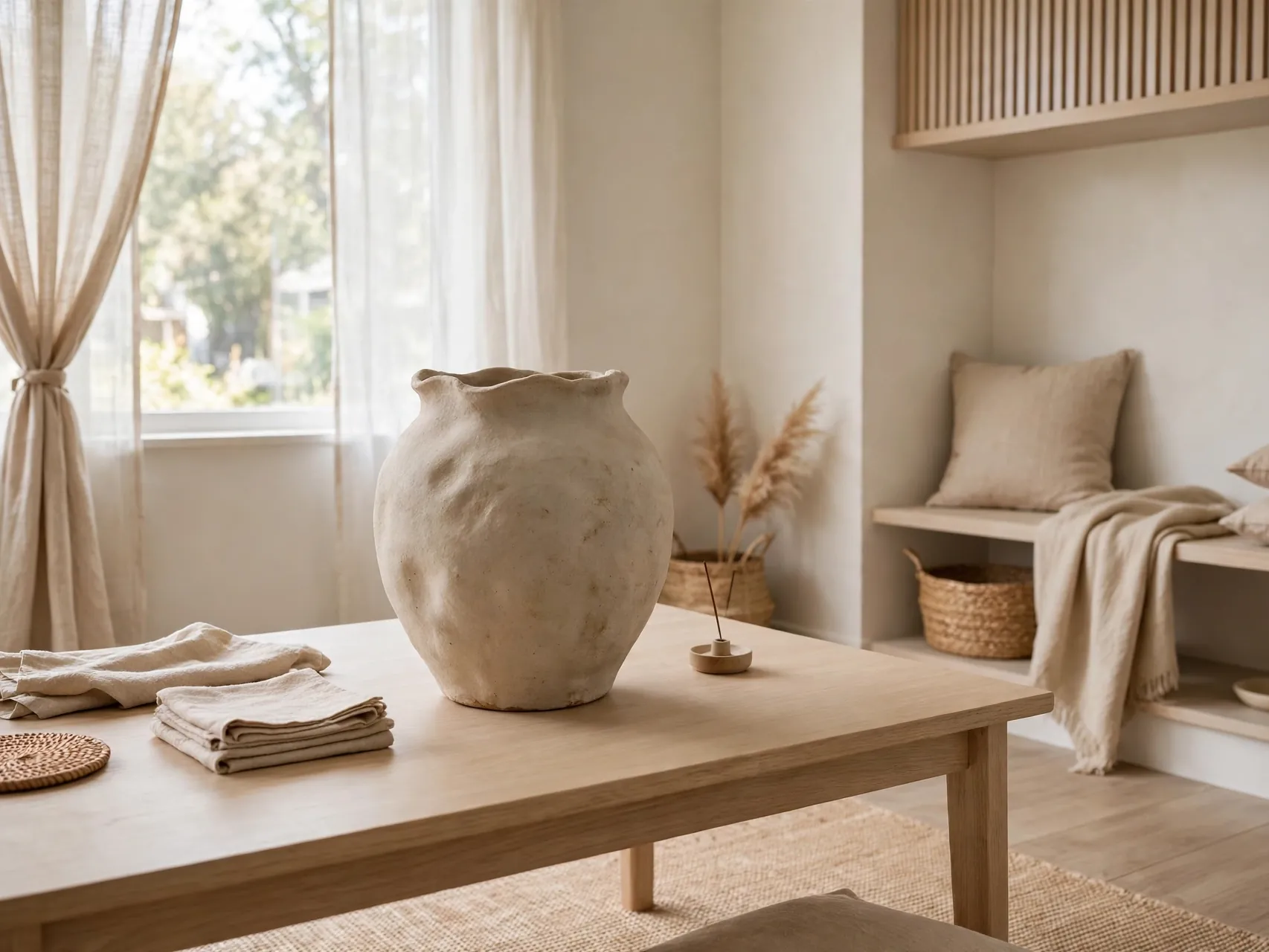
A single handmade look vase, bowl, or teapot on a shelf or table adds character without crowding the room. Japandi style values imperfect, tactile objects over sets of matching decor.
Add a single branch, dried grass, or nothing at all. Negative space around the piece is what makes it feel special, so resist filling the rest of the surface.
For a Pinterest worthy finish, repeat the same material or color at least twice in the zone. Repetition makes a temporary setup look planned, and it helps separate zones feel connected rather than random.
9. Add Paper Lighting With Plug In Fixtures
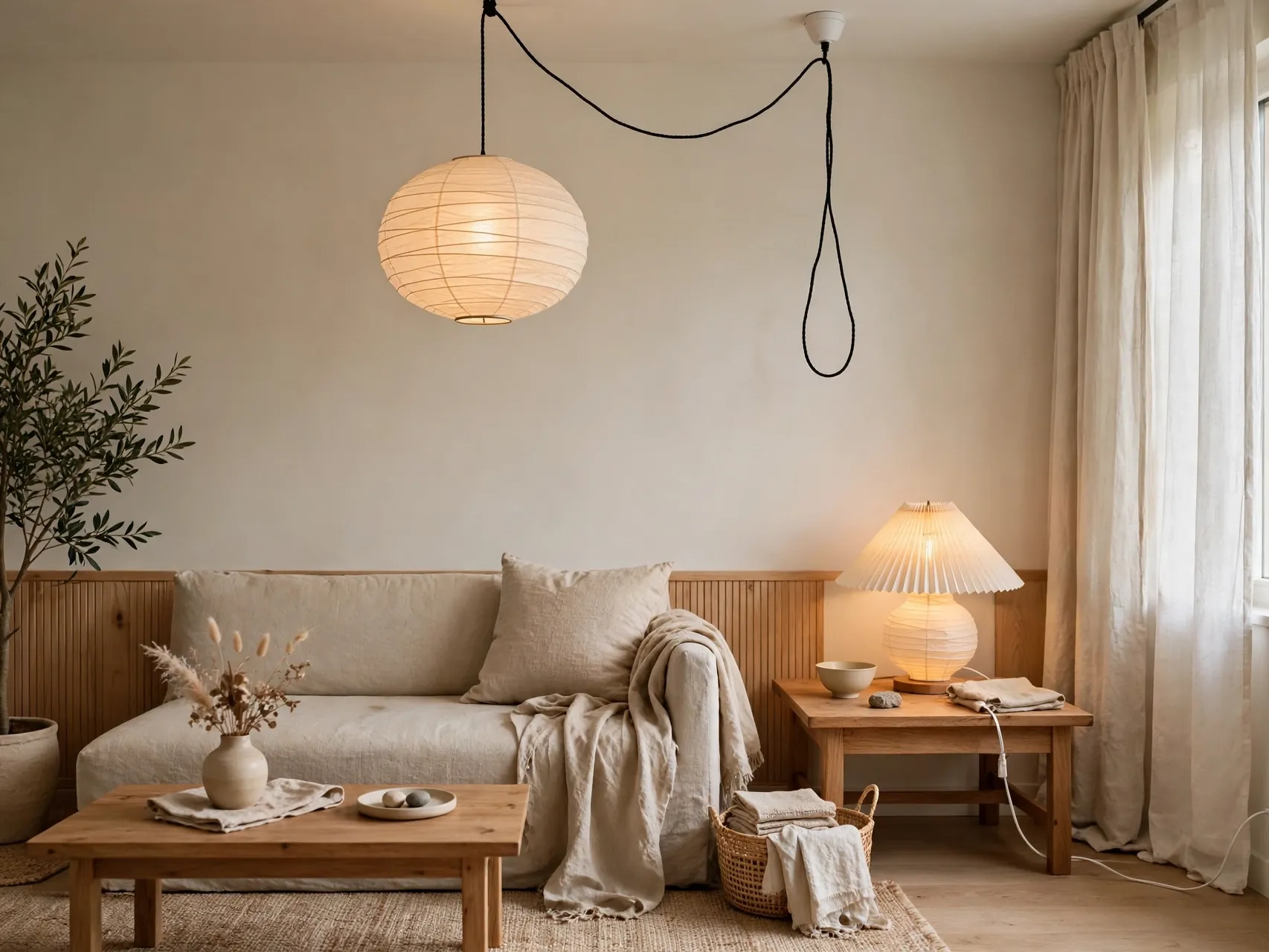
Paper shade pendant looks, table lamps, and floor lamps soften light and echo Japanese design. In a rental, use plug in lamps and cord covers rather than changing hardwired fixtures unless your lease allows it.
Use warm bulbs for a softer evening glow and keep cords tidy along skirting with removable clips you have tested first. Layer two or three light sources per room instead of one harsh overhead light.
Keep the removal plan in mind from the start. Save packaging, label small parts, and store anything you took off in one clear box so reversing the change later takes minutes, not a whole afternoon.
10. Use Shoji Style Window Film
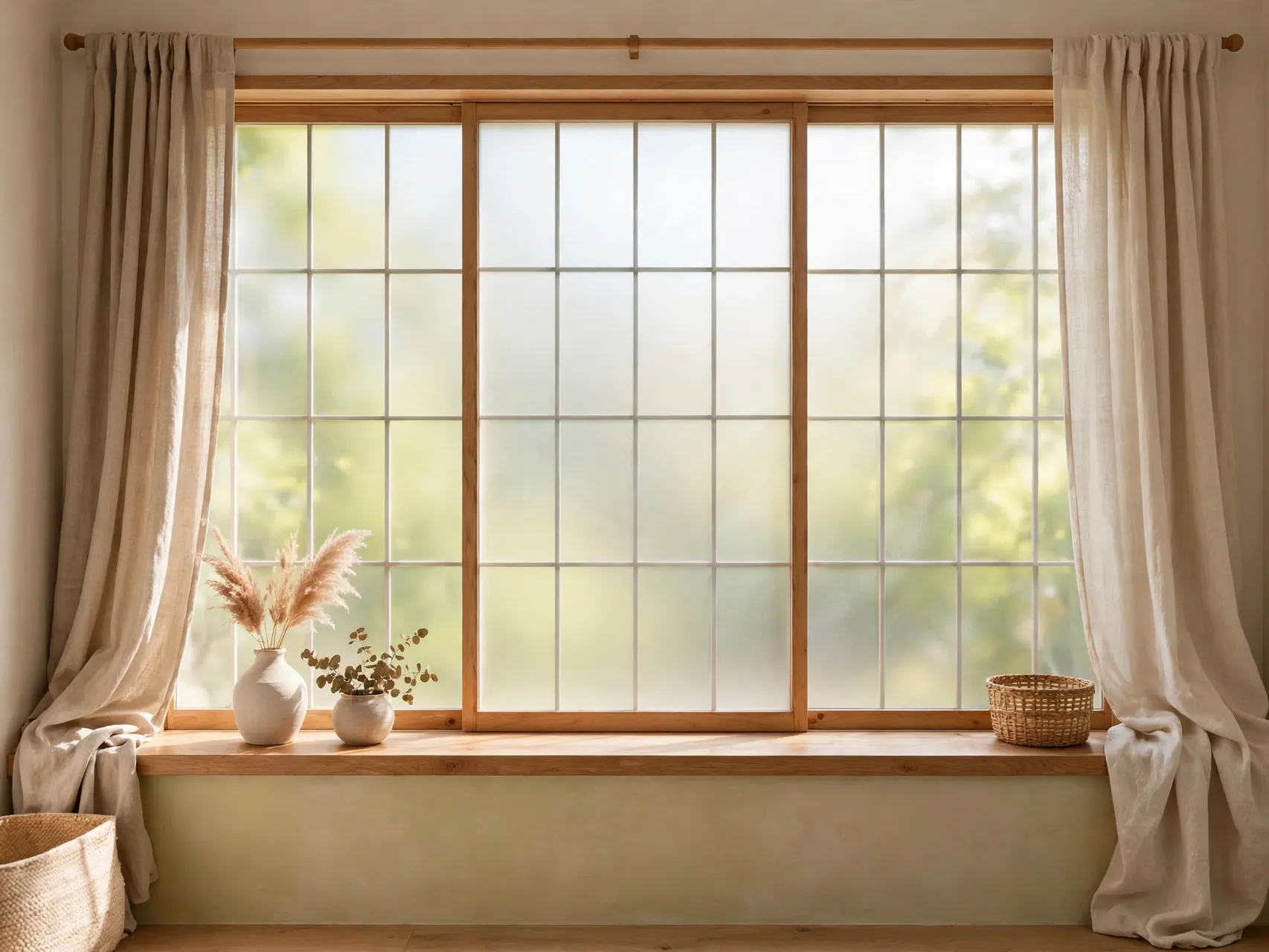
Frosted or grid pattern removable window film adds privacy and diffuses light in a way that recalls shoji screens. It is especially useful for street facing or overlooked rental windows.
Apply film to clean glass with water as the product directs and test a corner first. Keep the packaging and removal notes, and peel slowly at move out to leave glass clean.
If you share the space, agree the layout and budget before ordering. A quick shared photo list keeps everyone aligned and stops duplicate purchases that waste money and clutter a small area unnecessarily.
11. Create a Calm Entry With a Slim Bench

A narrow wood bench, one hook solution you are allowed to use, a small tray for keys, and a basket for shoes turn a rental entry into a quiet transition zone. Less visual noise at the door sets the tone for the whole home.
If drilling is not allowed, use a freestanding coat stand instead of wall hooks. Keep the entry to daily essentials only and store the rest in a closet.
Start with the version you already own or can borrow. Testing the layout for a week shows what you actually use daily, so your final purchase solves a real problem instead of adding more stuff.
12. Choose a Low Platform Bed Frame

A low platform frame in light wood makes a small bedroom feel airier and is a foundation piece in Japandi bedrooms. Keep the headboard simple and low so the wall above stays open.
Pair it with plain bedding and one throw rather than piles of cushions. Under bed space can hold flat storage boxes for out of season clothes, hidden but easy to reach.
Photograph the finished corner in daylight and at night. Photos reveal clutter, cord tangles, or color clashes you stop noticing in person, and they double as your record for move out day comparison.
13. Layer Bedding in Soft Earth Tones

Start with warm white or oatmeal sheets, add a beige or soft clay duvet, and finish with one textured throw. Tonal layering adds depth without bright color or busy pattern.
Natural fabrics breathe better and look softer after washing. Keeping bedding in one color family also makes laundry and mixing pieces much simpler over time.
Quick check before you buy: measure the space, note any lease limits, and take a phone photo to compare colors and sizes in the store. That small pause prevents most returns and keeps the project on budget.
14. Use Freestanding Open Shelving Sparingly
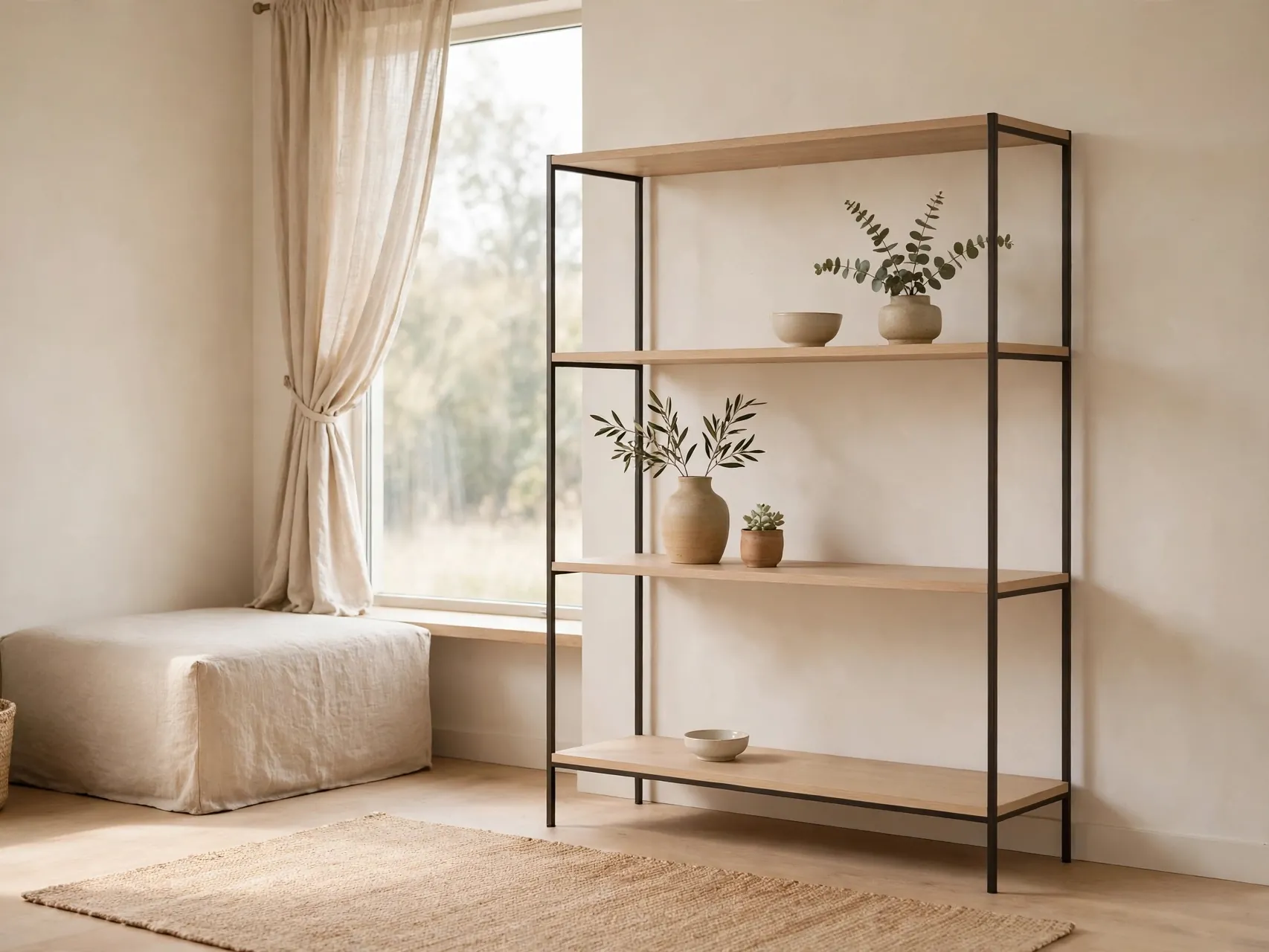
A slim wood or bamboo shelf can hold books, ceramics, and a plant, but leave at least a third of each shelf empty. Crowded open shelving works against the calm you are trying to create.
Anchor tall shelves safely as your lease and safety guidance allow, especially in homes with children. If anchoring is not allowed, choose low, stable bookcases instead.
For a Pinterest worthy finish, repeat the same material or color at least twice in the zone. Repetition makes a temporary setup look planned, and it helps separate zones feel connected rather than random.
15. Add Greenery With Simple Planters
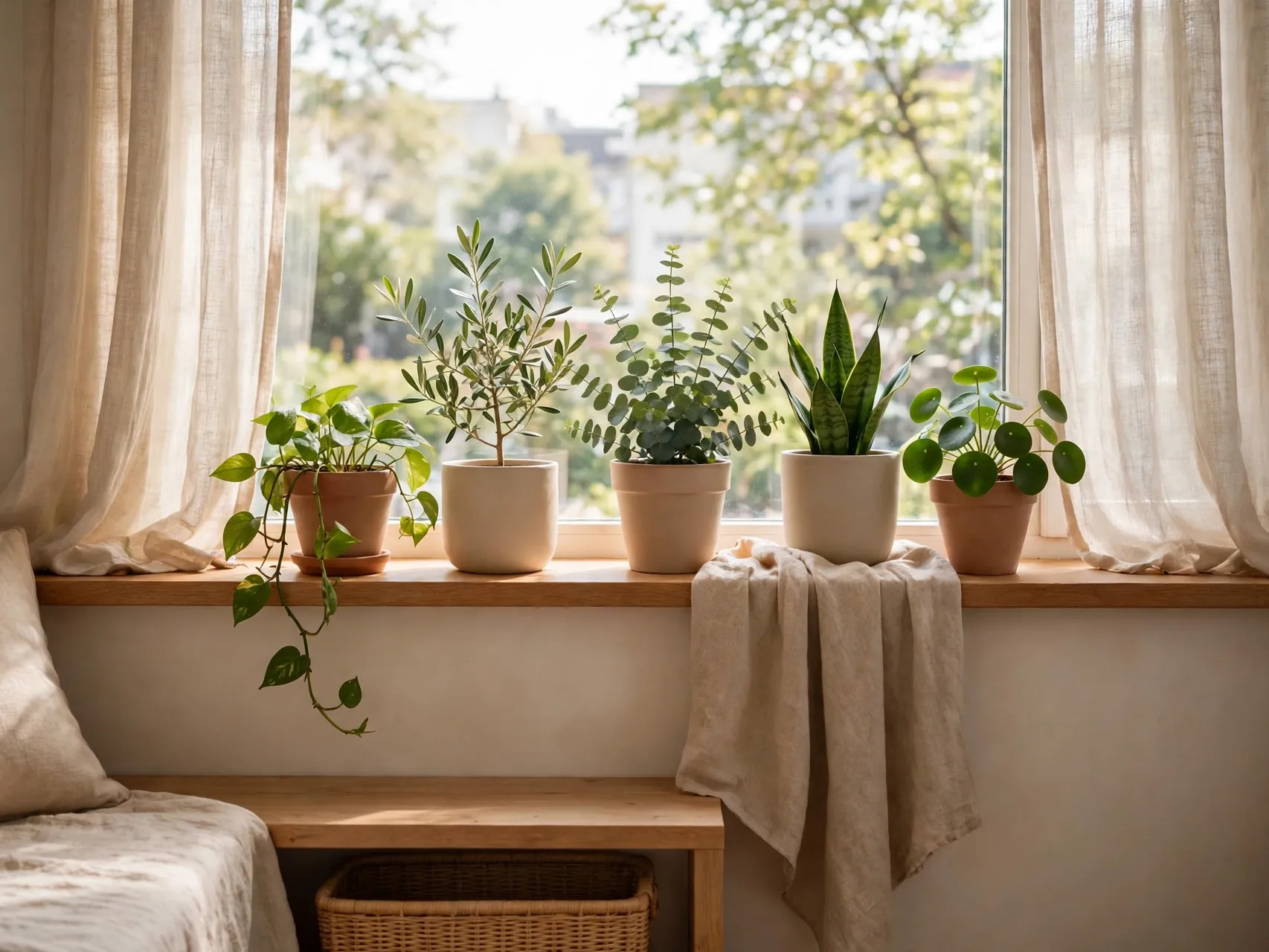
One or two plants with clean shapes, like a small olive style tree, a snake plant, or a trailing pothos, bring life without turning the room into a jungle. Use plain clay, stone look, or woven planters.
Place saucers under every pot to protect floors and furniture. Group plants where light suits them rather than scattering one in every corner, which can feel restless.
Keep the removal plan in mind from the start. Save packaging, label small parts, and store anything you took off in one clear box so reversing the change later takes minutes, not a whole afternoon.
16. Hide Clutter With Fabric Storage Boxes
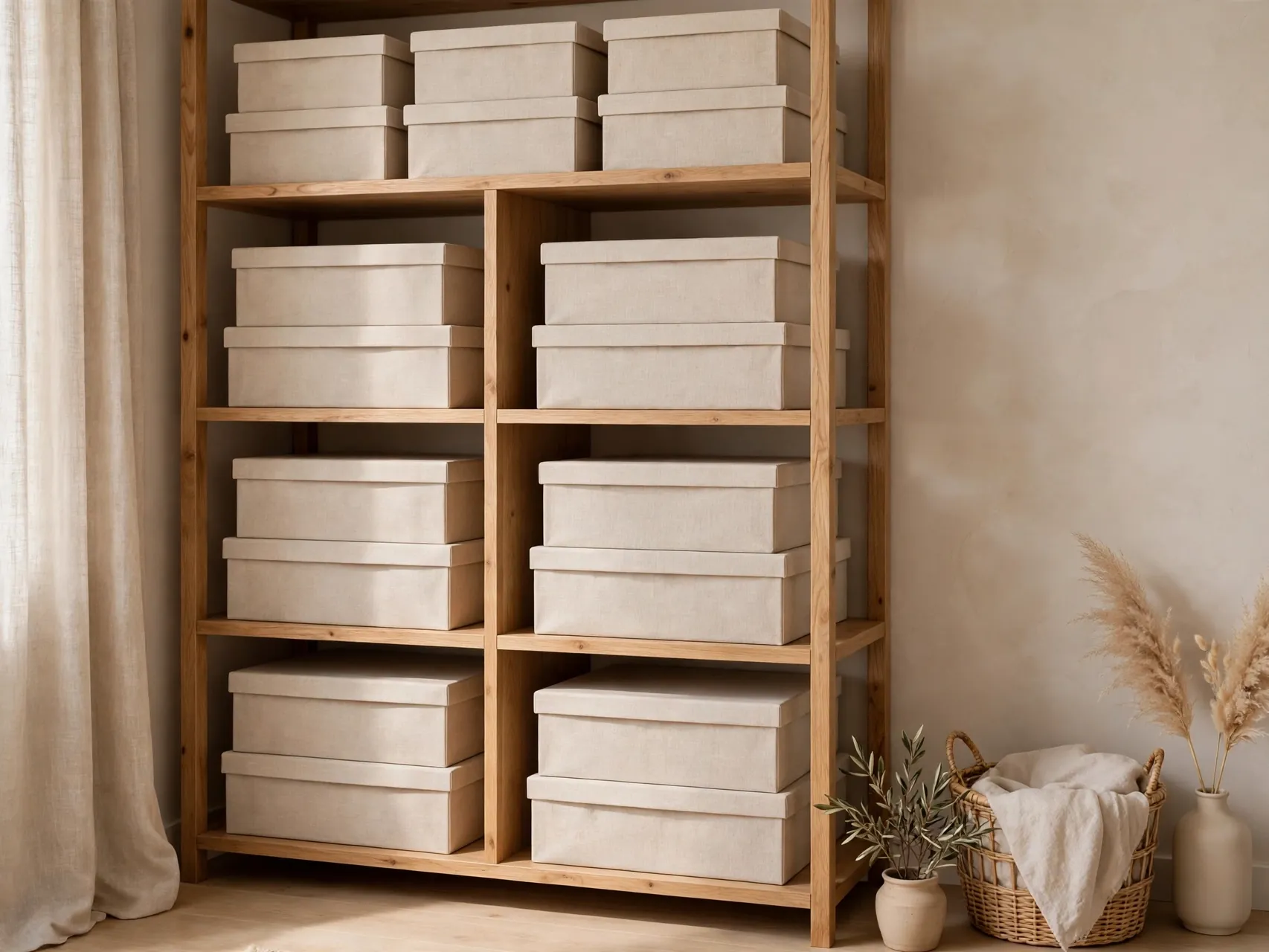
Soft fabric boxes in linen tones fit shelves and closets and look far calmer than bright plastic bins. They are ideal for renters because they fold flat when empty and move easily.
Use matching boxes within each zone for a unified look. This simple swap is one of the fastest ways to make open closets and shelves feel Japandi instead of chaotic.
If you share the space, agree the layout and budget before ordering. A quick shared photo list keeps everyone aligned and stops duplicate purchases that waste money and clutter a small area unnecessarily.
17. Use a Round Table to Soften Small Dining Areas
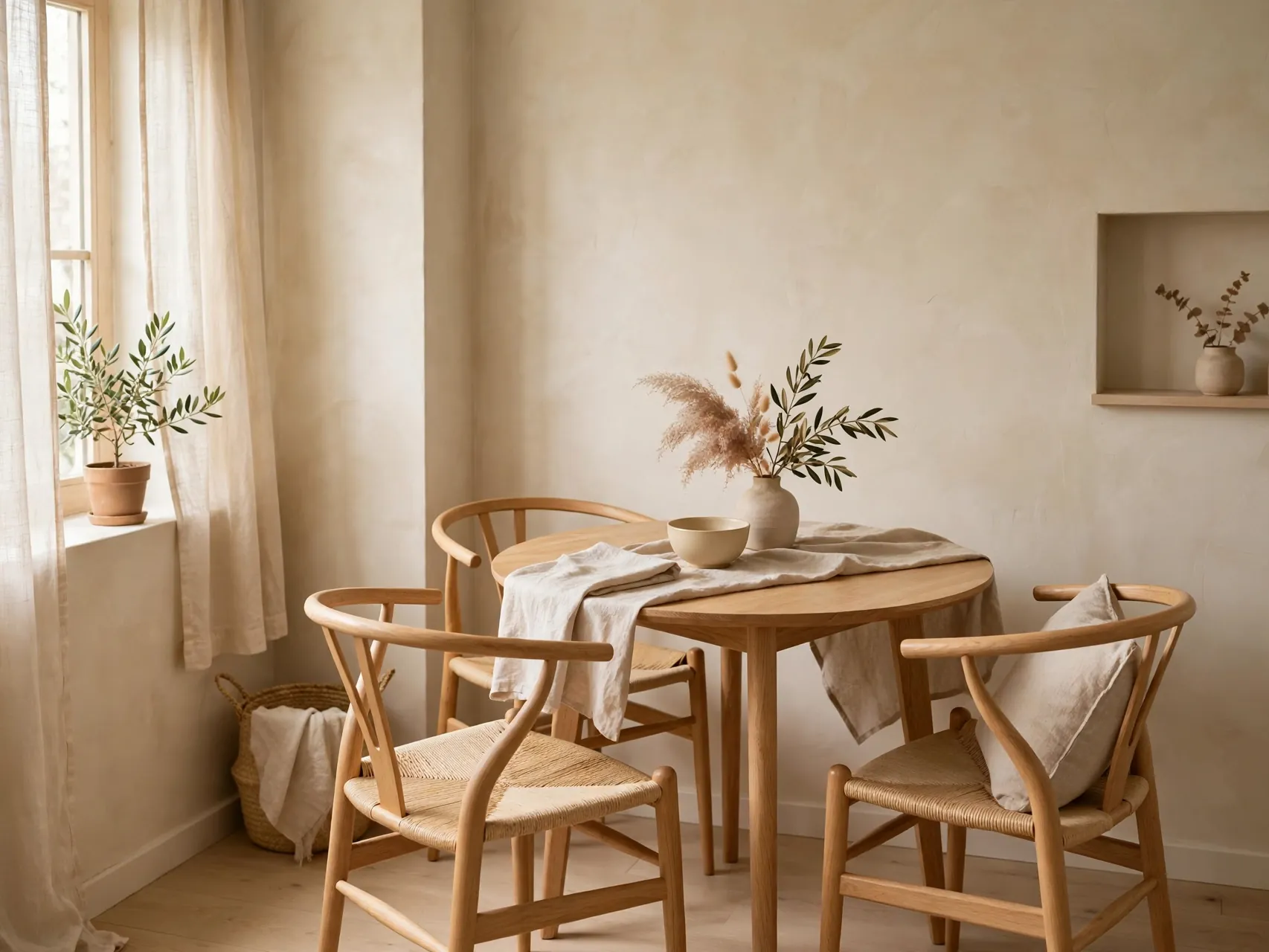
A small round wood table seats people comfortably, removes sharp corners in tight layouts, and keeps traffic flow smooth. It also looks lighter than a heavy rectangular table in a rental dining corner.
Add two or four simple chairs with woven or wood seats. A single pendant style lamp or a low vase as a centerpiece is enough, with no table runner or layered decor needed.
Start with the version you already own or can borrow. Testing the layout for a week shows what you actually use daily, so your final purchase solves a real problem instead of adding more stuff.
18. Add Texture With a Chunky Throw

When color stays quiet, texture does the work. A chunky knit, a waffle weave blanket, or a woven cushion adds comfort and visual interest while staying inside your palette.
Drape one throw per seating area rather than stacking many. Fold or roll extras into a lidded basket so the room stays edited but comfort is still within reach.
Photograph the finished corner in daylight and at night. Photos reveal clutter, cord tangles, or color clashes you stop noticing in person, and they double as your record for move out day comparison.
19. Keep Wall Decor Minimal and Removable

Choose one large, calm artwork or a pair of small prints per room, hung with removable strips rated for the weight if drilling is not allowed. Pale, nature inspired, or abstract pieces suit the style best.
Test removable strips on a hidden area first and follow weight limits carefully. Large art with plenty of empty wall around it looks more Japandi than a busy gallery wall.
Quick check before you buy: measure the space, note any lease limits, and take a phone photo to compare colors and sizes in the store. That small pause prevents most returns and keeps the project on budget.
20. Use Multipurpose Furniture That Earns Its Place
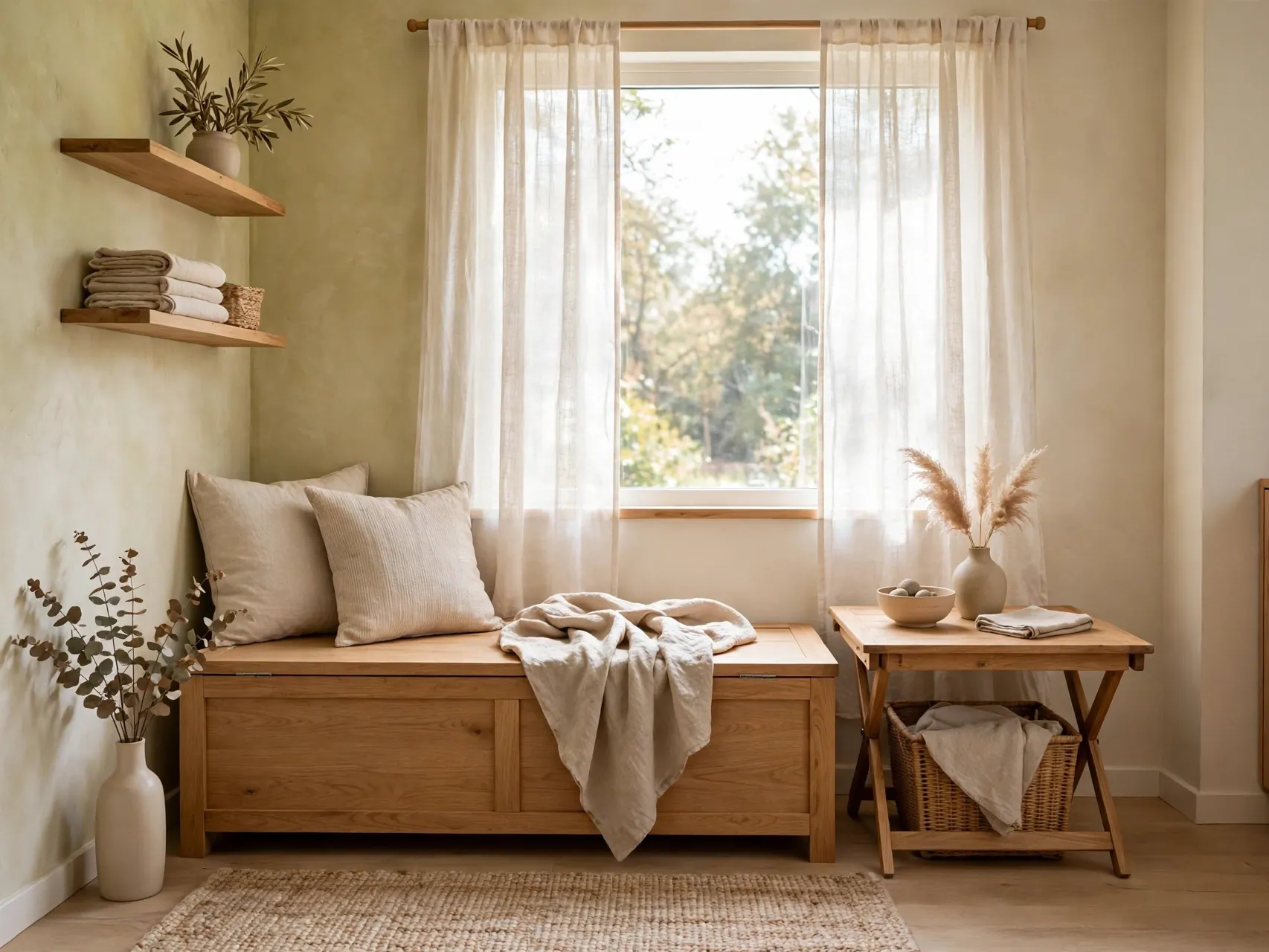
A storage ottoman, a coffee table with a lower shelf, a bench that holds blankets, or a desk that can work as a dining table reduces the total number of pieces you need. Fewer pieces means more breathing room.
Before buying, list two jobs the piece will do. This minimalist rental habit saves money and stops small apartments filling up with single use furniture.
For a Pinterest worthy finish, repeat the same material or color at least twice in the zone. Repetition makes a temporary setup look planned, and it helps separate zones feel connected rather than random.
21. Create a Quiet Tea or Reading Corner
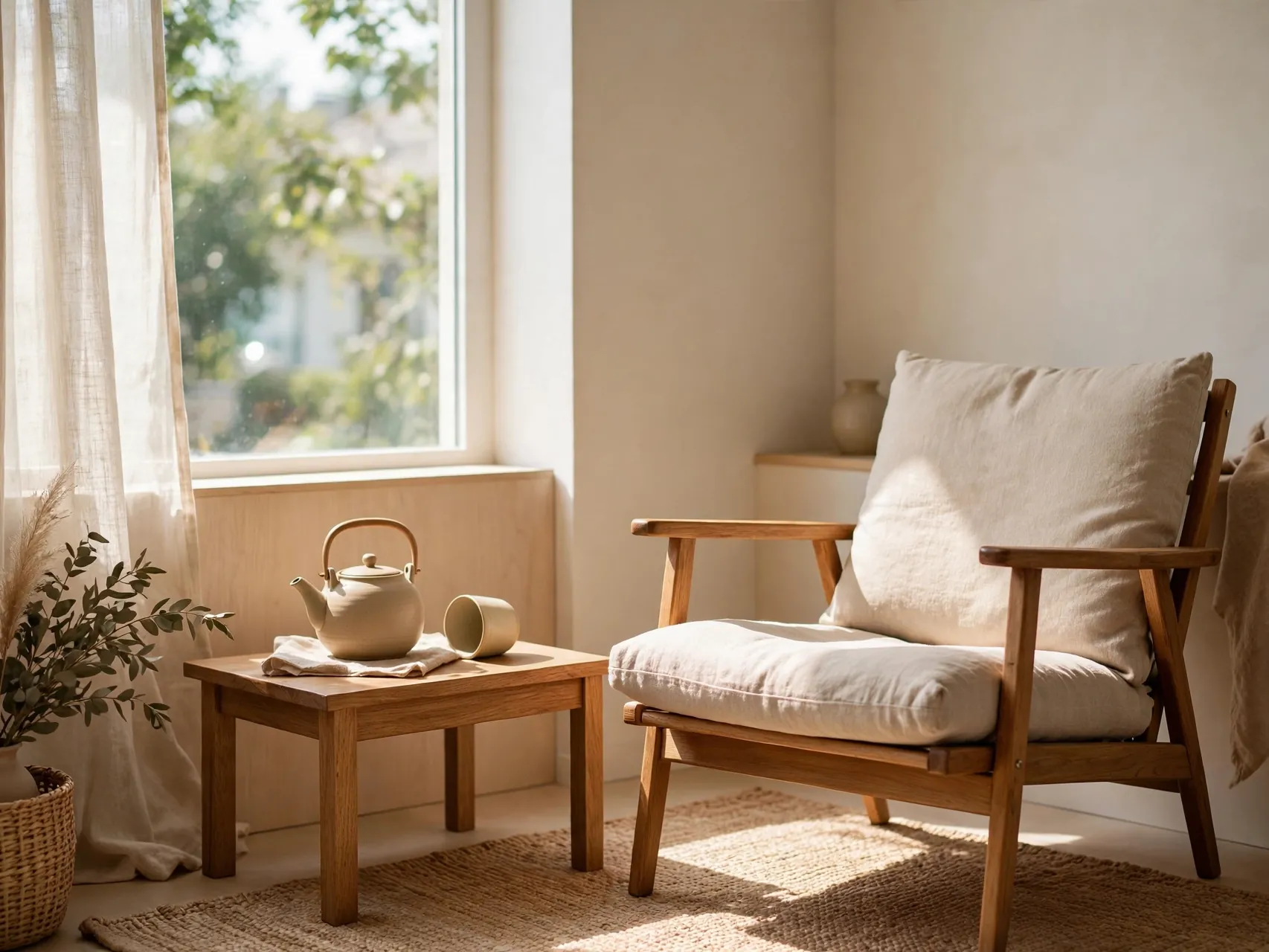
One comfortable chair, a small side table, a lamp, and a basket for a book and throw can turn an unused corner into the calmest spot in the apartment. Japandi living values these small daily rituals.
Keep the corner free of chargers and work clutter if you can. A dedicated rest spot, even a tiny one, changes how a rental feels at the end of the day.
Keep the removal plan in mind from the start. Save packaging, label small parts, and store anything you took off in one clear box so reversing the change later takes minutes, not a whole afternoon.
22. Use Warm Bulbs for a Softer Glow

Swap bulbs where allowed for warm toned options and use dimmers or smart plugs if your lease permits them. Harsh cool light undermines natural wood and soft textiles, while warm light pulls the whole palette together.
Keep the original bulbs labeled in a box so you can refit them at move out. Lighting is fully reversible and often makes a bigger difference than new furniture.
If you share the space, agree the layout and budget before ordering. A quick shared photo list keeps everyone aligned and stops duplicate purchases that waste money and clutter a small area unnecessarily.
23. Add Natural Fiber Room Dividers
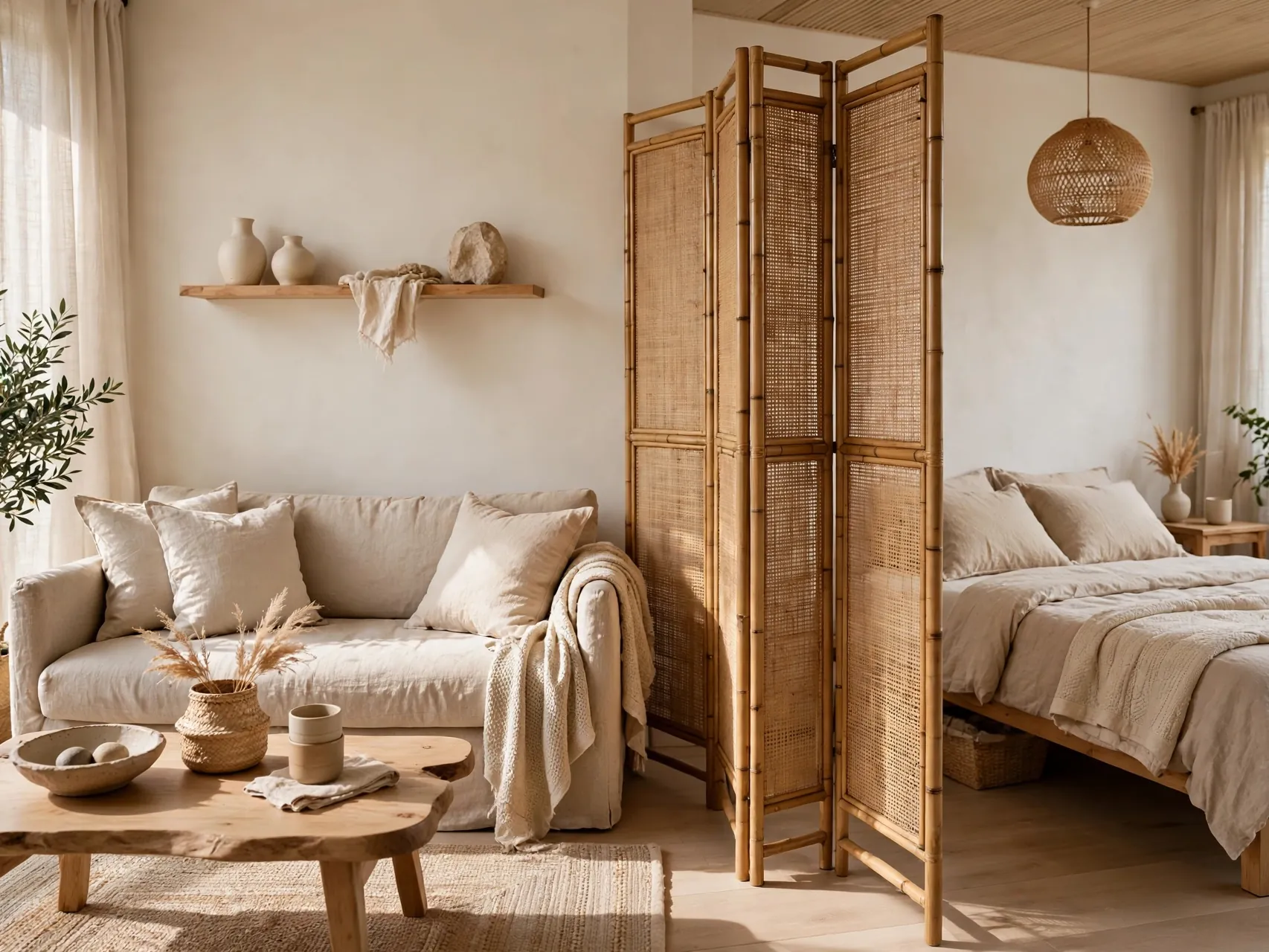
A freestanding woven screen or an open bamboo shelf can separate sleeping and living zones in a studio without building anything. Dividers with airflow and light passing through feel lighter than solid panels.
Make sure the divider is stable and cannot tip easily. In a studio, even a partial visual break helps each zone feel calmer and more private.
Start with the version you already own or can borrow. Testing the layout for a week shows what you actually use daily, so your final purchase solves a real problem instead of adding more stuff.
24. Edit Weekly to Keep the Calm
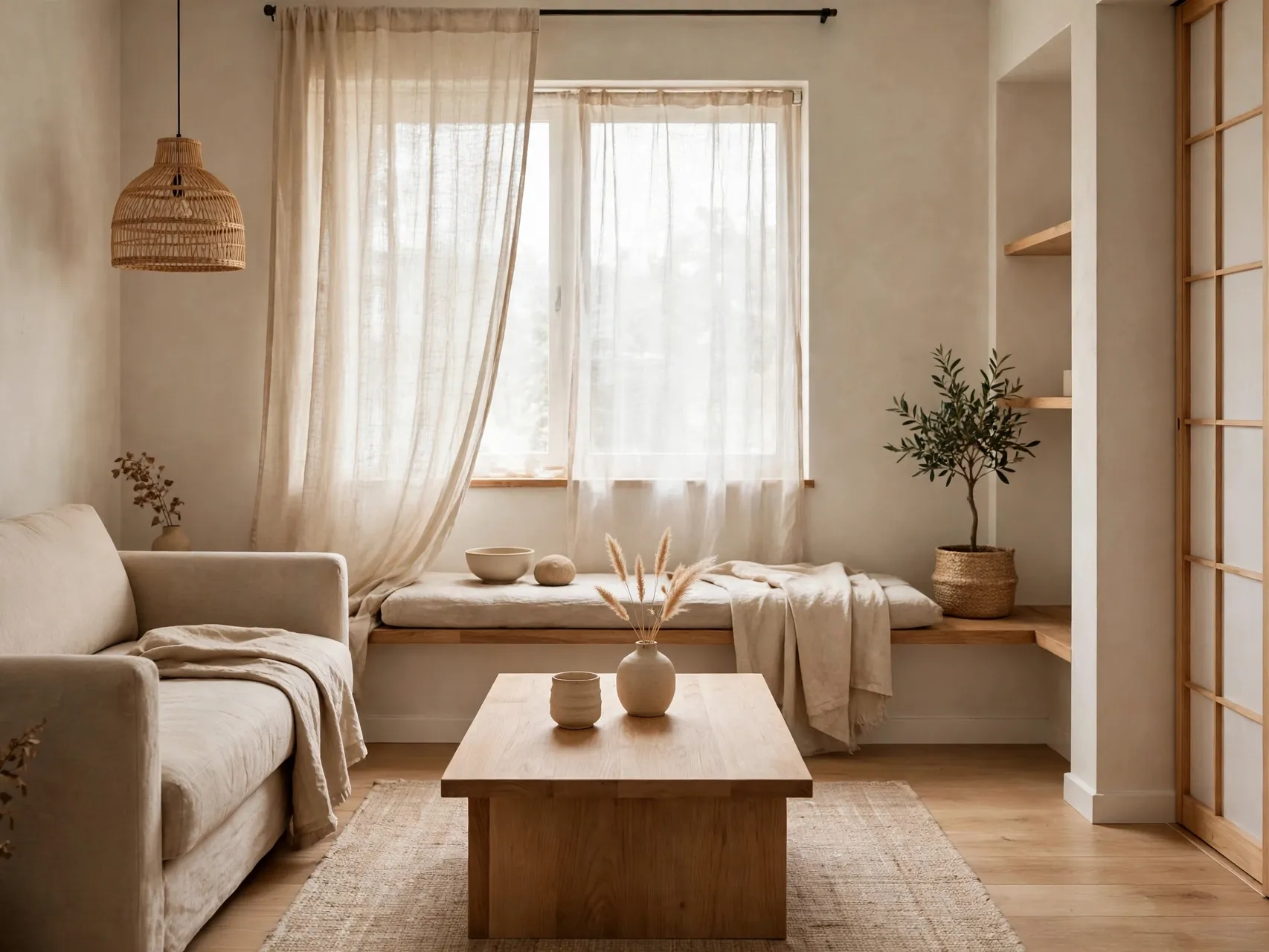
Japandi calm is maintained, not bought once. A ten minute weekly edit, returning items to storage, removing one thing you no longer need, and clearing surfaces, keeps a rental from drifting back to clutter.
Tie the edit to a routine like laundry day. The style works because of what you leave out, so regular editing matters more than any single purchase.
FAQ
What colors define a Japandi rental apartment?
Warm whites, soft beiges, light wood tones, and muted earth colors like clay, sage, and charcoal. The palette stays limited to a few tones repeated across rooms, which creates calm and makes a small rental feel more spacious and connected.
Can I do Japandi style without painting or drilling?
Yes. The style relies on low furniture, natural textiles, rugs, lighting, and editing, all of which are removable. Use window film, plug in lamps, freestanding shelves, and removable hanging strips tested first, and keep original fixtures safely stored.
What furniture should I buy first for Japandi style?
Start with a low, comfortable sofa, a simple wood coffee table, a woven rug, and closed storage. Those four pieces set the layout, palette, and clutter control for the whole apartment. Add a low platform bed next if you are furnishing a bedroom.
How do I keep Japandi from feeling cold or empty?
Add warmth through texture and wood, not more objects. Layer linen, wool, and woven fibers, use warm lighting, and include one or two plants and a handmade look ceramic piece. Softness comes from materials, while calm comes from space.
Is Japandi good for very small rentals?
It is one of the best styles for small spaces because it favors low furniture, limited palettes, multipurpose pieces, and clear surfaces. Those choices make rooms easier to clean, simpler to move, and visually larger without any permanent changes.
Key Takeaways
- Limit the palette: Warm white, beige, light wood, and one deep tone repeated everywhere creates instant calm.
- Go low and light: Low profile furniture with visible legs makes a japandi rental apartment feel larger.
- Hide clutter, do not style it: Lidded baskets and fabric boxes keep surfaces clear and restful.
- Use texture over color: Linen, wool, jute, and wood add warmth without breaking the quiet palette.
- Keep it reversible: Plug in lighting, film, rugs, and freestanding pieces protect your deposit completely.
- Edit often: A short weekly reset maintains the calm better than any new purchase.
Love these ideas? Save this pin to your Small Spaces board on Pinterest so you can find them again when you are ready to start your own makeover.
Photograph the finished corner in daylight and at night. Photos reveal clutter, cord tangles, or color clashes you stop noticing in person, and they double as your record for move out day comparison.