
21 Home Organization Ideas That Transform Every Room
Introduction
A tidy home rarely comes from one big weekend of sorting. It comes from small systems that catch clutter before it spreads, so every room has a clear place for the things you use each day. The best home organization ideas are simple ones your whole family can follow without thinking too hard about them.
Start where the mess bothers you most, whether that is the entryway, the kitchen counters, or a closet that will not close. Work one zone at a time, group similar items together, and only buy storage after you know what is actually staying. That order matters, because containers bought too early just hide the excess.
This guide moves room by room, from the front door to the garage, with 21 practical setups you can copy in an afternoon. Pick three or four to begin with, live with them for a week, and then add the next layer once the first habits feel easy.
Start With One Small Zone at a Time

Pick one drawer, one shelf, or one corner and finish it fully before you move on. A single completed zone gives you a quick win and a clear picture of what works. Set a timer for 30 minutes, pull everything out, wipe the surface, and return only the items that belong there.
Keep a bag for donations and a small bin for trash beside you while you work. When the timer ends, stop, even if the next shelf is calling. Small finished steps build real momentum for whole home organization without the burnout that stops most big cleanouts by lunchtime.
Build an Entryway Drop Zone That Catches Everything
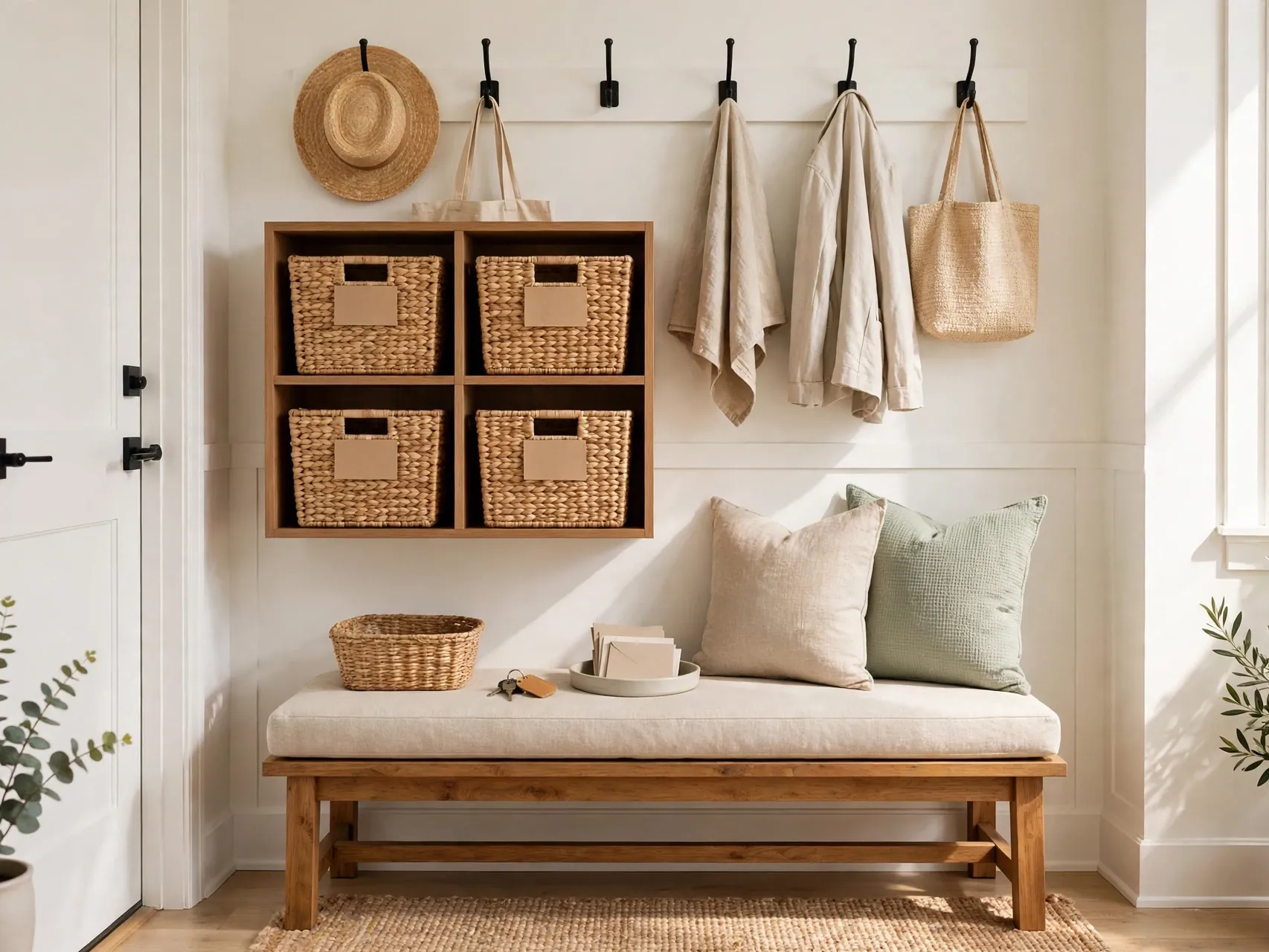
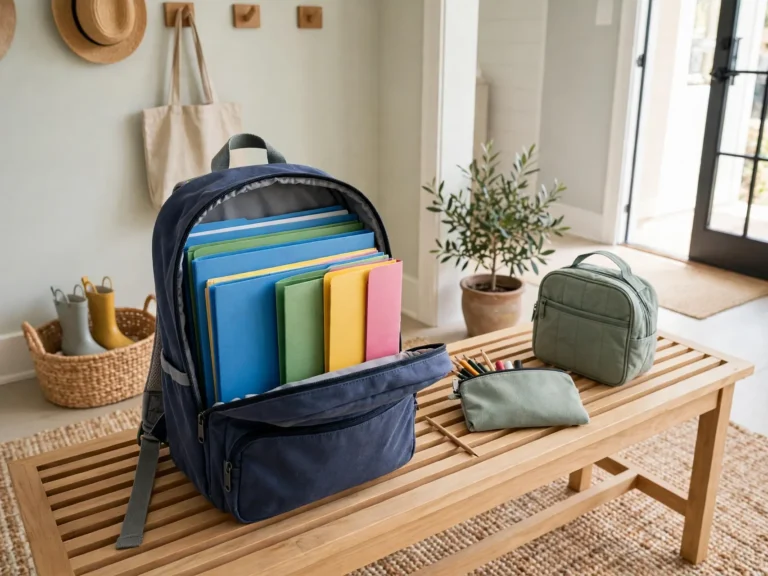
The entryway decides whether clutter spreads through the house or stops at the door. Set up a small drop zone with a tray for keys and mail, a basket for bags, and a spot for shoes you wear daily. Keep it compact, because a drop zone that is too big just becomes a dumping ground.
Place it exactly where your family naturally drops things, not where you wish they would. When the system matches the habit, people use it. Add a small trash bowl for receipts and wrappers so paper clutter dies at the door instead of migrating to the kitchen counter.
Add Hooks at Two Heights for the Whole Family

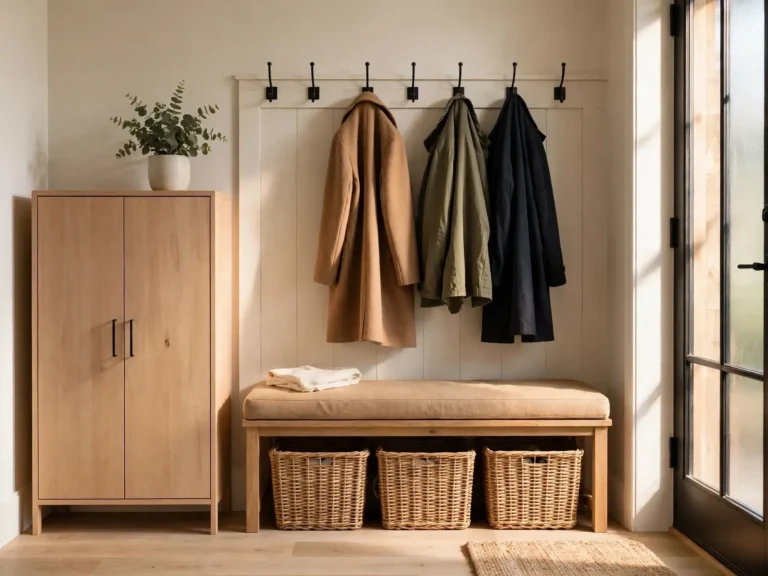
Hooks beat hangers for everyday coats and bags because they take one second to use. Fit a row at adult height and a second, lower row that kids can reach on their own. Label each hook with a name or a small picture for younger children, and the morning hunt for jackets shrinks fast.
Limit each person to the coats they wear weekly. Bulky winter extras and guest coats can live in a closet instead. A hook wall that is not overloaded stays tidy, and it is one of the cheapest home storage ideas you can add to a hallway, mudroom, or the back of a door.
Use Clear Bins So Nothing Hides

Clear bins remove the guessing game from shelves and closets. You can see at a glance what you own, which stops duplicate buying and forgotten leftovers at the back. Use them for pantry backups, craft supplies, bathroom refills, and kids toys that rotate in and out.
Choose one size family that stacks well, and add handles so each bin works like a drawer. Opaque baskets look prettier in living areas, so save clear bins for behind doors and inside cabinets, and use matching baskets where guests can see them. Both have a place in a calm, working system.
Label Every Bin Shelf and Basket
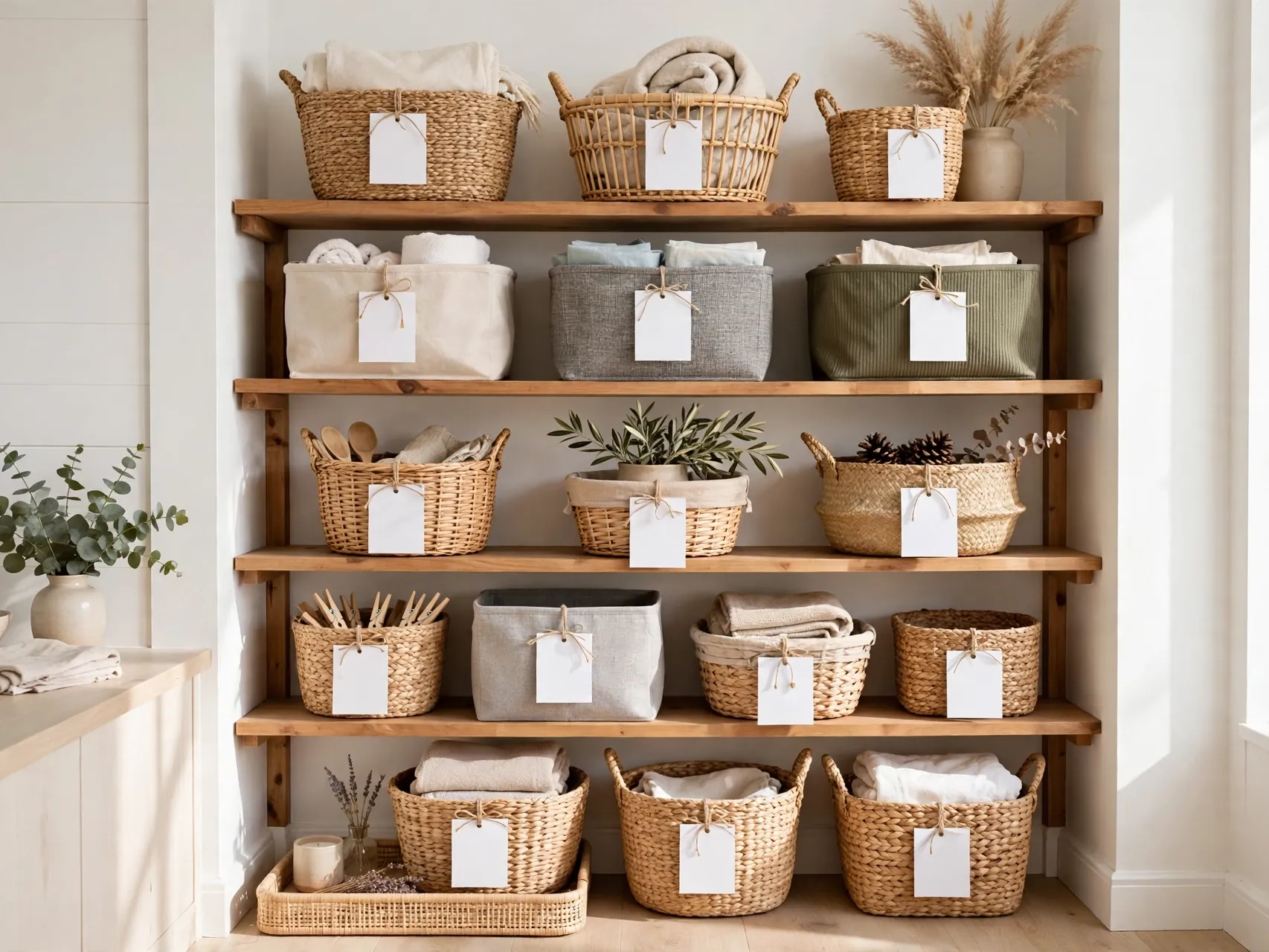
Labels are what turn a tidy shelf into a system other people can maintain. Use short, plain words like Snacks, Batteries, or Winter Hats, and stick the label on the front edge where eyes land first. A label maker looks neat, but tape and a marker work just as well.
Labels also protect your hard work. When a bin says exactly what belongs inside, family members return items to the right home instead of dropping them in the nearest gap. Refresh faded labels each season, and relabel any bin whose contents have changed, so the words always match reality.
Turn Doors Into Extra Storage

The back of a door is free storage most homes ignore. A slim over door rack can hold shoes, scarves, cleaning supplies, gift wrap, or pantry extras, depending on the room. Check the fit by closing the door slowly first, and choose light, flat items so the door still swings freely.
Pantry doors suit spice racks and packet organizers. Closet doors suit shoes and accessories. Bathroom doors suit towels on hooks when wall space is tight. This simple trick adds a full layer of room by room organization without taking a single inch of floor space, which makes it perfect for small homes and rentals.
Go Vertical With Shelves and Rails
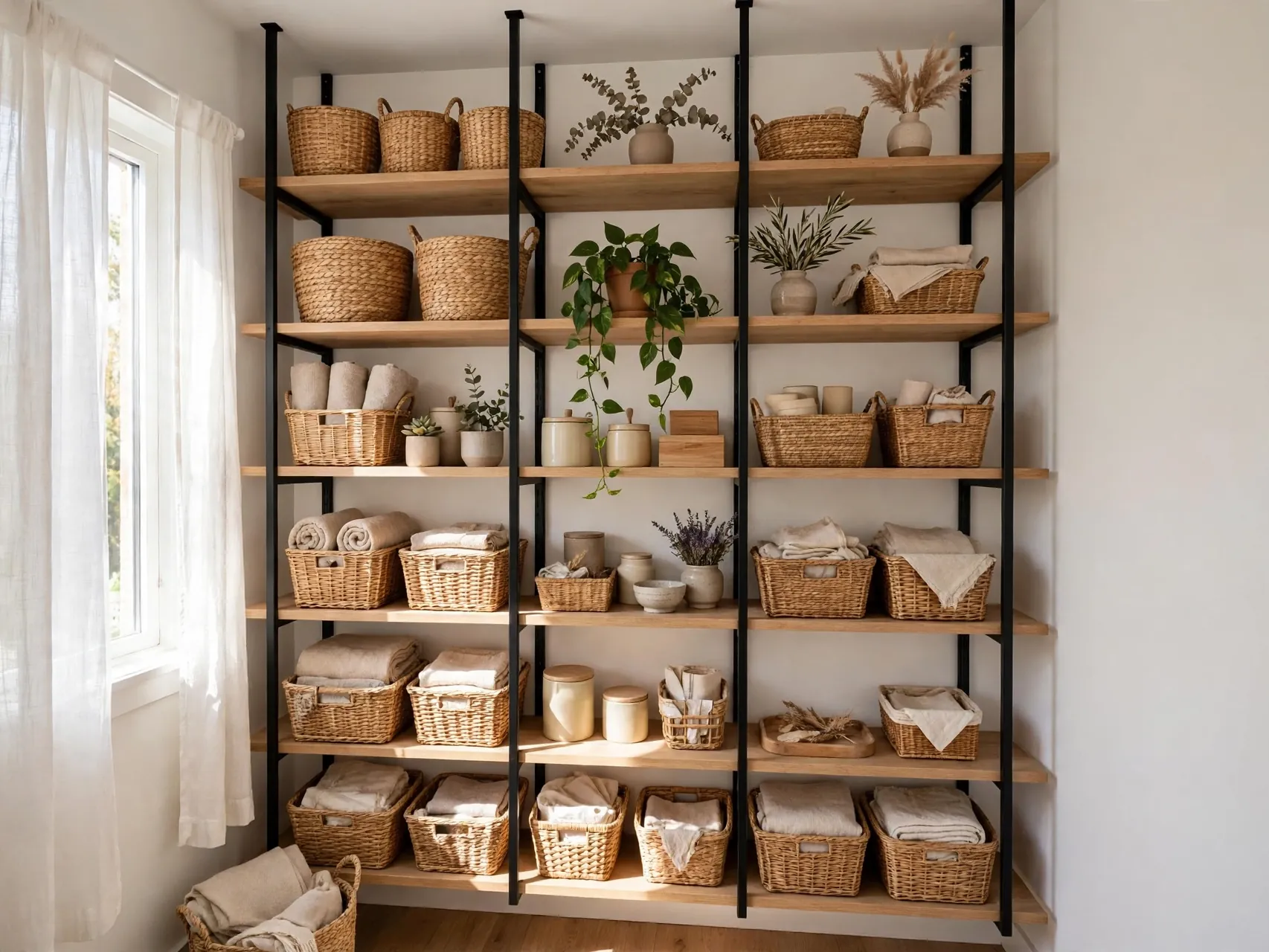
Most rooms waste the space above eye level. Floating shelves, wall rails, and tall, narrow bookcases lift storage off the floor and make a room feel bigger at the same time. Keep everyday items between waist and shoulder height, and move rare or seasonal things up high.
In the kitchen, a rail with hooks holds utensils and small pans near the stove. In a bedroom, shelves above a dresser hold baskets and books. Anchor anything heavy into studs, and keep climbing risks in mind in kids rooms. Vertical storage is the backbone of good home storage ideas in compact spaces.
Give Kitchen Counters a Clear Rule
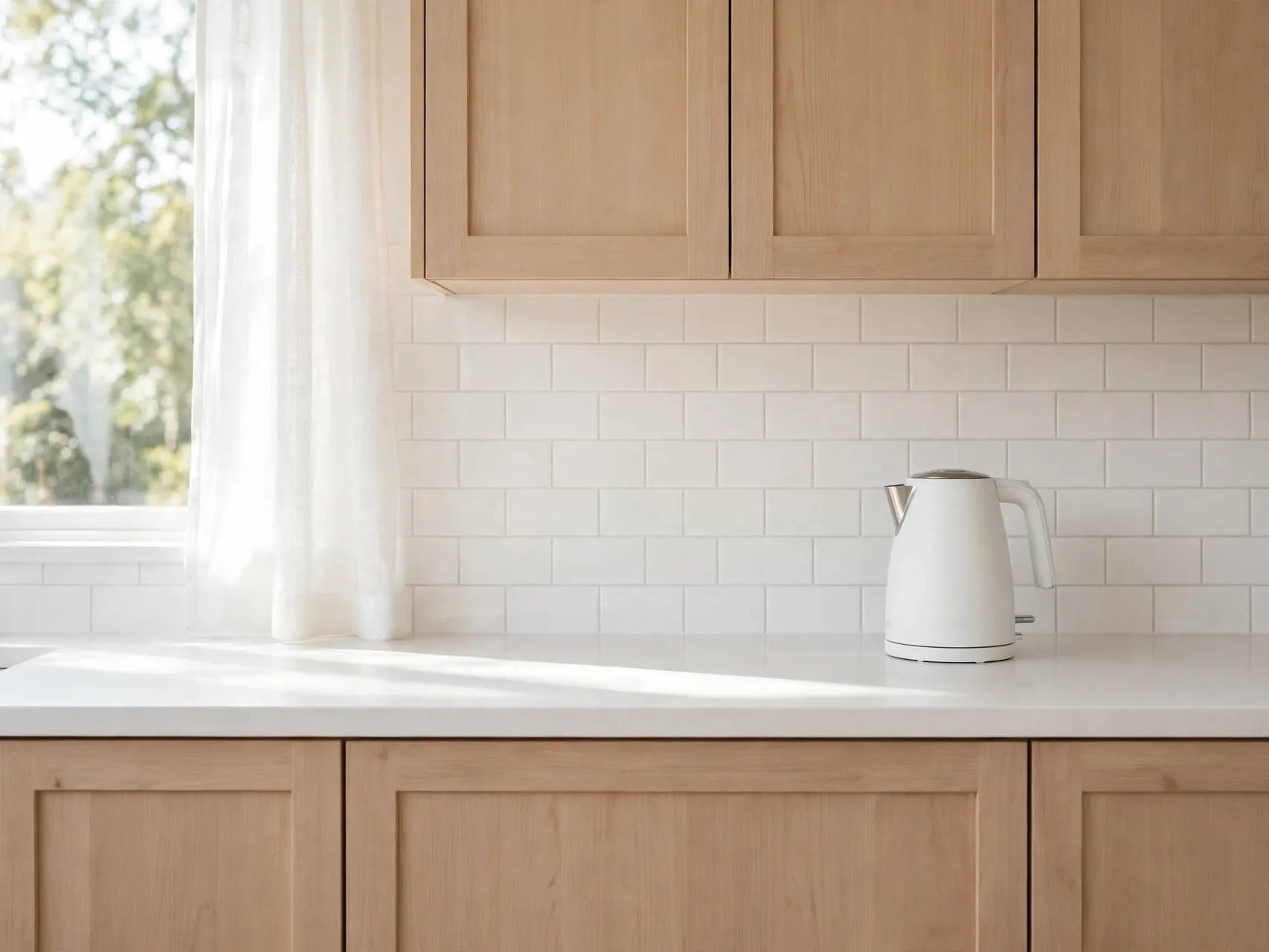
Counters feel calm when only daily tools earn a place on them. Try this rule: if you do not use it every day, it does not live on the counter. The coffee maker and knife block may stay, while the blender, food processor, and bread box move into a cabinet or pantry shelf.
Corral what remains on a tray or board so the group reads as one item, not five. A tray under the soap and sponge, or a board under oils near the stove, keeps work space open for cooking. Clear counters also wipe down in seconds, which makes the whole kitchen easier to keep clean.
Decant Pantry Staples Into Matching Jars

Pour dry staples like flour, rice, pasta, and oats into clear, matching jars or containers. You will see when supplies run low, food stays fresher in sealed containers, and shelves look calm instead of chaotic. Tape the cooking directions and use by date from the box to the back of each jar.
Group jars by how you cook: baking together, grains together, snacks at kid height. Add a small basket for packets and sauce mixes so they stop sliding around. This is one of those organized home tips that looks like a magazine photo but actually saves money, because nothing gets lost and bought twice.
Divide Every Drawer With Simple Inserts

A drawer without dividers becomes a junk drawer within a month. Simple inserts, small boxes, or even cut down cardboard trays give each category its own lane. In the kitchen, divide utensils by task. In a bedroom, divide socks, underwear, and accessories so pairs stay together.
Measure the drawer before you buy inserts, and leave one small section flexible for odd shaped items. Review drawers twice a year and evict anything that has not been used. Drawers are prime real estate close to your hands, so they should hold only things you reach for often.
Double Closet Space With a Second Rail

Many closets waste the space below short shirts and blouses. Add a second rail underneath the main one for pants, skirts, or kids clothes, and you can nearly double the hanging room without any building work. Tension rails and hanging organizers both work if you cannot drill.
Pair the extra rail with slim, matching hangers, which save inches compared with chunky mixed hangers. Keep one small empty section in the closet on purpose. That breathing room stops the morning squeeze, makes outfits easier to see, and keeps a good system from slowly sliding back into a jammed rail.
Store Off Season Clothes Under the Bed
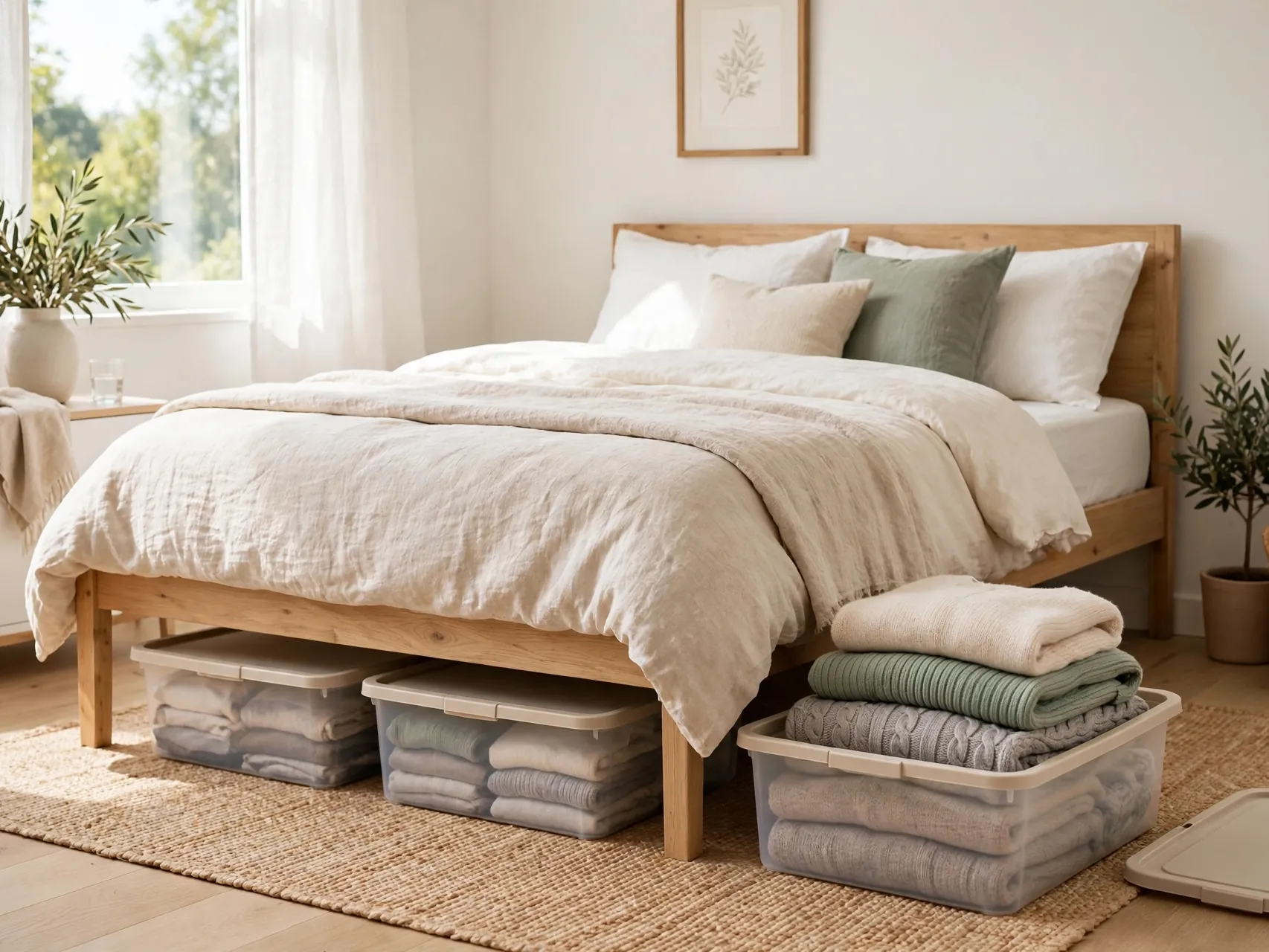
Under bed space is ideal for flat, rarely used items like off season clothes, extra blankets, and guest linens. Use low, lidded containers or soft bags that slide easily, and wash everything before you store it. Add a label on the end facing out, so you can find the right box without pulling them all out.
Keep one container for each person or category, and swap the contents when the seasons change. That swap day is also the perfect moment to donate anything that no longer fits. Used this way, under bed storage supports your whole home organization instead of becoming a forgotten hiding place.
Corral Cords and Chargers in One Spot
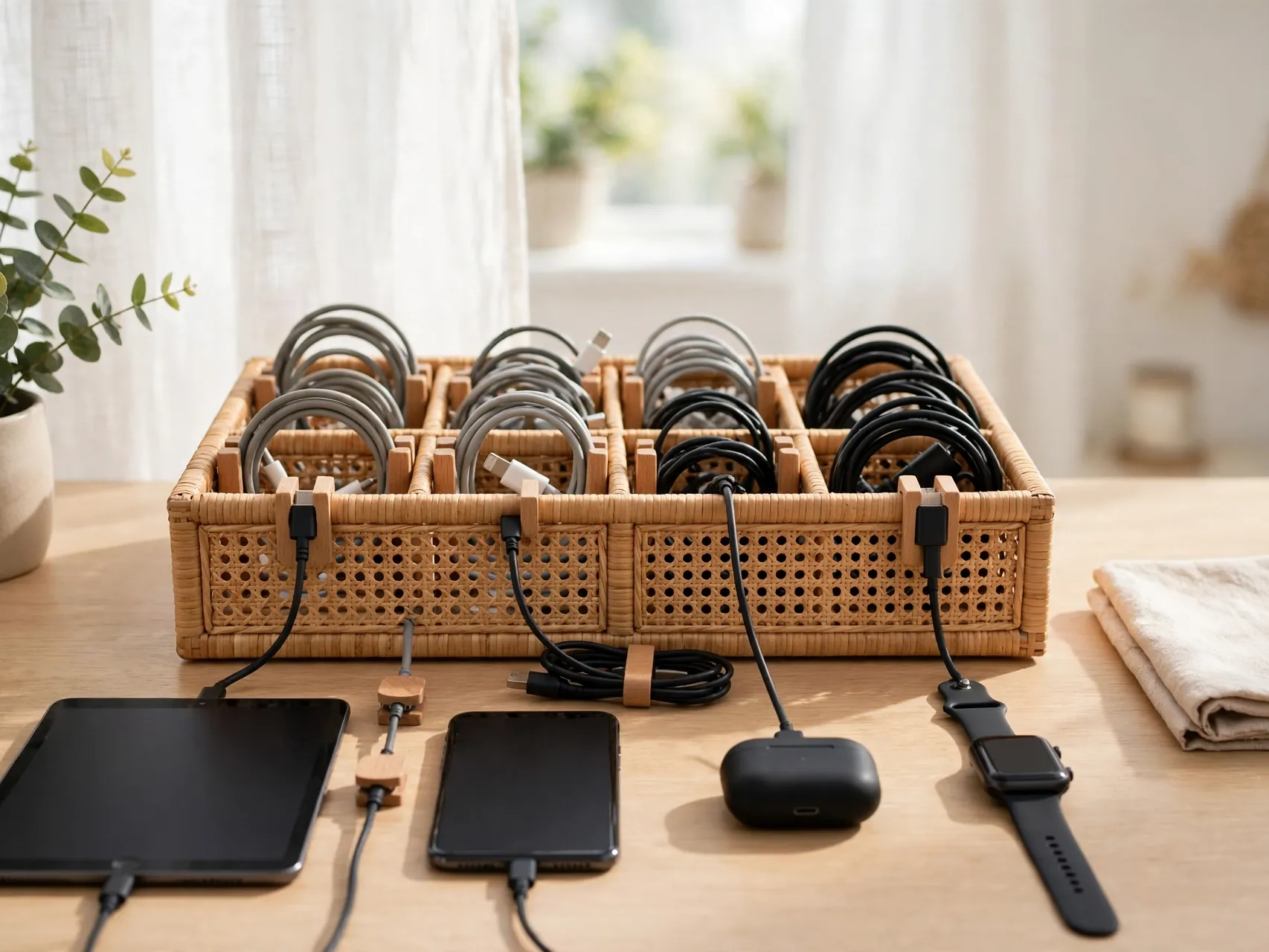
Loose cords make any room look messy and waste time when you hunt for the right charger. Create one charging spot, ideally near the entryway or kitchen, with a small box or basket that hides the power strip. Label each cord with tape near the plug so family members can spot theirs fast.
Add a simple rule: devices charge here, not in bedrooms overnight, if that suits your family. Keep spare cables in one labeled pouch in a drawer, and recycle broken or mystery cords instead of storing them forever. A single charging home keeps counters clearer and mornings calmer.
Create a Family Command Center for Paper
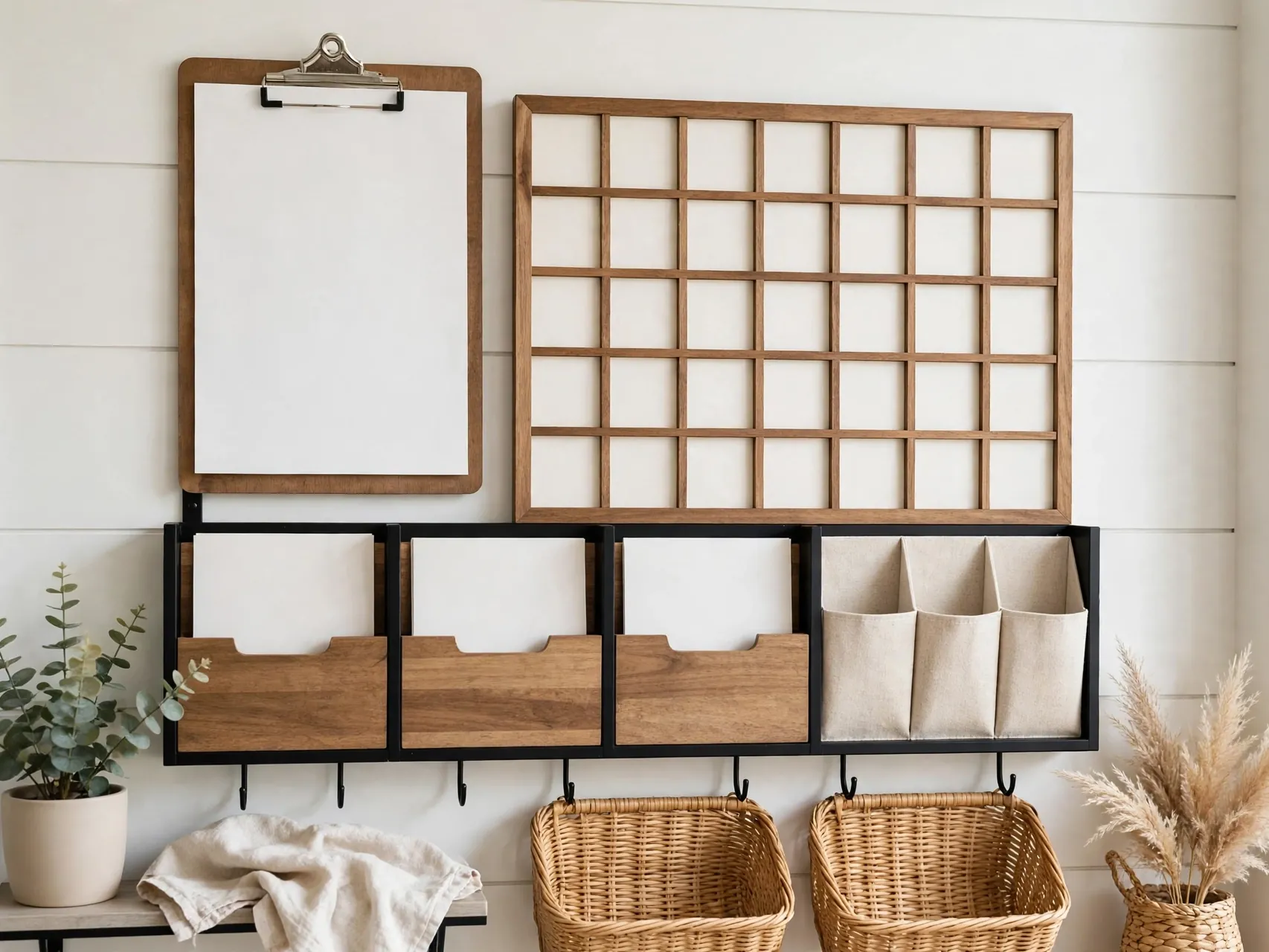
Paper is the clutter that returns daily, so give it one home. A small command center near the entry or kitchen can hold a calendar, a tray for mail that needs action, hooks for keys, and a folder for school papers. Sort mail the day it arrives: recycle junk at once, file what you keep, and act on bills quickly.
Give each child one folder or slot for forms and artwork you want to save. At the end of each week, empty the action tray together. Ten minutes a week keeps paper from spreading across every flat surface in the house.
Use Furniture That Stores Things Too

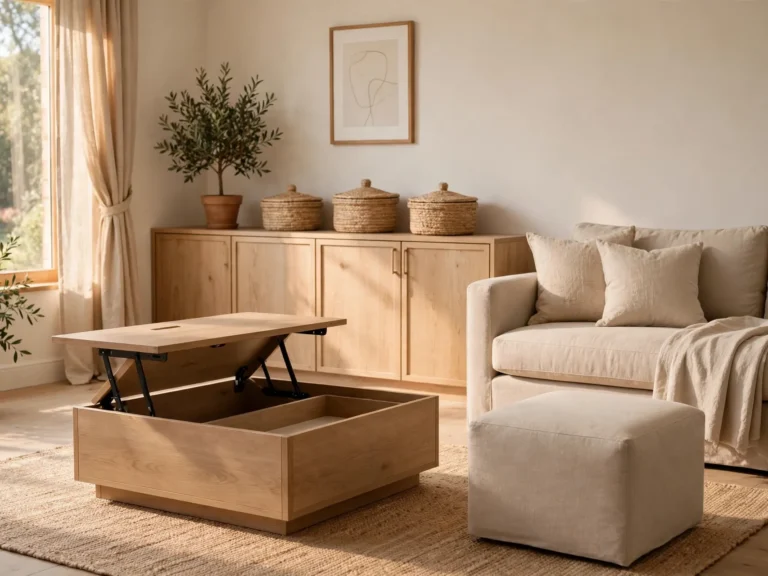
When you next replace furniture, choose pieces that store as well as sit or hold. A storage ottoman hides blankets and toys in the living room. A bench with a lift up seat holds shoes in the entryway. A bed frame with drawers removes the need for a second dresser in a small bedroom.
Even small swaps help: a coffee table with a shelf, nightstands with drawers instead of open tables, and baskets that slide under a console. Dual purpose pieces are classic home storage ideas for small spaces because they add capacity without adding visual clutter or extra floor footprint.
Sort Bathroom Items by Morning Routine
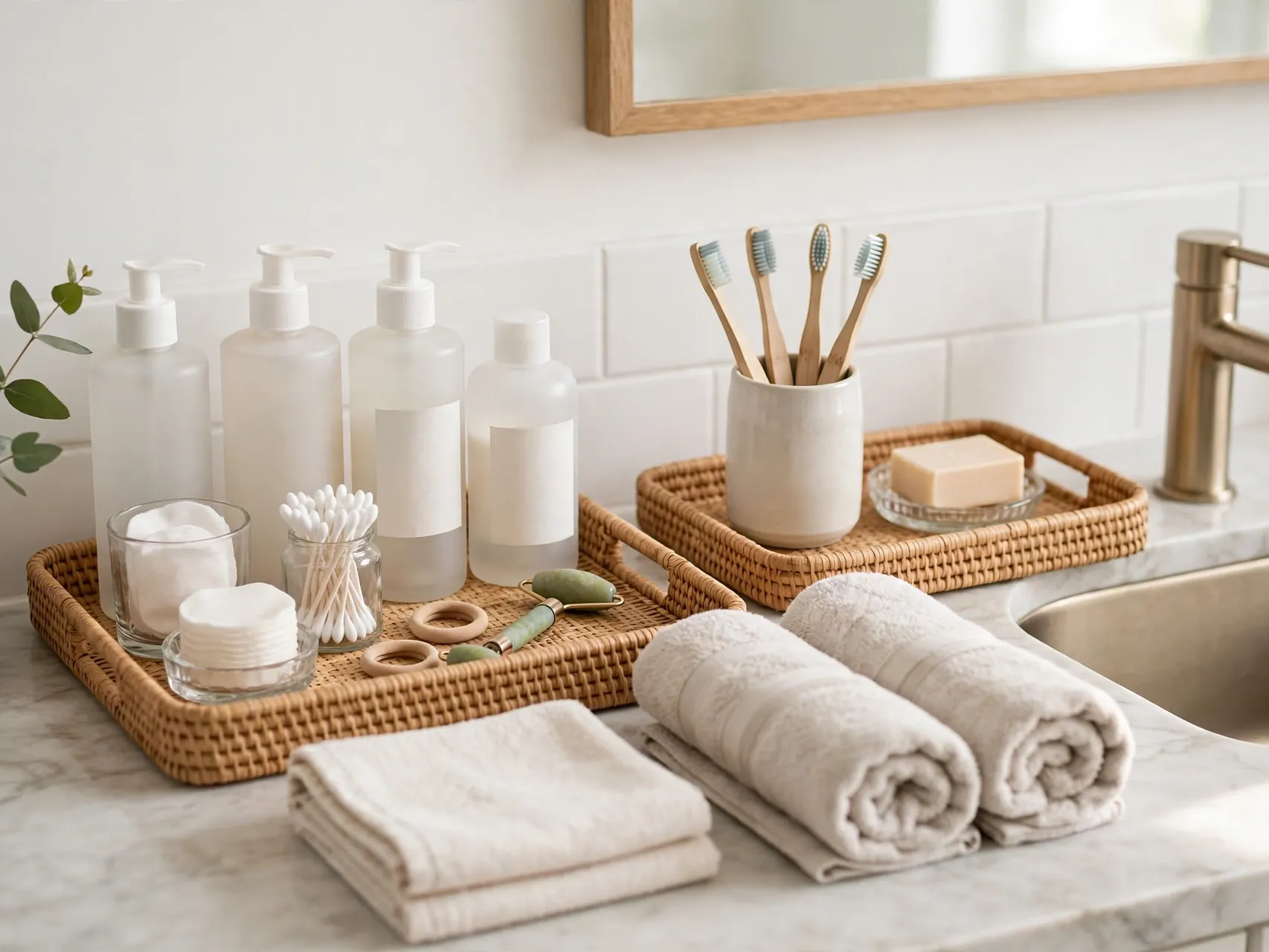
Bathroom storage works best when it follows the order of your morning. Keep daily items, like your toothbrush, face wash, and hair basics, in one caddy or the top drawer. Put weekly items and backups lower or further back. A small tray on the counter should hold only what you use every single day.
Use drawer dividers or small cups for makeup and grooming tools, and store cleaning supplies in a handled caddy under the sink so they move room to room easily. In shared bathrooms, give each person one small basket. Personal baskets end counter wars and make cleanup a two minute job.
Set Up a Laundry Sorting Station
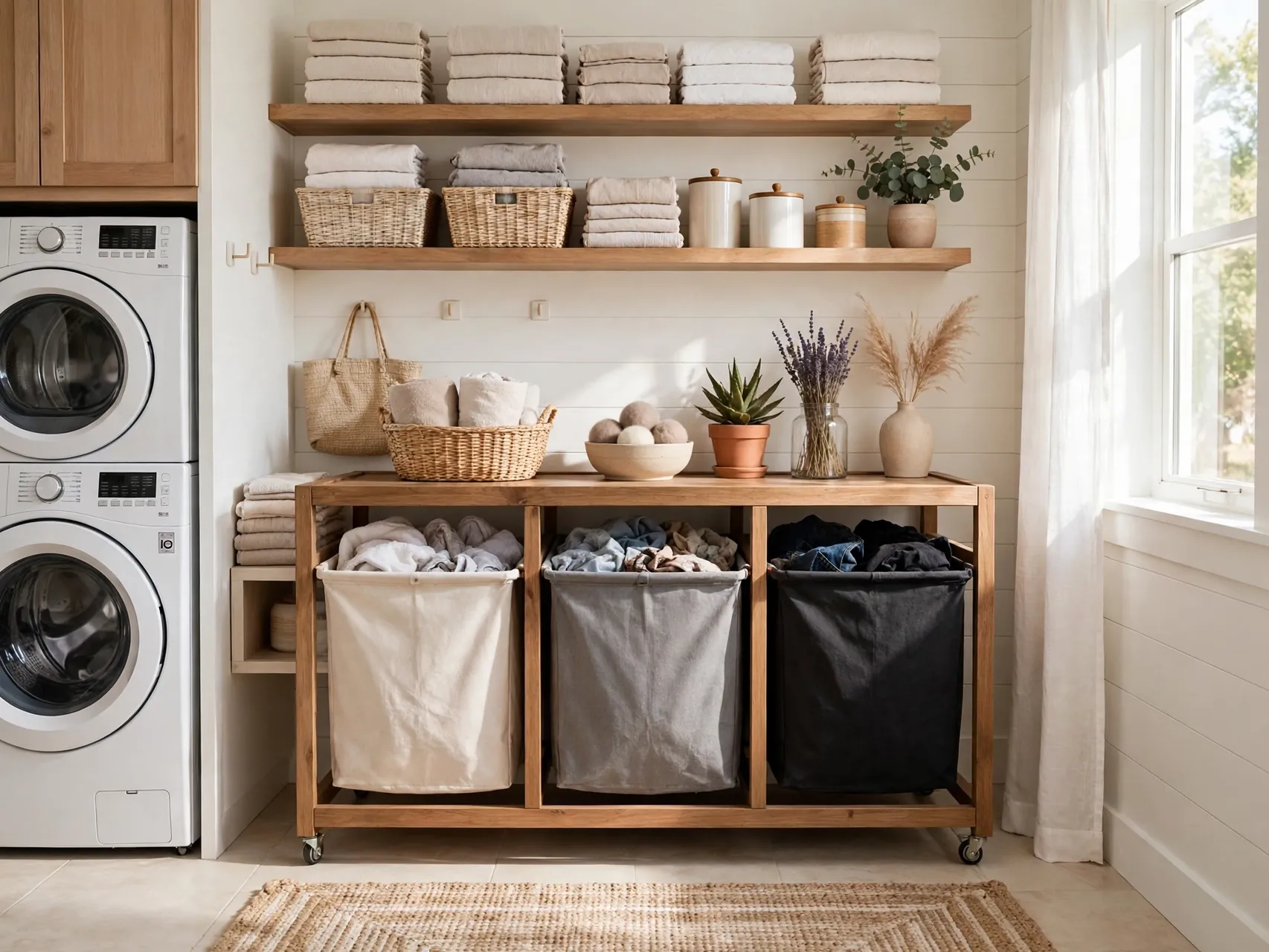
Laundry feels endless when it lands in one mixed heap. Set up two or three slim hampers or sections for lights, darks, and delicates, and sorting happens as clothes come off instead of on wash day. Label each section until the habit sticks, especially for kids and teens.
Keep a small stain kit, a sock clip bag, and a trash bowl for tissues and tags right beside the hampers. A shelf or hanging organizer above the machines can hold detergent and dryer supplies. This simple station is one of the most practical organized home tips for busy families, because it saves a little time on every single load.
Make the Garage Work in Zones

A garage stays usable when it is planned in zones rather than piles. Try one wall for tools, one area for sports and outdoor gear, one for seasonal decor, and a clear path for the car. Hang bikes, ladders, and long tools on wall hooks or racks to free the floor.
Use sturdy shelves with labeled bins for smaller gear, and keep chemicals and sharp tools up high or locked if kids use the space. Sweep and re-sort one zone each season. A zoned garage means you can find the pump, the tent, or the holiday lights in minutes instead of moving boxes for an hour.
Keep a Donation Box by the Door

The easiest way to stop clutter returning is to give unwanted items an exit. Keep one donation box or bag in a closet near the door, and drop things in the moment you decide you do not need them. When the box is full, it goes straight into the car on your next trip out.
The EPA encourages reuse and donation because usable goods stay in circulation instead of going to landfill, so this small habit helps your home and your community at the same time. Teach kids to add outgrown toys and clothes to the box too. Letting go gets easier when the box is always there.
Do a Ten Minute Nightly Reset

Systems survive on small habits, not big efforts. Spend ten minutes each evening returning items to their homes: cushions straight, remotes in their tray, dishes loaded, bags by the door, toys in baskets. Put on music or set a timer and get the whole family involved for the last song.
Focus on living areas and the kitchen, and do not chase perfection. The goal is to wake up to a calm starting point, not a show home. This nightly reset is the habit that makes all your other home organization ideas last longer than a week.
Review Each Room Once a Season
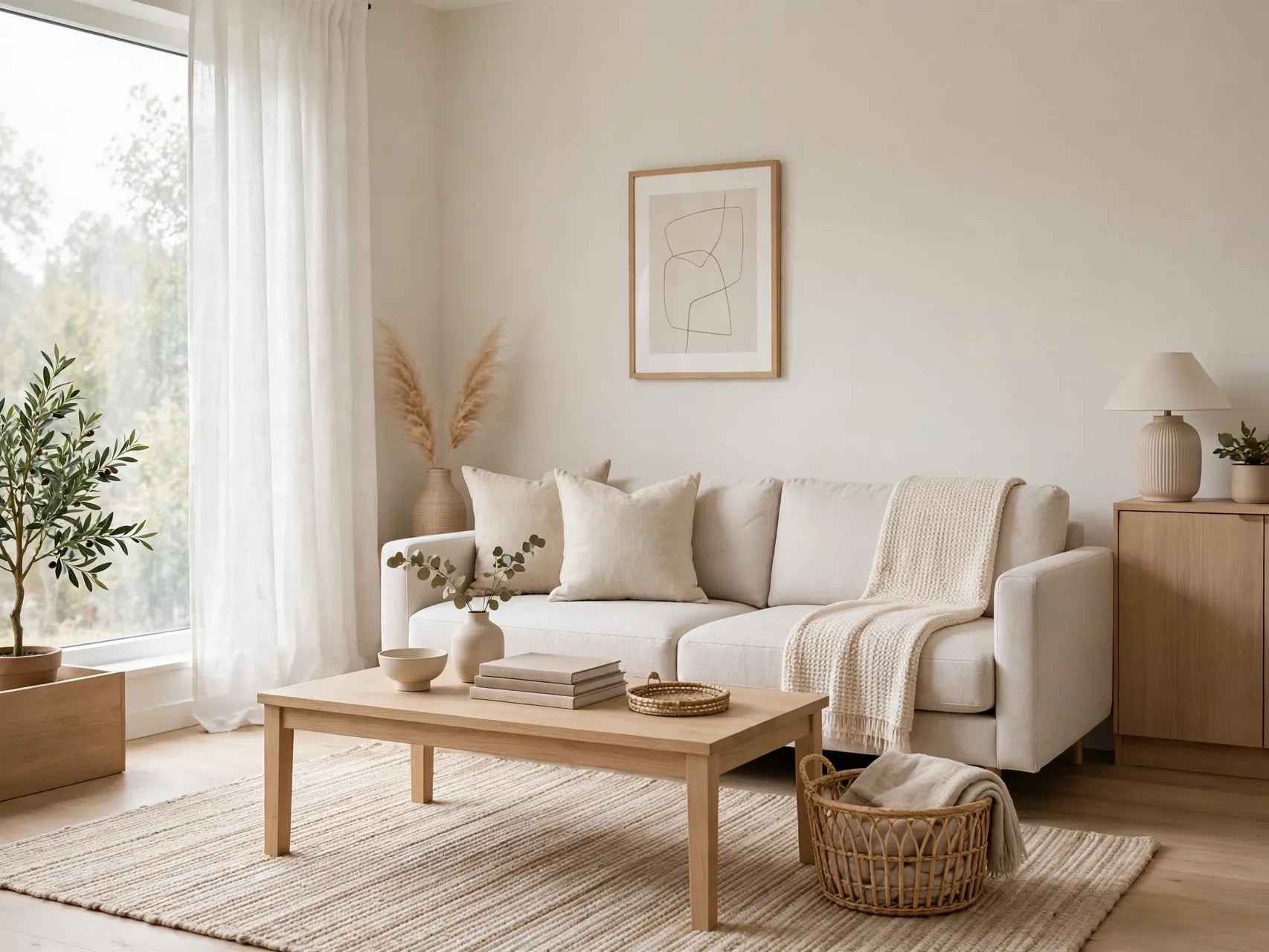
Even the best system drifts as life changes. Once a season, walk through one room with fresh eyes and ask what no longer earns its place. Check for duplicates, broken items, outgrown clothes, and storage that no longer fits how you live now. Adjust labels, bins, and zones as you go.
Tie the review to something you already do, like swapping seasonal clothes or preparing for a holiday. Donate or recycle what you remove, using local donation and recycling options where you can. A short seasonal review keeps your whole home organization honest and stops the slow build up that turns into a full weekend project.
FAQ
Where should I start if my whole home feels disorganized?
Start with the spot that bothers you most and make it small, like one drawer or the entryway floor. Finish that zone completely, including taking donations out of the house, before you move on. Early wins build motivation, and the habits you learn in one small zone, grouping, labeling, and giving items a home, repeat in every other room.
How do I keep my home organized with kids?
Make systems easy enough for kids to use alone: low hooks, open baskets, picture labels, and one clear home for each category of toy or gear. Limit how much comes in by rotating toys and keeping a donation box handy. A short nightly reset with music helps too, because small daily tidying beats weekend battles.
What storage should I buy first?
Buy measuring tape time before products. Declutter first, then measure the space, then choose simple basics: clear bins that stack, drawer dividers, labels, and hooks. Avoid buying themed organizer sets before you know what you are storing. The right container is the one that fits the space, fits the category, and is easy for everyone to put back.
How can I organize a small home with very little storage?
Think vertical and dual purpose. Use wall shelves, over door racks, under bed containers, and furniture with hidden storage. Keep only what you use, store seasonal items high or under beds, and give every item one home. In small homes, the editing step matters more than containers, so be honest about duplicates and rarely used gadgets.
How do I stop clutter from coming back?
Build exits and routines. Keep a donation box by the door, sort mail daily, follow a one in, one out rule for clothes and toys, and do a ten minute reset each night. Review each room once a season to catch drift early. Organization lasts when maintaining it takes minutes a day, not a full weekend every few months.
Key Takeaways
- Start small and finish: One completed zone at a time builds momentum for whole home organization without burnout.
- Catch clutter at the door: A drop zone, low hooks, and a paper command center stop mess spreading through the house.
- See what you own: Clear bins, matching pantry jars, and plain labels end duplicate buying and lost items.
- Use hidden space: Doors, walls, and under bed areas add real storage with no extra floor space.
- Give everything an exit: A donation box by the door and a seasonal review keep systems honest.
- Reset in minutes: A ten minute nightly tidy is what makes your home organization ideas actually last.
Love these ideas? Save this post to Pinterest so you can find it later, and pin your favorite room setup to your home organization board before you start.