23 Rental Wall Decor Ideas That Will Not Damage the Walls
Introduction
Blank white walls are the part of renting almost everyone wants to change first. You want color, photos and art that feel like you, but you also want your deposit back and a calm move out day. Those two goals can work together when you choose decor that goes up without holes and comes down without a repair list.
The trick with good rental wall decor is to match the method to the weight, the surface and your lease. A light print needs a different plan than a framed mirror. A smooth painted wall handles adhesive well, while textured or freshly painted walls need more care and a test spot first.
This list gives you 23 options that renters use again and again, from strips and hooks to leaning art, fabric and ledges that never touch the wall at all. Start with one wall, test your method in a hidden corner, and build from there.
Keep your lease nearby as you plan. Rules vary by building and by state, so if your lease bans a product or asks for written permission, follow the lease. When in doubt, a short written question to your landlord now beats a deduction later.
1. Use Removable Picture Hanging Strips

Picture hanging strips are the workhorse of damage free wall decor for light and medium frames. Two strips click together, one side sticks to the frame and the other to the wall, so the frame sits flat with no wire and no nail.
Follow the package steps closely. Wipe the wall with rubbing alcohol, press each strip firmly, then wait the full hour the maker asks for before you hang. Check the weight rating before you buy, stay under it, and wait seven days after painting before you use strips on new paint.
2. Hang Art With Adhesive Hooks

Adhesive hooks suit frames with a wire, a sawtooth hanger or a loop on the back. They also work well for wreaths, small clocks and lightweight signs in an entryway or kitchen where you want one clear hanging point.
Choose a hook rated above the weight of your piece, not just equal to it. Clean the spot first, press for the time on the package, and let the adhesive set before you hang. Hooks are not a good choice over a bed or for valuable art, and they can struggle in steamy bathrooms.
3. Create a Washi Tape Gallery
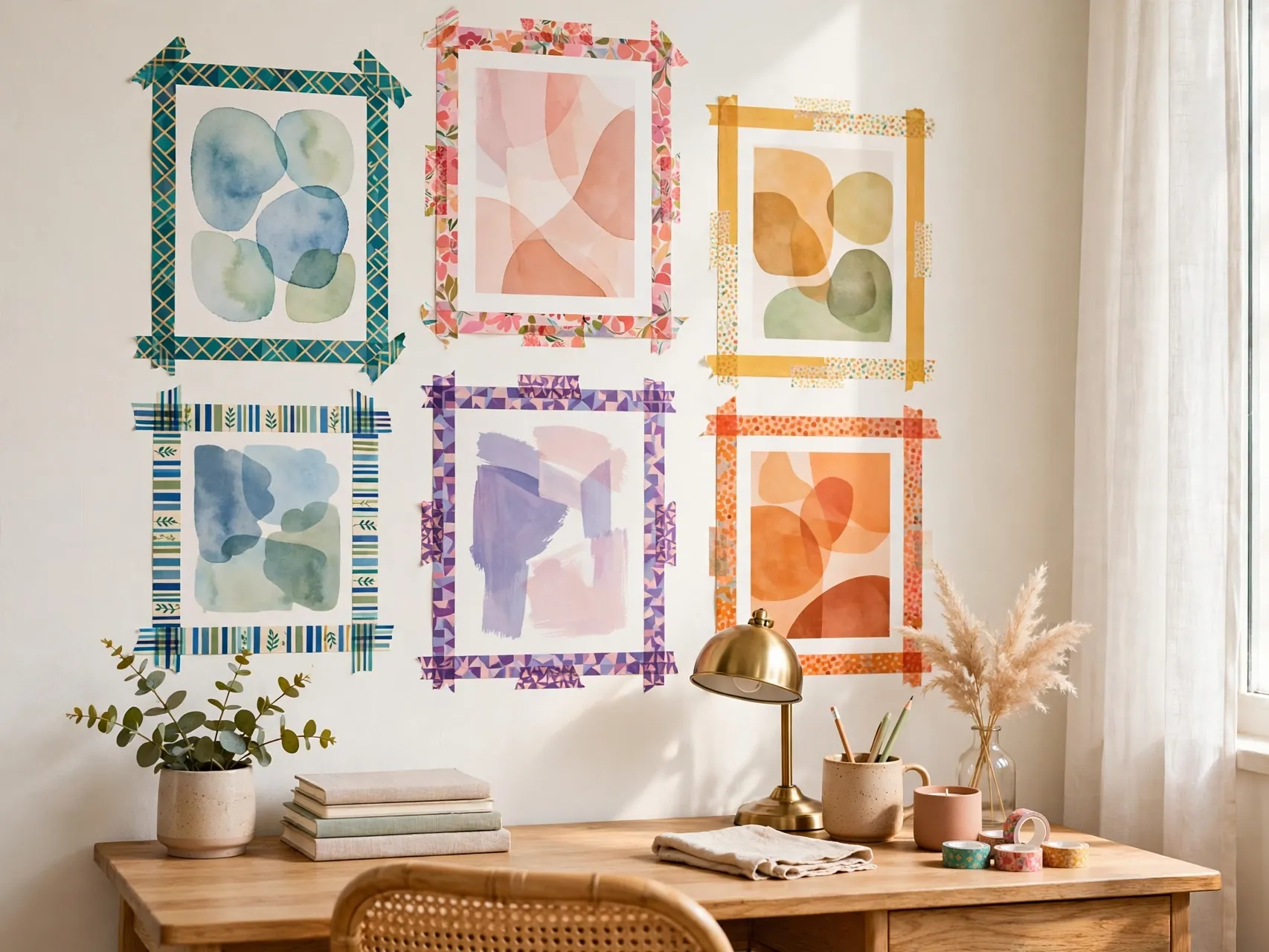
Washi tape is a low tack decorative tape that frames unframed prints, postcards and photos directly on the wall. It adds color around each piece and peels away cleanly on most smooth painted walls, which makes it perfect for a display you will change often.
Use tape on all four corners or run it along the top edge like a simple frame. Keep this method for paper light pieces only. Test one corner overnight if your paint is flat, old or already peeling, because even gentle tape can lift weak paint.
4. Try Peel and Stick Wallpaper on One Wall
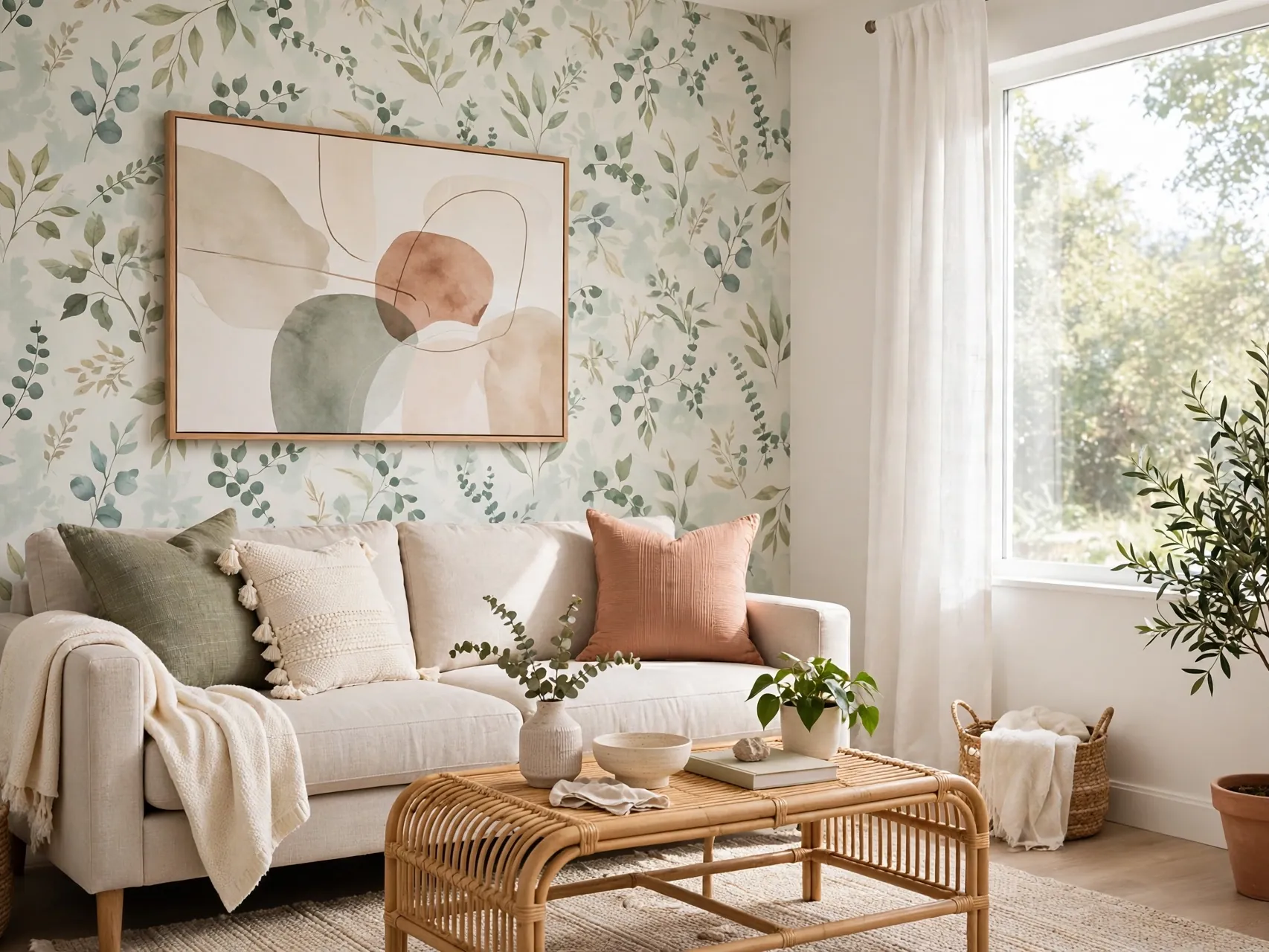
One accent wall of peel and stick wallpaper can change a bedroom or entryway more than any single frame. Modern removable papers come in patterns that suit small spaces well, from soft texture looks to bold prints that act like art.
Start with a smooth, clean wall and a small test piece in a hidden spot. Leave the test for several days, then peel it back and check the paint. Apply slowly, smooth out bubbles as you go, and keep the backing and brand notes so removal day follows the maker directions.
5. Use Removable Wall Decals

Wall decals give you pattern, quotes, dots or arches without paint. They work especially well in kids rooms, nurseries and small nooks where a full wallpaper wall would feel like too much work or too much pattern.
Apply decals to clean, dry, smooth walls and press from the center outward to avoid trapped air. Save the backing sheets if you want to move a decal later. At removal time, warm the edge gently and peel slowly at a low angle so the vinyl releases without pulling paint.
6. Lean Oversized Art on Furniture
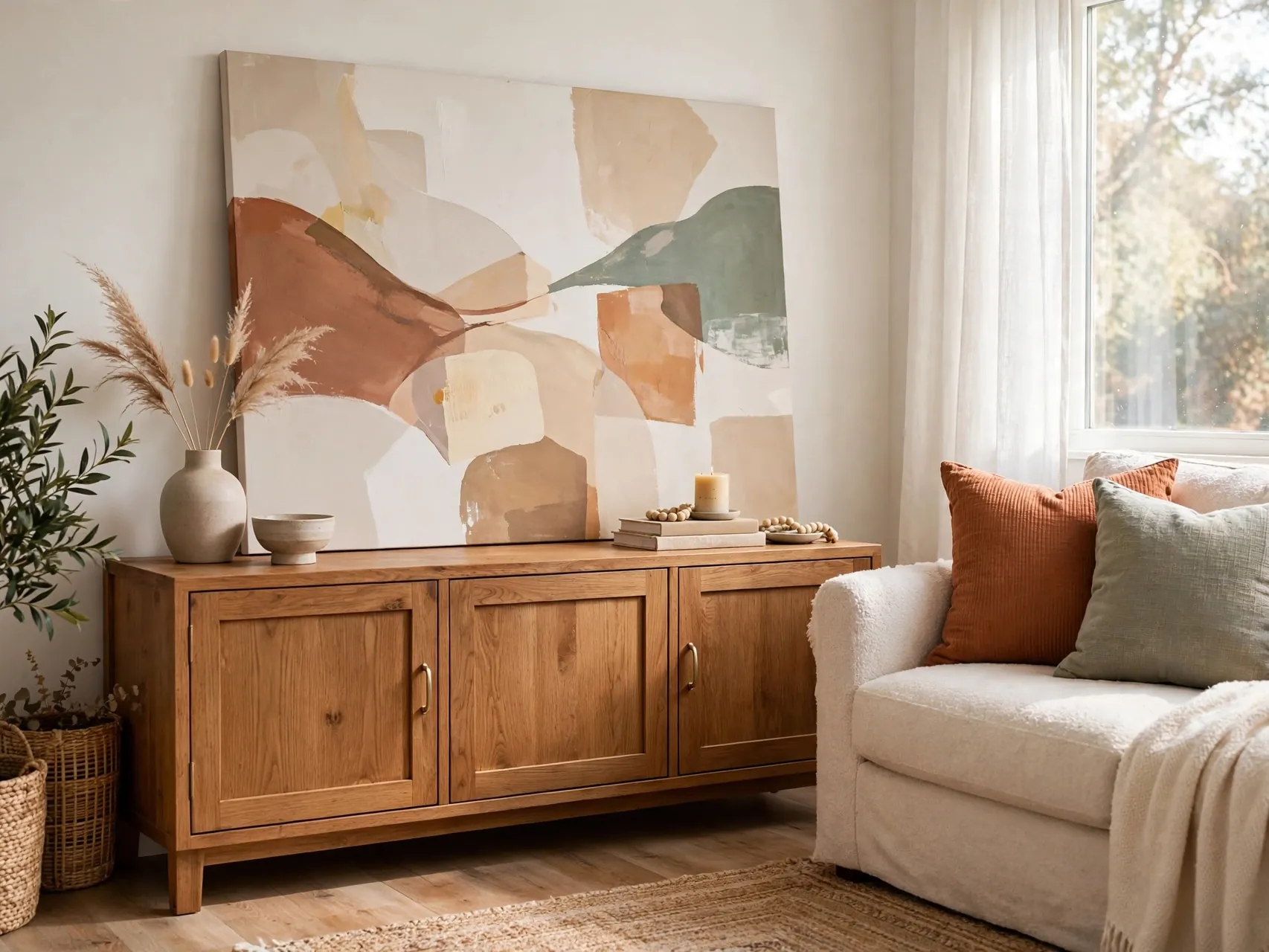
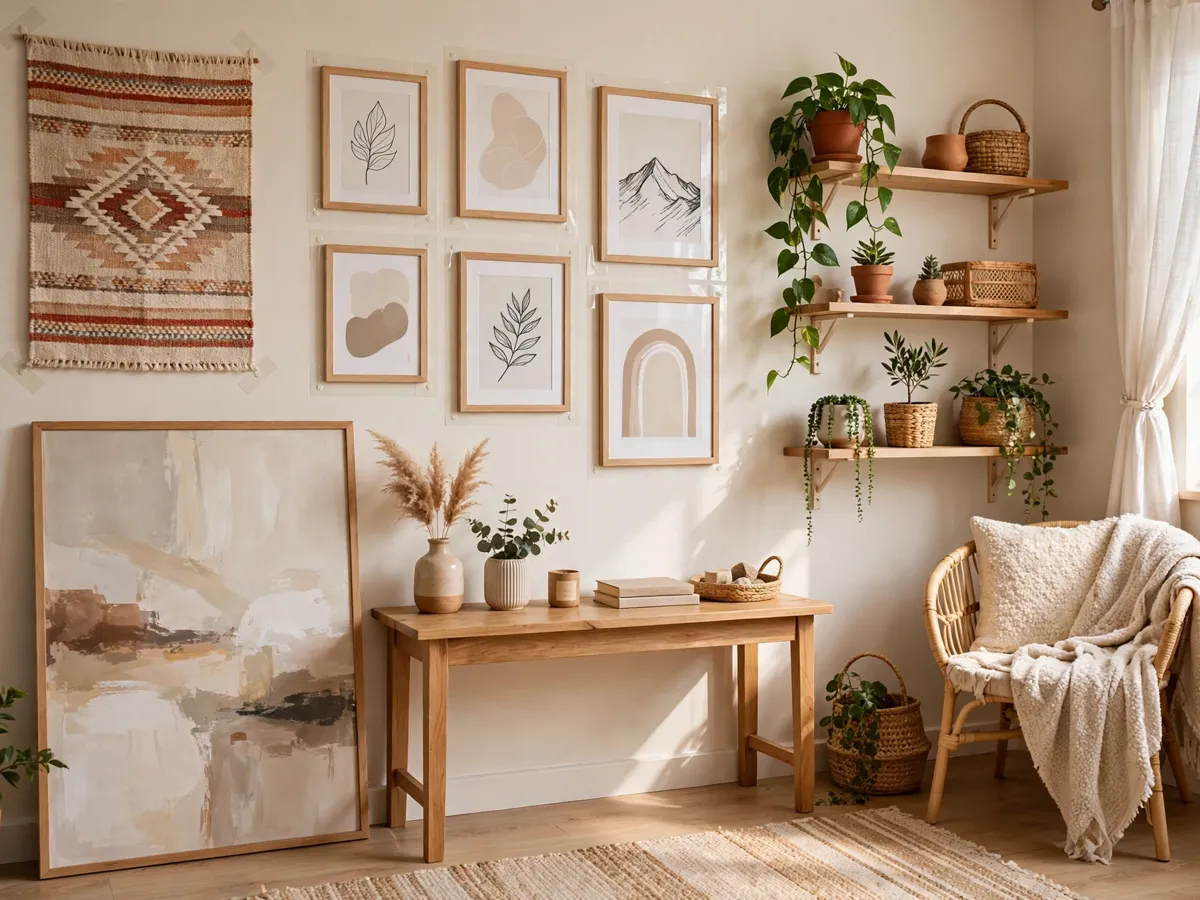
A large frame leaning on a console, dresser or mantel looks relaxed and intentional, and it needs no hardware at all. This is one of the safest apartment wall decor ideas for heavy pieces that adhesive should never hold.
Place a small felt pad or bumper where the frame edge meets the surface so it does not slide or mark the furniture. Keep leaning art out of busy walkways, secure tall pieces in homes with kids or pets, and enjoy how easy it is to swap the piece later.
7. Layer Frames on a Picture Ledge
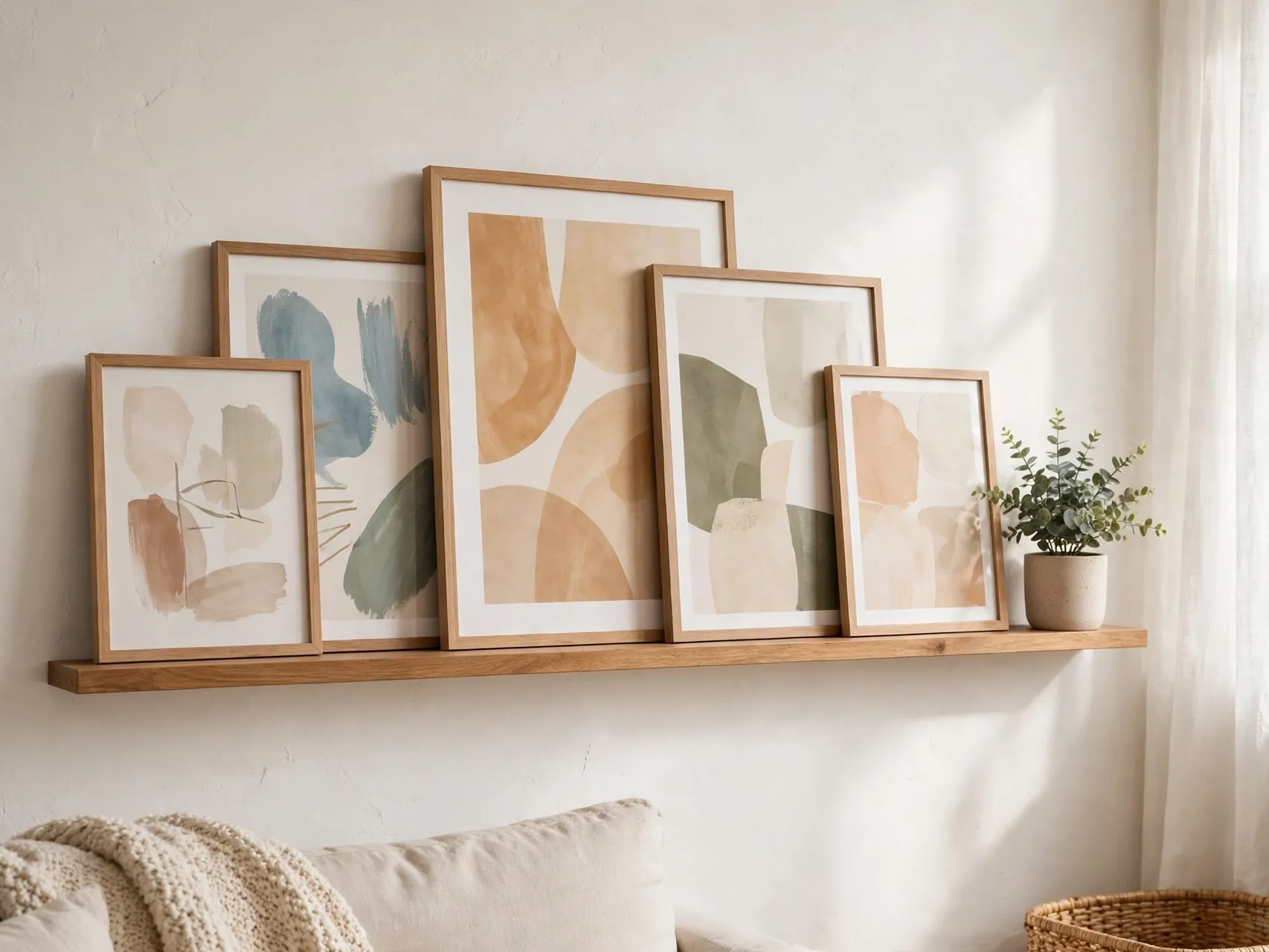
A picture ledge lets you layer frames, small plants and objects in a row you can rearrange in minutes. If your lease allows a ledge fixed to furniture or a freestanding shelf unit, you get the gallery look without a wall of separate hangers.
Even a simple bookshelf top can act as a ledge. Overlap frames slightly, mix one tall piece with two smaller ones, and leave breathing room at the ends. Because nothing is fixed, this is an easy first project for a living room or hallway.
8. Hang a Tapestry From Adhesive Hooks

A tapestry or woven wall hanging covers a large blank area with color and softness while weighing very little. Hang it from two or three adhesive hooks, a lightweight rod, or clips spaced evenly along the top edge.
Fabric also softens sound in rooms with hard floors, which many small rentals have. Shake it out or vacuum it gently with a brush attachment now and then to keep dust down. At move out, the hooks come down and the fabric folds into a moving box.
9. Drape a Lightweight Throw as Wall Art
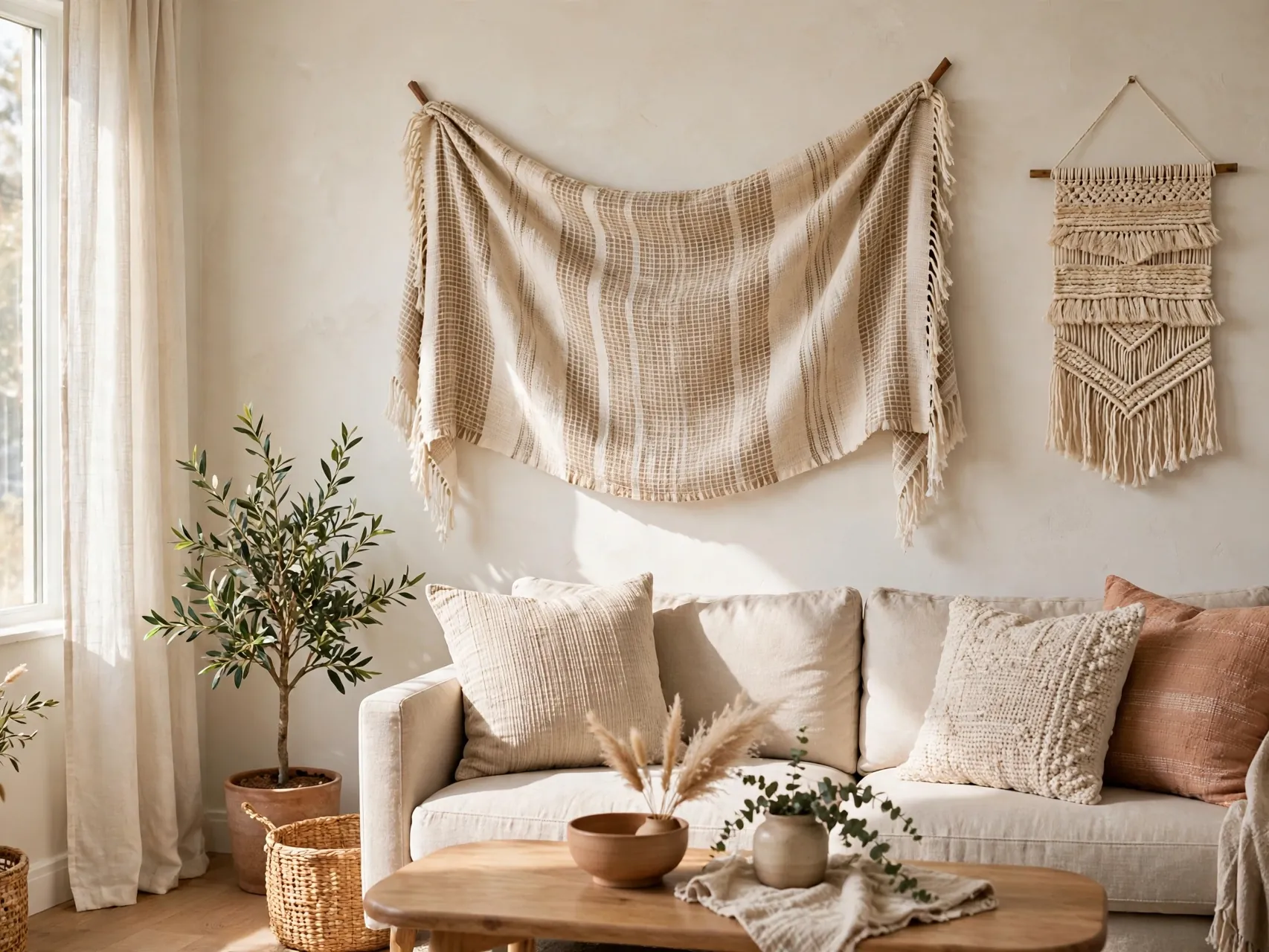
A beautiful throw, quilt or woven blanket can work as wall art when it is too pretty to keep folded on the sofa. Drape it over a slim rod held by adhesive hooks, or clip the top edge evenly so it hangs flat.
Choose a piece that is light enough for the hooks you have and keep it away from cooking splashes and heaters. This idea suits bedrooms and reading corners best, where the texture makes the room feel warm without adding furniture to a tight floor plan.
10. Use Tension Rods for Fabric Panels

A tension rod fits inside a window frame or between two walls in a narrow nook and stays in place with pressure alone. Hang curtains, a fabric panel or a light tapestry from it and you have covered a wall or softened a window with no holes.
Measure the space carefully and pick a rod rated for that width so it does not slip. Hang panels close to the ceiling line to make a low room feel taller. Check the rod ends now and then, since a slipping rod can scuff paint where it presses.
11. Stick Up Lightweight Photo Tiles
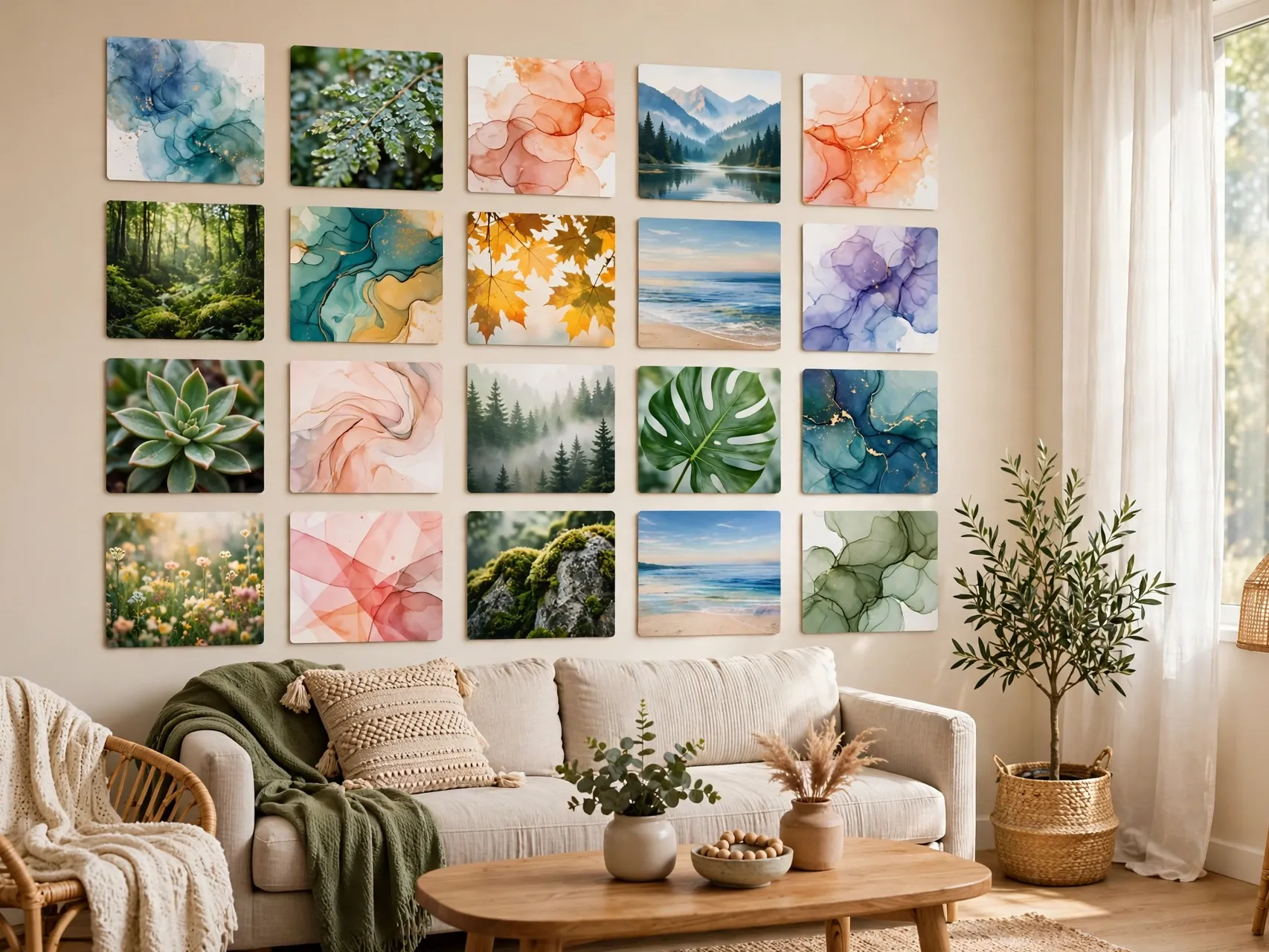
Photo tiles are small, light prints with adhesive or magnetic backing made to stick, lift and restick. They suit renters who want a personal photo wall that can grow one tile at a time and rearrange without new holes.
Start with a simple grid and a level, then step back and adjust before you press firmly. Keep tiles on smooth painted walls and avoid wallpaper or rough texture, where adhesive of any kind holds poorly. Wipe dust off the wall first so edges stay down.
12. Display Art on a Tabletop Easel
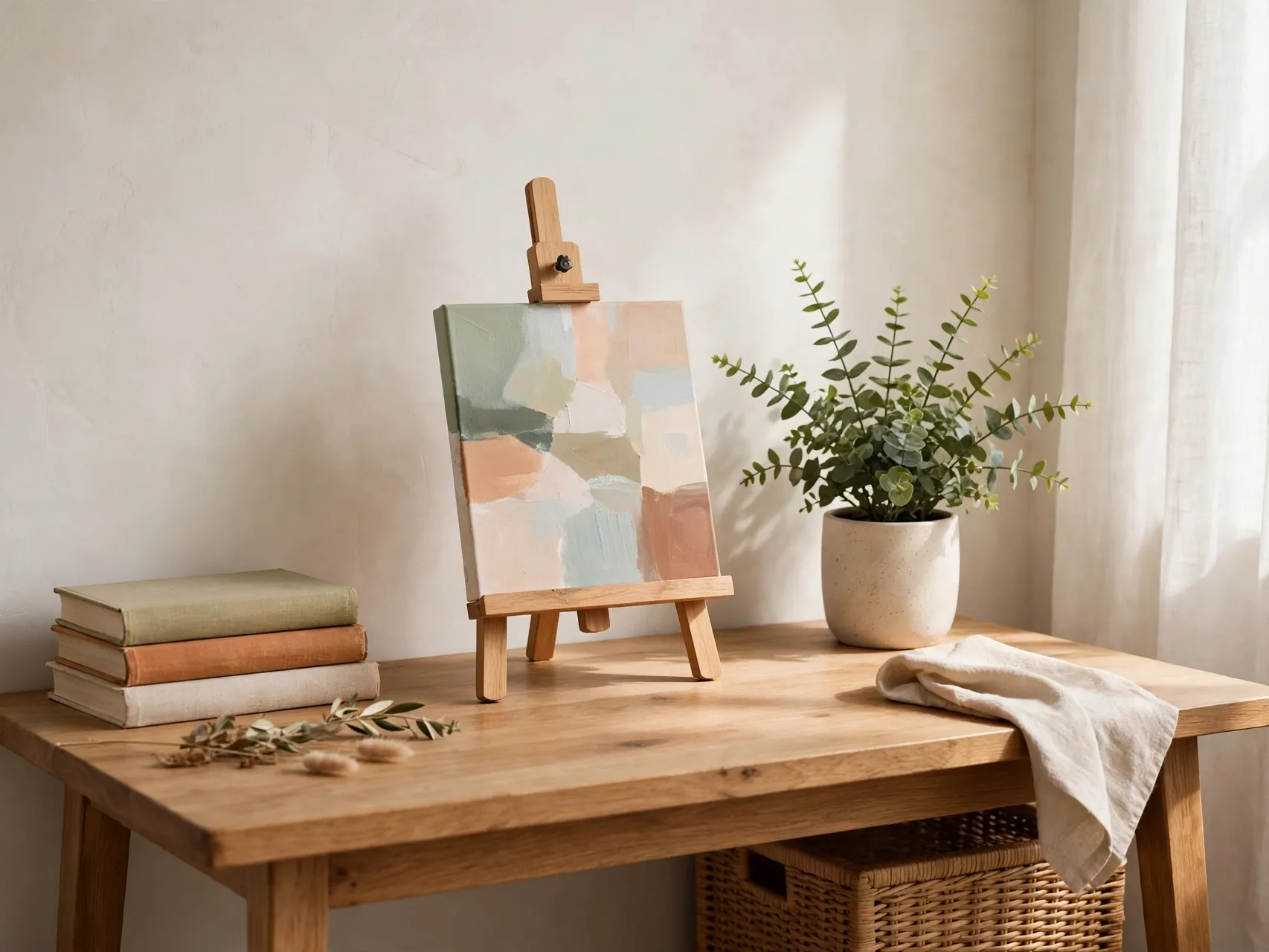
An easel turns a canvas or framed print into a movable piece of furniture. Set a tabletop easel on a side table, desk or shelf, or use a floor easel in an empty corner that needs height and interest.
This method is ideal for art you love but cannot hang safely because of weight or a fragile frame. It also works for rotating seasonal prints, since swapping the piece takes seconds. Keep the easel stable and out of the path of opening doors.
13. Clip Prints to a String Line
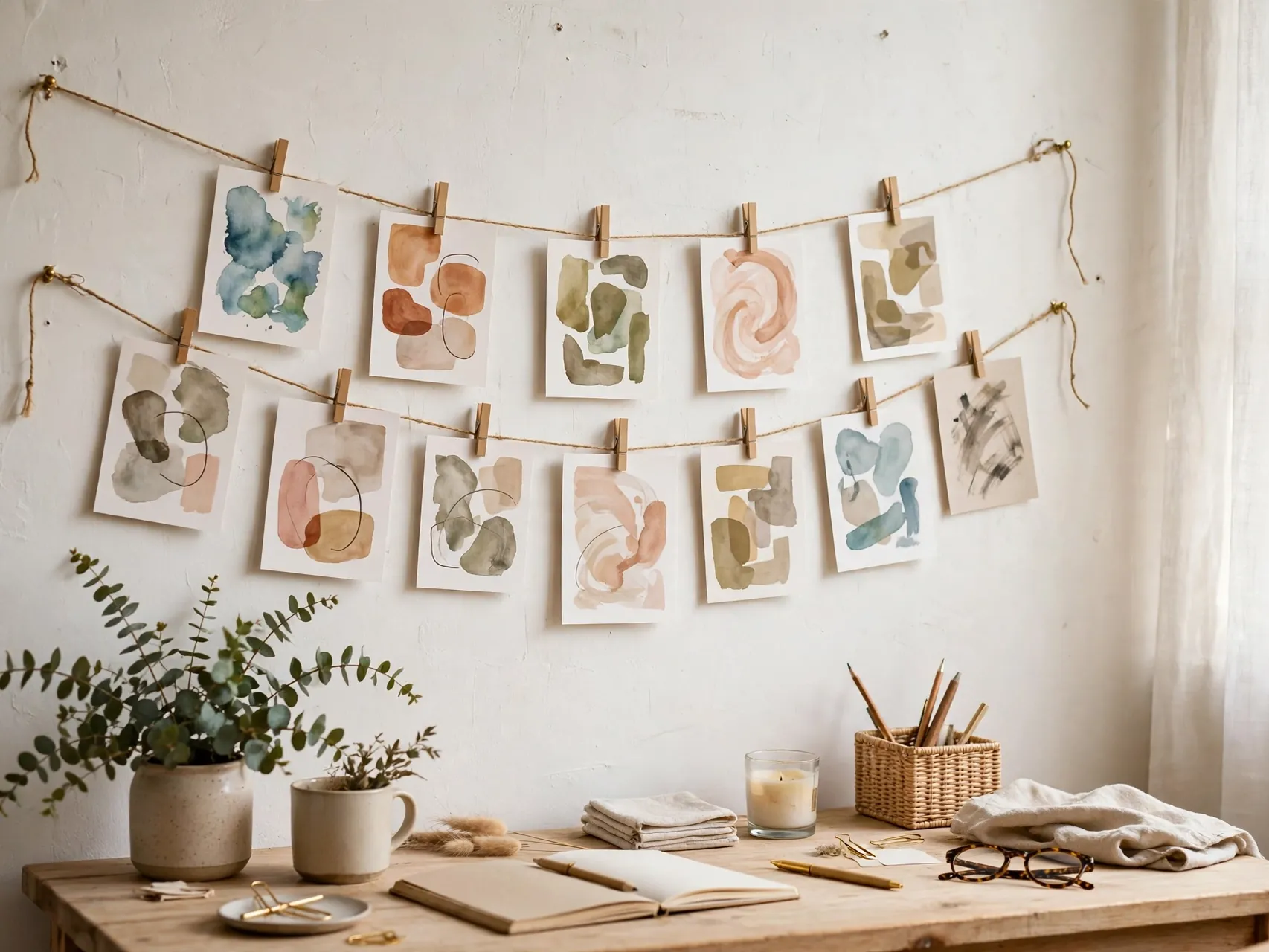
A string line with small clips creates a casual photo display that feels right at home over a desk or in a hallway. Run the string between two adhesive hooks and clip prints, cards and small artwork along it.
Keep the load light and the sag even, and do not overload one section. This display is easy to update for birthdays, holidays or new photos, which is why renters love it for small spaces. At removal time, unclip everything, take the string down and remove the hooks slowly.
14. Use Mounting Putty for Posters
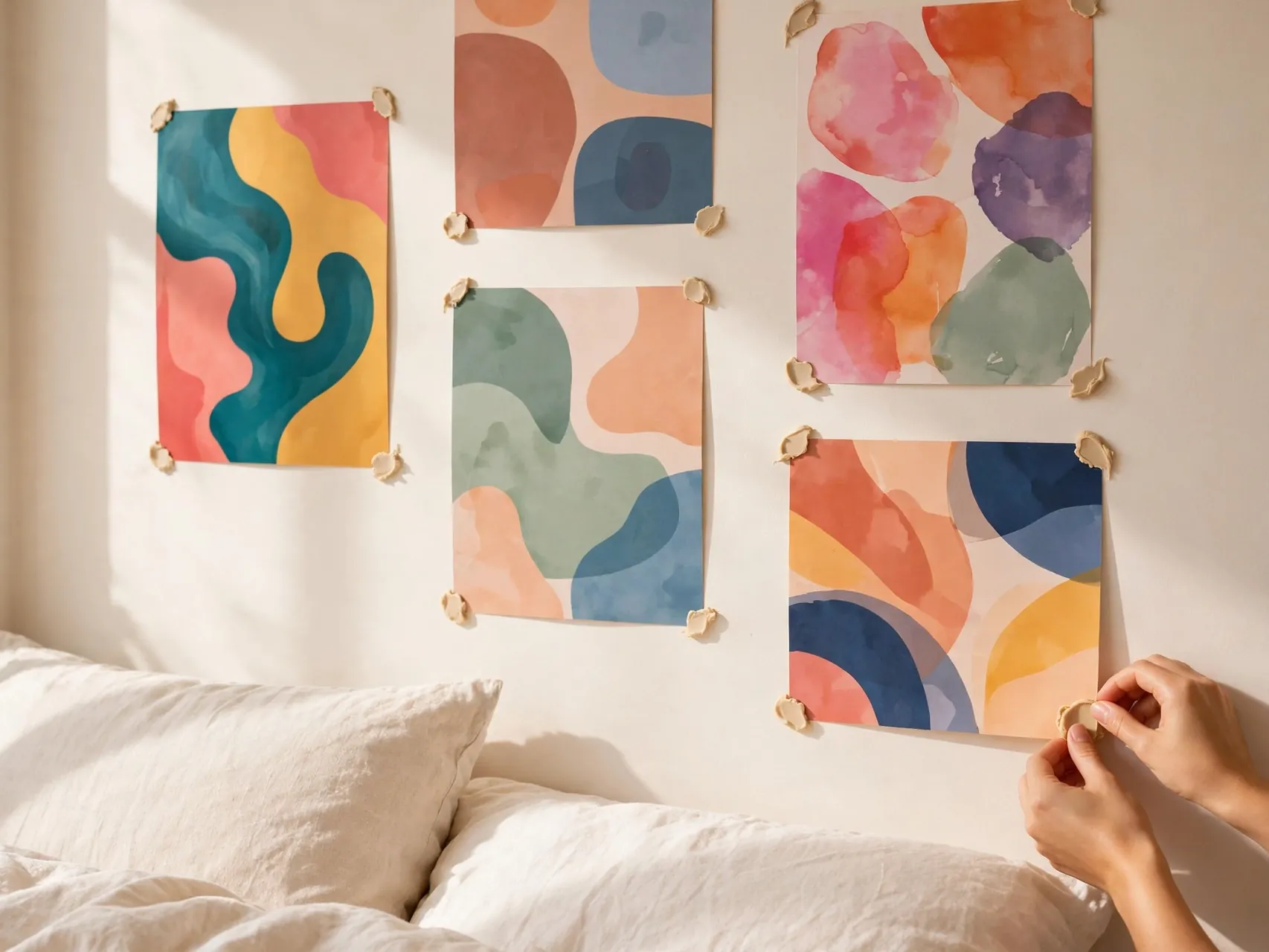
Mounting putty holds posters, calendars, kids artwork and unframed prints with small balls of putty at the corners. Roll each ball smooth, press the print firmly, and spread the points evenly so no single corner carries the whole weight.
Putty is best for paper light items on clean painted walls. It can leave an oily mark on some flat paints or unsealed surfaces, so test one corner first and avoid using it on wallpaper. To remove, roll the putty off slowly rather than scraping it.
15. Add a Removable Dry Erase Panel

A removable dry erase or chalkboard style panel gives a kitchen, entryway or home office a useful planning wall. Many panels stick with removable adhesive and come down cleanly when warmed and peeled slowly.
Use it for weekly menus, reminders or a family calendar in a spot everyone passes. Keep markers and cleaners made for that surface, because the wrong cleaner can cloud the finish. In a small rental, one working panel can replace piles of notes on counters and the fridge door.
16. Lean or Stick a Lightweight Mirror

A mirror adds light and makes a small room feel larger, which is why renters reach for one in entryways and bedrooms. Light mirrors can hang from rated adhesive strips or hooks, while heavier mirrors are safer leaning on a dresser or the floor.
Check the true weight with the frame included, not just the glass size. Place a leaning mirror where it will not be knocked, add a bumper at the base, and clean it with a soft cloth. Never trust adhesive alone for a heavy mirror over a sofa or bed.
17. Build a Gallery Wall With Light Frames
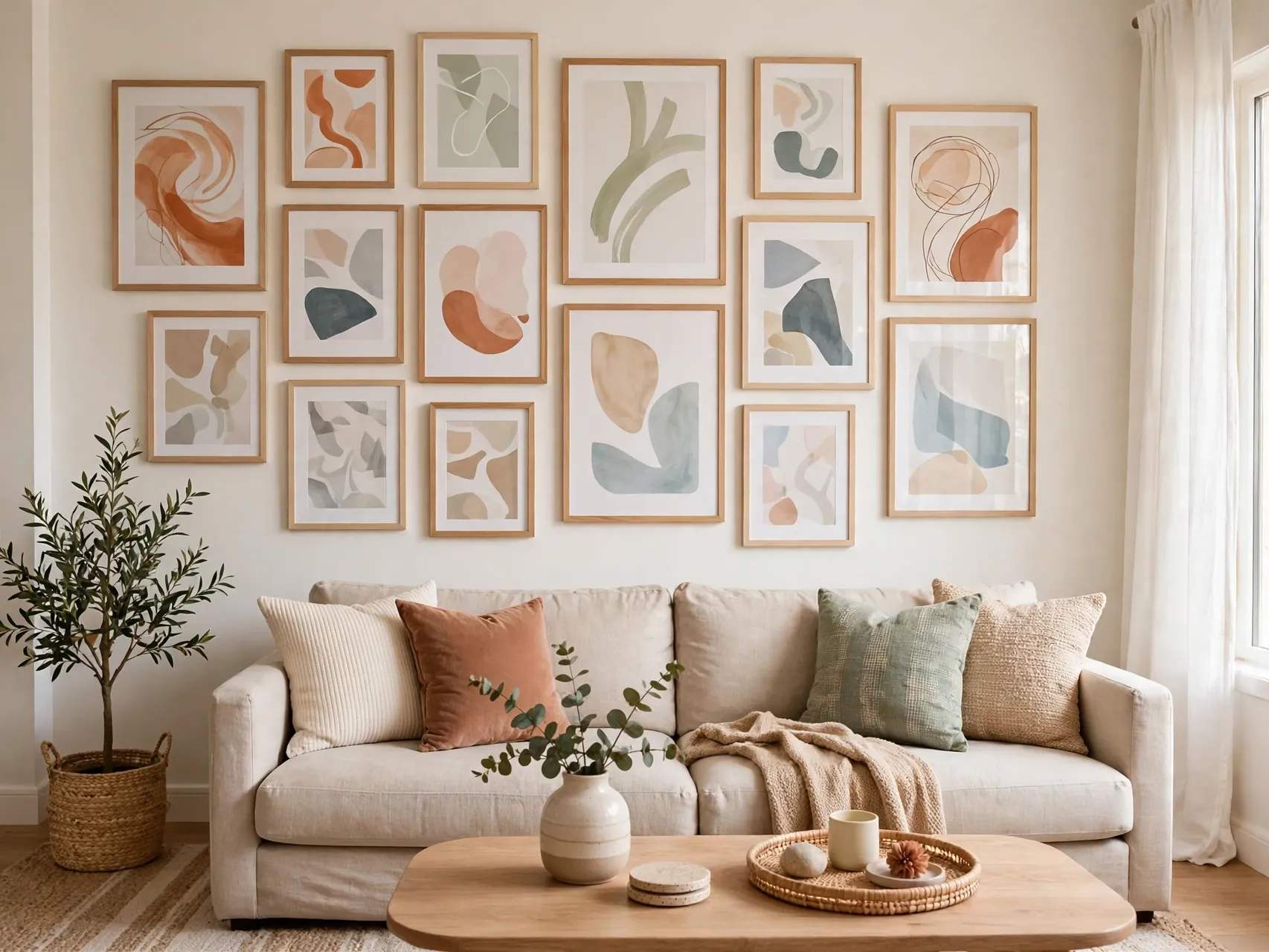
A gallery wall does not need nails. Use matching light frames with strips, lay the arrangement on the floor first, then trace each frame on paper and tape the paper plan to the wall before you stick anything up.
Keep spacing even, hang the center of the group near eye level, and mix art with one mirror or textile piece for texture. Light frames in wood, acrylic or thin metal keep the total weight per strip low and make future changes simple.
- Lay it out on the floor first
- Test the plan with paper templates
- Start from the center and work outward
18. Use a Freestanding Cork Board
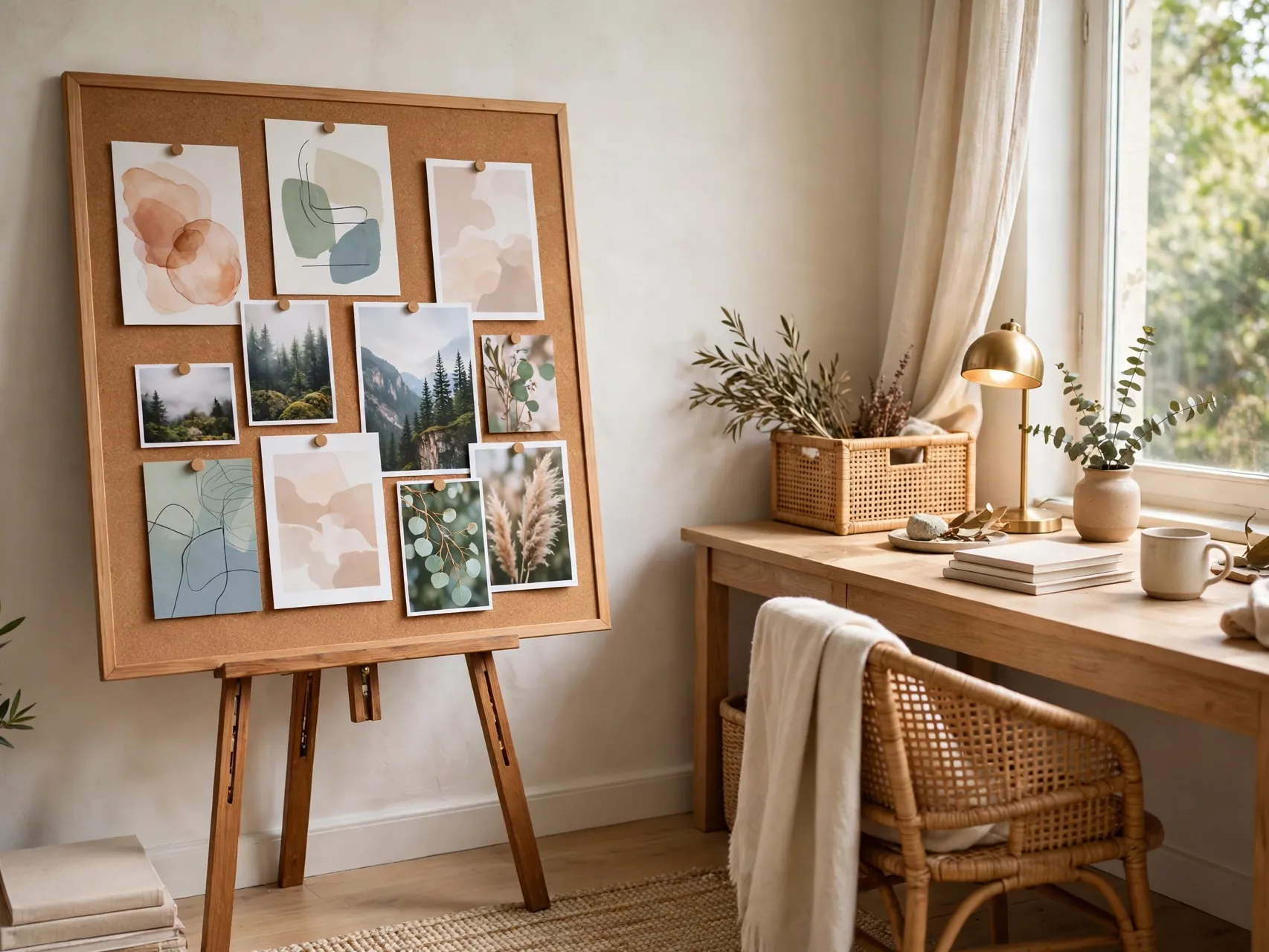
A cork board or fabric pin board on an easel, desk or leaning shelf gives you a place to pin photos and notes without putting pins in the wall. It brings the same personal feel as a wall display with zero wall contact.
Choose a board size that fits your desk wall or entryway niche and keep the pins and clutter contained inside the frame. In a small home office, this one board can hold your calendar, cards and inspiration in a single tidy spot.
19. Add a Removable Wall Mural
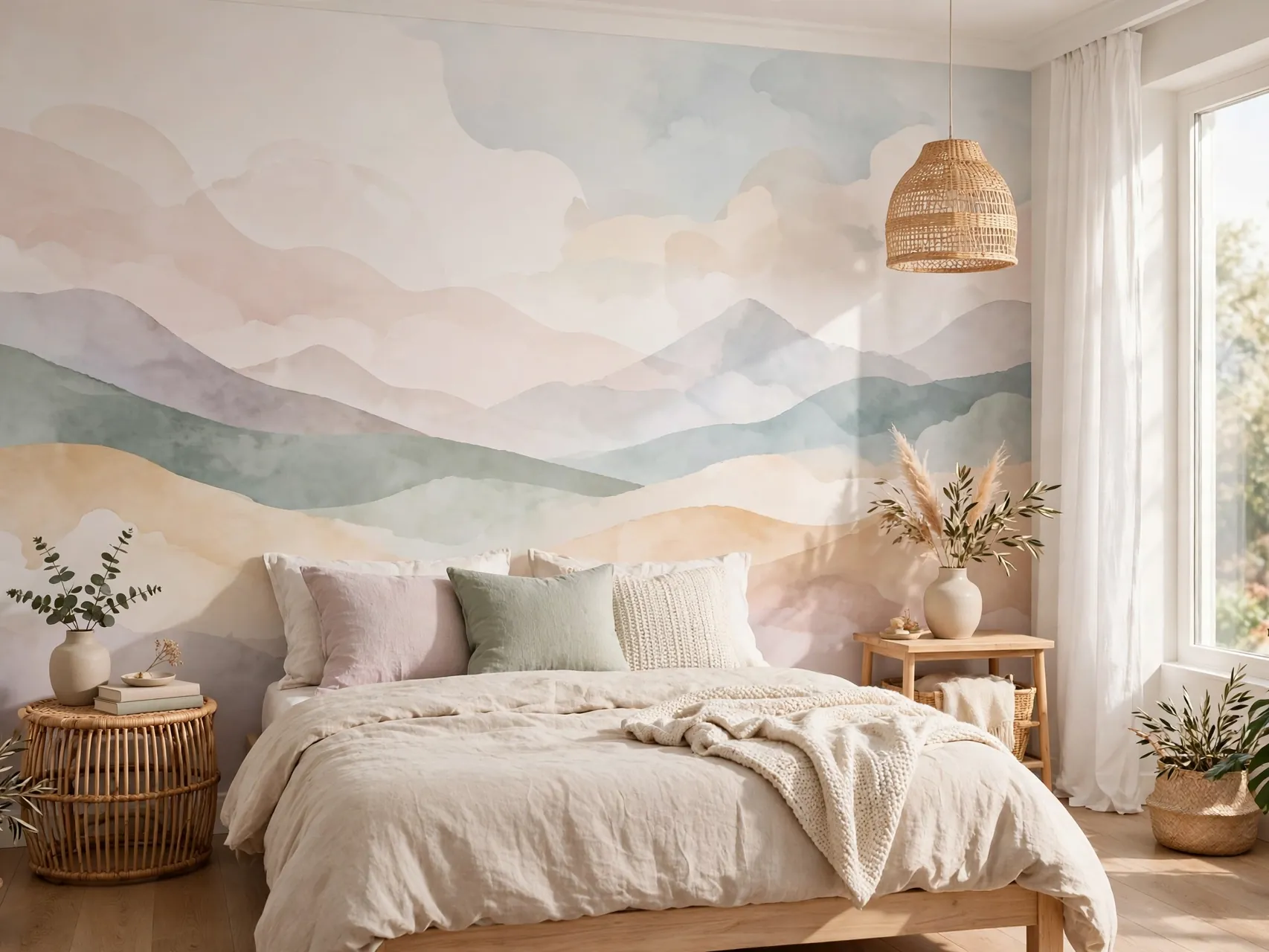
Removable murals and large scale decals create a feature wall in a rental bedroom or living room without paint. Panels go up like wallpaper and are made to peel down panel by panel when you move or want a new look.
Measure carefully, order a little extra for pattern matching, and test your wall finish first. Smooth walls give the best result. Keep panels numbered as you remove them if you hope to reuse the mural, and store them on their original backing in a dry place.
20. Style Open Shelves in Front of the Wall
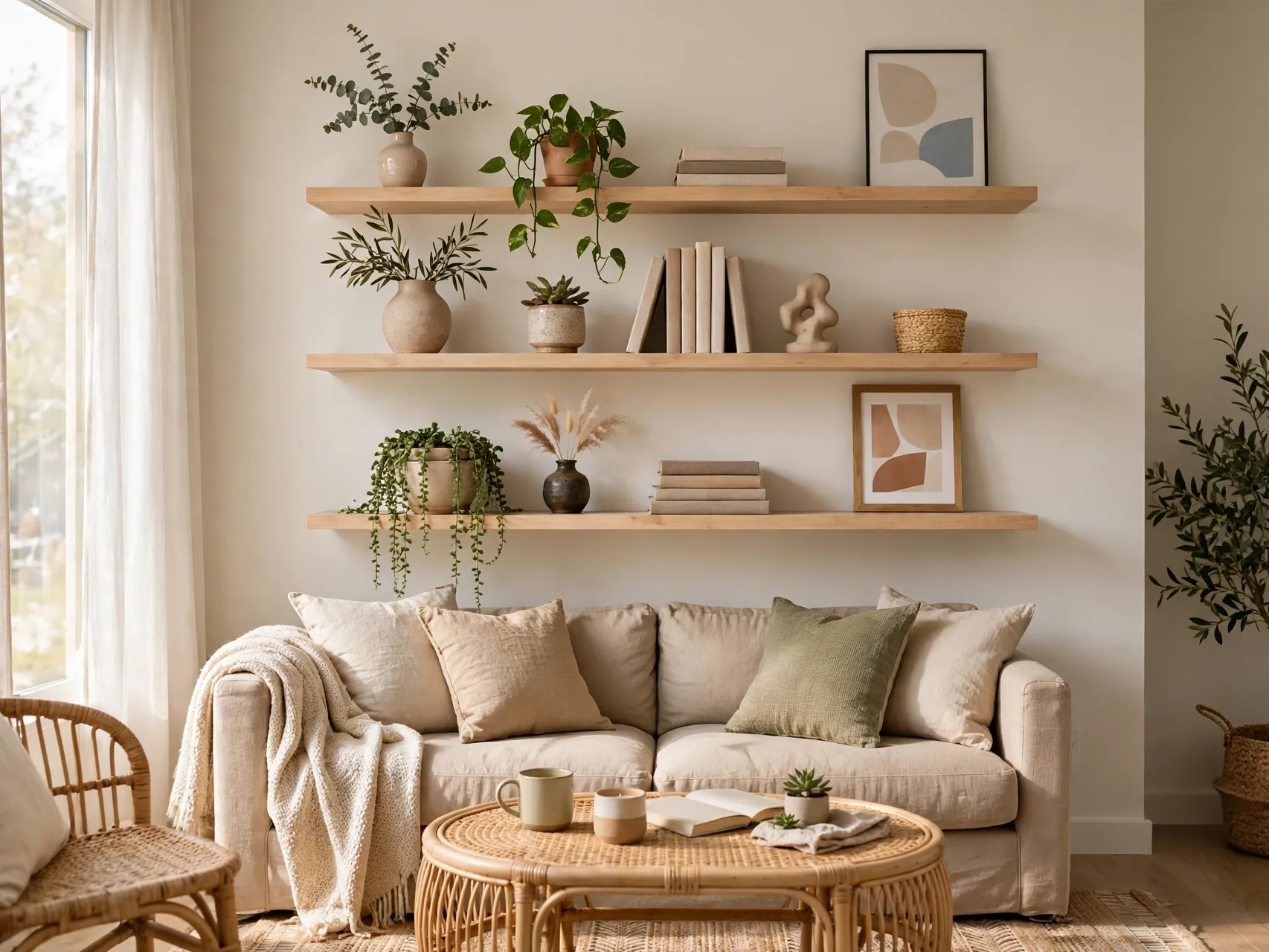
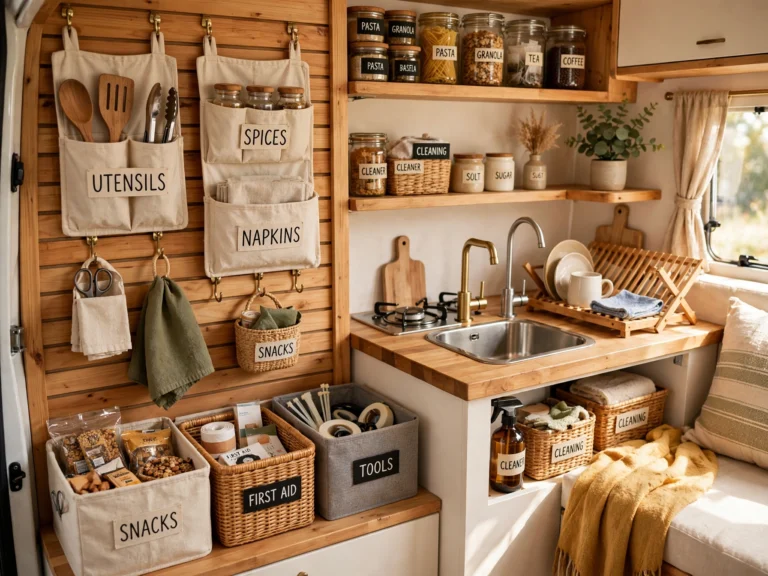
Freestanding open shelves placed against a wall give you display space that looks built in but moves with you. Style the shelves with art, books, baskets and plants and the wall behind them suddenly feels decorated without a single attachment.
Leave a little empty space on each shelf so the display breathes. Tall shelves draw the eye up in small rooms, but they should be stable and, where your lease and safety needs require it, secured in a way you have permission for. When in doubt, keep heavy items low.
21. Use a Freestanding Metal Display Board

A metal grid panel, leaning ladder shelf or freestanding display board lets you clip art, hang small baskets and use magnets without touching the wall. It works well over a desk, in a craft corner or beside an entryway bench.
Clip prints with binder clips, hang light frames from hooks on the grid, and change the layout whenever you like. Because the board carries the weight, your walls stay clean. Choose a style with a stable base and keep the total load balanced from side to side.
22. Hang Wreaths From Removable Hooks

A wreath is not just for the front door. Hung from a removable hook, a simple green, floral or woven wreath adds shape and color to a living room wall, over a mantel or above a bed where art feels too formal.
Pick a lightweight wreath and a hook rated for it, and fluff the branches after hanging so it sits flat. Seasonal wreaths are an easy way to refresh renter friendly wall decor without buying new art. Store them in a flat box so they keep their shape for next year.
23. Rotate Small Art Often

The last idea is a habit, not a product. Keep a small stack of prints, postcards and photos in a drawer and rotate what is on your strips, ledges and boards every few weeks. The room feels new without new holes or new spending.
Rotating art also helps you notice loose strips or dusty frames early, while fixes are easy. Take a photo of each arrangement you love so you can repeat it later. Renting rewards this kind of flexible decorating, because your walls can change as often as your life does.
FAQ
What is the safest wall decor for a rental?
Leaning art, ledge displays and easel pieces are the safest because they never touch the wall with adhesive or hardware. For hung pieces, removable strips and hooks used within their weight rating on smooth painted walls are a reliable next choice for most renters.
Can peel and stick wallpaper damage rental walls?
It can if the paint is weak, the wall is textured or humid, or the paper is pulled off too fast. Test a small piece in a hidden spot first, follow the maker directions, warm stubborn areas gently and peel slowly at a low angle when you remove it.
How much weight can adhesive strips really hold?
It depends on the strip size and how many pairs you use, so always follow the rating printed on the package for that exact product. Clean the wall with rubbing alcohol, press firmly and wait an hour before hanging. When a piece is heavy or valuable, lean it instead.
What should I avoid on rental walls?
Avoid permanent anchors, large screws, strong construction adhesive and products not made for removal. Also avoid adhesive on wallpaper, brick, rough texture or fresh paint. If your lease bans a method, skip it even if a friend had good luck with it in another building.
How do I remove decor without peeling paint at move out?
Go slowly. For strips, hold the frame lightly and stretch the tab straight down along the wall until it releases, never pulling outward. For paper and decals, warm the edge and peel at a low angle. Clean residue with the gentlest option first and test cleaners in a hidden spot.
Key Takeaways
- Match the method to the weight: Light prints suit tape and putty, medium frames suit strips and hooks, and heavy pieces should lean.
- Test before you commit: Try any adhesive or paper on a hidden spot first, especially on flat, old or fresh paint.
- Follow the package steps: Cleaning, pressing and waiting times are what make removable products actually removable.
- Use no touch displays often: Ledges, easels, shelves and leaning art decorate the wall without contacting it.
- Keep your lease in the plan: Rules vary by building and state, so check yours and ask in writing when unsure.
- Remove slowly at move out: Stretch strip tabs down, warm paper edges and peel at a low angle to protect paint.
Save this list to Pinterest before your next decorating weekend so your favorite damage free ideas are ready to try.